

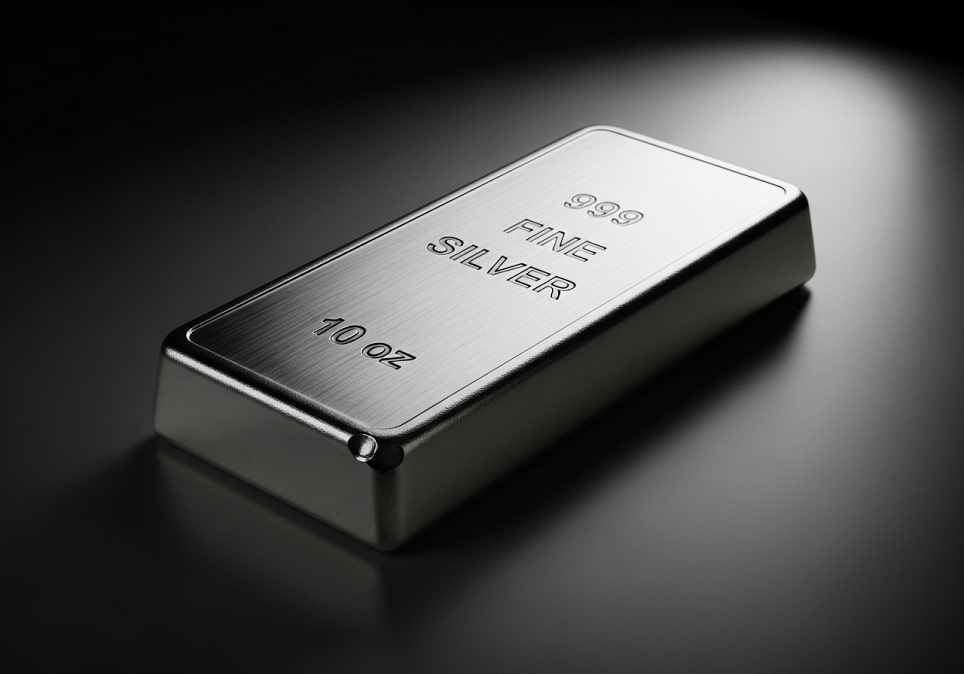
The rapid expansion of artificial intelligence infrastructure has positioned silver as a critical commodity in the global economy. As data centers proliferate to support advanced computing needs, the demand for this versatile metal has intensified, leading to unprecedented price levels. Investors are increasingly viewing silver not just as a hedge against uncertainty but as a direct beneficiary of technological progress. This shift reflects broader market dynamics where industrial applications intersect with financial strategies.
Silver’s unique properties, including superior electrical conductivity, make it indispensable in high-tech environments. In the context of AI, it facilitates efficient energy transmission within massive server farms. Recent market data indicates a sustained upward trajectory in prices, driven by both supply constraints and escalating usage in electronics. Financial analysts have noted this trend as a departure from traditional precious metal behaviors.
The interplay between geopolitical factors and technological advancements further amplifies silver’s appeal. Central banks’ diversification efforts have indirectly supported the metal’s value, while industrial sectors continue to absorb available supplies. This dual demand structure sets silver apart from other commodities, creating opportunities for strategic positioning in portfolios. Market participants are closely monitoring these developments for long-term implications.
Amid these changes, production challenges persist, with mining outputs struggling to keep pace. Environmental regulations and operational costs add layers of complexity to supply chains. Consequently, the market has entered a phase of structural deficits, prompting reevaluations of investment approaches.
Historically, silver has served multiple roles, from monetary systems to industrial inputs. In ancient civilizations, it functioned as currency, underpinning trade networks across continents. Over time, its applications evolved, particularly during the industrial revolution when electrical innovations emerged.
The 20th century saw silver’s integration into photography and electronics, marking a pivotal shift toward technological reliance. Post-war economic booms accelerated this trend, with consumer goods incorporating the metal extensively. By the late 1900s, silver’s volatility became evident, influenced by both speculative trading and real-world demands.
Entering the 21st century, renewable energy sectors began to dominate consumption patterns. Solar panels, requiring significant silver quantities for photovoltaic cells, represented a major growth area. This period also witnessed fluctuations tied to global economic cycles, including recoveries from financial crises.
The Role of Artificial Intelligence in Silver Demand
Artificial intelligence’s exponential growth necessitates robust infrastructure, where silver plays a foundational role. Data centers, the backbone of AI operations, rely on the metal for efficient wiring and components. This dependency has accelerated as companies scale up computing capabilities to handle complex algorithms.
Leading tech firms are investing billions in expanding facilities, directly impacting silver procurement. Each new server rack incorporates traces of the metal, cumulatively driving substantial volume increases. Industry reports highlight this as a transformative factor in commodity markets.
Beyond data centers, AI applications in autonomous vehicles and smart devices further bolster demand. Sensors and processors in these technologies utilize silver for optimal performance. As adoption rates climb, the cumulative effect on global supplies becomes more pronounced.
Key Applications in AI Infrastructure
Silver’s thermal and electrical properties make it ideal for heat dissipation in high-performance chips. In AI training processes, which generate immense heat, effective cooling systems prevent failures. This ensures uninterrupted operations in large-scale facilities.
In networking equipment, silver enhances signal integrity over long distances. Data transmission between servers benefits from reduced resistance, minimizing energy loss. This efficiency is crucial for maintaining low latency in AI-driven services.
Power distribution systems within data centers incorporate silver contacts for reliability. These components handle high voltages without degradation, supporting continuous power supply. Such durability reduces maintenance needs and operational downtimes.
Printed circuit boards, essential for AI hardware, often feature silver inks for conductivity. This allows for compact designs without compromising functionality. Innovations in manufacturing have increased the precision of these applications.
Impact on Global Supply Chains
The surge in AI-related demand has strained existing mining operations worldwide. Producers face pressure to ramp up output amid logistical challenges. This has led to explorations in new regions to secure future supplies.
Recycling efforts have intensified, recovering silver from electronic waste. However, recovery rates remain suboptimal, leaving gaps in availability. Stakeholders are advocating for improved recycling technologies to mitigate shortages.
Trade policies influence the flow of silver across borders, affecting prices. Tariffs and export restrictions in key producing countries add volatility. International agreements aim to stabilize these dynamics for consistent access.
Current Supply and Demand Dynamics
Global silver production has not kept pace with consumption, resulting in consecutive years of deficits. Mining outputs from major regions like Mexico and Peru dominate, yet face environmental hurdles. These constraints limit expansions despite rising prices.
Industrial demand accounts for over half of total usage, with electronics leading the charge. The AI sector’s growth projections suggest continued pressure on inventories. Analysts estimate annual deficits in the hundreds of millions of ounces.
Investment flows into silver-backed funds have reversed previous trends of outflows. This influx provides liquidity but also heightens price sensitivity to market sentiments. Physical holdings in vaults reflect this renewed interest.
Secondary supplies from scrap and hedging activities offer partial relief. Nevertheless, primary mining remains the cornerstone of availability. Efforts to enhance extraction efficiencies are underway to address imbalances.
- Rising Industrial Consumption: The electronics industry consumes vast quantities of silver for components like capacitors and switches. This usage has escalated with the proliferation of AI devices, straining available resources. Forecasts indicate a compound annual growth rate exceeding expectations due to tech advancements.
- Supply Deficits Persistence: For five consecutive years, demand has outstripped supply, creating market tightness. This structural issue stems from underinvestment in new mines during low-price periods. Resulting shortages have propelled prices to new heights.
- Geopolitical Influences: Trade tensions affect silver flows, particularly from producing nations. Restrictions can disrupt supplies, leading to price spikes. Stable relations are essential for predictable market conditions.
- Recycling Contributions: Efforts to reclaim silver from end-of-life products help bridge gaps. However, efficiency varies by region, with advanced economies leading in recovery rates. Innovations in processing could enhance this secondary source.
- Investment Demand Surge: Investors seeking diversification have boosted holdings in silver assets. This trend amplifies price movements, as fund inflows respond to economic signals. It underscores silver’s dual role as industrial and financial asset.
- Environmental Regulations Impact: Stricter mining standards slow development of new projects. Compliance costs rise, affecting profitability and output. Sustainable practices are increasingly prioritized to meet global standards.
- Technological Substitutions: Research into alternatives like copper composites aims to reduce silver dependency. Yet, performance limitations hinder widespread adoption. Silver’s superior properties maintain its dominance in critical applications.
- Market Volatility Factors: Currency fluctuations influence silver pricing in international trade. Economic indicators from major economies sway investor behavior. These elements contribute to short-term price swings amid long-term trends.
The automotive sector, particularly electric vehicles, adds another layer to demand. Batteries and wiring systems incorporate silver for enhanced efficiency. As governments push for greener transportation, this segment’s growth accelerates.
Solar energy installations represent a significant consumer, with panels requiring silver paste. Global commitments to renewable targets ensure sustained uptake. This diversification of demand sources strengthens silver’s market position.
Medical applications, including antimicrobial coatings, provide steady but smaller contributions. The versatility across industries buffers against sector-specific downturns. Overall, the demand landscape appears robust moving forward.
Price Analysis and Market Performance
Silver prices have achieved remarkable gains, surpassing key thresholds in recent months. Spot prices exceeded historical peaks, reflecting intense buying pressure. This performance outstrips that of other precious metals in percentage terms.
Comparisons with gold highlight silver’s amplified volatility. The gold-silver ratio has compressed, indicating relative strength in silver. This metric serves as a barometer for market sentiments toward industrial versus safe-haven assets.
Exchange-traded funds tracking silver have seen asset inflows, bolstering prices. These vehicles offer accessible exposure for retail investors. Their popularity underscores broadening participation in the market.
Futures markets exhibit active trading, with positions signaling bullish outlooks. Contract volumes have increased, facilitating price discovery. This liquidity attracts institutional players seeking hedging opportunities.
Economic indicators, such as interest rates, influence silver’s attractiveness. Lower rates typically favor non-yielding assets like metals. Current monetary policies support this environment.
Currency strength, particularly the US dollar, inversely affects prices. Weaker dollar periods often coincide with metal rallies. Global forex trends thus play a pivotal role in valuations.
Year-to-Date Trends
From the start of the year, silver has demonstrated consistent upward momentum. Early gains were fueled by recovery expectations post-economic uncertainties. Mid-year accelerations tied to tech sector announcements.
Peak levels were attained amid heightened AI investments. Corporate earnings from semiconductor firms amplified optimism. This correlation illustrates the intertwined nature of tech and commodities.
Volatility spikes occurred during geopolitical events, reinforcing silver’s hedge status. Quick recoveries post-dips suggest strong underlying support. Traders monitor these patterns for entry points.
Comparative Performance
Against equities, silver has offered competitive returns in turbulent times. While stock indices fluctuate, metals provide stability. This diversification benefit appeals to portfolio managers.
Within commodities, silver leads in growth rates among peers. Energy and base metals show varied performances. Silver’s tech linkage sets it apart in the current cycle.
Bond yields’ competition diminishes in low-rate scenarios. Investors shift allocations toward tangible assets. This reallocation supports sustained interest in silver.
Investor Perspectives and Strategies
Professional investors emphasize silver’s leverage to technological trends. Allocations in diversified funds have increased accordingly. This strategic pivot reflects confidence in long-term demand drivers.
Retail participation via accessible products has democratized access. Educational resources aid informed decision-making. Community discussions highlight shared enthusiasm for the metal’s prospects.
Hedge funds employ sophisticated strategies, including options and spreads. These instruments manage risks while capturing upsides. Their involvement adds depth to market dynamics.
Institutional endorsements from banks bolster credibility. Research reports outline favorable scenarios. Such analyses guide large-scale investments.
Risk Management Approaches
Diversification across asset classes mitigates exposure. Balancing silver with equities and bonds smooths returns. This approach guards against sector-specific downturns.
Position sizing based on volatility ensures prudent capital deployment. Monitoring margin requirements prevents over-leveraging. Regular reviews adjust to changing conditions.
Hedging with derivatives offsets potential losses. Futures contracts lock in prices for producers and consumers. This stability fosters sustainable operations.
Potential Risks and Challenges
Market exuberance poses risks of corrections if fundamentals weaken. Overreliance on AI hype could lead to disillusionment. Vigilance against bubble formations is advised.
Supply responses from increased mining could alleviate deficits. New projects in development aim to boost outputs. Successful executions might cap price escalations.
Economic slowdowns could temper industrial demand. Reduced consumer spending impacts electronics sales. Cyclical patterns warrant caution in projections.
Regulatory changes in tech sectors might alter trajectories. Antitrust actions could slow expansions. These uncertainties require adaptive strategies.
Substitution technologies threaten long-term dominance. Advances in materials science seek cost-effective alternatives. Adoption rates depend on performance equivalency.
Geopolitical tensions disrupt supply chains. Conflicts in producing regions heighten risks. Contingency planning addresses these vulnerabilities.
Future Outlook for Silver in the AI Era
Projections indicate continued demand growth aligned with AI advancements. Infrastructure buildouts span multiple years, ensuring steady uptake. This timeline supports optimistic scenarios.
Innovation in usage could expand applications further. Research into nanotechnology enhances efficiency. Such developments multiply silver’s utility.
Sustainable sourcing gains prominence, influencing consumer preferences. Ethical mining practices attract premium pricing. This shift aligns with global ESG standards.
International collaborations foster stable markets. Trade agreements facilitate flows. These frameworks mitigate volatility sources.
Economic policies will shape accessibility. Monetary easing cycles favor metals. Anticipated adjustments provide tailwinds.
Technological breakthroughs accelerate adoption rates. AI’s integration into daily life amplifies needs. This pervasive influence underpins long-term value.
Conclusion
Silver’s emergence as a pivotal element in the artificial intelligence landscape underscores its evolving significance in modern economies. Driven by robust industrial demand and investment interest, the metal has achieved remarkable price appreciation while navigating supply challenges. The interplay of technological innovation and market dynamics positions silver favorably for sustained relevance. Investors and industry stakeholders alike recognize its dual utility, balancing risks with opportunities in a rapidly changing world. As global priorities shift toward advanced computing and sustainable practices, silver stands poised to maintain its integral role.

Loading comments…