

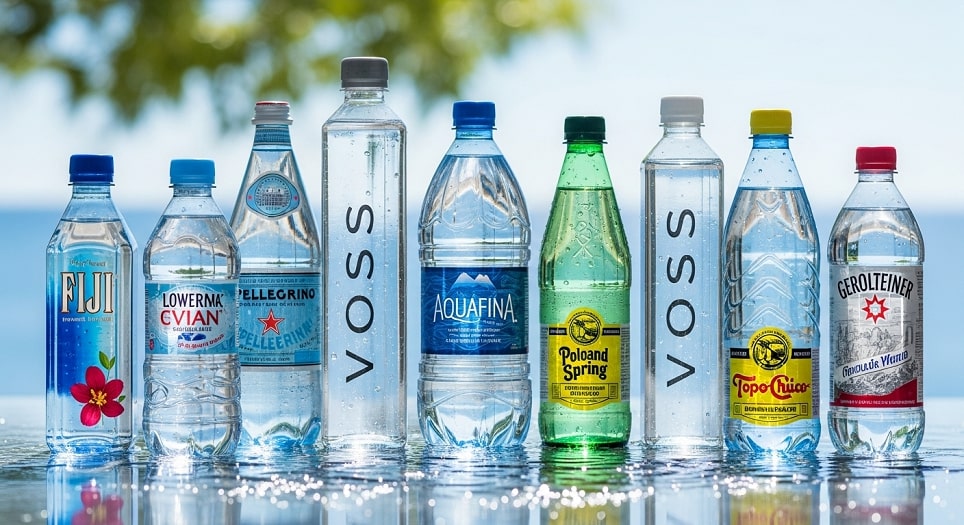
The bottled water aisle presents a modern paradox of choice, where consumers face dozens of options ranging from basic purified waters to exotic imports from remote springs and glaciers. While all provide essential hydration, significant differences exist in taste profile, mineral content, sourcing methods, and environmental impact that justify their varying price points and consumer loyalty. Understanding these distinctions requires examining water through multiple lenses: its origin story, the treatment processes it undergoes, its final mineral composition, and how these factors collectively influence both flavor and potential health benefits. This comprehensive analysis moves beyond marketing claims to explore what truly differentiates premium bottled waters from standard offerings and how to select the best option for specific needs and preferences.
Water taste is not a universal constant but is profoundly shaped by its Total Dissolved Solids (TDS), a measure of the mineral content present after the water has filtered through geological formations. These minerals, including calcium, magnesium, sodium, and potassium, along with bicarbonate and sulfate, create what water sommeliers describe as the water’s “mouthfeel” and flavor profile. Some waters are celebrated for their crisp, clean finish with low mineral content, while others are prized for a distinct, almost velvety texture imparted by higher concentrations of beneficial electrolytes. The source—whether a protected artesian aquifer, a volcanic rock filtration system, or a municipal supply—also plays a crucial role in establishing the water’s fundamental character before any human intervention occurs.
Furthermore, the environmental and ethical considerations of bottled water consumption cannot be overlooked. The industry faces valid criticism regarding plastic waste, carbon footprint from transportation, and the sustainability of water sourcing practices. This guide will navigate these complex factors, providing a clear framework for evaluating bottled water based on verifiable criteria rather than brand mythology. From blind taste test results to scientific analysis of water composition, we will identify which brands consistently deliver on their promises and which are worth the premium price for specific use cases, whether for daily hydration, culinary applications, or special occasions.
Understanding Water Types and Sources
Not all water is created equal, and regulatory definitions create specific categories that determine labeling and often reflect processing methods. Knowing these categories is the first step in making an informed purchase.
Spring Water vs. Purified Water: A Fundamental Distinction
Spring water must be derived from an underground formation from which water flows naturally to the earth’s surface. This water must be collected only at the spring or through a borehole tapping the underground formation feeding the spring. It can be treated to alter its mineral content, but many premium brands emphasize minimal processing to maintain the water’s natural profile. The taste of spring water is directly tied to the geology of its source, leading to unique regional characteristics. In contrast, purified water has been produced by distillation, deionization, reverse osmosis, or other suitable processes that remove most dissolved solids. This category includes many popular grocery store brands that start from a municipal source and are then highly processed to achieve a neutral, consistent flavor. The purification process strips away both contaminants and naturally occurring minerals, with some brands adding a blend of minerals back for taste, a product often labeled as “purified water with minerals added.”
Other notable categories include mineral water, which emerges from the source with at least 250 parts per million of total dissolved solids originating from a geologically and physically protected underground water source. No minerals may be added to this water. Artesian water is drawn from a confined aquifer that lies under pressure between layers of impermeable rock, causing the water to rise to the surface without the need for pumping, which proponents argue protects it from environmental contamination. Sparkling water, whether naturally carbonated or carbonated artificially, contains carbon dioxide gas, which creates effervescence and can accentuate or mask certain mineral flavors.
The Science of Taste: How Minerals Shape Flavor
The human palate perceives water taste based on its mineral composition and pH level. Water sommeliers, much like their wine counterparts, assess water based on texture, aftertaste, and how it complements food. Key minerals have distinct effects: calcium contributes to a round, smooth mouthfeel, magnesium can introduce a slight bitter or astringent note, and sodium and bicarbonate are known to create a sweet or softening effect. The balance between these elements determines whether a water is perceived as heavy or light, sweet or sharp. A water’s TDS level provides a general indicator of its intensity; waters below 50 mg/L are considered low-mineral and have a very light, crisp character, while those above 500 mg/L have a more pronounced, distinctive flavor that may not appeal to all palates but is often preferred by connoisseurs.
pH level, measuring acidity or alkalinity on a scale from 0 to 14, also influences perception. Neutral pH is 7.0, with most drinking waters falling between 6.5 and 8.5. While the health claims surrounding alkaline water (typically with pH above 8) are often overstated, the pH can affect taste, with slightly alkaline waters sometimes described as smoother. However, taste preference remains highly subjective, with some consumers preferring the clean, almost “empty” profile of highly purified waters, while others enjoy the complexity and substance of mineral-rich varieties.
Comprehensive Brand Analysis and Rankings
Based on aggregated professional tastings, mineral analysis, and consumer preference data, several brands consistently rise to the top across different categories and price points.
Premium Still Waters for Daily Consumption
These brands offer superior taste and quality for everyday hydration without venturing into luxury pricing, making them practical choices for consumers seeking an upgrade from basic bottled water.
- Fiji Natural Artesian Water: Sourced from an aquifer in Fiji, this water is known for its unique soft mouthfeel and slightly sweet profile, attributed to its high silica content. Its TDS of around 210 mg/L places it in the medium-mineral category, providing noticeable character without being overwhelming. The water’s natural artesian pressure protects it from external contamination, and its distinctive square bottle has become iconic, though it raises environmental concerns due to its transportation footprint from the South Pacific.
- Evian Natural Spring Water: Originating from the French Alps, Evian filters through glacial sand for over 15 years, emerging with a balanced mineral composition that includes calcium, magnesium, and silica. With a TDS of 309 mg/L and a neutral pH of 7.2, it presents a clean, straightforward taste with a smooth finish that has made it a global benchmark for quality spring water. Its consistent quality and widespread availability contribute to its enduring popularity.
- Aquafina Purified Water: As a representative of the purified category, Aquafina undergoes a rigorous seven-step HydRO-7 purification process that includes reverse osmosis and carbon filtration. The result is water with a TDS of 4 mg/L or less, creating an exceptionally clean, neutral taste preferred by those who dislike mineral flavors. While it lacks the terroir of spring waters, its consistency and affordability make it a practical choice for reliable hydration.
- Poland Spring Natural Spring Water: Sourced from multiple springs in Maine, this water has been an American staple for over 170 years. Its light, refreshing taste comes from a moderate TDS of 32-109 mg/L, influenced by the granite bedrock filtration of its sources. It represents a solid mid-tier option that balances taste, accessibility, and price, though its sourcing has faced legal challenges regarding the definition of “spring water.”
- Voss Artesian Water: Hailing from an artesian source in Southern Norway, Voss is characterized by its extremely low mineral content (TDS of 44 mg/L) and its distinctive cylindrical bottle. The water has a very clean, crisp taste with no aftertaste, making it popular in high-end restaurants and hotels. While its minimalist aesthetic commands a premium price, its taste profile is similar to other low-mineral waters available at lower price points.
Specialty and High-Mineral Waters
This category includes waters with distinctive mineral profiles that serve specific purposes, from culinary pairing to providing supplemental electrolytes.
- San Pellegrino Sparkling Mineral Water: Perhaps the world’s most famous sparkling water, this Italian brand emerges naturally carbonated from a thermal spring in the Lombardy region. Its medium mineralization (TDS around 960 mg/L) provides a distinctive flavor with notes of minerals and a vigorous, fine effervescence that makes it an excellent palate cleanser and food companion, particularly with rich dishes.
- Topo Chico Mineral Water: This naturally carbonated water from Mexico has developed a cult following for its intense, sharp bubbles and crisp mineral taste derived from its volcanic source. With a TDS of approximately 240 mg/L, it offers a refreshing experience that stands up well to citrus additions and has become a popular mixer in cocktails. Its recent acquisition by Coca-Cola has raised concerns among purists about potential recipe changes.
- Gerolsteiner Sparkling Mineral Water: With one of the highest natural mineral contents among widely available brands (TDS of 2527 mg/L), this German water is particularly rich in calcium, magnesium, and bicarbonate. Its flavor is distinctly mineral-forward with a sharp carbonation, making it an acquired taste for some but valued by others for its potential contribution to daily mineral intake. The strong flavor profile makes it better suited for standalone consumption rather than pairing with delicate foods.
- Essentia Ionized Alkaline Water: This processed water begins with purification followed by the addition of electrolytes and ionization to achieve a pH of 9.5 or higher. While scientific support for alkaline water health claims remains limited, many consumers report preferring its smooth mouthfeel and absence of aftertaste. Its TDS of 39 mg/L reflects its primarily purified base with added sodium bicarbonate for alkalinity.
Health, Environmental, and Ethical Considerations
Choosing bottled water involves weighing factors beyond taste, including health implications, environmental impact, and corporate practices.
Hydration and Mineral Supplementation
All potable waters effectively hydrate the body, but mineral-rich waters can contribute meaningfully to daily electrolyte and mineral requirements. For instance, one liter of Gerolsteiner provides approximately 30% of the recommended daily calcium and 25% of magnesium for adults. While not a substitute for a balanced diet, regularly consuming mineral waters can supplement intake of these essential nutrients, particularly for individuals with increased needs or dietary restrictions. Conversely, those on sodium-restricted diets should be aware that some mineral waters contain significant sodium content, though most brands have negligible amounts. The primary health benefit remains proper hydration, which supports virtually every bodily function, from temperature regulation to joint lubrication and cognitive performance.
Sustainability and Packaging Impact
The environmental footprint of bottled water receives significant and warranted criticism. The Pacific Institute estimates that producing the plastic for water bottles consumes the equivalent of 17 million barrels of oil annually in the United States alone, not including transportation energy. Furthermore, recycling rates for plastic bottles remain disappointingly low, with many ending up in landfills or oceans. In response, many companies have increased their use of recycled PET (rPET) in their bottles and invested in water stewardship programs to replenish watersheds. Consumers concerned about environmental impact should look for brands with high recycled content, support bottle deposit programs where available, and consider alternative hydration methods like home filtration systems for daily use, reserving bottled water for situations where tap water is unavailable or unsafe.
Pro Tips for Selection and Consumption
Maximize your bottled water experience with these expert recommendations for choosing, storing, and enjoying different water types.
- Match Water to Occasion: Light, low-mineral waters like Voss or Aquafina work well for hydration during exercise or with subtle foods like sushi, where they won’t interfere with delicate flavors. Robust mineral waters like San Pellegrino or Gerolsteiner stand up better to rich, fatty foods and can function as palate cleansers.
- Understand Regional Preferences: European palates traditionally favor waters with higher mineral content and noticeable terroir, while North American consumers often prefer lighter, more neutral profiles. There’s no right or wrong preference—select what genuinely appeals to your taste buds.
- Consider Temperature: Chilling water to around 50-55°F (10-13°C) typically provides the most refreshing experience while still allowing the subtle flavors of mineral waters to express themselves. Over-chilling can numb the palate and mask desirable characteristics.
- Read Labels Critically: Look beyond marketing terms like “glacier-fed” or “mountain source” and check for specific information about the water’s origin and treatment. The type of water (spring, purified, mineral) and location of the source provide more meaningful information than vague nature imagery.
- Conduct Your Own Blind Tasting: Purchase several different types of water, pour them into identical glasses, and taste them without knowing which is which. This eliminates brand bias and helps you identify your genuine preferences based solely on taste and mouthfeel.
Frequently Asked Questions
Common consumer questions about bottled water reveal widespread curiosity and occasional confusion about this everyday product.
Is expensive bottled water really better than tap water?
In municipalities with safe, well-maintained water systems, tap water is subject to rigorous testing and represents an environmentally and economically superior choice. However, taste preferences, specific health considerations, or situations where tap water quality is compromised may justify bottled water for some consumers. “Better” depends on individual priorities including taste, convenience, and specific water composition.
Does bottled water expire?
The water itself doesn’t expire, but the plastic bottles can eventually leach chemicals into the water, particularly if stored in warm conditions. Most manufacturers recommend a two-year shelf life for optimal quality. Always store bottled water in a cool, dark place away from chemicals and solvents.
What does “artesian water” actually mean?
Artesian water comes from a confined aquifer where the water is under natural pressure, causing it to rise to the surface without pumping when tapped. This geological configuration theoretically provides protection from surface contamination, though the water still requires monitoring and may receive treatment.
Is alkaline water worth the higher price?
For most healthy individuals, the body effectively regulates its pH balance regardless of water consumption. While some people subjectively prefer the taste of alkaline water, robust scientific evidence supporting most health claims remains lacking. The decision to purchase should be based on personal taste preference rather than anticipated health benefits.
Which bottled water has the purest taste?
“Pure” is subjective, but waters with very low TDS, such as Aquafina (4 mg/L), Dasani (32 mg/L), or Voss (44 mg/L), are often described as having a clean, neutral taste with minimal mineral influence. Those who prefer a more substantial mouthfeel would not describe these as “purer,” but rather as “lighter” or “less flavorful.”
Conclusion
The world of bottled water is far more complex and nuanced than supermarket shelves might suggest, with significant variations arising from geological sources, mineral compositions, and processing methods. Premium waters from protected artesian aquifers and natural springs offer distinctive taste experiences shaped by their unique terroir, while purified waters provide consistent, neutral hydration. The highest-performing brands across categories—including Fiji for its soft mouthfeel, Evian for its balanced mineral profile, San Pellegrino for its food-friendly effervescence, and Aquafina for reliable purity—each serve different consumer needs and preferences. Beyond taste, informed selection requires consideration of environmental impact, with packaging materials and transportation footprint representing serious ecological concerns that responsible brands are addressing through recycled content and water stewardship initiatives.
Ultimately, the “best” bottled water remains a personal determination based on individual taste preference, specific use case, budget, and ethical values. Conducting blind taste tests can help consumers move beyond marketing to identify their genuine preferences, while understanding label terminology ensures purchases align with expectations. Whether selected for daily hydration, athletic recovery, culinary pairing, or special occasions, bottled water represents both a practical necessity and, at its highest expression, a simple pleasure worthy of thoughtful consideration. As consumer awareness grows regarding both water quality and environmental responsibility, the industry continues evolving toward greater transparency and sustainability while offering an expanding array of choices to suit every palate and purpose.
