

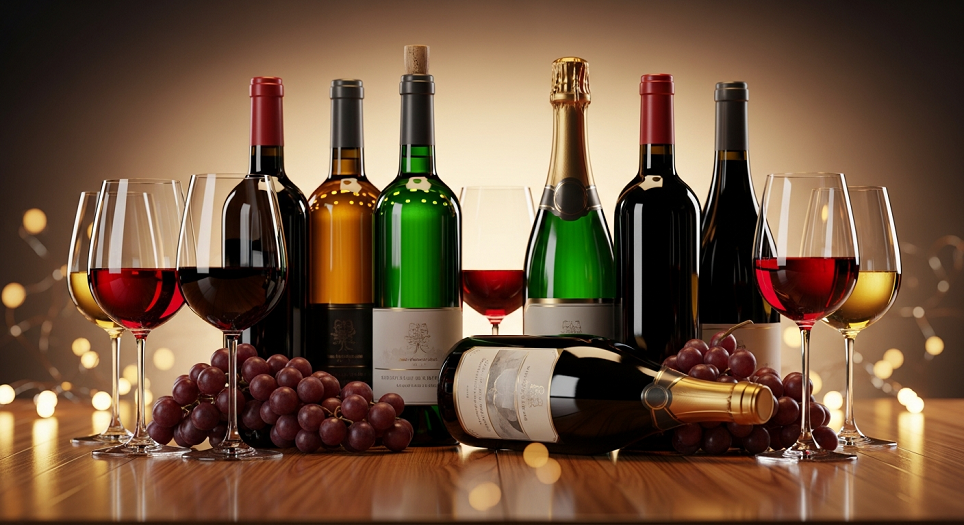
Serving wine for guests is part hospitality, part psychology: the right bottle can set the tone, spark conversation, and make people feel welcome without overwhelming your budget or cellar. Certified sommeliers often keep a short list of versatile, crowd-pleasing bottles on hand so they can match mood, menu, and budget in minutes. This guide synthesizes expert recommendations and practical advice to help you build a small, reliable selection that covers sparkling, white, red, rosé, dessert, and nonalcoholic options for guests.
How to Think About “House” or “Guest” Wines
When choosing wines for visitors, aim for versatility, approachability, and consistency. Look for bottles that pair well with a wide range of foods, show pleasant aromatics on first pour, and offer solid value in terms of quality per dollar. Think in categories — sparkling, a bright white, an easygoing rosé, a medium-bodied red, and an optional dessert or fortified bottle — rather than trying to please every possible palate with a single wine.
With a small but well-chosen set of bottles you can host everything from casual pizza nights to a dinner with multiple courses without scrambling. Keep wines at serving-ready temperatures, decant when helpful, and consider having one or two nonalcoholic options for guests who abstain.
Sommelier-Backed Five-Bottle Framework
Many professionals — including certified sommeliers — recommend keeping five reliable categories on hand. This framework covers most entertaining scenarios and is easy to scale. Below are the categories, the rationale for each, and example bottles to look for when shopping.
1. Sparkling: Welcome & Celebration
Why it matters: Sparkling wine elevates any occasion and suits appetizers, light starters, and toasts. Bubbles cleanse the palate and pair well with salty snacks, fried foods, and shellfish.
What to buy: Prosecco and Cava offer excellent value; look for quality prosecco superiore or a traditional-method Cava. For more festive occasions, a classic Champagne or a well-made California sparkling are smart splurges that many guests will appreciate.
2. Bright White: Crowd-pleasing & Food-friendly
Why it matters: A crisp, aromatic white appeals to many palates and pairs with seafood, salads, spicy foods, and softer cheeses. Whites with lively acidity feel refreshing and are safe bets for mixed groups.
What to buy: Sauvignon Blanc, Vermentino, and Chenin Blanc are reliable choices. Seek bottles with good balance between fruit and acidity; mid-tier producers often deliver the best value for guests.
3. Rosé: Versatile & Approachable
Why it matters: Rosé sits between white and red — chill it lightly and it works with charcuterie, grilled vegetables, and lighter proteins. Its bright fruit and savory notes please both white and red drinkers.
What to buy: Dry rosés from Provence or Catalonia, and some Spanish rosados, are classic; seek freshness and moderate alcohol for easiest crowd appeal.
4. Medium-Bodied Red: Comfortable & Food-Ready
Why it matters: A medium-bodied red offers structure without overpowering guests who prefer lighter styles. It pairs with grilled proteins, pasta, and heartier vegetarian dishes.
What to buy: Think Chianti Classico, Barbera, Grenache/Garnacha, or a lighter-styled Pinot Noir. These wines often show red fruit, moderate tannin, and food-friendly acidity, making them easy to match with many plates.
5. Dessert or Fortified: Endings & Pairings
Why it matters: A thoughtful sweet wine or fortified option — such as tawny port or a late-harvest dessert wine — elevates dessert courses and provides a satisfying finish to the evening.
What to buy: Ruby or tawny port, or a proven late-harvest or botrytized wine from a reputable producer, will round out a guest list without needing rare or expensive bottlings.
Example Bottles a Sommelier Might Keep on Hand
Below are representative examples that balance approachability, quality, and price. These are the types of bottles trained wine professionals often recommend for hosting because they are reliable across cuisines and guest preferences.
- Sparkling: A value Champagne, a good California sparkling, or an Alta Langa/Prosecco superiore — all deliver celebratory freshness with food-friendly structure. These options range from wallet-friendly to special-occasion splurges and can be rotated by event.
- White: Sauvignon Blanc from a clean, fruit-forward region; Vermentino for a Mediterranean, herbaceous profile; Chenin Blanc for body and texture. These grapes offer acidity and aromatics that complement many dishes.
- Rosé: Dry Provence rosé or a well-made Spanish rosado provides crisp fruit, minerality, and low tannin — ideal as an in-between wine for diverse palates.
- Red: A Sangiovese (Chianti/Brunello family), Barbera, or Grenache gives savory red fruit and moderate tannins; Pinot Noir is a more elegant choice for lighter red drinkers.
- Dessert/Fortified: A 10- or 20-year tawny port or a late-harvest botrytized wine covers sweeter finales without demanding an expensive cellar.
Serving Temperatures, Glassware & Immediate Presentation
Small service details change perception dramatically: serve whites and rosés chilled (but not ice-cold), reds slightly below room temperature, and sparklings well chilled. Proper glassware matters — sparkling in flutes or tulips, whites in tulip or white wine stems, and reds in wider bowls to allow aromatics to blossom.
Practical tips:
- Sparkling: Chill to 40–50°F (4–10°C) and open carefully to preserve bubbles and avoid spills.
- White/Rosé: Serve between 45–55°F (7–13°C) to highlight freshness and avoid masking aromatics.
- Red: Lighter reds at 55–60°F (13–16°C), fuller reds at 60–65°F (16–18°C); decant fuller reds briefly to soften tannins.
Keep a small serving station with a couple of spare clean glasses, a decanter, a wine opener, and a bucket for chilling or resting — it makes welcoming guests effortless.
How to Match Wines with Common Guest Menus
Pairing doesn’t need to be intimidating. Below are straightforward matches that work in most home entertaining contexts.
Casual Snacks & Appetizers
Sparkling wine or a crisp Sauvignon Blanc pairs well with salty snacks, fried foods, and shellfish. Rosé also works for citrus-forward or herby appetizers.
Pizza, Pasta & Comfort Food
Medium-bodied reds like Sangiovese, Barbera, or Grenache complement tomato-based dishes and grilled vegetables. For creamy pasta, a richer white like Chardonnay or a textured Chenin Blanc can be excellent.
Grilled Meats & Heartier Dishes
Heftier reds — think a structured Grenache blend or a more robust Sangiovese — match the char and smoke from grilled proteins. If guests prefer lighter fare, serve the red slightly chilled to reduce the impression of warmth and alcohol.
Shopping Smart: Where to Buy and What to Watch For
Look beyond the obvious label and prioritize trusted producers or retailers with good turnover — freshness matters. Warehouse retailers and specialist wine shops frequently offer excellent value, while local wine shops can recommend current releases and regions that match your tastes and budget.
- Seek Value Producers: Many regions produce excellent, low-cost sparkling and still wines that outperform price expectations. Ask shop staff for recent arrivals that are crowd pleasers.
- Check vintage and freshness for whites and rosés: These wines often work best young and fresh; older bottlings may lose their vibrancy.
- Buy a mix of familiar labels and a couple of discoveries: Familiar wines comfort guests; interesting small producers spark conversation.
- Consider availability: For hosting, choose bottles you can easily replace so you’re not left empty when guests arrive unexpectedly.
Five-Item Starter List You Can Buy Today
- Everyday Sparkling: A value CA or Cava sparkling — perfect for welcomes and appetizers.
- Staple White: A zesty Sauvignon Blanc from NZ or a clean Vermentino for broader food pairing options.
- All-occasion Rosé: Dry Provence rosé that’s light, crisp, and widely appealing.
- Go-to Red: Sangiovese or Barbera for tomato dishes and grilled foods, plus a chilled Pinot Noir if you want a softer red.
- Sweet Finish: A tawny port or a late-harvest bottle for dessert pairing.
Pro Tips from Sommeliers
- Always keep nonalcoholic options available. A well-made alcohol-free sparkling or de-alcoholized red/white shows consideration for guests who abstain and keeps them included in the tasting experience.
- Buy a few multipurpose bottles, not dozens of single-use wines. A small, rotating stock of multipurpose wines minimizes waste and keeps your cellar manageable.
- Label a “guest shelf” in your fridge or cellar. Having a dedicated space with ready-to-serve bottles removes pressure when guests announce last-minute visits.
- Practice simple decanting for reds. Even an inexpensive decant can open a wine’s aromatics and smooth tannins — pour into a decanter 20–30 minutes before guests arrive for best results.
- Keep a notebook of guest favorites. Track which wines your friends liked; repeat buys build confidence and save decision time for future gatherings.
Frequently Asked Questions
How many bottles should I keep on hand for casual entertaining?
For small gatherings of 4–6 people, keeping 4–6 bottles covering the five-category framework is more than sufficient. For larger, rotating guests, increase quantities but focus on multiples of your most versatile wines (sparkling, white, medium red).
Do I need to decant every red wine?
No — decanting is most useful for younger, tannic reds to soften edges, or for older wines to separate sediment. Many medium-bodied reds are drinkable immediately and don’t require decanting.
What’s the simplest way to include sober guests?
Offer high-quality nonalcoholic wines or craft mocktails. Keep chilled alcohol-free sparkling and a nonalcoholic red or white so everyone feels included during toasts or pairings.
How much should I spend per bottle for guests?
There’s no single answer, but many sommeliers suggest a comfortable range between modest value bottles and one special splurge. Spending wisely — prioritizing value and provenance over price alone — yields the best hospitality returns.
Conclusion
Hosting with wine is less about complexity and more about preparation: a small, carefully chosen selection of bottles that covers sparkling, white, rosé, red, and dessert will allow you to respond gracefully to most menus and guest preferences. Keep versatile, food-friendly wines at the ready, mind serving temperatures and glassware, and include a sober option so all guests are welcomed. Over time, you’ll refine a personal rotation of favorites that balance quality, price, and approachability — and you’ll do it without stress when the doorbell rings.

Loading comments…