

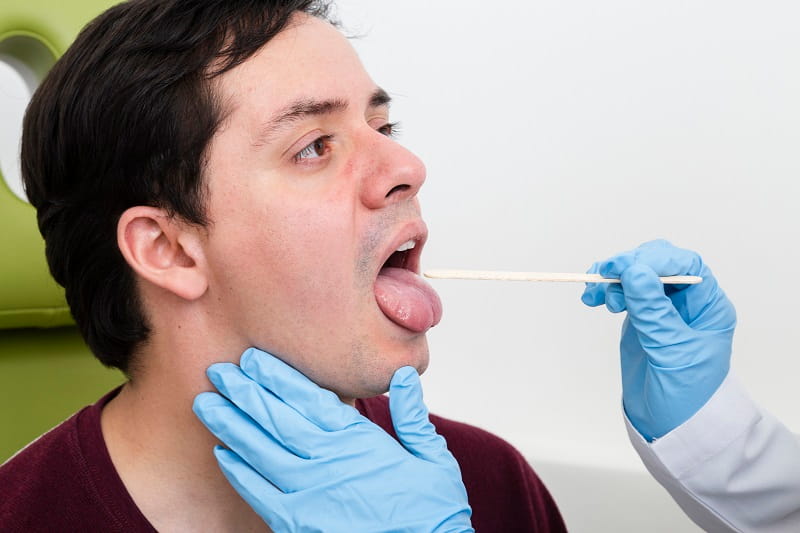
Canker sores (aphthous ulcers) are small, shallow lesions that develop on the soft tissues inside your mouth or at the base of your gums. Unlike cold sores, canker sores are not contagious, but they can be extremely painful and make eating, drinking, and even talking uncomfortable. In 2026, millions of people continue to search for effective ways to prevent, treat, and heal these irritating mouth ulcers. This guide provides a detailed, up-to-date overview of the causes, symptoms, and best treatments for canker sores, backed by the latest medical research and expert recommendations.
What Are Canker Sores?
Canker sores are small, round or oval ulcers that appear inside the mouth—on the inner cheeks, lips, tongue, or gums. They typically have a white or yellow center with a red border and can occur singly or in clusters. While they are not serious, they can be very bothersome, especially when they recur frequently.
According to medical experts, canker sores are classified into three types:
- Minor canker sores: The most common type, these are small (2–5 mm), heal within 1–2 weeks, and leave no scars.
- Major canker sores: Larger and deeper, these can take up to six weeks to heal and may leave a scar.
- Herpetiform canker sores: These are tiny, pinpoint-sized ulcers that occur in clusters and often affect adults.
What Causes Canker Sores?
The exact cause of canker sores remains unclear, but several factors are known to trigger or worsen them:
- Minor mouth injuries: Accidental bites, aggressive brushing, or dental work can irritate the delicate tissues inside the mouth, leading to sores.
- Food sensitivities: Acidic or spicy foods, such as citrus fruits, tomatoes, and hot sauces, can provoke canker sores in some individuals.
- Nutritional deficiencies: A lack of essential vitamins and minerals, particularly vitamin B12, iron, folate, and zinc, has been linked to recurrent canker sores.
- Stress and hormonal changes: Emotional stress, lack of sleep, and hormonal fluctuations (such as those during menstruation) can increase the risk of outbreaks.
- Certain toothpastes and mouthwashes: Products containing sodium lauryl sulfate (SLS) may irritate the mouth and trigger sores in sensitive individuals.
- Underlying health conditions: Conditions like celiac disease, inflammatory bowel disease (IBD), and autoimmune disorders can make some people more prone to canker sores.
- Genetics: A family history of canker sores may increase your likelihood of developing them.
Symptoms of Canker Sores
Canker sores are usually easy to identify. Common symptoms include:
- A painful, round or oval sore inside the mouth, often with a white or yellow center and a red border.
- A tingling or burning sensation before the sore appears.
- Pain that worsens when eating, drinking, or brushing teeth.
- Swollen lymph nodes in severe cases.
Unlike cold sores, canker sores do not appear on the lips or outside the mouth, and they are not caused by the herpes virus.
How to Treat Canker Sores: Fast Relief and Healing
Most canker sores heal on their own within one to two weeks. However, several treatments can help relieve pain and speed up the healing process:
Over-the-Counter (OTC) Treatments
- Topical anesthetics: Gels or creams containing benzocaine (e.g., Anbesol, Orajel) can numb the area and provide temporary pain relief.
- Antiseptic mouthwashes: Rinsing with a mild antiseptic solution can help reduce irritation and prevent infection.
- Hydrogen peroxide rinses: Diluted hydrogen peroxide can cleanse the sore and promote healing.
- Canker sore patches: Adhesive patches can protect the sore from further irritation and reduce discomfort.
Home Remedies
- Saltwater rinse: Gargling with warm salt water several times a day can help reduce inflammation and pain.
- Baking soda paste: Applying a paste made of baking soda and water directly to the sore can neutralize acids and soothe irritation.
- Honey: Raw honey has natural antibacterial properties and can help speed up healing when applied to the sore.
- Aloe vera gel: Known for its soothing properties, aloe vera can be applied directly to the sore to reduce pain and inflammation.
- Coconut oil: Its antimicrobial properties may help reduce the risk of infection and promote healing.
When to See a Doctor
While most canker sores are harmless and resolve on their own, you should consult a healthcare provider if you experience any of the following:
- Sores that are unusually large or last longer than two weeks.
- Frequent or severe outbreaks (more than two or three times a year).
- Sores accompanied by fever, diarrhea, or a rash.
- Difficulty drinking fluids or eating due to pain.
In some cases, canker sores may be a sign of an underlying health issue, such as a vitamin deficiency, autoimmune disease, or gastrointestinal disorder. A doctor can perform tests to rule out these conditions and recommend appropriate treatment.
Preventing Canker Sores
While there is no guaranteed way to prevent canker sores, the following strategies can help reduce their frequency and severity:
- Avoid trigger foods: If certain foods seem to cause outbreaks, try eliminating them from your diet.
- Use a soft-bristled toothbrush: This can help prevent irritation to the delicate tissues inside your mouth.
- Maintain good oral hygiene: Regular brushing and flossing can reduce the risk of mouth injuries and infections.
- Manage stress: Practices like meditation, yoga, and deep breathing can help lower stress levels and reduce the likelihood of outbreaks.
- Stay hydrated: Drinking plenty of water keeps your mouth moist and helps prevent irritation.
- Consider supplements: If you have recurrent canker sores, talk to your doctor about whether vitamin or mineral supplements (such as B12, iron, or zinc) might help.
Pro Tips for Managing Canker Sores
- Apply treatments early: The sooner you start treating a canker sore, the faster it is likely to heal. At the first sign of tingling or discomfort, apply a topical treatment or rinse with salt water.
- Avoid acidic and spicy foods: These can aggravate the sore and slow down the healing process.
- Use a straw: If drinking causes pain, using a straw can help bypass the sore and reduce discomfort.
- Try a humidifier: Dry air can irritate the mouth, so using a humidifier at night may help prevent outbreaks.
- Check your toothpaste: Switch to an SLS-free toothpaste if you suspect your current brand is causing irritation.
Frequently Asked Questions About Canker Sores
Are canker sores contagious?
No, canker sores are not contagious. They are not caused by a virus or bacteria, so you cannot spread them to others through kissing, sharing utensils, or other forms of contact.
How long do canker sores last?
Most canker sores heal within one to two weeks. Major canker sores may take up to six weeks to fully heal.
Can canker sores be a sign of a more serious condition?
In rare cases, frequent or severe canker sores may be linked to underlying health issues, such as vitamin deficiencies, autoimmune diseases, or gastrointestinal disorders. If you experience persistent or unusually painful sores, consult a healthcare provider.
What is the difference between canker sores and cold sores?
Canker sores appear inside the mouth and are not contagious, while cold sores (fever blisters) are caused by the herpes simplex virus and typically appear on or around the lips. Cold sores are contagious, while canker sores are not.
Can stress cause canker sores?
Yes, emotional stress and lack of sleep are common triggers for canker sores. Managing stress through relaxation techniques may help reduce outbreaks.
Conclusion
Canker sores are a common and often painful condition, but they are usually harmless and can be managed effectively with the right treatments and preventive measures. By understanding the causes, recognizing the symptoms, and using proven remedies, you can reduce discomfort and speed up healing. If you experience frequent or severe outbreaks, consult a healthcare provider to rule out underlying health issues and explore additional treatment options.
