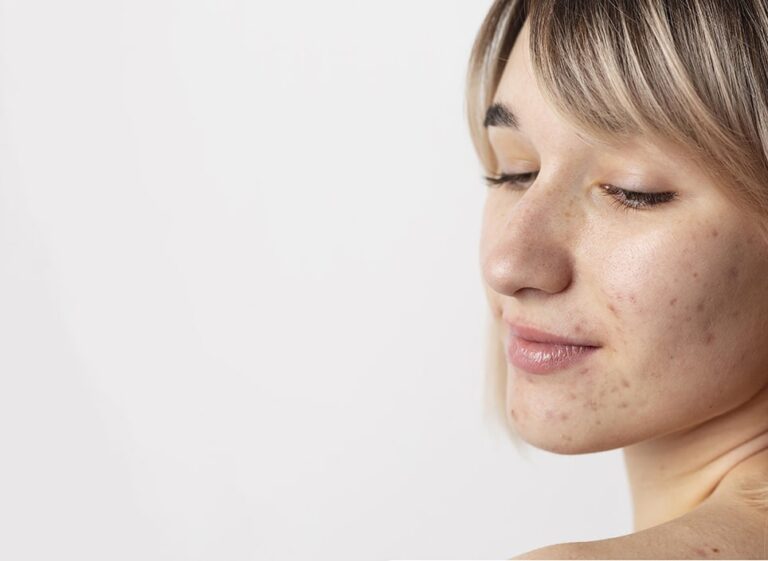
Raised skin bumps can appear anywhere on your body and are often harmless, but they can also signal underlying health issues. This guide covers the most common causes—from acne and allergies to infections and skin cancer—along with symptoms, visual references, and expert advice on when to seek medical attention.
Introduction: Why Do Raised Skin Bumps Appear?
Raised skin bumps are a common concern, affecting people of all ages. They can be caused by a wide range of factors, including infections, allergic reactions, chronic skin conditions, and even cancer. While most bumps are benign, some require prompt medical evaluation. This guide will help you identify the type of bump you have, understand its causes, and know when to consult a healthcare provider.
Common Causes of Raised Skin Bumps
1. Acne and Acne-Related Bumps
Acne is one of the most common causes of raised skin bumps, especially in adolescents and young adults. It occurs when hair follicles become clogged with oil and dead skin cells, leading to whiteheads, blackheads, pimples, or cysts.
- Whiteheads and Blackheads: Non-inflammatory acne lesions caused by clogged pores. Whiteheads are closed, while blackheads are open and oxidized.
- Pustules: Red, inflamed bumps filled with pus, often painful to the touch.
- Nodules and Cysts: Deep, painful lumps that can cause scarring if not treated properly.
Symptoms: Redness, swelling, tenderness, and sometimes pus.
When to See a Doctor: If acne is severe, painful, or leaves scars, consult a dermatologist for prescription treatments like retinoids or antibiotics.
2. Allergic Reactions (Hives and Contact Dermatitis)
Allergies can cause raised, itchy bumps known as hives (urticaria) or contact dermatitis. These reactions occur when the immune system overreacts to allergens like foods, medications, or skincare products.
- Hives: Red, itchy welts that appear suddenly and can vary in size. They often resolve within 24 hours but can recur.
- Contact Dermatitis: A localized rash caused by direct contact with an irritant, such as poison ivy, nickel, or fragrances.
Symptoms: Itching, redness, swelling, and sometimes blistering.
When to See a Doctor: Seek immediate medical attention if you experience difficulty breathing, swelling of the face or throat, or dizziness, as these may indicate anaphylaxis.
3. Infections (Bacterial, Viral, and Fungal)
Infections are a leading cause of raised skin bumps. Bacterial infections like folliculitis or boils, viral infections like molluscum contagiosum or warts, and fungal infections like ringworm can all result in bumps.
- Folliculitis: Inflammation of hair follicles, often caused by bacteria or fungi. It appears as small, red, pus-filled bumps.
- Molluscum Contagiosum: A viral infection causing small, flesh-colored bumps with a central dimple, common in children.
- Warts: Rough, skin-colored growths caused by the human papillomavirus (HPV).
Symptoms: Redness, pus, itching, and sometimes pain.
When to See a Doctor: If bumps are spreading, painful, or accompanied by fever, consult a healthcare provider for antiviral, antibiotic, or antifungal treatments.
4. Chronic Skin Conditions (Eczema, Psoriasis, Keratosis Pilaris)
Chronic skin conditions can cause persistent raised bumps. Eczema and psoriasis are autoimmune-related, while keratosis pilaris is due to keratin buildup.
- Eczema: Red, itchy patches that can become raised and scaly, often triggered by allergens or stress.
- Psoriasis: Thick, silvery scales and red patches caused by rapid skin cell turnover.
- Keratosis Pilaris: Small, rough bumps on the arms, thighs, or cheeks, often described as “chicken skin.”
Symptoms: Dryness, itching, redness, and sometimes bleeding.
When to See a Doctor: If over-the-counter treatments fail or symptoms worsen, a dermatologist can prescribe topical steroids or other therapies.
5. Skin Growths (Lipomas, Cysts, Skin Tags)
Benign skin growths like lipomas, cysts, and skin tags are common and usually harmless. However, they can be unsightly or uncomfortable.
- Lipomas: Soft, movable lumps under the skin, composed of fat cells.
- Cysts: Fluid-filled sacs that can become inflamed or infected.
- Skin Tags: Small, flesh-colored growths that often appear in skin folds.
Symptoms: Usually painless, but cysts may become tender if infected.
When to See a Doctor: If growths are painful, rapidly growing, or cosmetically bothersome, a doctor can remove them surgically or with laser therapy.
6. Skin Cancer (Basal Cell Carcinoma, Squamous Cell Carcinoma, Melanoma)
Skin cancer can present as raised bumps, especially basal cell carcinoma (pearly or waxy) and squamous cell carcinoma (red, scaly). Melanoma may appear as a dark, irregular mole.
- Basal Cell Carcinoma: Pearly or waxy bumps, often on sun-exposed areas.
- Squamous Cell Carcinoma: Red, scaly patches or open sores that don’t heal.
- Melanoma: Asymmetrical, multi-colored moles with irregular borders.
Symptoms: Changes in size, shape, or color of existing moles or new growths.
When to See a Doctor: Any suspicious bump or mole should be evaluated immediately by a dermatologist for biopsy and treatment.
Pro Tips for Managing Raised Skin Bumps
- Keep Skin Clean: Use gentle cleansers and avoid harsh scrubs to prevent irritation.
- Moisturize Regularly: Dry skin can worsen conditions like keratosis pilaris and eczema.
- Avoid Picking or Scratching: This can lead to infection or scarring.
- Use Sunscreen: Protects against sun damage and reduces the risk of skin cancer.
- Monitor Changes: Track the size, color, and texture of bumps and consult a doctor if they change.
Frequently Asked Questions
What causes raised skin bumps?
Raised skin bumps can be caused by infections, allergies, chronic skin conditions, benign growths, or skin cancer. The exact cause depends on the appearance, location, and accompanying symptoms.
Are raised skin bumps contagious?
Some bumps, like those caused by molluscum contagiosum or warts, are contagious. Others, like acne or cysts, are not. Always practice good hygiene and avoid sharing personal items if you suspect a contagious condition.
When should I see a doctor for a raised skin bump?
Consult a doctor if the bump is painful, growing rapidly, bleeding, or accompanied by other symptoms like fever. Early evaluation is crucial for conditions like skin cancer or severe infections.
Can raised skin bumps be prevented?
While not all bumps can be prevented, you can reduce your risk by keeping skin clean, avoiding known allergens, using sunscreen, and managing chronic conditions with a dermatologist’s guidance.
Conclusion
Raised skin bumps are a common issue with a wide range of causes, from harmless acne to serious conditions like skin cancer. By understanding the symptoms, visual characteristics, and appropriate treatments, you can take informed steps to manage your skin health. Always consult a healthcare provider for persistent, painful, or suspicious bumps to ensure proper diagnosis and treatment.