

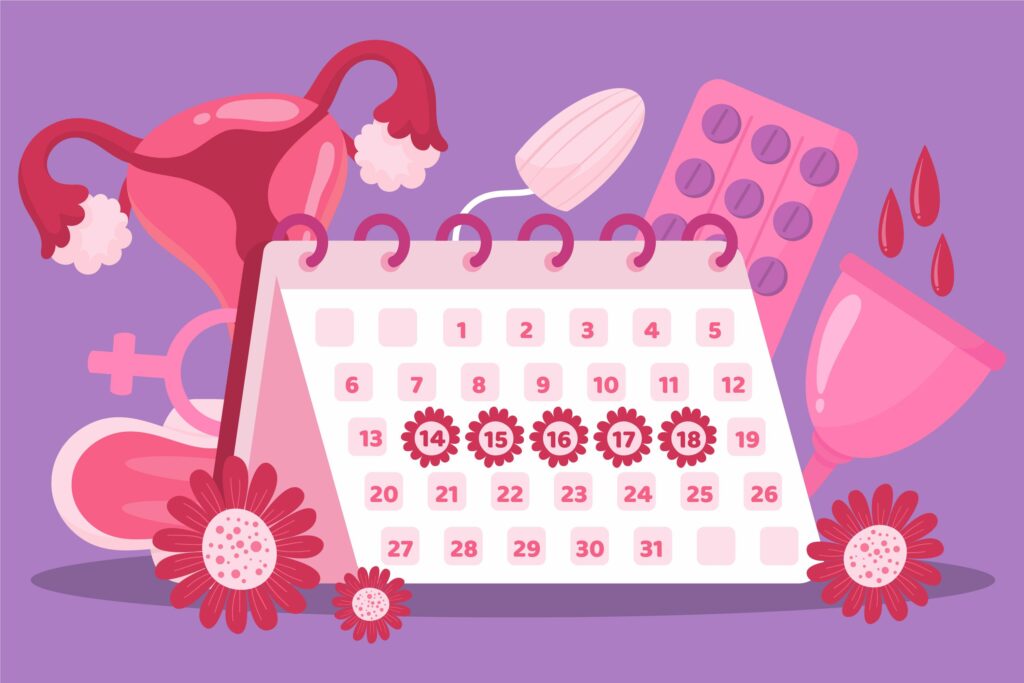
Understanding Why Period Cramps Happen
Before diving into remedies, it helps to know what’s actually going on. The medical term for painful periods is dysmenorrhea. During menstruation the uterine lining sheds, and the uterus contracts to expel that tissue. These contractions are driven largely by compounds called prostaglandins, which narrow blood vessels and trigger pain-sensing nerves. One trusted source explains that stronger uterine contractions and reduced blood flow can lead to the intense cramping many people experience.
In short: higher prostaglandin levels → stronger contractions → more pain. Recognizing this mechanism helps make sense of why certain remedies work (and others don’t).
Typical symptoms and when to seek help
Menstrual cramps often feel like lower-abdominal or pelvic pain, sometimes radiating into the lower back or thighs. They tend to be worst during the first one to two days of your period and gradually ease. Most are considered normal — but if the pain consistently disrupts daily life, or comes with very heavy bleeding, fainting, fever or suspected underlying conditions (like endometriosis or fibroids), it’s wise to consult a healthcare provider.
Natural Home Remedies that Research Supports
Below are evidence-based strategies to relieve cramps naturally. They’re not necessarily a substitute for medical care when needed, but many people find meaningful relief with them.
1. Heat Therapy
Applying heat to your lower abdomen or lower back is simple, accessible and well-supported.
- How to apply: Use a heating pad, hot water bottle or warm bath. Place the heat on the lower abdomen or back where you feel cramping.
- Why it works: Heat helps relax uterine muscle contractions, increases blood flow, and may flush out some of the prostaglandins causing cramps.
- Research note: Some clinical trials show heat applied early in the menstrual period can be as effective as over-the-counter pain medication for mild to moderate cramps.
2. Physical Activity & Gentle Movement
It may be the last thing you feel like doing when cramping, but light movement can pay off.
- Recommended activities: Short walks, gentle stretching, light yoga poses (focusing on hips and lower back) or simply moving around instead of staying sedentary for hours.
- Why it helps: Exercise boosts natural pain-relieving endorphins and improves circulation. It may also reduce prostaglandin levels indirectly via improved circulation and muscle tone.
- Evidence: Reviews indicate that women who maintain regular physical activity tend to report less intense menstrual pain. One major health-site overview lists movement as one of the core non-drug strategies for cramps.
3. Dietary & Nutritional Adjustments
Your diet plays a meaningful role in how your body responds to menstrual cramping. These adjustments can be practical and cumulative.
- Anti-inflammatory foods: Eating more fatty fish (salmon, mackerel), flaxseeds or chia seeds, dark leafy greens (spinach/Swiss chard) and colorful berries may help by reducing inflammation. Some hospitals and research centres now list “anti-inflammatory diet for period pain” as a helpful adjunct.
- Key nutrients: Vitamins and minerals that show potential benefit include:
- Vitamin D – may reduce prostaglandin production and ease cramping.
- Omega-3 fatty acids – have anti-inflammatory effects and some studies link them to reduced menstrual pain.
- Vitamin E – trials suggest it may shorten duration/severity of cramps.
- Magnesium – helps relax uterine muscles and may reduce prostaglandin influence.
- Vitamin B1 (thiamin) – limited data supports benefit in dysmenorrhea.
- Foods to limit: Processed foods, high-fat animal products, excessive caffeine and alcohol may worsen cramps indirectly (via inflammation, constricted blood flow or hormonal shifts). One university health article recommends reducing processed-food intake as a potential preventive step.
4. Herbal & Botanical Methods
Herbs and botanicals are widely used and some appear promising — though many still require larger, higher-quality studies. Use them as complements, not stand-alone solutions, and always check with your healthcare provider if you take medications.
- Ginger: Meta-analysis shows ginger supplements (e.g., 750-2000 mg/day) significantly reduced pain intensity compared with placebo for primary dysmenorrhea.
- Cinnamon, fennel: Trials show cinnamon shortened pain duration; fennel reduced pain intensity versus placebo.
- Chamomile tea: Anti-inflammatory and antispasmodic properties make it a gentle option for both cramps and low-level PMS mood symptoms.
- Turmeric/Boswellia/Sesame combination: A randomized controlled trial found that specific blend significantly relieved menstrual pain compared to placebo (though sample size was modest and more research still needed).
- Precautions: Herbs may interact with medications, affect bleeding/coagulation, or vary in quality. Always consult your provider before starting new herbal regimens.
5. Massage, Acupressure & Mind-Body Techniques
These practices are often overlooked but can help by promoting circulation, relaxing muscles and reducing pain-signal amplification in the nervous system.
- Abdominal/lower-back massage: Gentle circular strokes or using a warming lotion can ease muscle tension and improve blood flow in the pelvic area.
- Essential-oil supports: Oils such as lavender, rose, ginger and peppermint have been used alongside carriers in small studies to reduce cramp pain when massaged onto the abdomen.
- Acupressure / acupuncture: While not fully proven, reviews indicate that applying pressure to specific points (or using TENS/needle-based methods) may offer additional relief in some cases.
- Mind-body connection: Techniques such as deep-breathing, meditation or gentle restorative yoga can reduce the nervous system’s sensitivity to pain and lower stress, which in turn reduces perceived cramp severity.
Putting It All Together: A Step-by-Step Weekly & Cycle Plan
For best effect, combining several of the strategies above into a consistent plan can yield better results over time. Here’s a practical approach you can follow across your menstrual cycle:
Step 1: Pre-Period Preparation (1–2 Weeks Before)
– Increase consumption of anti-inflammatory foods (fish, flaxseeds, dark greens, berries).
– Ensure you’re getting enough vitamin D, magnesium and B1 from diet or supplements (only with healthcare guidance).
– Begin gentle exercise rhythm: 20-30 minutes of walking, yoga or stretching 3-4 times per week.
– Reduce intake of processed foods, caffeine and alcohol.
– Consider integrating herbs such as ginger or cinnamon (e.g., ginger tea or capsules) if you’ve tolerated them previously.
Step 2: As Period Begins
– At the first sign of cramps, apply heat to your lower abdomen or back and maintain it for 15-30 minutes, repeating as needed.
– Engage in gentle movement or stretching rather than staying still.
– Use abdominal or lower-back massage with a mild warming lotion or essential oil blend (safe for your skin type).
– Drink plenty of fluid and focus on high-fiber, light, nourishing meals.
– If you use herbal supplements (e.g., ginger capsules), have them ready at the onset of cramping (as trials often did).
Step 3: During the Cramp Peak (Days 1–2)
– Continue heat therapy morning and evening.
– Short gentle workouts (e.g., 10-15 min walk or stretch) to keep circulation moving.
– Regularly hydrate and snack on nuts/seeds (which provide magnesium and healthy fats).
– Apply belly/back massage twice daily, optionally integrating calming essential oils (e.g., lavender + peppermint).
– Keep a simple journal of pain level, what you tried and what seemed to help — this helps you fine-tune your personalized routine.
– If herbs help and you tolerate them, continue them; if you are using supplements (vitamin E, magnesium etc) and have healthcare oversight, maintain them.
Step 4: Post-Period Recovery & Review (Days 3–7)
– Light cardio or yoga to ease back into full activity.
– Evaluate how you felt: Did pain reduce? Did any method stand out?
– Adjust your diet and supplement plan accordingly for the next cycle.
– Ensure your sleep and stress-management routines (deep breathing, meditation, limited screen time) are solid, as stress can worsen cramps next time.
– Consider sharing your findings with your healthcare provider — may guide further options if pain persists.
What Science Says: Effectiveness, Limitations & Realistic Expectations
While many natural methods show promise, it’s important to keep expectations realistic and understand limitations.
Effectiveness in Research
- Herbal meta-analysis: For instance, a review found cinnamon/fennel/ginger significantly reduced pain intensity in nine randomized controlled trials involving ~647 women, and cinnamon shortened pain duration. This suggests herbal options can play a helpful role.
- Supplement benefits: There is evidence that vitamin B1, magnesium, omega-3 fatty acids and vitamin E may reduce menstrual cramp severity, though dosages and regimes often vary and some findings are preliminary.
- Heat & exercise: These have consistent support across multiple trusted medical sources (including the Mayo Clinic), with heat therapy sometimes performing similarly to over-the-counter pain medications for mild–moderate cases.
Important Limitations
- Many studies are small-scale, short-term or use a specific botanical blend that isn’t readily standardized in stores.
- Herbs and supplements are not regulated as strictly as pharmaceuticals; potency, purity and safety may vary.
- Natural remedies may reduce, but not eliminate, pain — especially if you have underlying conditions (e.g., endometriosis, fibroids) that require medical treatment.
- What works well for one person may not work the same for another; personal experimentation (with guidance) is often needed.
Safety & When to See a Healthcare Provider
It’s essential to approach natural methods thoughtfully and safely.
- Consult your doctor if: you experience extremely heavy bleeding, pain that interrupts daily life, fainting, irregular cycles, or suspect fibroids/endometriosis. These symptoms may signal something that needs medical evaluation rather than only home treatment.
- Check for interactions before beginning herbs or supplements: For example, ginger can act as a blood thinner; magnesium supplements may affect kidney function; high-dose vitamin E may interfere with other medications.
- Be cautious of over-reliance — assuming “natural always means safe” is a myth. Even well-researched herbs can have side-effects or be contraindicated.
- Use heat wisely — avoid burn risk, limit to ~20-30 minutes at a time, ensure you’re comfortable and not overheated.
- Start gently — especially with supplements or foods. For example, if you’ve never used ginger capsules before, begin with a low dose and monitor your response over a cycle or two.
Red flags that demand evaluation
If you experience any of the following, don’t simply rely on natural remedies — see your healthcare provider:
- Sudden onset of very severe pain not typical for you.
- Bleeding soaking through a pad or tampon every hour for multiple hours.
- Symptoms like fever, vomiting, fainting or suspected pelvic infection.
- Known conditions like endometriosis or fibroids where pain has changed in nature or intensity.
Customizing Your Approach: Personalization Matters
Because individual variation is so high, the most successful strategy is one that you tailor to your body, preferences and lifestyle.
- Track your cycle and pain patterns for a few months — note when you feel cramps, how severe they are, what you did and how effective it was.
- Combine methods rather than relying on just one. For example, heat + gentle walk + ginger tea + high-omega-3 snack may yield better results than any single step alone.
- Iterate each cycle — review what worked, what didn’t, and adjust. Maybe ginger worked better than cinnamon for you, or stretching helped more than walking.
- Set realistic expectations — aim to reduce pain some; if you get through your day with less interruption, that’s a win. Full elimination of pain may not be viable in all cases, especially if underlying conditions are present.
- Stay consistent — antibiotic-style “fixes” rarely work. The cumulative effect of diet, movement, good sleep, stress reduction and natural supports builds over months.
Case Example (Hypothetical) to Illustrate Integration
Meet “Sarah,” who for years experienced moderate cramps (pain score ~6/10) in the first day of her period and needed to use NSAIDs daily for 12-24 hours. She decided to adopt a natural relief plan.
Her approach over two cycles looked like this:
- One week before period: started eating two servings fatty fish, daily smoothie with berries + spinach + flaxseeds, and tried ginger tea each evening.
- On day one of period: immediately used a heating pad for 25 minutes, then did a 10-minute gentle yoga sequence, massaged lower abdomen with a drop of chamomile oil in carrier oil, and had a handful of almonds for vitamin E and magnesium.
- Cycle review: she found pain reduced to ~4/10, required NSAID only for ~6 hours instead of 24, and experienced less fatigue and bloating.
While this is a fictional example, it reflects how you can blend multiple natural strategies into an integrated plan — and track progress systematically.
Summary of Key Actions You Can Take Right Now
- Apply heat early and consistently at the onset of cramps.
- Engage in gentle movement even when you’d rather rest — walking or stretching helps.
- Boost your diet: choose anti-inflammatory foods; aim for key nutrients (vitamin D, omega-3, magnesium, vitamin E, B1) via diet or under guidance via supplements.
- Incorporate herbs like ginger, cinnamon or fennel if you’re comfortable and have no contraindications.
- Use massage, essential oils or acupressure techniques to support muscle relaxation and circulation.
- Track your pain, what you do, and adjust each cycle for improvement.
- Remember: if your cramps interfere significantly with your life, they may be signaling something more serious — don’t delay professional evaluation.
Conclusion
Relieving menstrual cramps and period pain naturally is absolutely feasible — and backed by growing research. By combining simple, accessible methods like heat therapy, gentle movement, diet adjustments, targeted nutrients, herbal supports and self-massage or acupressure, you can substantially reduce discomfort and improve your quality of life during your cycle. That said, natural strategies aren’t magical cures. If your pain is persistent, worsening or accompanied by other concerning symptoms, professional medical advice is essential. With consistent effort and personalization, you can build your own effective relief toolkit and reclaim more comfort in your monthly rhythm.
