

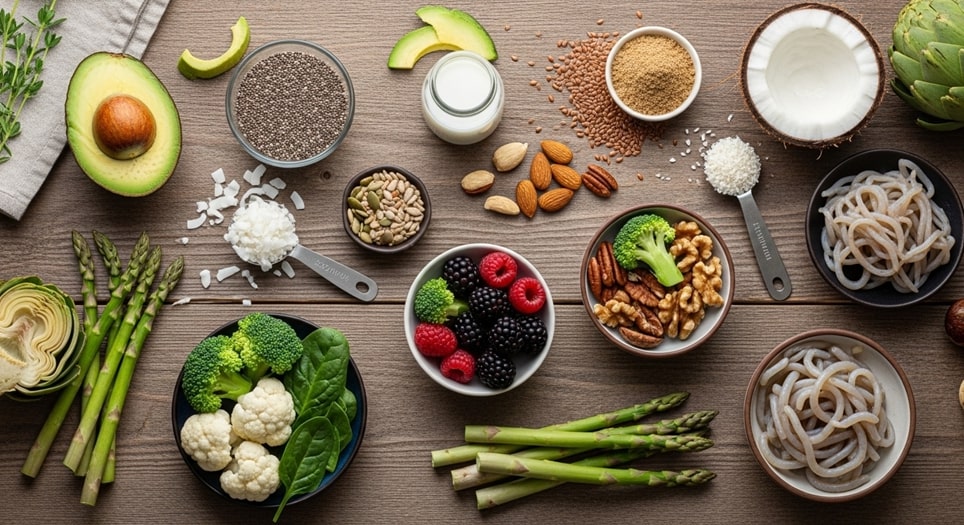
For decades, dietary fiber has been recognized as a crucial component of a healthy diet, but recent scientific advancements and shifting dietary guidelines have significantly elevated its status from a simple digestive aid to a foundational element of disease prevention and overall wellness. Once relegated to discussions about regularity, fiber is now understood to play a pivotal role in fueling a healthy gut microbiome, regulating blood sugar, managing weight, and protecting against cardiovascular disease. This comprehensive guide moves beyond a simple list to provide a detailed, evidence-based roadmap for understanding different fiber types, their specific health benefits, and how to strategically incorporate a diverse range of high-fiber foods into your daily eating pattern for lasting health. The journey to optimal health is not about restriction but about addition, and integrating these powerful foods is one of the most effective nutritional strategies available.
Demystifying Dietary Fiber: Soluble vs. Insoluble
Understanding the two main types of dietary fiber is the first step to harnessing their power. Each type functions differently within the body, offering unique health benefits, and most plant-based foods contain a mixture of both.
Soluble Fiber: The Internal Regulator
Soluble fiber dissolves in water to form a gel-like substance in the digestive tract. This gel acts as a powerful moderator for several bodily processes. Its primary functions include slowing the absorption of sugar into the bloodstream, which helps manage blood glucose levels, and binding to dietary cholesterol in the intestine to help remove it from the body. Furthermore, soluble fiber serves as a prebiotic, providing essential nourishment for the beneficial bacteria in your gut microbiome.
- Key Functions: Slows digestion, regulates blood sugar and cholesterol, feeds gut bacteria.
- Primary Food Sources: Oats, barley, legumes (lentils, beans), nuts, seeds (chia, flax), apples, citrus fruits, and carrots.
- Health Impact: Consistent intake is strongly linked to a reduced risk of type 2 diabetes and heart disease, thanks to its regulatory effects on glucose and lipids.
Insoluble Fiber: The Digestive Bulking Agent
Insoluble fiber does not dissolve in water. Instead, it adds bulk to stool and accelerates the passage of food and waste through the digestive system. Think of it as the internal broom that keeps everything moving smoothly and efficiently. By promoting regularity and preventing constipation, it helps maintain a healthy digestive tract. It also provides a feeling of fullness, which can aid in weight management by naturally reducing overall calorie intake.
- Key Functions: Adds bulk to stool, promotes regularity, prevents constipation, aids satiety.
- Primary Food Sources: Whole wheat flour, wheat bran, brown rice, cauliflower, potatoes, green beans, and the skins of many fruits and vegetables like cucumbers and tomatoes.
- Health Impact: Essential for preventing digestive disorders like diverticulitis and hemorrhoids, and is a cornerstone of a diet aimed at maintaining a healthy digestive system.
Beyond Digestion: The Wide-Ranging Health Benefits of a High-Fiber Diet
The benefits of a fiber-rich diet extend far beyond the digestive system, impacting nearly every aspect of metabolic and long-term health. Current nutritional science positions adequate fiber intake as one of the most important modifiable factors for chronic disease prevention.
Cardiovascular and Metabolic Health
Cardiovascular disease remains a leading global health concern, and dietary fiber is a proven ally in its prevention. Soluble fiber’s ability to bind with bile acids (which are made from cholesterol) in the intestine is a key mechanism. This binding process forces the liver to use circulating cholesterol to produce more bile, thereby lowering overall levels of LDL (the “bad”) cholesterol in the blood. Furthermore, the anti-inflammatory properties fostered by a healthy, fiber-fed gut microbiome contribute to better arterial health. For metabolic health, the gel formed by soluble fiber creates a physical barrier that slows the digestion and absorption of carbohydrates. This results in a more gradual rise in blood sugar and insulin levels after a meal, which is crucial for managing insulin resistance and reducing the risk of developing type 2 diabetes.
Weight Management and Satiety
In the context of weight management, high-fiber foods are exceptionally effective tools. They generally require more chewing, which slows down eating and allows satiety signals to reach the brain. More importantly, fiber-rich foods, especially those high in soluble fiber and resistant starch, increase the production of gut hormones that promote feelings of fullness and satisfaction. They also tend to be less “energy dense,” meaning they provide fewer calories for the same volume of food compared to processed, low-fiber options. This combination of increased satiety and lower caloric density makes it easier to maintain a healthy weight without feeling deprived.
Gut Microbiome and Disease Prevention
The human gut microbiome, a complex community of trillions of bacteria, has emerged as a critical regulator of overall health. Dietary fiber, particularly prebiotic fibers, is the primary fuel for these beneficial bacteria. When these microbes ferment fiber, they produce short-chain fatty acids (SCFAs) like butyrate, acetate, and propionate. These SCFAs have profound anti-inflammatory effects, strengthen the gut barrier, and may even influence immune function and brain health. A robust and diverse microbiome, supported by adequate fiber, is associated with a lower risk of conditions ranging from inflammatory bowel disease (IBD) and colorectal cancer to allergies, obesity, and possibly even neurological conditions. The link between fiber, a healthy gut, and systemic inflammation is a cornerstone of modern preventive nutrition.
The Ultimate High-Fiber Food Compendium: From Common to Superstar
Building a fiber-rich diet is about variety and consistency. This detailed list organizes foods by category, providing fiber content, standout nutrients, and practical consumption tips to help you make informed choices.
Legumes and Pulses: The Fiber Powerhouses
Legumes are undisputed champions of the fiber world, offering some of the highest concentrations per serving. They are also excellent sources of plant-based protein, iron, and folate.
- Lentils (1 cup cooked, ~15-16g fiber): Versatile and quick-cooking, lentils are perfect for soups, stews, salads, and veggie burgers. They come in green, brown, red, and black varieties, each with a slightly different texture.
- Chickpeas (1 cup cooked, ~12-13g fiber): Beyond hummus, roasted chickpeas make a crunchy snack, and they are excellent in salads, curries, and grain bowls. They are also rich in manganese and folate.
- Black Beans (1 cup cooked, ~15g fiber): A staple in Latin American cuisine, black beans are packed with antioxidants, particularly anthocyanins (also found in blueberries). Use them in burritos, soups, or as a base for veggie patties.
- Split Peas (1 cup cooked, ~16g fiber): Most famously used in soup, yellow or green split peas are a fantastic source of fiber and plant-based protein. They break down when cooked, creating a naturally thick, creamy texture.
Whole Grains: The Foundational Fiber
Choosing whole grains over refined grains is one of the simplest dietary upgrades for fiber intake. The entire grain kernel—bran, germ, and endosperm—remains intact, preserving all its natural fiber and nutrients.
- Pearled Barley (1 cup cooked, ~6g fiber): With a chewy texture and nutty flavor, barley is superb in soups, stews, and as a rice substitute. It contains beta-glucan, a potent soluble fiber known for lowering cholesterol.
- Oats (1/2 cup dry, ~4g fiber): A classic breakfast choice, oats are rich in beta-glucan. For maximum benefit, choose old-fashioned rolled oats or steel-cut oats over instant varieties, which are often more processed.
- Quinoa (1 cup cooked, ~5g fiber): Technically a seed, quinoa is prepared like a grain. It’s a complete protein, containing all nine essential amino acids, making it exceptionally nutritious for plant-based diets.
- Brown Rice (1 cup cooked, ~3.5g fiber): A simple swap from white rice doubles the fiber. It also retains more B vitamins, magnesium, and selenium. For even more fiber, explore red, black, or wild rice varieties.
Vegetables: The Colorful Fiber Spectrum
Vegetables provide a spectrum of fibers, vitamins, minerals, and phytonutrients. Consuming the skin whenever possible significantly boosts fiber intake.
- Artichokes (1 medium, ~7g fiber): One of the highest-fiber vegetables. The heart is delicious, but the real fiber treasure is in the leaves. Scrape the soft flesh from the base of each leaf with your teeth.
- Brussels Sprouts (1 cup cooked, ~4g fiber): When roasted or sautéed, they develop a sweet, caramelized flavor. They are also packed with vitamin K and vitamin C.
- Broccoli (1 cup cooked, ~5g fiber): Both the florets and stalks are edible and fibrous. The stalks can be peeled and sliced for stir-fries or slaws. Broccoli is a cruciferous vegetable with potent anti-cancer compounds.
- Sweet Potatoes (1 medium with skin, ~4g fiber): The vibrant orange flesh indicates high levels of beta-carotene, which converts to vitamin A. Baking them with the skin on preserves all the fiber and nutrients.
- Leafy Greens (Kale, Spinach): While not extremely high in fiber by volume (e.g., 1 cup cooked kale has ~2.5g), they are nutrient-dense “freebies” that add bulk, vitamins, and minerals to any meal with very few calories.
Fruits: Nature’s Sweet Fiber Source
Fruits offer a delightful way to increase fiber, along with a host of vitamins, antioxidants, and natural sweetness. Eating the whole fruit, rather than drinking juice, is essential to get the full fiber benefit.
- Avocado (1/2 fruit, ~5g fiber): Unique among fruits for its healthy monounsaturated fat content. The creamy texture makes it perfect for toast, salads, and smoothies to increase satiety.
- Berries (Raspberries: 1 cup, ~8g fiber): Raspberries and blackberries are exceptionally high in fiber. All berries are low in sugar and high in antioxidants like anthocyanins, which fight oxidative stress.
- Apples and Pears (1 medium with skin, ~4-5g fiber): The adage “an apple a day” holds merit, especially if you eat the skin, where a significant portion of the fiber and polyphenols reside. The same is true for pears.
- Oranges (1 large, ~4g fiber): Eating a whole orange provides significantly more fiber and satiety than drinking the juice. The white pith (albedo) is particularly rich in soluble fiber and flavonoids.
Nuts, Seeds, and Other Fiber Stars
This category includes concentrated sources of fiber, healthy fats, and other essential nutrients.
- Chia Seeds (2 tbsp, ~10g fiber): These tiny seeds are fiber superstars. When soaked in liquid, they form a gel due to their high soluble fiber content, making them perfect for puddings, overnight oats, or as an egg substitute in baking.
- Flaxseeds (2 tbsp ground, ~4g fiber): Must be ground to access their nutrients, including fiber and omega-3 fatty acids. Add ground flax to yogurt, oatmeal, or baked goods. Store ground flax in the refrigerator.
- Almonds (1 oz, ~3.5g fiber): A satisfying snack that provides fiber, protein, and vitamin E. Note that a one-ounce serving is about 23 almonds.
- Popcorn (3 cups air-popped, ~3.5g fiber): A surprising whole-grain snack. Air-popping without excessive oil or butter keeps it healthy and high in fiber. It’s a voluminous, low-calorie way to curb snack cravings.
- Dark Chocolate (1 oz, 70-85% cocoa, ~3g fiber): A delightful source of fiber and antioxidants. Choose varieties with high cocoa content and minimal added sugar for the greatest health benefit.
Strategic Implementation: A Practical Guide to Increasing Your Fiber Intake
Suddenly doubling your fiber intake can lead to gas, bloating, and discomfort. A gradual, strategic approach ensures a smooth transition and sustainable habits.
Start Slow and Prioritize Hydration
The golden rule for increasing fiber is to do it gradually over several weeks. This allows your digestive system and gut microbiome to adapt. Start by adding one new high-fiber food every few days. Equally critical is increasing your water intake. Fiber absorbs water, and adequate hydration is necessary for it to move smoothly through the digestive tract and perform its functions effectively. Aim to drink water consistently throughout the day, not just at meals.
Master the Art of Smart Swaps
Transforming your diet doesn’t require a complete overhaul; small, consistent swaps can yield significant results.
- Breakfast: Swap sugary cereal for oatmeal or a high-fiber bran cereal. Top with berries, chia seeds, or sliced almonds. Choose whole-grain toast over white bread.
- Lunch & Dinner: Substitute half the meat in recipes like chili, tacos, or pasta sauce with lentils or beans. Choose brown rice, quinoa, or barley instead of white rice or pasta. Keep the skin on potatoes and other vegetables.
- Snacks: Replace chips or crackers with raw vegetables and hummus, a handful of nuts, an apple with nut butter, or air-popped popcorn.
- Baking: Substitute up to half the white flour in recipes with whole wheat flour, oat flour, or almond flour. Add ground flax or chia seeds to muffin, pancake, or bread batters.
Read Labels and Track Progress
Become a diligent label reader. When buying bread, pasta, or cereals, look for the word “whole” as the first ingredient (e.g., “whole wheat flour”) and aim for products with at least 3-5 grams of fiber per serving. Using a simple food tracking app for a week or two can provide valuable insight into your current intake and highlight areas for easy improvement. This data-driven approach removes the guesswork and helps you set realistic, incremental goals.
Pro Tips for Long-Term Success
Sustaining a high-fiber lifestyle is about more than just knowing what to eat; it’s about developing smart habits and troubleshooting common challenges.
- Diversity is Key: Don’t rely on just one or two fiber sources. Eating a wide variety of plants ensures you get all types of fiber (soluble, insoluble, prebiotic) and a broad spectrum of phytonutrients that work synergistically for health. Aim for a “rainbow” on your plate.
- Prep for Convenience: Wash and chop vegetables as soon as you bring them home. Cook a large batch of quinoa, brown rice, or lentils at the start of the week for easy meal assembly. Having pre-cut veggies and cooked grains in the fridge makes healthy choices the default.
- Listen to Your Body: Pay attention to how different high-fiber foods affect you. If a particular legume causes discomfort, try a different type or use strategies like soaking dried beans before cooking and discarding the water to reduce compounds that can cause gas.
- Embrace Fermented Foods: Support your fiber-fed microbiome by including fermented foods like yogurt, kefir, kimchi, sauerkraut, and kombucha. These provide probiotics, live beneficial bacteria that can further enhance gut health.
- Fiber is Not a Panacea: While increasing fiber is immensely beneficial, it must be part of an overall balanced diet rich in other whole foods. It works best alongside adequate protein, healthy fats, and regular physical activity.
Frequently Asked Questions
Addressing common questions can help overcome barriers and clarify misconceptions about a high-fiber diet.
Can I get too much fiber? What are the signs?
While it’s difficult to get excessive fiber from whole foods alone, overconsumption, especially when increasing intake too quickly, can cause abdominal cramping, bloating, gas, and constipation. This is often due to a combination of insufficient water intake and a gut microbiome that hasn’t yet adapted. The tolerable upper intake level is not firmly set, but consistently consuming more than 50-70 grams per day may interfere with the absorption of certain minerals like iron, zinc, and calcium. Sticking to the recommended 25-38 grams daily and increasing intake gradually with plenty of fluids effectively mitigates these risks.
Is fiber from supplements as good as fiber from food?
Fiber supplements like psyllium husk, methylcellulose, or inulin powder can be helpful for specific, short-term goals, such as alleviating constipation under a doctor’s guidance. However, they are not a complete substitute for whole food sources. Whole foods provide a complex package of nutrients—different fiber types, vitamins, minerals, and antioxidants—that work together in ways supplements cannot replicate. Think of supplements as a backup tool, not the foundation of your fiber strategy. Always prioritize food first.
How can I increase fiber if I have digestive issues like IBS?
For individuals with Irritable Bowel Syndrome (IBS), a rapid increase in fiber, particularly certain types, can trigger symptoms. A low-FODMAP diet, often used to manage IBS, temporarily restricts specific fermentable fibers. It is crucial to work with a registered dietitian or gastroenterologist. They can help you identify your personal triggers and develop a plan to gradually reintroduce well-tolerated fibers, such as small amounts of oats, chia seeds, or certain vegetables, to reap the benefits without discomfort.
I don’t like beans. What are my best alternatives?
If legumes aren’t appealing, focus on other excellent fiber categories. Increase your intake of berries, avocados, broccoli, oats, barley, sweet potatoes with skin, nuts, seeds, and whole grains like quinoa and brown rice. You can also “sneak” fiber in by adding a tablespoon of ground flax or chia seeds to smoothies, yogurt, or oatmeal where they are virtually undetectable. Experiment with different textures—for example, you might enjoy crispy roasted chickpeas even if you don’t like them in soups.
Are there any medical conditions that require limiting fiber?
Yes, in certain acute medical situations, a low-fiber or low-residue diet may be temporarily prescribed. This can include during a flare-up of inflammatory bowel diseases like Crohn’s or ulcerative colitis, in the days before and after certain colon surgeries, or during acute diverticulitis. These diets are medically supervised and temporary. Once the acute phase passes, fiber is typically gradually reintroduced to support long-term gut health and prevent future issues. Never initiate a severe fiber restriction without direct medical advice.
Conclusion
The journey to a higher-fiber diet is a powerful investment in long-term health, with benefits that cascade from the gut to the heart and beyond. It is not a fleeting trend but a foundational principle of evidence-based nutrition, supported by decades of research linking adequate intake to a profound reduction in the risk of chronic diseases. By understanding the distinct roles of soluble and insoluble fiber, strategically incorporating a diverse array of legumes, whole grains, vegetables, fruits, nuts, and seeds, and implementing changes gradually with ample hydration, you can seamlessly transform your eating pattern. This approach cultivates a resilient gut microbiome, promotes metabolic stability, supports healthy weight management, and establishes a sustainable foundation for vitality. Ultimately, embracing the abundance of high-fiber foods is one of the most impactful and accessible steps anyone can take toward achieving and maintaining optimal wellness.
