

Understanding Gastroesophageal Reflux Disease
Gastroesophageal reflux disease, commonly known as GERD, occurs when stomach acid frequently flows back into the esophagus, leading to irritation and discomfort. This condition affects millions of individuals worldwide and can significantly impact daily life if not managed properly. The lower esophageal sphincter, a ring of muscle that acts as a valve between the esophagus and stomach, typically prevents this backflow, but when it weakens or relaxes inappropriately, acid reflux ensues.
Symptoms of GERD often manifest as a burning sensation in the chest, known as heartburn, which may worsen after meals or when lying down. Other indicators include regurgitation of sour or bitter liquid into the mouth, difficulty swallowing, and a persistent cough. In severe cases, chronic exposure to stomach acid can lead to complications such as esophagitis, where the esophageal lining becomes inflamed, or even Barrett’s esophagus, a precancerous change in the tissue.
Addressing GERD promptly is essential to alleviate symptoms and prevent long-term damage. Over-the-counter medications play a crucial role in initial management, offering accessible relief without the need for immediate medical intervention. These treatments target the excess acid production or neutralize existing acid, providing symptomatic control while individuals incorporate broader strategies for relief.
Recognizing the triggers of GERD episodes is a foundational step in effective management. Common precipitants include large meals, spicy or fatty foods, caffeine, alcohol, and certain medications like aspirin or ibuprofen. Obesity and smoking further exacerbate the condition by increasing abdominal pressure and impairing sphincter function, respectively. By identifying personal triggers through a symptom diary, individuals can proactively mitigate flare-ups.
Types of Over-the-Counter Medications for GERD Relief
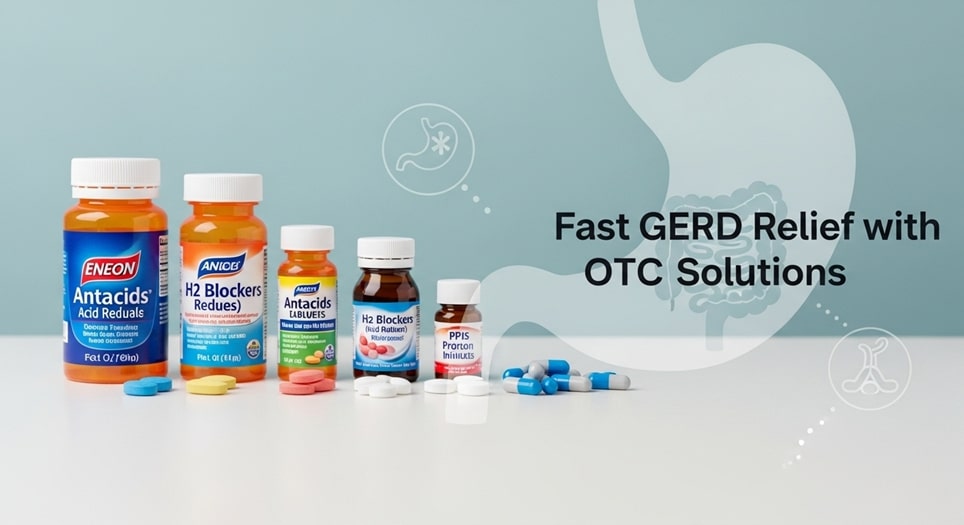
Over-the-counter options for GERD fall into three primary categories: antacids, H2 blockers, and proton pump inhibitors. Each type operates through distinct mechanisms to address acid-related symptoms, allowing users to select based on the severity and frequency of their discomfort. Antacids offer immediate neutralization of stomach acid, ideal for occasional episodes, while H2 blockers and proton pump inhibitors focus on reducing acid production for more sustained control.
Selecting the appropriate medication involves considering factors such as onset of action, duration of effect, and specific symptoms like gas or throat irritation. For instance, formulations containing simethicone can simultaneously target bloating and reflux. Always adhere to package instructions to maximize benefits and minimize risks, and consult a pharmacist for personalized advice if underlying health conditions exist.
These medications are generally safe for short-term use in adults, but efficacy varies among individuals. Clinical guidelines emphasize starting with the least invasive option and escalating as needed. Monitoring response over a two-week period helps determine if further medical evaluation is required.
Antacids: The First Line for Rapid Symptom Alleviation
Antacids represent the quickest intervention for heartburn and mild acid reflux, working by directly neutralizing hydrochloric acid in the stomach. Available in chewable tablets, liquids, or effervescent forms, they provide relief within minutes, making them suitable for acute episodes following a heavy meal or trigger exposure. Common ingredients include calcium carbonate, magnesium hydroxide, and aluminum hydroxide, often combined for balanced effects.
Beyond acid neutralization, some antacids incorporate alginates to form a protective raft over stomach contents, preventing reflux into the esophagus. This is particularly beneficial for those experiencing regurgitation or throat discomfort. However, antacids do not address underlying acid overproduction, so they serve best as an adjunct to preventive measures.
For optimal use, chew tablets thoroughly and take with a small amount of water if needed. Avoid using within two hours of other medications, as antacids can interfere with absorption. In cases of frequent need, transitioning to acid-reducing agents may be advisable to promote esophageal healing.
Key Antacids and Their Applications
The following list details prominent antacids, highlighting their compositions, ideal uses, and considerations for effective application:
- Calcium Carbonate (e.g., Tums, Rolaids): This formulation excels in providing swift neutralization for heartburn and indigestion, often delivering relief in under five minutes. It also supplies supplemental calcium, beneficial for bone health, though excessive intake may lead to constipation. Users should limit daily doses to avoid hypercalcemia, especially those with kidney issues.
- Magnesium Hydroxide (e.g., Milk of Magnesia): Effective against both acid reflux and associated constipation, it offers dual gastrointestinal relief. The laxative effect stems from its osmotic properties, drawing water into the intestines. It is best for individuals prone to sluggish bowels but requires caution in renal impairment to prevent magnesium accumulation.
- Aluminum Hydroxide (e.g., Maalox, Mylanta): Known for its binding action on excess acid, this antacid is gentle on the stomach and suitable for frequent mild symptoms. It may cause constipation, so alternating with magnesium-based options maintains bowel regularity. Long-term use warrants monitoring for phosphate depletion.
- Sodium Bicarbonate (e.g., Alka-Seltzer): This effervescent option rapidly buffers acid, ideal for post-meal gas and bloating relief. Its fizzing action aids in quick dissolution, enhancing speed. However, high sodium content necessitates avoidance in hypertension patients.
- Combination Formulas with Simethicone (e.g., Gaviscon, Gas-X variants): These target reflux alongside gas by breaking down bubbles in the digestive tract. The added alginate creates a floating barrier against reflux. They prove invaluable for comprehensive symptom control in multifaceted episodes.
- Bismuth Subsalicylate (e.g., Pepto-Bismol): Beyond acid reduction, it coats the stomach lining and combats nausea, making it versatile for upset stomach scenarios. Antimicrobial properties may soothe infection-related irritation. Aspirin sensitivity contraindicates its use due to salicylate content.
- Alginate-Based (e.g., Gaviscon Advance): Forming a viscous gel that floats atop gastric contents, it physically blocks reflux, excelling in throat protection. This non-systemic approach minimizes side effects. It suits those seeking mechanical rather than chemical relief.
- Magnesium-Aluminum Combinations (e.g., Rolaids Extra Strength): Balancing laxative and constipating effects, these provide neutral bowel impact while neutralizing acid efficiently. They are chewable for convenience during active symptoms. Dosage adherence prevents electrolyte imbalances.
Integrating antacids into a routine requires awareness of potential interactions, such as reduced efficacy of antibiotics or thyroid medications when taken concurrently. For enhanced outcomes, pair with dietary adjustments like smaller, more frequent meals. Persistent reliance on antacids signals the need for professional assessment.
H2 Blockers: Extending Relief Through Acid Suppression
H2 blockers, or histamine-2 receptor antagonists, inhibit the action of histamine on stomach cells, thereby decreasing acid secretion. This class provides relief lasting up to 12 hours, bridging the gap between immediate antacid action and prolonged PPI therapy. They are particularly useful for nighttime symptoms or preventive dosing before anticipated triggers.
Available in tablet, liquid, and chewable forms, H2 blockers like famotidine and cimetidine are accessible at pharmacies. Their onset typically occurs within an hour, allowing proactive management. Unlike antacids, they promote esophageal recovery by sustaining lower acid levels over time.
Safety profiles are favorable for short-term use, with common mild effects including headache or dizziness. Individuals on multiple medications should review potential interactions, as H2 blockers can influence drug metabolism. Gradual introduction helps gauge tolerance.
For gas relief, select H2 blockers without added irritants, and combine with simethicone if bloating predominates. Throat symptoms benefit from their acid-lowering effects, reducing irritation from refluxate. Monitoring for two weeks assesses ongoing suitability.
Selecting and Using H2 Blockers Effectively
To maximize H2 blocker benefits, administer 30 to 60 minutes before meals or at bedtime. This timing aligns with peak acid production periods. Start with the lowest effective dose, adjusting based on symptom response while not exceeding recommended limits.
Examples include famotidine (Pepcid AC), which is well-tolerated and effective for daily use in mild GERD. Cimetidine requires caution in those with liver conditions due to broader metabolic effects. Nizatidine offers similar efficacy with fewer interactions.
Transitioning from antacids to H2 blockers often occurs when symptoms recur frequently, indicating a need for acid production control. Lifestyle synergies, such as weight management, amplify their impact. Discontinuation should be gradual to avoid rebound acid hypersecretion.
Proton Pump Inhibitors: Comprehensive Acid Control for Persistent GERD
Proton pump inhibitors (PPIs) represent the most potent OTC option for acid suppression, targeting the final stage of acid production in parietal cells. By irreversibly binding to proton pumps, they achieve up to 90 percent reduction in acid output after several days of use. This makes them ideal for healing esophageal damage in moderate to severe GERD.
OTC PPIs, such as omeprazole (Prilosec OTC) and esomeprazole (Nexium 24HR), are formulated for once-daily dosing, typically in the morning before breakfast. Full therapeutic effects may take three to four days, but initial symptom improvement can occur sooner. They excel in managing chronic heartburn occurring more than twice weekly.
While highly effective, PPIs are recommended for limited courses, up to 14 days, without medical supervision. Long-term use, though sometimes necessary, requires oversight to monitor for nutrient deficiencies like vitamin B12 or magnesium. Hydration and dietary calcium support mitigate potential risks.
For fast relief in PPI users, combine with antacids during the initial days when full suppression is building. This hybrid approach addresses immediate discomfort while establishing long-term control. Regular review ensures alignment with evolving symptom patterns.
Navigating PPI Use and Precautions
PPIs suit those with refractory symptoms unresponsive to H2 blockers, offering superior healing rates for erosive esophagitis. Lansoprazole (Prevacid 24HR) provides comparable efficacy with flexible dosing options. Swallow capsules whole to preserve delayed-release coatings.
Potential side effects encompass gastrointestinal upset or headache, resolving upon cessation. Rare associations include increased infection risk due to altered gut flora. Periodic blood tests for at-risk individuals safeguard against complications.
Discontinuing PPIs involves tapering to prevent acid rebound, often by alternating days or switching to H2 blockers. This strategy maintains symptom stability during transition phases.
Step-by-Step Guide to Choosing the Optimal OTC Regimen
Begin by evaluating symptom frequency and intensity: occasional mild heartburn favors antacids, while persistent episodes necessitate H2 blockers or PPIs. Review medical history for contraindications, such as renal disease limiting aluminum or magnesium intake. Consult product labels for age and condition-specific guidance.
Step two involves timing and combination: pair quick antacids with preventive H2 blockers for versatile coverage. Track efficacy in a journal, noting triggers and relief duration. Adjust based on patterns, escalating if no improvement occurs within a week.
Third, integrate supportive habits: elevate bed head, avoid late-night eating, and prioritize fiber-rich diets. This holistic method enhances medication performance and reduces dependency.
Fourth, monitor for adverse reactions: discontinue and seek advice if unusual symptoms arise. Annual health check-ups align OTC use with overall wellness. This systematic approach empowers informed decision-making.
Tailoring Treatment for Specific Symptoms
For acid reflux affecting the throat, prioritize barrier-forming antacids like those with alginates to shield sensitive tissues. H2 blockers complement by curbing nocturnal reflux, a common throat irritant. PPIs provide foundational healing for chronic laryngopharyngeal reflux.
Gas relief demands simethicone-inclusive products, addressing foam and bubbles exacerbating reflux. Low-fat meals alongside these medications minimize bloating. Persistent gas may indicate dietary sensitivities warranting professional input.
Stomach acidity benefits from PPI-led regimens, fostering mucosal repair. Gradual acid normalization prevents dyspepsia rebound. Balanced electrolyte intake supports gastric function during therapy.
Complementary Lifestyle Strategies for Enhanced Management
Lifestyle modifications form the cornerstone of GERD control, amplifying OTC medication efficacy. Maintaining a healthy weight reduces intra-abdominal pressure, thereby strengthening sphincter tone. Gradual weight loss through balanced nutrition and exercise yields sustainable benefits.
Dietary adjustments include eschewing triggers like citrus, tomatoes, and carbonated beverages, which relax the sphincter or irritate the esophagus. Opt for alkaline foods such as bananas and oatmeal to buffer acidity. Mindful eating—savoring meals slowly—diminishes air swallowing and overdistension.
Positional therapy, such as sleeping with the upper body elevated six to eight inches, curtails nighttime reflux. Left-side sleeping further aids gravitational retention of stomach contents. Avoiding tight garments around the waist prevents mechanical compression.
Smoking cessation is imperative, as nicotine impairs sphincter function and delays healing. Stress management techniques, including diaphragmatic breathing, mitigate psychosomatic exacerbations. Yoga or meditation sessions post-meal promote relaxation and digestion.
Hydration with non-acidic fluids supports mucosal integrity, countering dehydration’s acid-concentrating effects. Herbal teas like ginger or chamomile soothe without provocation. Consistent application of these practices fosters long-term remission.
Recognizing When Professional Medical Advice Is Essential
While OTC options suffice for many, certain red flags demand prompt medical attention. Unrelenting heartburn despite two weeks of therapy, unintended weight loss, or vomiting blood signals potential complications like ulcers or malignancy. Dysphagia or chest pain mimicking cardiac issues requires urgent evaluation.
Chronic cough, hoarseness, or dental erosion from acid exposure warrants specialist referral, possibly to a gastroenterologist. Endoscopic procedures may confirm diagnoses and guide tailored interventions. Early detection averts irreversible damage.
Pregnant individuals or those with comorbidities like diabetes should seek preconception counseling on safe OTC selections. Pediatric cases, though rare, necessitate pediatrician oversight. Collaborative care ensures comprehensive management.
Regular follow-ups track progress and adjust regimens. Diagnostic tools like pH monitoring or manometry elucidate refractory mechanisms. Empowering patients through education bridges self-care and expert intervention.
Conclusion
Managing GERD through informed use of over-the-counter medications, coupled with lifestyle vigilance, empowers individuals to reclaim comfort and prevent escalation. Antacids deliver swift neutralization for episodic relief, H2 blockers extend protection against recurrent acid surges, and proton pump inhibitors foster profound suppression for healing entrenched damage. Tailoring selections to symptom profiles—whether throat irritation, gastric bloating, or nocturnal heartburn—optimizes outcomes while minimizing risks.
Embracing complementary strategies, from dietary refinements to positional aids, synergizes pharmacological efforts, reducing reliance on interventions. Vigilance for warning signs ensures timely escalation to professional care, safeguarding esophageal health. Ultimately, this multifaceted approach not only alleviates immediate distress but cultivates enduring wellness, affirming that proactive stewardship transforms GERD from a persistent foe into a manageable aspect of daily life.
