

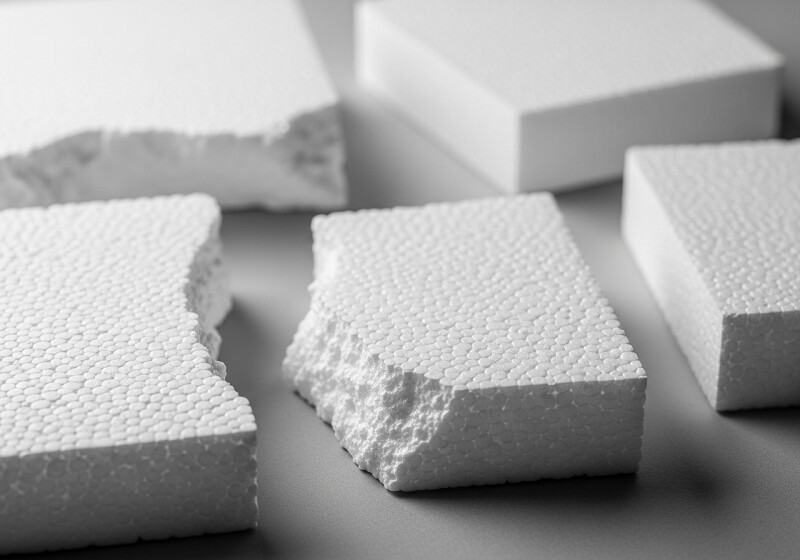
For many consumers and businesses, disposing of Styrofoam—more accurately known as expanded polystyrene foam (EPS)—presents a significant environmental and logistical challenge. This lightweight, ubiquitous material is excellent for protecting sensitive electronics and keeping food hot, but its end-of-life journey is fraught with complications. The central question, “Is Styrofoam recyclable?” has a nuanced answer that varies dramatically depending on where you live, the type of foam, and its condition. While the material itself is technically capable of being recycled, the reality on the ground is that most municipal curbside programs refuse it, leaving residents with handfuls of bulky packaging and no clear path forward. This guide cuts through the confusion to provide a comprehensive, up-to-date look at the state of Styrofoam recycling, exploring not only the “how” but also the critical “why” behind its limited acceptance and what innovative solutions are emerging for this persistent waste problem.
The challenges begin with the material’s fundamental properties. Styrofoam is over 90% air, making it incredibly lightweight and cost-effective for shipping but also voluminous and uneconomical to transport to recycling facilities. A truckload of compacted EPS might weigh very little, but in its loose form, it fills an entire garbage truck while representing a minuscule fraction of its actual recyclable weight. This economic inefficiency is the primary reason most local programs exclude it. Furthermore, EPS used for food service is often contaminated with oils and food residue, which degrades its value and complicates the recycling process. These dual hurdles of economics and contamination have created a recycling landscape for EPS that is fragmented, specialized, and often inaccessible to the average person, necessitating a deeper understanding of the specific pathways that do exist.
Understanding the Material: What Exactly is “Styrofoam”?
First, it is crucial to clarify terminology, as it directly impacts recycling options. The term “Styrofoam” is a registered trademark of The Dow Chemical Company for a specific brand of extruded polystyrene foam used primarily in building insulation. However, in common parlance, “Styrofoam” has become a catch-all name for expanded polystyrene (EPS) foam, the white, rigid, bead-based material used in coffee cups, food containers, and protective packaging. For the purposes of recycling, we are almost always discussing post-consumer EPS. It is a petroleum-based plastic (#6 plastic, identified by the resin identification code) that is expanded using steam. This structure gives it its characteristic properties: excellent insulation, shock absorption, and a very high volume-to-weight ratio.
Why Curbside Recycling Programs Say No
The rejection of EPS by most municipal curbside programs is not arbitrary; it is a decision rooted in practical economics and processing limitations. The economics of recycling are driven by the value of the end commodity. EPS, when cleaned and densified, can be sold to manufacturers to make new products like picture frames, crown molding, or park benches. However, the cost of collecting, transporting, and processing it often outweighs the revenue from selling the recycled material.
- Transportation Inefficiency: Because it is mostly air, collecting loose EPS is tremendously space-inefficient. Recycling facilities would need to dedicate entire trucks to collect a material that compresses down to a fraction of its original size, making collection costs prohibitively high compared to denser materials like cardboard, glass, or aluminum.
- Contamination Issues: EPS used for food and beverage is particularly problematic. Grease, cheese, coffee, and other residues seep into the material and cannot be washed off in standard recycling processes. This contamination can ruin entire batches of otherwise recyclable material, leading many facilities to implement a blanket ban.
- Market Volatility: The end market for recycled EPS (often called post-consumer PS) is smaller and less stable than for materials like PET (#1) or HDPE (#2). Fluctuations in oil prices, which affect virgin plastic production, can make recycled EPS less competitive, further disincentivizing its collection.
- Sorting Challenges: In single-stream recycling systems, lightweight EPS can easily become litter, blowing out of bins and trucks. At material recovery facilities (MRFs), it can jam machinery or get caught in screens meant for other materials, causing operational headaches and downtime.
The Specialized Pathways for EPS Recycling
Despite the curbside barriers, a dedicated infrastructure for EPS recycling does exist. It operates on a different model, often relying on drop-off points, mail-back programs, and commercial partnerships. Successfully recycling EPS requires proactivity and knowledge of these specific channels.
The most critical first step is to check with your local waste authority. While curbside pickup is rare, some municipalities host periodic collection events or maintain permanent drop-off locations specifically for EPS. These programs are more common in regions with advanced recycling goals or where a nearby processor creates demand. The key is to call or visit your city or county’s solid waste website—do not assume the rules are the same as for bottles and cans.
Step-by-Step Guide to Recycling Your Styrofoam
If you have a pile of clean EPS packaging and are determined to recycle it, follow this systematic approach to find the right outlet.
-
- Step 1: Prepare the Material: Only clean, dry, and unadulterated EPS is acceptable. Remove all tape, labels, stickers, and any glued-on paper or film. For food containers, any residue is an automatic disqualifier—these cannot be recycled and should be placed in the trash. For packaging, ensure all foam is white and free of dirt or debris.
Step 2: Locate a Drop-off Center: Use online resources to find a specialist. The Alliance of Foam Packaging Recyclers (AFPR) maintains a database of over 200 collection points across North America. Websites like Earth911.com also offer searchable databases where you can enter your ZIP code and material type (“polystyrene”) to find the nearest drop-off location, which may be a recycling center, a local business, or a special collection bin.
- Step 3: Consider Mail-Back Programs: For those without local access, several companies offer paid mail-back services. You purchase a prepaid shipping label, pack a box with your clean EPS, and send it to a specialized recycling facility. While there is a cost involved, it provides a responsible solution for households or small businesses that generate a significant amount of clean packaging foam.
- Step 4: Explore Commercial Recyclers: If you are a business generating large volumes of EPS from shipments (e.g., electronics retailers, furniture stores, or medical suppliers), contracting directly with a commercial recycler is the most efficient path. These companies often provide compactors that can dramatically reduce the foam’s volume on-site, making transportation cost-effective.
Remember, the mantra for EPS recycling is “clean, dry, and pure.” Mixing in food-contaminated cups with pristine electronics packaging can result in an entire load being sent to the landfill.
The Reuse Revolution: Giving EPS a Second Life at Home
Before attempting to recycle, consider whether you can reuse the material yourself. Reuse is higher on the waste hierarchy than recycling, as it requires no additional processing energy. EPS has several useful properties that can be leveraged in creative ways around the home, workshop, or garden.
For gardeners, EPS is an excellent material for drainage and plant protection. Broken pieces of foam can be placed in the bottom of large plant pots instead of stones—they are much lighter, improve drainage, and reduce the amount of soil needed. Larger blocks can be carved into lightweight planters for succulents or used as insulation for compost bins to maintain microbial activity in colder weather. In the home, clean EPS food trays can be reused under houseplants to catch water, while large sheets from appliance packaging make fantastic protective layers for garage or basement floors when painting or doing messy projects.
Pro Tips for Handling and Minimizing EPS Waste
Becoming a savvy consumer and waste manager involves more than just end-of-life solutions. These pro tips help you minimize EPS from the start and handle it more effectively when it does arrive.
- Request Alternative Packaging: When ordering fragile items online, add a note to your order requesting plastic-free or paper-based packaging. Many retailers are happy to accommodate these requests, and it signals market demand for sustainable options.
- Invest in a Densifier at Scale: For schools, businesses, or community organizations that handle large volumes of clean EPS, investing in a thermal densifier can be transformative. These machines use heat and pressure to melt the foam into a dense, solid log of plastic that is easy to store and highly valuable to recyclers, often paying for itself over time.
- Never Burn EPS: It is critical to never burn expanded polystyrene foam in a fire pit, fireplace, or stove. When burned, it releases toxic fumes, including styrene gas, which is hazardous to human health and the environment. Proper disposal, even in a landfill, is safer than uncontrolled burning.
- Save and Consolidate: If you only have a few small pieces, store them until you have a larger quantity that justifies a trip to a drop-off center. Keeping a dedicated bag or bin in your garage helps consolidate the material and makes recycling trips more efficient.
The Landscape of Sustainable Alternatives to EPS
The most effective long-term strategy is to reduce dependence on EPS altogether. Fortunately, the market is rapidly innovating, and viable alternatives exist for nearly every application, from food service to protective packaging.
For food and beverage containers, the shift is already well underway. Compostable products made from bagasse (sugarcane fiber), molded pulp, paper with PLA (corn-based) linings, and even edible containers are becoming mainstream. These items are designed to break down in industrial composting facilities, creating a circular loop. In the packaging sphere, materials like corrugated cardboard, mushroom-based mycelium foam, air-pillow packaging made from recycled content, and even seaweed-based gels offer superior protection without the environmental baggage of EPS. Many of these alternatives are also curbside recyclable or home-compostable, seamlessly integrating into existing waste systems.
The Science of EPS Breakdown: Landfill vs. Environment
Understanding why EPS is so problematic requires a look at its chemical and physical behavior in the environment. A common misconception is that EPS is “biodegradable.” It is not. In a landfill, protected from sunlight and physical abrasion, a foam cup can remain largely intact for hundreds of years. In the open environment, it does not biodegrade but instead photodegrades—sunlight and physical forces break it down into smaller and smaller pieces, eventually becoming microplastics.
These microplastics are a pervasive and persistent pollutant. They are ingested by wildlife, moving up the food chain, and have been found in human blood and lungs. The additives in EPS, such as flame retardants, can also leach into groundwater from landfills. This environmental persistence underscores why diversion from landfills through recycling, reuse, and source reduction is critically important, even when recycling access is limited.
Innovations and Policy: The Future of EPS Management
The current fragmented system is not the endpoint. Significant efforts are underway to improve the recyclability of EPS and to legislate its reduction. On the policy front, numerous cities, states, and countries have enacted bans on single-use EPS food containers and packaging peanuts. These bans are powerful drivers for innovation, pushing manufacturers and restaurants to adopt alternatives. Extended Producer Responsibility (EPR) laws for packaging, which are gaining traction, would require producers to fund and manage the recycling of their materials, potentially creating a more stable financial model for EPS collection.
Technological innovation is also progressing. New chemical recycling methods, known as advanced or molecular recycling, are being developed to break down EPS into its basic chemical building blocks (monomers), which can then be repurposed into new, virgin-quality plastic. This could create a true circular economy for polystyrene. Furthermore, companies are developing new formulations of EPS that are easier to recycle or that incorporate recycled content at a higher rate, strengthening the market for the collected material.
Frequently Asked Questions About Styrofoam Recycling
Can I recycle Styrofoam with other plastics?
Almost never. You should never place loose EPS in your curbside bin unless your local program explicitly states it is accepted. It will contaminate the other recyclables and likely be removed at the sorting facility and sent to landfill. Always follow the specific guidelines provided by your municipality.
Are packing peanuts recyclable?
It depends on the material. Traditional white EPS packing peanuts are recyclable only at specialized drop-offs.
However, many companies now use starch-based biodegradable peanuts, which dissolve in water. To test, place one in warm water—if it dissolves, it’s compostable. If not, it’s likely EPS and requires special recycling.
Why is it so hard to find places that recycle Styrofoam?
The difficulty stems from the economics discussed earlier: high volume, low weight, and contamination issues make it a money-losing proposition for most standard recycling operations. Specialized recyclers exist, but they are fewer in number because they require specific, expensive equipment (densifiers) and a reliable market for the end product. Furthermore, public awareness of these niche programs is low, creating a cycle where a lack of supply discourages investment in more facilities, and a lack of facilities discourages public participation.
What should I do with dirty Styrofoam food containers?
Dirty food containers and coffee cups should be placed in the trash. The food contamination makes them unrecyclable, and attempting to wash them is typically not feasible or water-efficient. The grease and oils bind to the polystyrene and cannot be fully removed in standard recycling processes, risking the contamination of an entire batch of material. The best action for these items is to avoid them in the first place by using reusable alternatives or supporting businesses that use compostable or paper-based service ware.
Is colored or black Styrofoam recyclable?
Recyclers typically only want clean, white EPS. Colored or black foam is often made with dyes that are not desirable in the recycled stream, as they limit the color and potential uses of the end product. Black EPS, in particular, poses a problem at material recovery facilities that use optical sorters; these sensors often cannot detect black objects, causing them to be missed and sent to landfill. Check with your specific drop-off center, but be prepared that they may only accept white foam.
Can I put Styrofoam in my home compost bin?
No, traditional expanded polystyrene foam is a petroleum-based plastic and is not compostable. It will not break down in a home composting system and will simply persist as plastic pollution. However, there are plant-based, compostable alternatives that look similar to EPS but are made from materials like corn starch or mycelium. Always verify the manufacturer’s labeling—look for certifications like “BPI Certified Compostable”—before attempting to compost any foam-like product.
The Business and Industrial Perspective on EPS Recycling
While household recycling is challenging, the commercial sector often has better access to viable EPS recycling solutions due to the scale and consistency of the waste stream. Businesses that receive large, regular shipments of electronics, appliances, or furniture generate significant quantities of clean, uniform block and shape molding foam. For these entities, recycling is not just an environmental consideration but often a financial one, as reducing landfill tipping fees and avoiding potential taxes on packaging waste can improve the bottom line.
Many commercial recyclers offer pick-up services for businesses that generate a minimum volume, often one cubic yard per month or more. They provide equipment like compactors or thermal densifiers that can reduce foam volume by a factor of 90:1 on-site, transforming a truckload of bulky foam into a single, dense block of plastic resin ready for manufacturing. This densified material has a stable market, sold to companies that produce everything from synthetic lumber and decorative molding to new packaging and hangers. This commercial loop is currently the most efficient and economically sustainable part of the EPS recycling ecosystem.
Community-Led Initiatives and Special Collection Events
For residents without regular access to a drop-off center, community-organized collection events are a crucial lifeline. These are often organized by municipal waste departments, environmental non-profits, or even scout troops in partnership with a commercial recycler. They are typically advertised locally and may charge a small fee to cover the costs of transportation and processing. Participating in these events requires proper preparation:
- Check Accepted Items: Events may only take block foam from packaging, not food service items. They may also exclude foam with tape or labels.
- Pre-Clean and Sort: Ensure all foam is clean and dry. Separate white block foam from colored foam or packing peanuts, as they may have different destinations.
- Plan for Transportation: Loosely piled foam takes up immense space in a car. Break down large pieces as much as possible and bring bags to contain small pieces and peanuts to prevent them from blowing away.
These events not only divert waste but also serve an important educational function, raising public awareness about the specific steps required to handle this material responsibly.
Global and Regional Policy Impacts
The approach to managing EPS waste varies dramatically across the globe, heavily influenced by local policy, infrastructure, and market conditions. In the European Union, ambitious circular economy action plans and strict landfill diversion targets have spurred both innovation in alternatives and investment in chemical recycling technologies for plastics like polystyrene. Several countries have enacted producer responsibility schemes that make packaging manufacturers financially responsible for collection and recycling.
In contrast, in many developing nations, formal recycling systems for low-value materials like EPS are scarce. However, innovative informal waste economies sometimes emerge, where waste pickers collect and sell EPS to small-scale densification operations. While this provides a form of recycling and livelihood, it often lacks the environmental and worker safety controls of formal systems. In North America, the landscape is a patchwork of municipal and state-level actions. Bans on EPS food containers are in effect in hundreds of cities and several states, including Maine, Vermont, and Maryland. These regulations are powerful market signals that accelerate the adoption of alternatives and force producers to rethink packaging design.
Conclusion
Navigating the world of Styrofoam, or expanded polystyrene foam, recycling requires moving beyond a simple yes-or-no answer. The material’s technical recyclability is overshadowed by significant economic and logistical barriers that keep it out of most curbside bins. The responsible management of EPS waste hinges on a clear understanding of these barriers and a proactive approach centered on preparation, research, and utilization of specialized drop-off networks. While the pursuit of recycling for clean packaging foam is worthwhile, the most impactful strategies remain source reduction and the embrace of reusable or truly compostable alternatives. The landscape is evolving, driven by technological innovation in both recycling and material science, corporate responsibility, and forward-thinking policy, offering hope for a future where single-use foam is either effectively cycled back into the economy or replaced by more sustainable materials. For now, every piece of EPS kept out of the landfill through informed action represents a small but meaningful step toward reducing plastic pollution and its lasting environmental footprint.
