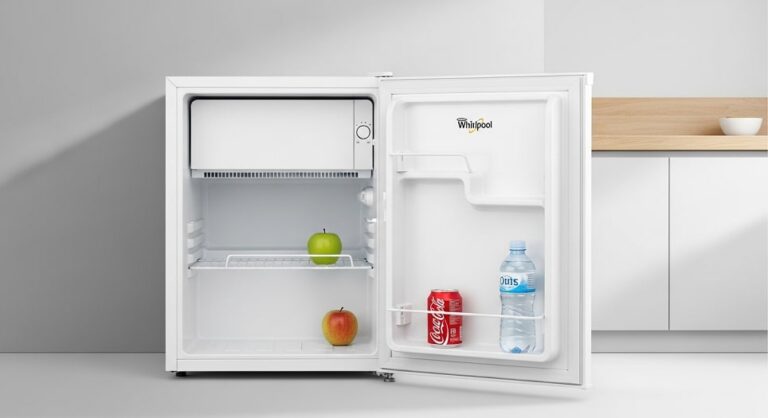
The contemporary demand for optimized living spaces has thrust compact refrigeration into the spotlight, transforming the mini fridge from a mere dormitory staple into a sophisticated and essential home appliance. As urban environments grow denser and multi-purpose rooms become the standard, homeowners, apartment dwellers, and students alike seek reliable, efficient, and well-designed solutions for auxiliary cooling needs. Whirlpool, a long-established leader in large home appliances, has successfully translated its commitment to quality and innovation into its line of compact refrigerators, offering models that balance utility with a small footprint.
Among the most popular and critically acclaimed models in this category is the Whirlpool 3.1 cu ft Compact Refrigerator, often featured prominently in promotions by major retailers such as Target. This unit, alongside its close variants like the 4.3 cu ft model, represents the sweet spot for consumers: large enough to serve as a primary fridge in a studio or a secondary unit for beverages and overflow storage, yet small enough to tuck neatly into a home office, game room, or college dorm. Understanding the comprehensive feature set and market dynamics surrounding this appliance is key to maximizing its value.
The enduring appeal of the Whirlpool compact fridge is not accidental. It stems from a design philosophy that prioritizes robust performance and smart organizational features within a diminutive shell. When assessing the true worth of such an appliance, buyers must look beyond the initial sale price and evaluate long-term factors such as energy consumption, durability, and interior flexibility. These elements are what truly differentiate a high-quality compact fridge from a temporary cooling solution.
The Rise of Compact Refrigeration in Modern Living
The shift toward modular living and multi-functional spaces has fundamentally changed how consumers view home appliances. The traditional kitchen-centric model is evolving, with many households integrating secondary refrigeration units closer to their actual point of use, whether that is a home bar, a master bedroom, or a garage. This move reflects a desire for convenience and an acknowledgment that large refrigerators are not always the most practical or efficient choice for storing specific items like drinks, snacks, or beauty products.
Compact refrigerators, particularly those ranging from 3.0 to 4.5 cubic feet, hit a crucial intersection of size and utility. They are large enough to incorporate features like separate freezer compartments, adjustable shelving, and dedicated can dispensers, but their physical dimensions remain conducive to tight installations. This versatility makes them invaluable for various scenarios, from supporting short-term rental properties to serving as an essential part of a teenager’s gaming setup.
Furthermore, the manufacturing focus has moved past basic cooling toward energy efficiency and design integration. Modern compact units are often Energy Star certified, a crucial selling point that assures consumers the appliance will consume significantly less energy than standard models, thereby reducing utility costs and environmental impact. This focus on long-term operational savings transforms the perceived value of the initial investment.
Defining the Need for Small-Space Appliances
Small-space appliances are engineered specifically to overcome the physical limitations of confined environments. Unlike their full-sized counterparts, compact models must maximize every inch of interior space while maintaining an external profile that is unobtrusive. This requires clever design features, such as recessed handles, smooth exterior finishes, and, critically, the ability to reverse the door swing. For instance, in a cramped office corner or a dorm room where furniture rearrangement is constant, the capability to switch the door hinge side is a non-negotiable feature that greatly enhances usability and installation options.
Beyond spatial constraints, the demand is often driven by specialized storage needs. Many consumers seek a beverage center or a specific freezer compartment for frozen meals, tasks that a standard mini fridge with a tiny, integrated chiller cannot handle effectively. The mid-sized Whirlpool units address this by often including a dedicated, although still small, separate freezer space, providing true dual-zone functionality that is essential for preserving a variety of foodstuffs appropriately.
Spotlight on the Whirlpool Compact Series
The Whirlpool compact series, particularly the 3.1 and 4.3 cubic foot models (such as the WH31BKE and WH43S1E frequently found at Target), exemplifies the brand’s commitment to delivering reliable refrigeration in smaller formats. These units are consistently engineered with consumer needs in mind, borrowing robust cooling technology from Whirlpool’s full-sized refrigerators while tailoring the internal layout for compact living. The result is an appliance that doesn’t feel cheap or transient, but rather a scaled-down version of a high-quality residential fixture.
Technical Specifications and Key Features
To appreciate the value proposition of the Whirlpool 3.1 cu ft Mini Refrigerator, it is necessary to examine the technical attributes that define its performance and utility. This unit is popular because it strategically allocates its interior volume to maximize both refrigerated and frozen storage. The standard model usually offers around 2.2 cubic feet of dedicated refrigerator space and a meaningful 0.9 cubic feet for the true freezer compartment. This separation is critical, ensuring the freezer maintains lower, more consistent temperatures necessary for long-term frozen food storage, unlike single-door mini fridges where the freezer is merely a frost box attached to the top wall.
Key design elements are incorporated to enhance the user experience and ensure the appliance is both convenient and easy to maintain. These thoughtful inclusions are often features found only in larger, more expensive units, making their presence in a compact model a significant value-add.
- Energy Star Certification: The appliance meets strict energy efficiency guidelines set by the U.S. Environmental Protection Agency and the Department of Energy. This means the unit operates with a high degree of efficiency, resulting in a lower estimated yearly operating cost compared to non-certified models, which is an increasingly important factor for budget-conscious users, especially students or small business owners.
- Dedicated Freezer Compartment: Unlike many cheap mini-fridge alternatives, the Whirlpool 3.1 cu ft model often includes a small, separate freezer door and compartment. This design is crucial for ensuring ice cream stays frozen and that frozen food items are properly preserved, extending the usability of the compact fridge beyond just cooling beverages.
- Recessed Handle and Reversible Door: The unit features a sleek, recessed handle that creates a smooth, flush exterior, helping it integrate seamlessly into any decor while preventing snags in tight hallways. The door hinge is factory-installed on one side but can be easily reversed, giving the owner ultimate control over placement and optimal traffic flow within a small room.
- Slide-Out Glass Shelves: Interior organization is maintained through two full-width glass shelves that can be easily removed for cleaning or adjusted to accommodate taller items. Glass shelves are preferred over wire racks as they contain small spills, preventing them from dripping down to lower levels and simplifying the cleaning process substantially.
- Integrated Can Dispenser: The door interior is optimized for beverage storage, frequently including a dispenser rack capable of holding multiple cans horizontally, thereby freeing up valuable space on the main shelves for perishables. It also includes storage for tall items like 2-liter bottles or cartons of milk, maximizing vertical efficiency.
- Adjustable Mechanical Thermostat: Simple, intuitive controls allow the user to easily adjust the internal temperature based on the contents and the ambient temperature of the room. This mechanical dial offers reliable performance and easy adjustment without complex digital interfaces, ensuring food safety is always maintained.
Energy Star Certification: A Commitment to Efficiency
The Energy Star designation is more than a marketing label; it is a verifiable standard indicating superior energy performance. For an appliance designed to run continuously, the efficiency of the cooling system directly translates into significant long-term savings. The Whirlpool compact refrigeration line consistently utilizes energy-efficient compressors and insulation materials to minimize power draw. This dedication to efficiency is particularly noteworthy in compact refrigerators, which are frequently purchased for use in secondary locations where energy monitoring might be less rigorous, such as a rented dorm room where utility costs might be included in the rent, or a second-floor office where reducing the thermal load is beneficial.
This certification process rigorously tests the unit’s annual energy consumption (kWh/year) under standard operating conditions. By choosing a certified model, consumers are not only making an environmentally conscious decision but also securing an appliance that costs less to run over its lifespan. The minimal annual energy cost, often estimated in the range of $35 to $50 depending on local energy rates and model size, ensures that the initial investment in a quality brand like Whirlpool is quickly justified by operational savings.
Analyzing Current Market Price and Deals
Understanding the pricing structure of the Whirlpool compact refrigerator line is vital for any consumer seeking the best deal. These units are typically positioned as mid-to-premium compact options, reflecting their inclusion of features like a true separate freezer and Energy Star compliance, which cheaper, entry-level models often lack. While the retail price provides a baseline, these appliances are frequently subject to promotional pricing, especially at large retailers like Target, which use major seasonal events to drive sales.
Typical Retail Pricing and Discount Cycles
Based on sustained market trends, the 3.1 cu ft Whirlpool compact refrigerator typically carries a Suggested Retail Price (SRP) ranging from $199.99 to $229.99. However, the true market price, which reflects constant sales and promotions, often sits lower. The most significant discounts are usually observed during key retail periods, mirroring the timing of the deal mentioned in the original article context.
Major seasonal sales cycles where consumers can expect aggressive pricing include:
Back-to-School Season (Late July/August through September): This is historically the most competitive period for compact refrigerators, driven by dorm and college apartment outfitting. Prices often drop to a low of $149.99 or sometimes even lower for specific clearance models.
Black Friday/Cyber Monday (November): A general discount period where electronics and home appliances are heavily promoted.
Post-Holiday Clearance (January): Retailers clear out inventory leftover from the peak shopping seasons, often leading to deep discounts on less popular colors or discontinued models.
Home Appliance Sales (Spring): Smaller, targeted promotions focused on home renovation or utility upgrades.
Target is known for coupling temporary price cuts with additional consumer incentives, such as gift card offers or discounts tied to their loyalty programs. A typical “deal” often involves a 25% to 35% reduction from the regular price, bringing a model like the 3.1 cu ft down to the highly attractive $149.99 price point. Consumers should track these cycles and utilize retailer apps to be alerted when a Target mini fridge deal becomes active, securing the best possible value.
Design and Installation Flexibility
The success of an appliance in a small living space is often determined not by its sheer power, but by its adaptability. Whirlpool has engineered its compact models to offer a high degree of installation flexibility, ensuring the unit can conform to the user’s environment rather than requiring the environment to conform to the fridge. This design consideration is essential for the target demographic of students, small-apartment residents, and accessory users.
The Reversible Door Advantage
One of the most praised features of the Whirlpool compact refrigerator is the reversible door hinge. In a conventional refrigerator, the door swing is fixed, which can severely limit placement options, particularly in galley kitchens or shared dorm rooms where floor space and traffic flow are major concerns. The ability to switch the door from opening right to opening left provides an unparalleled degree of freedom during installation.
This flexibility ensures that the refrigerator can always be placed adjacent to a wall or another appliance without obstructing the door’s full 90-degree opening arc, which is necessary for fully accessing internal shelves and removing crisper drawers. The process of reversing the door typically involves simple hand tools and can be completed by the user, providing immediate customization upon setup and ensuring maximum convenience regardless of the room layout.
Optimizing Placement: Dorms, Offices, and Garages
The versatility of the Whirlpool compact refrigerator allows it to serve effectively in various locations, each with its own set of environmental challenges.
College Dormitories: In this setting, the unit provides critical, secure food storage. Its compact size ensures it meets most campus regulations for appliance size and power draw, while the separate freezer is ideal for preparing quick meals or storing necessary supplies.
Home Offices/Workspaces: Placing the fridge here allows professionals to keep lunch, drinks, and perishable snacks close by, eliminating unnecessary trips to the main kitchen and maximizing productivity during busy workdays. The quiet operation of a quality compressor is essential here, which Whirlpool typically provides.
Garages or Workshops: These areas often require an appliance rugged enough to handle temperature fluctuations. While not specifically designed as a ‘garage-ready’ model (which usually refers to specialized full-sized units), the Whirlpool compact fridge is durable enough for most temperate auxiliary storage needs, primarily used for beverages or secondary bulk freezer items.
Pros and Cons: A Balanced Assessment
Any appliance purchase requires a thorough and unbiased review of its strengths and weaknesses. The Whirlpool compact refrigerator offers a strong performance profile, but potential buyers should be aware of the trade-offs inherent in any compact design.
Pros
- True Separate Freezer Functionality: The inclusion of a small but dedicated freezer section with its own door in some models ensures temperatures dip below freezing consistently. This is a significant advantage over competitors that utilize only a small chill plate, allowing users to reliably store items like ice trays, frozen dinners, and meats.
- High Energy Efficiency and Low Running Costs: The Energy Star rating translates directly into economical long-term ownership. For an appliance running 24/7, the optimized power consumption of the Whirlpool unit makes it a financially savvy choice that minimizes the impact on monthly electricity bills, particularly beneficial in shared accommodation where costs are split.
- Superior Build Quality and Durability: Reflecting the Whirlpool legacy, these compact units generally feature sturdier doors, more robust shelving (often solid glass), and higher-quality finishes (like stainless steel or smooth black) compared to generic budget brands. This contributes to better longevity and reduced maintenance over years of use.
- Excellent Interior Organization: Features such as the can dispenser, tall bottle storage in the door, and adjustable glass shelves maximize the practical capacity of the 3.1 cubic feet. The thoughtful layout prevents the fridge from feeling cramped and makes items easy to retrieve and organize.
Cons
- Requires Manual Defrost: The separate freezer compartment, while functional, typically requires manual defrosting. This means the user must periodically unplug the unit, allow the ice to melt, and clean the water. This process can be inconvenient and is a necessary trade-off for having a true freezer in a compact, energy-efficient package.
- Limited Freezer Capacity: While it is a true freezer, the space is inherently small (around 0.9 cu ft) and is primarily suitable for ice trays and a few small frozen items. It is not designed for bulk freezing or storing large pizza boxes or family-sized frozen entrees.
- Price Point: The initial purchase price is often higher than non-branded or entry-level competitor compact fridges. While the higher cost is justified by better features and durability, budget-conscious buyers seeking the absolute lowest price might find this a deterrent unless a significant sale (like the Target deal context) is in effect.
Maintenance and Longevity of Compact Refrigerators
Proper maintenance is the single most important factor in extending the functional life of any refrigeration unit, and compact models are no exception. Because they operate in smaller, sometimes more enclosed environments, regular attention to basic maintenance routines is crucial to ensuring optimal performance and energy efficiency.
Understanding Manual Defrost and Its Importance
As noted, many Energy Star compact fridges, including the popular Whirlpool models, employ a manual defrost system for the freezer compartment. This design choice contributes significantly to their energy efficiency and lower manufacturing cost compared to frost-free systems. However, it necessitates user involvement.
Over time, frost naturally builds up on the internal walls and cooling coils of the freezer. Once this layer of frost reaches a thickness of about a quarter-inch, it acts as an insulator, forcing the compressor to work harder and longer to maintain the set temperature. This dramatically increases energy consumption and reduces cooling efficiency. The importance of manual defrosting lies in restoring the unit’s performance. Defrosting should be performed once the frost layer becomes visible or approximately every six to eight months. The process is straightforward:
Unplug the appliance completely.
Remove all contents from both the freezer and refrigerator sections.
Place towels or a shallow pan at the bottom to catch melting water.
Allow the ice to melt naturally (never use sharp objects to chip away ice, as this can puncture the cooling coils).
Wipe the interior dry and plug the unit back in.
Extending the Lifespan of Your Mini Fridge
Beyond defrosting, several simple practices can ensure your Whirlpool compact fridge runs efficiently for years.
Ensure Adequate Airflow: The compressor coils on the back or bottom of the unit require adequate space for heat dissipation. Never push the refrigerator flush against a wall; a gap of at least 2 to 3 inches on the back and sides is essential for effective cooling and maximizing energy efficiency.
Clean Coils Regularly: Dust and pet hair can accumulate on the condenser coils, acting as insulation and hindering heat release. Periodically (e.g., twice a year) vacuuming or gently brushing the coils will significantly improve the unit’s performance and reduce stress on the compressor.
Check Door Seals: The rubber gaskets around the door are vital for maintaining cold air inside. Check the seal integrity regularly; if the seals are cracked, sticky, or fail to suction properly, warm air will infiltrate the unit. Seals can often be cleaned with mild soap and water to restore their elasticity and effectiveness.
Proper Temperature Setting: Avoid setting the thermostat to the absolute coldest setting unless absolutely necessary. Over-chilling wastes energy and can cause items in the main compartment to freeze accidentally. Maintain the refrigerator section between 34°F and 40°F.
Comparison with Leading Compact Refrigerator Alternatives
The compact refrigeration market is diverse, encompassing everything from basic 1.7 cu ft cubbies to larger 5.0 cu ft models. The Whirlpool 3.1 cu ft model effectively competes by emphasizing reliability and functional design features often absent in budget alternatives. When comparing the unit to key rivals—which often include models from Haier, Midea, or Kenmore—the decisive factors are usually the quality of the temperature control system and the internal configuration.
Many inexpensive rivals achieve lower price points by omitting features like Energy Star certification, substituting glass shelves with less durable wire racks, or eliminating the dedicated freezer door. While these units are cheaper upfront, their operating costs are higher, and their cooling performance, especially concerning maintaining freezing temperatures, is often inconsistent. The Whirlpool line differentiates itself by offering a reliable, branded cooling system in the compact niche.
Capacity vs. Footprint: The Critical Trade-off
Choosing a compact refrigerator involves a nuanced calculation of usable interior capacity versus the external footprint. The 3.1 cu ft and 4.3 cu ft Whirlpool models strike an excellent balance here.
A 1.7 cu ft model is highly portable but offers negligible storage, barely fitting a few cans and small food containers.
A 3.1 cu ft unit offers adequate refrigerated space (enough for lunches, drinks, and a week’s worth of basic groceries for one person) plus the true freezer. Its height is manageable for placement under certain countertops or on sturdy desks.
A 4.3 cu ft model provides significantly more fresh food storage and is better suited as a primary refrigerator for a single occupant or couple, though it commands a taller, larger footprint.
The Whirlpool 3.1 cu ft compact fridge often provides the best capacity-to-footprint ratio for auxiliary use. Its 32-33 inch height often places it just above the level of a typical desk, making it accessible without being dominant in a small room. This careful design ensures that the appliance maximizes its utility without overwhelming the limited space available.
Advanced User Insights and Pro Tips
Leveraging a compact refrigerator to its full potential requires more than simply plugging it in. Experienced users and design experts have developed specific strategies for organizing, cooling, and maintaining these units to ensure maximum efficiency and ease of use.
Strategic Loading and Temperature Management
The small size of a compact fridge means that internal temperatures can fluctuate more quickly than in a full-sized model, particularly when the door is opened frequently. Strategic loading and temperature management are essential to mitigating this issue.
Pro Tips for Optimal Performance:
- Designate Cold Zones: In most compact refrigerators, the coldest area is typically the back wall and the bottom shelf, especially directly under the freezer compartment (if separate). Use these zones for highly perishable items like milk, raw meat, and sensitive produce. The door bins, which are subject to the most temperature fluctuation, are best reserved for stable items like condiments, juice, and beverages. This practice ensures food safety and prolongs the shelf life of vulnerable items.
- Pre-Chill Contents Before Loading: When restocking the fridge, especially after a grocery trip, avoid placing large quantities of room-temperature items in the unit all at once. This forces the compressor to run continuously to bring the temperature down, which is inefficient and stresses the system. Pre-chilling beverages or allowing hot leftovers to cool down significantly before placing them inside helps maintain the stable internal temperature.
- Utilize Vertical Space and Clear Containers: Because compact spaces rely heavily on vertical organization, use stackable, clear storage containers to compartmentalize small items. This prevents food from being lost at the back of the small shelves and streamlines the retrieval process, reducing the amount of time the door needs to be open, thus preserving cold air.
- Monitor Ambient Room Temperature: Compact refrigerators are designed to operate best within a specified ambient temperature range (typically 60°F to 90°F). If the fridge is placed in a non-climate-controlled environment like a hot garage or a space with extreme cold, its efficiency will plummet, or it may fail to operate correctly. Ensure proper ventilation and avoid placing the unit next to heat sources like ovens or radiators.
- Avoid Overpacking: While maximizing space is tempting, cold air needs to circulate freely around items to cool them effectively. Overpacking shelves can block the internal air vents, leading to warm spots in the fridge section and excessive frost buildup in the freezer. Always leave a small amount of open space for air circulation between items and the walls.
Frequently Asked Questions (FAQ)
Common Questions Regarding Whirlpool Compact Units
A few common concerns frequently arise for first-time buyers and owners of compact refrigerators. Addressing these can ensure a smoother ownership experience and clear up misconceptions about the performance expectations of small appliances.
Q: Is the Whirlpool 3.1 cu ft unit truly Energy Star certified, and how much energy does it save?
A: Yes, many of the standard models like the 3.1 cu ft (WH31BKE, WH31S1E) are officially Energy Star certified. This certification means the unit uses at least 10–15% less energy than the minimum federal standard for new refrigerators. In practical terms, this often translates to a low estimated annual energy consumption, keeping yearly operational costs minimal, typically below $50 depending on local electricity rates. This efficiency is a core reason for choosing a Whirlpool model over a budget option.
Q: Why is there frost buildup in my freezer, and how often should I manually defrost the unit?
A: Frost buildup is normal in compact freezers that utilize a manual defrost system, a common design choice for energy efficiency in this size category. Frost occurs when humid air enters the freezer, typically through frequent door openings. As a general rule, you should manually defrost the freezer whenever the frost layer is a quarter-inch thick or deeper, or approximately every 6 to 8 months. Timely defrosting prevents the compressor from overworking and maintains peak cooling efficiency.
Q: Can the Whirlpool mini fridge be installed flush against a wall or in a tight cabinet enclosure?
A: It is strongly recommended that you do not install the compact refrigerator flush against a wall or inside a tight enclosure. The compressor and condenser coils, usually located on the back, require several inches of clearance (typically 2-3 inches on the back and 1/2 inch on the sides) to dissipate heat efficiently. Blocking this airflow will cause the unit to run hotter, consume more electricity, and potentially shorten the lifespan of the compressor. If space is extremely limited, carefully consult the owner’s manual for minimum required clearances.
Q: Is the Whirlpool unit loud, and is it suitable for a quiet bedroom or office?
A: Whirlpool compact refrigerators are generally engineered to operate quietly, utilizing modern compressors and effective sound dampening. Compared to older or cheaper models, they produce a low-decibel hum that is often masked by normal ambient noise. However, all compressor-based refrigerators generate occasional sounds (a click when the thermostat engages, and a gurgle of refrigerant). For use in a quiet bedroom, the minimal noise is usually acceptable, but placement on a solid, level surface is key to preventing excessive vibration noise.
Q: How does the separate freezer compartment compare to a full-sized freezer?
A: The separate freezer compartment on models like the 3.1 cu ft is a “true” freezer capable of sustaining 0°F or colder temperatures, which is necessary for long-term food preservation. However, its small capacity (under 1 cubic foot) means it is designed for convenience items—ice trays, a few frozen meals, or bags of vegetables—not for bulk or large-format freezing. It offers crucial functionality but should not be expected to replace a full-sized home freezer.
Future Trends in Small-Space Appliance Technology
The compact appliance sector is far from stagnant. Manufacturers are continually integrating technology developed for full-sized units into smaller formats, anticipating a future where compact appliances are not just utility boxes but smart, integrated components of a connected home. The trajectory of innovation suggests several key areas where units like the Whirlpool mini fridge will evolve.
One primary area of development is enhanced temperature control and monitoring. Future compact units will likely feature precise digital thermostats and connectivity that allows users to monitor temperatures remotely via a smartphone application. This is particularly useful for commercial applications, such as hotel rooms or small break rooms, where temperature logging is necessary for safety compliance or inventory management. For the home user, it provides peace of mind, especially when the unit is located in a basement or garage.
The Role of Smart Features in Compact Refrigeration
While full-sized refrigerators now boast internal cameras and complex inventory systems, compact refrigerators will focus on practical, cost-effective smart features. These additions are designed to improve efficiency and reduce maintenance hassles.
Potential future smart features include:
Defrost Notification Alerts: Instead of relying on manual inspection, embedded sensors could monitor frost thickness and send an alert to the user when a manual defrost is required, optimizing the unit’s energy usage.
Energy Consumption Tracking: Wi-Fi connectivity could allow the unit to report real-time energy consumption, helping users adjust usage patterns or quickly identify when the unit is working too hard due to placement issues.
Self-Closing Door Mechanisms: To address temperature fluctuation caused by users leaving the door ajar, mechanical or magnetic assists that gently pull the door closed if it is left slightly open will become standard, greatly enhancing temperature stability and efficiency.
Variable Speed Compressors: Moving away from simple on/off compressors, compact units will increasingly adopt variable speed technology. This allows the compressor to run at lower, sustained speeds, resulting in more consistent temperatures, greater energy savings, and significantly quieter operation.
The Value Proposition: Why Choose Whirlpool?
In a saturated market segment, the decision to invest in a brand-name compact refrigerator like the Whirlpool 3.1 cu ft model over a cheaper, unbranded alternative ultimately comes down to the value proposition that the brand guarantees. That proposition is built on three pillars: reliability, efficiency, and functional design.
Whirlpool carries a decades-long reputation for appliance durability and backed warranties, factors that mitigate the risk associated with a major purchase. The consistency in its products, particularly the inclusion of verifiable features like the Energy Star certification and a truly separate freezer, ensures the appliance performs its core function reliably, which is not always the case with budget alternatives that might struggle to maintain consistent cold temperatures.
Furthermore, the design choices—the reversible door, the recessed handle, and the quality of the internal shelving—speak to a deeper understanding of the compact living environment. The unit is designed to be lived with, not just placed in a corner and forgotten. The potential for securing this high-value appliance during a strong promotional event, such as the recurring Target deals that drop the price into a competitive range, makes it an investment that offers both short-term savings and long-term functional value.
By understanding the product’s detailed specifications and tracking the established retail discount cycles, consumers can confidently choose a reliable, energy-efficient, and thoughtfully designed compact refrigeration solution that perfectly meets the demands of modern small-space living.
Conclusion
The Whirlpool 3.1 cu ft Compact Refrigerator stands out as a high-performing, energy-efficient solution tailored for small-space living. Its success is rooted in its ability to combine a compact footprint with features typically reserved for larger appliances, including a separate, functional freezer compartment, Energy Star certification for low operating costs, and installation flexibility via a reversible door. While the unit requires manual defrosting—a minor trade-off for its high efficiency—its overall reliability and thoughtful internal design make it an exceptional value. Consumers looking to secure the best pricing should target major back-to-school or seasonal home appliance sales at major retailers like Target, where aggressive discounts frequently bring the price into the optimal purchase range. Ultimately, choosing this Whirlpool model ensures a durable, dependable, and highly effective cooling solution for dorms, offices, and auxiliary home storage needs.

Full-stack developer at Scylla Technologies (USA), working remotely from Bangladesh. Adobe Certified Magento Developer.