

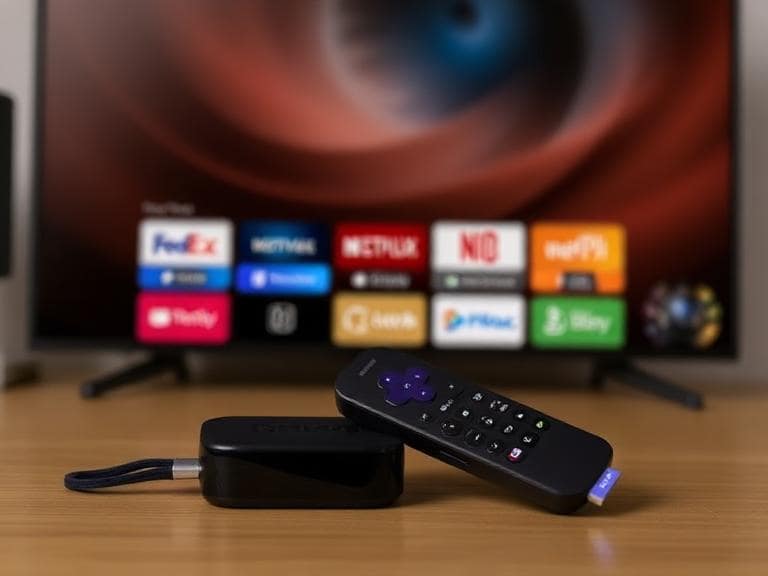
In the ever-evolving world of home entertainment, smart televisions have become essential for accessing a wide array of content without the need for multiple devices. Among the various options available, one platform stands out for its user-friendly interface and extensive streaming capabilities. This comprehensive exploration delves into the core aspects of this innovative television system, providing insights into its functionality and appeal for modern viewers.
The integration of streaming services directly into the TV hardware simplifies the viewing experience, eliminating the clutter of external boxes and cables. Users benefit from a seamless setup that combines traditional broadcasting with on-demand content. This approach caters to diverse preferences, from casual watchers to avid streamers seeking high-quality visuals and audio.
Understanding the underlying technology reveals how it enhances daily entertainment routines. By focusing on accessibility and customization, it addresses common frustrations associated with complicated menus and limited app selections. This makes it an attractive option for households looking to upgrade their living room setup without overwhelming technical requirements.
Exploring further, the system’s compatibility with various accessories and smart home integrations adds layers of convenience. Whether connecting to voice assistants or external audio systems, it adapts to individual needs, ensuring a personalized experience. This flexibility positions it as a versatile choice in a competitive market.
Defining the Core Concept
At its essence, this television variant embeds a dedicated operating system designed specifically for streaming. Manufactured by leading brands, it incorporates hardware that supports high-definition playback and intuitive navigation. The built-in software provides access to thousands of channels, encompassing both free and subscription-based services.
The design philosophy emphasizes simplicity, with a clean home screen that organizes inputs and favorites efficiently. This eliminates the need for separate streaming sticks or boxes, as everything is housed within the TV itself. Users can enjoy a unified interface that blends live broadcasts with online content seamlessly.
Partnerships with multiple TV manufacturers ensure a range of sizes and resolutions, from compact models suitable for bedrooms to large screens for home theaters. This variety accommodates different budgets and room configurations, making it accessible to a broad audience. The emphasis on affordability without sacrificing quality appeals to cost-conscious consumers.
Historical Development
The platform originated from a company specializing in media players, expanding into full television integration over the years. Initial devices focused on external connections, but the shift to built-in systems marked a significant evolution. This progression responded to consumer demands for streamlined entertainment solutions.
Advancements in processor technology have enabled smoother performance and faster app loading times. Regular software updates introduce new features and security enhancements, keeping the system current. This commitment to ongoing improvement ensures longevity and relevance in a fast-paced tech landscape.
Operational Mechanics
The functionality relies on a stable internet connection, either via Wi-Fi or Ethernet, to stream content from various providers. Once connected, the interface allows users to browse and select from an extensive library of apps. Voice control features on compatible remotes facilitate hands-free operation, enhancing usability.
Content delivery involves pulling data from servers hosted by streaming services, rendering it in real-time on the screen. The built-in tuner supports over-the-air antennas for local channels, combining digital and traditional viewing options. This hybrid approach provides comprehensive coverage for all entertainment needs.
Personalization options allow rearrangement of app icons and theme customizations, tailoring the experience to individual tastes. The mobile app companion extends control, offering remote functionality and private listening through headphones. These elements work together to create a cohesive ecosystem.
Connectivity Options
Multiple ports, including HDMI and USB, enable connections to gaming consoles, soundbars, and other peripherals. Compatibility with smart home protocols like Alexa and Google Assistant allows voice commands for power, volume, and channel changes. This integration fosters a connected home environment.
Wireless casting from mobile devices supports sharing photos, videos, and music directly to the screen. Automatic updates ensure the latest features and bug fixes are applied without user intervention. These mechanics underscore the system’s focus on convenience and reliability.
Key Features and Capabilities
High-dynamic-range support delivers vibrant colors and improved contrast for supported content. Audio enhancements like Dolby Atmos provide immersive soundscapes, elevating the viewing experience. The customizable home screen prioritizes frequently used apps and inputs for quick access.
Universal search scans across multiple services to find specific titles, saving time and effort. Free live channels offer news, sports, and entertainment without subscriptions. These features collectively make the system a robust platform for diverse content consumption.
Private listening mode routes audio to connected headphones via the mobile app, ideal for late-night viewing. Screen mirroring capabilities allow duplication of mobile device displays on the TV. This versatility extends utility beyond streaming to presentations and gaming.
Content Discovery Tools
Recommendation algorithms suggest shows based on viewing history, aiding in discovering new favorites. Genre-based zones group related content, simplifying navigation through vast libraries. These tools enhance engagement by presenting tailored options efficiently.
Parental controls restrict access to age-appropriate content, ensuring family-friendly usage. Multi-user profiles maintain separate watchlists and preferences for household members. Such features promote a safe and personalized environment for all users.
Available Models and Variations
Entry-level series offer HD resolution in smaller sizes, suitable for secondary rooms. Mid-range options provide 4K visuals with HDR support, balancing performance and price. Premium models feature QLED panels, Mini-LED backlighting, and advanced audio for top-tier experiences.
Sizes range from 24 inches to 85 inches, accommodating various spaces. Brand collaborations result in diverse designs, from sleek bezel-less frames to robust builds with enhanced speakers. This assortment ensures options for every preference and budget.
Special editions may include gaming optimizations like variable refresh rates and low input lag. Outdoor-rated variants withstand elements for patio installations. These specialized models cater to niche applications, expanding the system’s appeal.
Selecting the Right Model
Consider room size and viewing distance when choosing screen dimensions. Assess desired picture quality against budget constraints. Factor in audio needs, opting for models with built-in sound enhancements or compatibility with external systems.
Evaluate smart home integration requirements for seamless control. Research energy efficiency ratings for long-term cost savings. These considerations guide informed decisions, matching the model to specific lifestyles.
Comparison with Standard Smart Televisions
Unlike generic smart TVs, this system offers a dedicated streaming-focused OS, providing a more intuitive interface. The extensive channel store surpasses many built-in app selections, offering greater variety. Regular updates maintain performance, contrasting with potentially neglected proprietary systems.
Ad presence is managed differently, with options to customize or minimize interruptions. The remote design prioritizes simplicity, often including dedicated buttons for popular services. These differences highlight advantages in user experience and content accessibility.
Cost-wise, models are competitively priced, often undercutting premium brands while delivering comparable features. The absence of mandatory subscriptions for basic functionality adds value. This positions it as a practical alternative for budget-savvy shoppers.
Differences in User Interface
The grid-based layout facilitates easy navigation, unlike hierarchical menus in some competitors. Voice search responsiveness outperforms basic implementations. Customization depth allows for a truly personalized home screen, enhancing daily interactions.
Integration of live TV guides unifies viewing sources, reducing switching between inputs. Mobile app synergy provides additional control layers not always available in other ecosystems. These UI elements contribute to a superior overall experience.
Step-by-Step Setup Guide
Begin by unboxing the unit and attaching the stand or mounting it on the wall using compatible brackets. Connect the power cord and any external antennas for over-the-air channels. Power on the device and follow the on-screen prompts to select language and connect to Wi-Fi.
Create or log into an account to activate the system. The process involves entering an email and setting a password. Once activated, the home screen appears, ready for app installations and customizations.
Install desired channels from the store by searching or browsing categories. Sign in to subscription services using provided credentials. Adjust picture and sound settings through the menu for optimal performance based on room lighting and acoustics.
Advanced Configuration Steps
Pair the mobile app by scanning the QR code or manually connecting via the network. Enable voice control by linking compatible smart assistants. Set up parental controls and profiles for multi-user households.
Calibrate the display using built-in tools or external patterns for accurate colors. Connect peripherals like soundbars via HDMI ARC for enhanced audio. These steps ensure a fully optimized setup.
Current Market Price and Deals
As of early 2026, entry-level 32-inch HD models start around $88, offering affordable entry points. Mid-size 55-inch 4K variants are available for approximately $350, providing good value for everyday use. Larger 65-inch options hover near $500, with premium features included.
Deals often appear through major retailers, with discounts up to 30% on select series. Financing options allow payments as low as $27 per month for higher-end models. Seasonal promotions, such as those in January, can reduce prices further on bundled packages including accessories.
Online platforms frequently offer free shipping and extended warranties. Comparing across vendors reveals competitive pricing, with some providing exclusive bundles. Monitoring deal finders helps secure the best offers.
Pros and Cons
- Affordability: Models are priced competitively, making high-quality streaming accessible without premium costs. This appeals to budget-conscious buyers seeking value. Savings extend to eliminating separate device purchases.
- User-Friendly Interface: The intuitive design simplifies navigation for all ages. Quick access to favorites reduces frustration. Customization options enhance personalization.
- Extensive Content Library: Thousands of channels provide diverse entertainment choices. Free options supplement paid subscriptions. Universal search streamlines discovery.
- Regular Updates: Ongoing software improvements add features and security. This ensures longevity. Automatic delivery minimizes user effort.
- Smart Home Integration: Compatibility with major assistants enables voice control. This fosters a connected ecosystem. Seamless operation with other devices adds convenience.
- Potential Ads: Interface may include promotions, though customizable. Some users find this intrusive. Options exist to minimize visibility.
- Dependency on Internet: Full functionality requires stable connection. Offline use is limited. This may pose issues in areas with poor service.
- Limited Customization Depth: While user-friendly, advanced users may desire more options. Interface simplicity prioritizes ease over complexity. Additional tweaks via settings help mitigate this.
Pro Tips
Utilize the mobile app for easier text entry during searches and logins. This saves time compared to on-screen keyboards. Enable private listening for discreet viewing sessions.
Organize the home screen by pinning frequently used apps at the top. This streamlines access and reduces scrolling. Explore zones for themed content discovery.
Check for software updates manually if automatic ones are delayed. This ensures access to the latest features promptly. Calibrate audio settings for room-specific optimization.
Use screen saver customizations to display personal photos. This adds a personal touch. Integrate with smart lights for ambient viewing enhancements.
Monitor data usage if on metered connections. Adjust streaming quality accordingly. These practices maximize efficiency and enjoyment.
Frequently Asked Questions
- Does it require a monthly fee?: No mandatory fees exist for basic use. Subscriptions apply only to specific services like Netflix. Free channels are available without cost.
- Can it receive local channels?: Yes, with an antenna connected to the built-in tuner. The guide integrates them seamlessly. This provides comprehensive viewing options.
- Is voice control supported?: Compatible remotes and smart assistants enable voice commands. This includes searching and controlling playback. Setup involves linking accounts.
- What sizes are available?: Ranges from 24 to 85 inches. This accommodates various rooms. Select based on space and viewing distance.
- How does it compare to other platforms?: Offers a simpler interface with more channels. Updates are frequent. It’s ideal for streaming-focused users.
- Can I use it without internet?: Limited to antenna TV and connected devices. Streaming requires connectivity. This hybrid functionality provides flexibility.
- Are updates automatic?: Yes, typically. Manual checks ensure timeliness. They enhance performance and add features.
Conclusion
This exploration highlights the system’s strengths in delivering accessible, feature-rich entertainment. From intuitive operations to diverse content options, it addresses modern viewing needs effectively. The balance of affordability and performance makes it a compelling choice for upgrading home setups. Integration capabilities further enhance its value in connected environments. Overall, it represents a smart investment for enhanced daily enjoyment.
