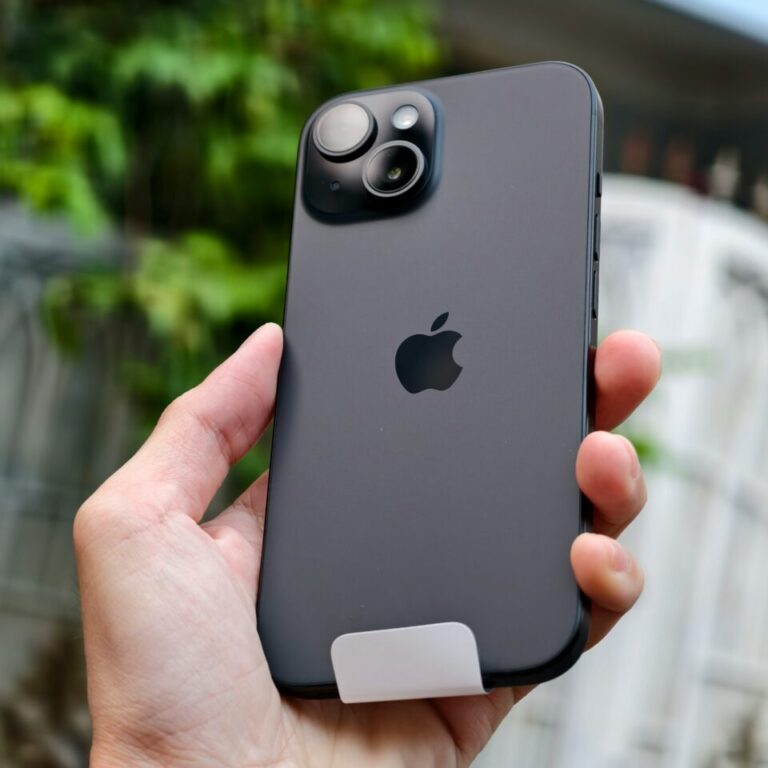
The transition from Apple’s proprietary Lightning connector to the universal USB Type-C (USB-C) port marks one of the most significant shifts in consumer electronics in a decade. While appearing superficially similar—both are small, reversible connectors—the two technologies represent vastly different philosophies and performance standards. The distinction is not merely about form factor; it is a fundamental gulf in capabilities, particularly in data speed, power delivery, and future-proofing. The widespread adoption of USB-C, now enforced in major global markets, is a testament to its technical superiority and its potential to streamline the digital lives of billions of users, eliminating the need for a plethora of proprietary cables and chargers.
For over a decade, Apple’s control over the Lightning standard offered benefits to the company in terms of accessory licensing and design consistency. However, this proprietary model eventually became an obsolescence bottleneck, restricting the performance of modern Apple devices, most notably the iPhone, in an ecosystem that increasingly demands gigabit-speed data transfer and high-wattage charging for power-hungry applications. The shift to USB-C, initially resisted by the tech giant, was ultimately driven by a combination of global regulatory pressure and the undeniable technical limitations of the older Lightning standard.
This detailed examination delves into the verified specifications, protocols, and market forces that confirm the ascendancy of USB-C, highlighting the dramatic differences in peak performance, from basic data syncing to the newly enabled 240W Extended Power Range (EPR) charging protocol, and explaining the mandatory move that cemented USB-C as the undisputed global standard.
I. Data Transfer Speed: The Fundamental Disparity in Bandwidth
The most glaring technical limitation of the Lightning connector, especially in the context of professional-grade mobile devices, has always been its data transfer speed. Unlike the open USB standard which has evolved rapidly, Lightning remained tethered to an older, slower specification for most of its lifespan, creating a severe bottleneck for users generating large media files.
The Lightning Bottleneck: USB 2.0 Speeds
For the vast majority of Apple devices, including older iPhone models and base-model iPhones post-switch, the Lightning connector was limited to USB 2.0 specifications. This standard offers a theoretical maximum data transfer rate of just 480 Megabits per second (Mbps), which translates to a practical transfer rate of approximately 60 Megabytes per second (MB/s). For simple tasks like syncing small contact lists or charging a phone overnight, this speed is adequate. However, modern professional content creation demands far more bandwidth:
- High-Resolution Photo and Video Files: A single high-resolution 48-megapixel ProRAW photograph, generated by newer smartphone cameras, can easily exceed 75MB. Transferring just a few dozen of these files, let alone an entire video project, over a 480 Mbps link becomes frustratingly slow, often taking minutes instead of seconds.This limitation forced users to rely on slower, Wi-Fi-dependent methods like iCloud Photos or AirDrop, rather than the physical cable, for moving large data sets, compromising workflow speed and efficiency.
- Proprietary Restrictions: While the original iPad Pro did briefly implement USB 3.0 speeds over a specialized Lightning-to-USB-C cable, this was an exception, not the rule, and the technology was not broadly deployed across the iPhone lineup. This demonstrates that the physical connector itself was not the absolute barrier, but the company’s deliberate choice to restrict the internal protocol.This strategic limitation maintained control over the accessory market and differentiated Apple products, but ultimately handicapped the user experience for creative professionals and high-volume data users.
This inherent speed restriction was the primary technical driver for why the industry—and eventually, Apple itself—needed a faster, more capable physical interface.
The USB-C Spectrum: From 5 Gbps to 40 Gbps
In stark contrast, the USB-C connector is merely the physical housing for a wide array of powerful and constantly evolving data protocols. Its 24-pin design, compared to the Lightning connector’s 8-pin design, allows it to support sophisticated signaling required for high-speed protocols. When a device features a USB-C port, it typically supports performance orders of magnitude greater than Lightning:
- USB 3.2 Gen 1 (USB 3.0): The common entry-level speed for a USB-C port is 5 Gigabits per second (Gbps), which is over 10 times faster than Lightning’s 480 Mbps. This speed is sufficient for quick backups and transferring moderately large files.This is generally the minimum speed implemented on newer base-model smartphones, offering a substantial speed increase that immediately justifies the connector change for the average consumer.
- USB 3.2 Gen 2: Many mid-to-high-end USB-C implementations support 10 Gbps, a 20-fold increase over the old standard. This is the speed adopted by many high-performance external SSDs and docks.This speed is critical for video editors and photographers who need to edit files directly from external, fast storage, eliminating the time wasted on pre-transferring data to a computer’s local drive.
- USB4 and Thunderbolt 4/5: At the pinnacle of the USB-C ecosystem are the Thunderbolt protocols, which operate over the USB-C physical connector. Thunderbolt 4 and USB4 both offer speeds of up to 40 Gbps, and the newer Thunderbolt 5 can reach 80 Gbps or even 120 Gbps in asymmetric mode.This is the connectivity used to power multi-display setups (dual 4K or single 8K monitors), high-speed external GPU enclosures, and professional-grade docking stations, turning a laptop or even a high-end tablet into a full-fledged workstation with a single cable connection.
The beauty of USB-C is this scalability. The connector does not define the speed; the underlying protocol does. By adopting the physical standard, Apple opened the door to implementing these higher protocols in its pro-grade devices, finally leveraging the power delivery and display capabilities that were previously restricted by Lightning.
II. Charging Power: Scaling to 240 Watts with USB-C PD 3.1
The second, equally powerful argument for the USB-C standard is its ability to handle vastly greater amounts of electrical power, a necessity in a world increasingly reliant on high-performance laptops and rapid-charging smartphones.
The Lightning Power Ceiling
The Lightning connector, designed in an era when most smartphones charged at under 10W, peaked at a maximum power delivery of around 20-27 Watts (W), typically achieved when paired with an Apple-certified USB-C Power Delivery (PD) charger. While sufficient for fast-charging a small smartphone battery—delivering a 50% charge in about 30 minutes—this ceiling made it useless for powering larger devices.
The 20-27W limit meant that the Lightning connector could not effectively charge a laptop, a high-end tablet, or any device with a larger battery. This necessitated the continued use of proprietary, high-wattage charging bricks and the bulky barrel connectors that defined the laptop charging experience for decades. It enforced cable fragmentation, requiring users to carry one cable for their phone and another, completely incompatible one for their laptop.
This restriction fundamentally limited the versatility of the iPhone and associated accessories, preventing them from acting as central power hubs for a unified digital workspace.
The USB Power Delivery 3.1 Revolution
USB-C unlocked the concept of universal power delivery through the USB Power Delivery (USB PD) specification. This technology allows the charger and the device to have a “handshake”—a two-way communication that negotiates the exact amount of voltage and current required, ensuring safe and optimal charging.
The evolution of the USB PD standard has been phenomenal:
- Initial Standard (USB PD 3.0): This initially pushed the maximum power limit to 100W (20V at 5A). This was a major milestone, as it made it possible to charge almost every thin-and-light laptop, as well as high-power monitors and docking stations, using a single USB-C cable.The 100W threshold immediately rendered many proprietary 65W or 90W laptop chargers redundant, paving the way for the simplification of travel and desk setups.
- Extended Power Range (EPR) (USB PD 3.1): The latest iteration, USB PD 3.1, is a true game-changer. It introduces the Extended Power Range (EPR), which dramatically increases the power capability to a maximum of 240W (achieved through new voltage levels up to 48V at 5A).This 240W capability finally brings high-performance gaming laptops, mobile workstations, and high-wattage professional monitors into the USB-C charging ecosystem. These are devices that previously relied exclusively on large, proprietary power bricks. The shift means that a user can now theoretically charge their high-end laptop, tablet, and smartphone using one single type of connector and a powerful, compatible charger.
To safely handle this level of power, USB PD 3.1 mandates the use of specialized EPR cables equipped with an electronic marker (eMarker) chip. This chip ensures that the charger and device can confirm the cable’s capability to handle the increased power safely before the charging process begins, preventing damage and maintaining safety across the ecosystem.
III. Versatility and Standards: The Universal Connector
Beyond speed and power, the intrinsic difference between the two connectors lies in their fundamental nature: one is proprietary and closed, and the other is an open, universal standard developed by the USB Implementers Forum (USB-IF).
The Alternate Modes of USB-C
The physical structure of the USB-C connector is designed not just for USB data protocols, but also for Alternate Modes, which allow it to carry non-USB signals—a capability that Lightning severely lacked. This adaptability makes USB-C the true single-cable solution for modern computing:
- DisplayPort Alternate Mode: This allows USB-C to transmit high-resolution video signals directly to external displays, including 4K and 8K monitors, without needing a separate video cable or dedicated video port. A single cable can power a laptop, transmit the video signal, and carry data simultaneously.The alternative with Lightning required expensive, proprietary adapter dongles for video out, adding complexity, cost, and a point of failure for users who needed to connect to projectors or external screens.
- Thunderbolt Alternate Mode: As detailed earlier, this enables the industry-leading 40 Gbps data and display standard over the same physical port, offering unparalleled expansion capabilities for external GPUs, high-speed storage arrays, and professional docks.The Thunderbolt protocol, though originally co-developed with Intel, now seamlessly uses the USB-C connector, demonstrating the open standard’s willingness to integrate and simplify high-end computing peripherals.
- Audio Output: Both connectors support digital audio output, but the universality of USB-C means that a massive ecosystem of headphones, microphones, and digital audio converters (DACs) can be developed and used across all brands and operating systems, reducing consumer friction.Lightning’s audio output was restricted to MFi-certified accessories, creating market fragmentation and raising the cost for consumers.
The core advantage of USB-C is that it functions as a supersport, capable of carrying data, power, and high-speed video/audio simultaneously and reversibly, making it the most future-proof and functionally versatile connector in consumer history.
IV. Why Apple Switched: The European Union Mandate
Despite the clear technical advantages, the transition of the iPhone and other key Apple accessories from Lightning to USB-C was not a voluntary move driven solely by performance. It was a direct consequence of landmark legislation passed by the European Union (EU).
The Common Charger Directive and E-Waste Reduction
The EU’s push for a single, unified charging standard for portable electronic devices culminated in the Radio Equipment Directive (RED), which mandates USB-C as the common charging port. The primary stated objective of this directive is e-waste reduction and consumer convenience.
- The E-Waste Crisis: Before the mandate, a 2020 EU report highlighted that consumers collectively spent hundreds of millions of Euros annually on redundant or incompatible chargers, contributing to an estimated 11,000 tonnes of e-waste per year. By unifying the connector, the EU sought to encourage consumers to reuse their existing cables and power bricks when purchasing new devices, regardless of the manufacturer.This mandate created a powerful incentive for systemic change across the entire consumer electronics industry, with the ultimate goal of environmental stewardship and resource conservation.
- The Deadline: The final legislation set a firm deadline. All new mobile phones, tablets, digital cameras, headphones, portable speakers, handheld video game consoles, and other small and medium-sized devices sold in the EU must be equipped with a USB-C charging port by December 28, 2024.This date forced Apple’s hand. As a company that ships hundreds of millions of devices globally, the EU market is far too significant to ignore or exit, necessitating compliance across its primary product line, the iPhone.
- Global Domino Effect: The EU’s decisive action has had a ripple effect globally. Regions like India, for example, have also mandated a similar transition to USB-C for various devices, demonstrating the powerful influence of a large, unified market and the inherent logic of standardization.This trend validates the USB-C standard as the global future, making Apple’s continued proprietary resistance unsustainable on a practical and logistical level.
The End of MFi and Proprietary Control
Prior to the switch, the Lightning connector was an integral part of Apple’s lucrative Made for iPhone/iPad (MFi) licensing program. Manufacturers of Lightning accessories had to pay a fee and gain certification from Apple, ensuring quality control but also generating significant revenue and maintaining a closed ecosystem.
The mandatory move to the open USB-C standard effectively dismantles this layer of proprietary control over the charging and accessory ecosystem. While Apple still implements variations of the USB standard (such as limiting the speed of base models to USB 2.0 over the USB-C port), the physical connector is now universal, allowing any manufacturer to produce a compliant USB-C cable or peripheral without Apple’s direct certification.
This shift benefits consumers by increasing competition, potentially lowering the cost of cables and accessories, and significantly improving cross-compatibility between Apple devices, Android devices, Windows PCs, and various other consumer electronics.
V. The Future of Connectivity: USB-C and Beyond
The successful enforcement of the USB-C standard marks a pivotal moment, but the evolution of connectivity does not stop here. The future of data and power transfer is already being defined by the next generations of protocols that continue to utilize the same versatile USB-C physical port.
USB4 and Thunderbolt 5
The highest performance demands of the next generation of computing—driven by Artificial Intelligence, virtual reality, and 16K video editing—will rely on protocols that push the 40 Gbps barrier:
- USB4 Version 2.0: This next-generation protocol aims to achieve speeds up to 80 Gbps, building directly on the foundation of the USB-C connector. It ensures backward compatibility while providing the bandwidth necessary for connecting multiple high-resolution displays and transferring terabytes of data quickly.The key takeaway is that the connector remains the same, proving that USB-C was designed from the ground up to be future-proof and scalable by changing only the internal chips and cable signaling, not the physical port.
- Thunderbolt 5: Pushing the envelope even further, Thunderbolt 5, which operates over USB-C, offers the highest symmetrical bandwidth at 80 Gbps, with the capacity to burst up to 120 Gbps for display-heavy workloads. It also maintains support for the 240W Power Delivery standard.This technology is critical for power users and professionals who need to run extreme setups, such as triple 4K monitors or a single 8K display, all connected through a single port on a notebook.
Wireless Charging and Portless Devices
While the cable standard has been unified, the long-term industry trend points toward a future of entirely portless devices that rely exclusively on wireless charging and data transfer. Technologies like MagSafe and the Qi wireless charging standard have grown in efficiency and speed. Some observers speculated that Apple might attempt to bypass the EU mandate entirely by removing the charging port before the deadline, making their devices rely solely on wireless power, which was exempted from the regulation.
However, the technical limitations of wireless power—specifically slower charging speeds, thermal issues, and the inability to transfer high-bandwidth data (like 40 Gbps) wirelessly—mean that the physical USB-C port is guaranteed to remain essential for high-power charging, diagnostics, and professional data workflows for the foreseeable future. Wireless power is an excellent supplement, but it is not yet a technical replacement for the physical versatility and raw power of a full-featured USB-C connection.
Conclusion
The shift from Lightning to USB-C represents a victory for universal standards, consumer convenience, and technological advancement. The Lightning connector, constrained by its design and its proprietary implementation of the older USB 2.0 standard, maxed out at a meager 480 Mbps data transfer rate and 27W charging ceiling, creating an undeniable bottleneck for modern high-resolution content and high-performance devices.
In contrast, the USB-C port is the highly versatile physical host for vastly superior protocols, offering standardized data speeds up to 40 Gbps via Thunderbolt 4 and a staggering power delivery capacity up to 240W through the USB PD 3.1 Extended Power Range. This difference in specification is why the switch was inevitable. Ultimately, the European Union’s common charger mandate, driven by the imperative to reduce e-waste and simplify the user experience, provided the non-negotiable deadline that propelled the entire industry, including Apple, into the era of the universal, high-performance USB-C standard, solidifying its place as the single most critical connector in the global electronics market.

Full-stack developer at Scylla Technologies (USA), working remotely from Bangladesh. Adobe Certified Magento Developer.