

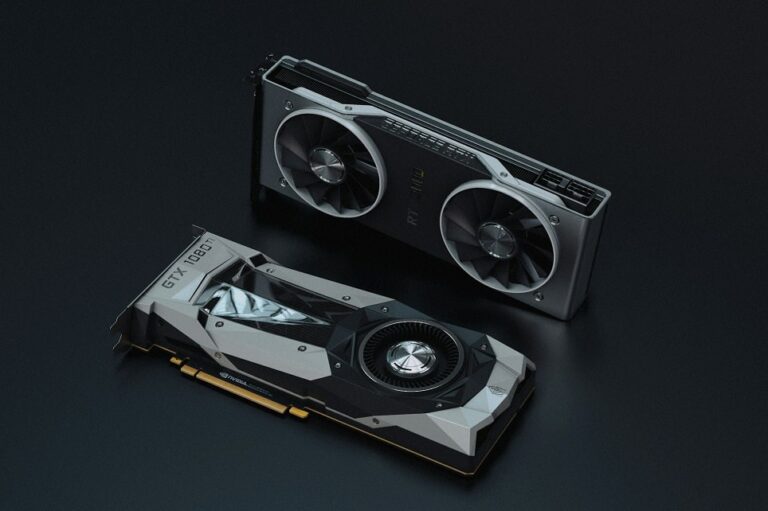
The graphics card market has been characterized by extreme volatility and unpredictable pricing for years, turning the simple act of upgrading a PC into a strategic, research-intensive undertaking. As we look toward 2026, the market remains heavily influenced by factors extending far beyond consumer gaming demand. The rise of large-scale AI data centers, persistent global supply chain complexities, and high manufacturing costs for advanced nodes like 3nm and 4nm have all converged to create a landscape where the manufacturer’s suggested retail price (MSRP) is often a theoretical number rather than a concrete reality.
For PC builders and gamers, this volatility means that simply walking into a store or checking a single retailer’s website is the fastest way to overpay. Securing a graphics card at a fair price—or ideally, finding a genuine deal—requires diligence, advanced tracking methods, and a deep understanding of current market trends. This guide provides a comprehensive, step-by-step approach to mastering GPU price tracking, enabling you to navigate the complex ecosystem of manufacturers (Nvidia, AMD, Intel), retailers, and third-party sellers to make a truly informed and cost-effective purchase.
Success in this market is directly proportional to preparation and timing. By setting up robust, real-time tracking, understanding key price history, and leveraging community knowledge, you can identify those fleeting moments of price stability or deep discount that separate a successful buy from an expensive regret. The goal is to move beyond passive monitoring to become an active, strategic participant in the GPU purchasing process.
Understanding the GPU Pricing Landscape in 2025/2026
Before implementing any tracking strategies, a buyer must first grasp the core macroeconomic forces dictating GPU street prices, which often deviate significantly from MSRP, particularly on high-end models like the RTX 5090 or RX 9070 XT. Current market conditions indicate a complex interplay of high corporate demand and rising production costs that keep a high baseline price floor under most products.
The Impact of AI, Data Centers, and Corporate Demand
In 2025 and moving into 2026, the single greatest factor driving up the cost of high-end graphics cards is the intense, almost insatiable demand from large technology companies and start-ups for AI and machine learning infrastructure. These entities purchase high-end GPUs—often the same core silicon used in flagship consumer cards—by the truckload, sometimes negotiating massive bulk deals directly with Nvidia and AMD. This corporate allocation dramatically reduces the supply available for the consumer market.
This dynamic has two major consequences for consumers. First, it drives the average street price of top-tier cards well above their advertised MSRP, sometimes by 50% or more, as demand far outstrips residual supply. Second, it causes an artificial scarcity in the enthusiast sector, pushing some higher-end gamers down toward the mid-range market, which in turn inflates the prices of cards like the RTX 5070 Ti and RX 9070. The consumer market essentially competes with enterprise AI budgets, a competition the consumer almost always loses.
The Volatility of VRAM and Manufacturing Costs
Modern GPUs rely on advanced fabrication processes and high-speed memory (GDDR6, GDDR7) which are becoming increasingly expensive to produce. The transition to cutting-edge nodes, such as 3nm, involves higher wafer costs. Furthermore, the rising cost and tightening supply of VRAM—a crucial component for modern gaming and AI tasks—add immediate pressure to the final product cost. Reports indicate that manufacturers like AMD have had to consider raising prices across their entire product lines due to skyrocketing memory chip prices.
This rising cost profile means that while prices may “crater” temporarily (returning closer to MSRP after a period of high inflation), the new baseline price for a modern graphics card will likely be permanently higher than the pricing tiers seen before 2020. Buyers must reset their expectations: getting a deal today means finding a card near or slightly below the elevated modern MSRP, not necessarily finding a card at the inflation-adjusted price of a decade ago.
MSRP vs. Street Price: The Permanent Gap
The search results from late 2025 highlight a key reality: the MSRP (Manufacturer’s Suggested Retail Price) for high-end GPUs often acts only as a starting point. While midrange cards like the Intel Arc B570 or the Nvidia RTX 5060 often stick closer to their MSRP, flagship models consistently sell at significant premiums.
This is further complicated by regional variations and tariffs. A card that is briefly available at its $999 MSRP in one region might be priced at $1,264 or higher in another. Successful price tracking is therefore not about finding the MSRP, but tracking the Average Selling Price (ASP) over time from reliable retailers and determining when the current ASP dips into an acceptable range relative to historical averages. Tracking performance-per-dollar metrics, such as those provided by value-comparison sites, is a highly effective way to cut through the noise of inflated price tags and quantify a card’s true worth.
Essential Tools for Real-Time Price Monitoring
Effective GPU price tracking moves beyond bookmarking retailer pages. It requires employing specialized tools that automate surveillance, analyze historical data, and leverage community intelligence. These tools are the foundation of securing a competitive edge in a volatile market.
Dedicated GPU Price Tracker Websites and Aggregators
The most direct approach involves utilizing dedicated websites built specifically to track and compare graphics card prices across multiple major retailers, including Amazon, Newegg, Best Buy, and B&H Photo. These platforms aggregate data and, critically, often calculate a “value score” (performance divided by price), giving buyers a quantifiable metric for making informed decisions.
- Value Comparison Tables: Websites that maintain value tables (e.g., benchmark score/price ratio) are essential. They update data frequently, sometimes twice daily, and allow buyers to compare performance not just among new cards, but also against used or previous-generation models. This context is vital when considering the real-world value of a purchase, especially when dealing with confusing generational jumps or segmented SKUs like the 8GB versus 16GB versions of the RTX 5060 Ti.
- Price History and Trend Analysis: A good price tracker must display a card’s price history over the last six to twelve months. Seeing that a card is selling for $550 today is meaningless unless you know its MSRP is $549 and its typical street price for the last year has been $680. Identifying genuine price drops, rather than simply low current prices, is only possible with historical data visualization, which prevents buying during a temporary market high.
- Used vs. New Market Integration: Some advanced trackers integrate data from secondary markets like eBay, providing a comprehensive view of both new and used prices. This feature is particularly useful for budget-conscious buyers, as older but powerful cards (like the previous-generation high-end models) often provide superior performance-per-dollar value in the used market compared to new low- or mid-range cards.
Browser Extensions and Automated Web Monitors
When dedicated tracking sites fail to cover a specific or niche retailer, or when a buyer needs hyper-specific stock alerts, third-party web monitoring tools become indispensable. These tools are designed to monitor changes on any given webpage, allowing users to track prices and stock availability directly on the seller’s site.
- Visual Page Monitoring: Tools like Visualping or similar services allow users to select a specific visual area on a product page—such as the price text or the “Add to Cart” button—and monitor only that section for changes. When the price drops or the stock status changes from “Out of Stock” to “In Stock,” the user receives an immediate email notification.
- Setting Up Custom Alerts: The process typically involves copying the exact product URL and pasting it into the monitoring service, then defining the area to be tracked. For highly sought-after cards, it is advisable to set the checking frequency to short intervals (e.g., every five minutes) to beat automated purchasing bots or other quick-acting buyers.
- Limitations: While powerful, these tools can sometimes generate false positives if a website dynamically changes its layout or adds non-price-related elements to the monitored area. They are best used for final-stage tracking on specific product listings after the initial research has narrowed down the desired card model.
Community-Driven Deal Aggregators
No automated tool can entirely replace the speed and collective intelligence of an active online community. Platforms like dedicated subreddits (e.g., r/buildapcsales, r/hardware) or Discord servers focused on PC hardware deals are often the first place real-world price drops and mispriced items are posted, sometimes minutes before they are reflected on automated trackers.
These communities rely on human vigilance and offer context that data alone cannot. Users can discuss the quality of a deal, whether a specific retailer is reputable, or if a price drop is the result of a temporary error or a genuine sale. Monitoring these channels in real-time is an advanced strategy for securing limited-time or limited-stock deals that evaporate quickly, such as short-lived promo code offers or refurbished drops from official manufacturers.
Advanced Strategies for Securing the Best Deals
Finding a good price is only half the battle; knowing when and where to apply pressure to the market is the next crucial step. Strategic buying involves anticipating manufacturer schedules, leveraging seasonal dips, and understanding the performance-per-dollar offered by alternative markets.
Timing Your Purchase: Seasonal Sales and New Releases
The GPU market, despite its volatility, adheres to predictable seasonal trends and product cycles that smart buyers can exploit.
The end of the calendar year is consistently the best time to purchase a GPU. Major events like Black Friday and Cyber Monday (late November) remain primary targets for deep discounts. Retailers, eager to move stock before the close of the fiscal year, often offer the steepest price reductions, sometimes pushing select models below their MSRP. Buyers tracking prices in November 2025 saw significant sales on cards like the RX 9060 XT and mid-range RTX 50-series cards.
The second best time to buy is immediately following a major new product launch. When a new generation of cards (e.g., the RTX 60-series) is announced, the previous generation (RTX 50-series) is often marked down as retailers and manufacturers seek to clear inventory. These price reductions can sometimes be gradual, requiring continuous tracking to find the lowest point before the previous-gen cards are completely cycled out of production.
Leveraging the Used and Refurbished Market
For buyers targeting high performance on a moderate budget, the used and refurbished market represents the single greatest opportunity for value. Many enthusiasts upgrade yearly, offloading powerful, well-maintained cards that still have years of performance left.
A refurbished card purchased directly from a reputable manufacturer (e.g., Dell, HP, or a major component brand) or a certified retailer is often rigorously tested and comes with a limited warranty, offering peace of mind. These can provide savings of 15% to 30% off the new retail price, making a previously high-end card accessible at a mid-range price point.
When looking at the standard used market (e.g., eBay, specialized hardware forums), focus on cards known for longevity and value. Historically, used mid-range and high-end cards from the two previous generations (e.g., RTX 4000 or RX 7000 series in 2026) often provide superior performance-per-dollar compared to brand-new entry-level cards.
Monitoring International Retailers and Gray Market Sales
While complicated by shipping, customs duties, and warranty issues, international price arbitrage can occasionally yield significant savings, especially in regions where localized tariffs or tax structures are favorable. This strategy is most effective for buyers who live near borders or have access to forwarding services.
However, this tactic comes with substantial risks, including:
- Warranty Voids: Most GPU warranties are regional. Sending a card back to a retailer in Germany from the US, for instance, can be prohibitively expensive or complicated by manufacturer policies.
- Customs and Duties: The final cost is often difficult to predict, as tariffs, VAT, and brokerage fees can erase any initial savings. Buyers must research their local import duties thoroughly before committing to a purchase.
- Return Complexity: Returning a faulty card to an international seller is complex, expensive, and time-consuming, meaning this option should only be considered for highly reliable models from trusted, large-scale international vendors.
Pro Tips for Strategic GPU Purchasing
Tip 1: Always Buy Based on VRAM Capacity First
Modern gaming and content creation tasks are increasingly VRAM-hungry. Many titles released in the mid-2020s utilize textures and data sets that can quickly overwhelm cards with 8GB or less of video memory, leading to stuttering or poor performance even on otherwise powerful GPUs. When tracking deals, prioritize models with at least 12GB of VRAM, and ideally 16GB, for true future-proofing. For example, search data shows that 16GB cards like the RX 9060 XT often outsell their 8GB counterparts because consumers are wary of hitting VRAM limitations. The slight price premium for the higher-VRAM model is a better investment than saving a small amount on a card that will become obsolete sooner due to memory constraints.
Tip 2: Understand the “Price Gouging vs. Inflation” Debate
The high prices are not solely due to greed; they are a complex mix of price gouging (especially on flagship cards lacking competition, like the RTX 5090) and genuine, industry-wide inflation affecting semiconductor costs. When a company like AMD raises its prices by 10% across the board due to memory chip shortages, that is a cost passed down from the supply chain. When an MSRP-priced card immediately sells on the secondary market for 50% more, that is scalping and artificial scarcity.
Actionable Insight: Use historical inflation calculators (adjusting older MSRPs to current-year dollars) to determine the “fair” price floor. If a current-gen card is selling below the adjusted inflation price of its equivalent model from 2018 (e.g., an RTX 2070’s adjusted price), it might actually be a decent value, despite the high nominal number.
Tip 3: Set Up Multi-Channel Alerts
Do not rely on a single tracking method. The most successful buyers utilize a tiered alert system:
- Tier 1 (Instant Alerts): Use automated web monitors (like Visualping) for 2–3 highly specific product listings on major retailers (e.g., one specific model of the RTX 5070 Ti at Newegg).
- Tier 2 (Daily Digest): Subscribe to email updates from dedicated GPU price tracking websites for overall market trends and value score changes.
- Tier 3 (Community Buzz): Join one or two highly active deal-focused Discord or Reddit groups and set up push notifications for specific keywords (e.g., “RX 9070 XT” or “$599”).
Tip 4: Don’t Dismiss Intel Arc
While Nvidia and AMD dominate the conversation, Intel’s entry into the discrete GPU market with the Arc series (like the B570 and B580) offers some of the most competitive budget value, often sold much closer to, or even below, MSRP compared to their competitors. These cards are specifically designed to leverage competitive pricing and features (like AV1 encoding) to gain market share. While they may have occasional software quirks, their rapid price improvements and features make them a prime target for value buyers who track their performance-per-dollar metrics closely.
Frequently Asked Questions (FAQ)
Q: Will GPU prices ever return to pre-2020 levels?
A: It is highly unlikely that prices will revert to pre-2020 baseline levels. The global semiconductor shortage, coupled with the permanent, overwhelming demand from AI data centers and the increased cost of advanced manufacturing nodes (3nm, 4nm), has reset the market’s price floor. While GPU pricing has ‘cratered’ somewhat since the absolute peak of the mid-2020s, reducing the average price percentage over MSRP from nearly 30% to around 10% for midrange cards, the MSRPs themselves are significantly higher than previous generations. Expect a new, higher baseline price for all current and future generations.
Q: How can I differentiate a genuine sale from a fake markdown?
A: A fake markdown often advertises a price reduction from an inflated, non-existent “Comparable Value” or “List Price” that the card rarely or never sold for. To verify a genuine sale, you must consult historical price tracking data from a reputable, third-party source. If a card’s price is $400, and its documented street price for the last six months was $450, that is a genuine $50 saving. If the retailer claims the original price was $700, but historical trackers show it never sold above $460, it is likely a fake markdown intended to exploit buyers who do not check price history.
Q: Is it safe to buy a used GPU from a cryptocurrency miner?
A: Yes, but only with caution and verification. GPUs used in professional mining farms are often run at controlled temperatures and undervolted for efficiency, which can minimize long-term wear, unlike a card constantly pushed to its limit by a gamer. However, extreme continuous use reduces component lifespan. The best practice is to buy used cards that were run in low-heat, controlled environments and come with documented proof of use (e.g., photos of the mining setup). Always prefer sellers who offer a short-term warranty or a tested return policy. Cards from the last two generations (RTX 4000/3000 series or RX 7000/6000 series) are generally safer, as they are less likely to have been abused during the absolute peak of the most recent mining boom.
Q: When should I wait, and when should I buy immediately?
A: The decision is based on urgency and pricing trends. Wait if:
- Your current card meets your needs (e.g., you can play AAA games acceptably, even at lower settings).
- Prices for the card you want are consistently selling 15% or more above MSRP.
- New product launches (like a 50 Super refresh or 60-series announcement) are rumored within the next six months.
Buy Immediately if:
- You find a card selling at or below MSRP, particularly during a major retail event like Cyber Monday.
- Current market analysis shows memory prices or general component costs are predicted to rise soon (as was the case with VRAM in late 2025).
- Your existing GPU has failed or cannot perform essential work tasks.
Conclusion
Mastering GPU price tracking transforms the buying process from a stressful lottery into a strategic, value-driven hunt. The current market, defined by intense corporate AI demand and high manufacturing costs, necessitates a proactive approach where the dedicated buyer utilizes multiple tracking channels—from automated price comparison sites and browser extensions to real-time community deal aggregators—to gain a competitive edge. The goal is to identify a genuine price drop relative to historical trends, rather than simply accepting the current inflated street price.
Successful GPU purchasing in 2026 demands patience, vigilance, and the ability to distinguish between inflated retail numbers and actual value-for-performance, especially by prioritizing VRAM capacity and exploring the increasingly viable refurbished market. By employing these real-time monitoring strategies and adhering to data-driven decision-making, you can successfully navigate the market’s turbulence and secure the most powerful graphics card for your budget, potentially saving hundreds of dollars while future-proofing your system against rising hardware demands.
This video provides a historical snapshot of price trends and deals from mid-2025, which can help readers benchmark current prices: At Last, Equilibrium: GPU Price Watch August 2025
The Ultimate 2026 Guide to Real-Time GPU Price Tracking: How to Find the Best Graphics Card Deals and Save Hundreds
The graphics card market has been characterized by extreme volatility and unpredictable pricing for years, turning the simple act of upgrading a PC into a strategic, research-intensive undertaking. As we look toward 2026, the market remains heavily influenced by factors extending far beyond consumer gaming demand. The rise of large-scale AI data centers, persistent global supply chain complexities, and high manufacturing costs for advanced nodes like 3nm and 4nm have all converged to create a landscape where the manufacturer’s suggested retail price (MSRP) is often a theoretical number rather than a concrete reality.
For PC builders and gamers, this volatility means that simply walking into a store or checking a single retailer’s website is the fastest way to overpay. Securing a graphics card at a fair price—or ideally, finding a genuine deal—requires diligence, advanced tracking methods, and a deep understanding of current market trends. This guide provides a comprehensive, step-by-step approach to mastering GPU price tracking, enabling you to navigate the complex ecosystem of manufacturers (Nvidia, AMD, Intel), retailers, and third-party sellers to make a truly informed and cost-effective purchase.
Success in this market is directly proportional to preparation and timing. By setting up robust, real-time tracking, understanding key price history, and leveraging community knowledge, you can identify those fleeting moments of price stability or deep discount that separate a successful buy from an expensive regret. The goal is to move beyond passive monitoring to become an active, strategic participant in the GPU purchasing process.
Understanding the GPU Pricing Landscape in 2025/2026
Before implementing any tracking strategies, a buyer must first grasp the core macroeconomic forces dictating GPU street prices, which often deviate significantly from MSRP, particularly on high-end models like the RTX 5090 or RX 9070 XT. Current market conditions indicate a complex interplay of high corporate demand and rising production costs that keep a high baseline price floor under most products.
The Impact of AI, Data Centers, and Corporate Demand
In 2025 and moving into 2026, the single greatest factor driving up the cost of high-end graphics cards is the intense, almost insatiable demand from large technology companies and start-ups for AI and machine learning infrastructure. These entities purchase high-end GPUs—often the same core silicon used in flagship consumer cards—by the truckload, sometimes negotiating massive bulk deals directly with Nvidia and AMD. This corporate allocation dramatically reduces the supply available for the consumer market.
This dynamic has two major consequences for consumers. First, it drives the average street price of top-tier cards well above their advertised MSRP, sometimes by 50% or more, as demand far outstrips residual supply. Second, it causes an artificial scarcity in the enthusiast sector, pushing some higher-end gamers down toward the mid-range market, which in turn inflates the prices of cards like the RTX 5070 Ti and RX 9070. The consumer market essentially competes with enterprise AI budgets, a competition the consumer almost always loses.
The Volatility of VRAM and Manufacturing Costs
Modern GPUs rely on advanced fabrication processes and high-speed memory (GDDR6, GDDR7) which are becoming increasingly expensive to produce. The transition to cutting-edge nodes, such as 3nm, involves higher wafer costs. Furthermore, the rising cost and tightening supply of VRAM—a crucial component for modern gaming and AI tasks—add immediate pressure to the final product cost. Reports indicate that manufacturers like AMD have had to consider raising prices across their entire product lines due to skyrocketing memory chip prices.
This rising cost profile means that while prices may “crater” temporarily (returning closer to MSRP after a period of high inflation), the new baseline price for a modern graphics card will likely be permanently higher than the pricing tiers seen before 2020. Buyers must reset their expectations: getting a deal today means finding a card near or slightly below the elevated modern MSRP, not necessarily finding a card at the inflation-adjusted price of a decade ago.
MSRP vs. Street Price: The Permanent Gap
The search results from late 2025 highlight a key reality: the MSRP (Manufacturer’s Suggested Retail Price) for high-end GPUs often acts only as a starting point. While midrange cards like the Intel Arc B570 or the Nvidia RTX 5060 often stick closer to their MSRP, flagship models consistently sell at significant premiums. Tracking data showed the combined average price over MSRP for all in-stock GPUs collectively decreased from 27.8% over MSRP to 10.7% in late 2025, indicating an improving, but still inflated, market for many cards.
This is further complicated by regional variations and tariffs. A card that is briefly available at its $999 MSRP in one region might be priced at $1,264 or higher in another. Successful price tracking is therefore not about finding the MSRP, but tracking the Average Selling Price (ASP) over time from reliable retailers and determining when the current ASP dips into an acceptable range relative to historical averages. Tracking performance-per-dollar metrics, such as those provided by value-comparison sites, is a highly effective way to cut through the noise of inflated price tags and quantify a card’s true worth.
Essential Tools for Real-Time Price Monitoring
Effective GPU price tracking moves beyond bookmarking retailer pages. It requires employing specialized tools that automate surveillance, analyze historical data, and leverage community intelligence. These tools are the foundation of securing a competitive edge in a volatile market.
Dedicated GPU Price Tracker Websites and Aggregators
The most direct approach involves utilizing dedicated websites built specifically to track and compare graphics card prices across multiple major retailers, including Amazon, Newegg, Best Buy, and B&H Photo. These platforms aggregate data and, critically, often calculate a “value score” (performance divided by price), giving buyers a quantifiable metric for making informed decisions.
- Value Comparison Tables: Websites that maintain value tables (e.g., benchmark score/price ratio) are essential. They update data frequently, sometimes twice daily, and allow buyers to compare performance not just among new cards, but also against used or previous-generation models. This context is vital when considering the real-world value of a purchase. For instance, knowing that a refurbished last-gen card offers a higher value score than a new budget model can shift a purchasing decision immediately.
- Price History and Trend Analysis: A good price tracker must display a card’s price history over the last six to twelve months. Seeing that a card is selling for $550 today is meaningless unless you know its MSRP is $549 and its typical street price for the last year has been $680. Identifying genuine price drops, rather than simply low current prices, is only possible with historical data visualization, which prevents buying during a temporary market high. This is the only way to spot a legitimate Black Friday markdown versus a retailer resetting the price to the original MSRP after a price hike.
- Used vs. New Market Integration: Some advanced trackers integrate data from secondary markets like eBay, providing a comprehensive view of both new and used prices. This feature is particularly useful for budget-conscious buyers, as older but powerful cards (like the previous-generation high-end models) often provide superior performance-per-dollar value in the used market compared to new low- or mid-range cards. Tracking used prices for cards like the RTX 3080 or RX 6800 XT can reveal tremendous value compared to their newer, often higher-priced counterparts.
Browser Extensions and Automated Web Monitors
When dedicated tracking sites fail to cover a specific or niche retailer, or when a buyer needs hyper-specific stock alerts, third-party web monitoring tools become indispensable. These tools are designed to monitor changes on any given webpage, allowing users to track prices and stock availability directly on the seller’s site.
- Visual Page Monitoring: Tools like Visualping or similar services allow users to select a specific visual area on a product page—such as the price text or the “Add to Cart” button—and monitor only that section for changes. When the price drops or the stock status changes from “Out of Stock” to “In Stock,” the user receives an immediate email notification. This method is particularly useful for securing hard-to-find Founders Edition cards, which are typically only sold at a few specific retailers (like Best Buy in the US).
- Setting Up Custom Alerts: The process typically involves copying the exact product URL and pasting it into the monitoring service, then defining the area to be tracked. You must then choose how often the tool checks for updates. For highly sought-after cards, it is advisable to set the checking frequency to short intervals (e.g., every five minutes) to beat automated purchasing bots or other quick-acting buyers who are also utilizing similar monitoring strategies.
- Limitations: While powerful, these tools can sometimes generate false positives if a website dynamically changes its layout or adds non-price-related elements to the monitored area. They are best used for final-stage tracking on specific product listings after the initial research has narrowed down the desired card model and retailer. They cannot, however, track cross-platform pricing like a dedicated aggregator.
Community-Driven Deal Aggregators
No automated tool can entirely replace the speed and collective intelligence of an active online community. Platforms like dedicated subreddits (e.g., r/buildapcsales, r/hardware) or Discord servers focused on PC hardware deals are often the first place real-world price drops and mispriced items are posted, sometimes minutes before they are reflected on automated trackers.
These communities rely on human vigilance and offer context that data alone cannot. Users can discuss the quality of a deal, whether a specific retailer is reputable, or if a price drop is the result of a temporary error or a genuine sale. Monitoring these channels in real-time is an advanced strategy for securing limited-time or limited-stock deals that evaporate quickly, such as short-lived promo code offers or refurbished drops from official manufacturers. It is critical to verify any deal found in these communities with the current pricing data provided by the automated trackers to confirm the discount is genuine before proceeding.
Advanced Strategies for Securing the Best Deals
Finding a good price is only half the battle; knowing when and where to apply pressure to the market is the next crucial step. Strategic buying involves anticipating manufacturer schedules, leveraging seasonal dips, and understanding the performance-per-dollar offered by alternative markets.
Timing Your Purchase: Seasonal Sales and New Releases
The GPU market, despite its volatility, adheres to predictable seasonal trends and product cycles that smart buyers can exploit.
The end of the calendar year is consistently the best time to purchase a GPU. Major events like Black Friday and Cyber Monday (late November) remain primary targets for deep discounts. Retailers, eager to move stock before the close of the fiscal year, often offer the steepest price reductions, sometimes pushing select models below their MSRP. Buyers tracking prices in November 2025 saw significant sales on cards like the RX 9060 XT and mid-range RTX 50-series cards. These sales events often see multiple retailers competing heavily on popular models, offering chances to buy cards like the RTX 5060 Ti 16GB right at its MSRP or even slightly below.
The second best time to buy is immediately following a major new product launch. When a new generation of cards (e.g., the RTX 60-series) is announced, the previous generation (RTX 50-series) is often marked down as retailers and manufacturers seek to clear inventory. These price reductions can sometimes be gradual, requiring continuous tracking to find the lowest point before the previous-gen cards are completely cycled out of production. Savvy buyers can often snag a flagship card from the preceding generation (e.g., a 5080) at a price comparable to a new mid-range card (e.g., a 6060), offering better raw performance without the newest features.
Leveraging the Used and Refurbished Market
For buyers targeting high performance on a moderate budget, the used and refurbished market represents the single greatest opportunity for value. Many enthusiasts upgrade yearly, offloading powerful, well-maintained cards that still have years of performance left. The shift in pricing due to the AI boom has made older, high-VRAM cards highly desirable in the used market, often offering superior value scores.
A refurbished card purchased directly from a reputable manufacturer (e.g., Dell, HP, or a major component brand) or a certified retailer is often rigorously tested and comes with a limited warranty, offering peace of mind. These can provide savings of 15% to 30% off the new retail price, making a previously high-end card accessible at a mid-range price point.
When looking at the standard used market (e.g., eBay, specialized hardware forums), focus on cards known for longevity and value. Historically, used mid-range and high-end cards from the two previous generations (e.g., RTX 4000 or RX 7000 series in 2026) often provide superior performance-per-dollar compared to brand-new entry-level cards. For instance, the used market value of an RTX 2080 Ti can often compete with the price of a brand new RTX 5060, delivering higher raw performance for the dollar, especially if the buyer is willing to forgo the latest features like DLSS 4.
Monitoring International Retailers and Gray Market Sales
While complicated by shipping, customs duties, and warranty issues, international price arbitrage can occasionally yield significant savings, especially in regions where localized tariffs or tax structures are favorable. This strategy is most effective for buyers who live near borders or have access to forwarding services. For instance, a buyer tracking prices might find an AMD card selling significantly cheaper in the EU due to different tax rules or a specific partnership, a saving that may still hold after factoring in shipping costs.
However, this tactic comes with substantial risks that must be analyzed meticulously:
- Warranty Voids and Complexity: Most GPU warranties are strictly regional. Sending a card back to a retailer in Europe from the US, for instance, can be prohibitively expensive or complicated by manufacturer policies that require proof of purchase from an authorized dealer in the local region. Confirming the specific warranty terms before purchase is paramount.
- Customs and Duties: The final cost is often difficult to predict, as tariffs, VAT, and brokerage fees can quickly erase any initial savings. Buyers must research their local import duties thoroughly before committing to a purchase; what looks like a 30% saving might shrink to 5% once fees are applied.
- Power and Shipping Logistics: While less common today, regional differences in power plugs and voltage standards (when buying an entire system) can complicate matters. Furthermore, shipping a delicate and expensive item like a GPU internationally adds significant risk of damage or loss, making reliable, insured shipping a non-negotiable expense.
Pro Tips for Strategic GPU Purchasing
Tip 1: Always Buy Based on VRAM Capacity First
Modern gaming and content creation tasks are increasingly VRAM-hungry. Many titles released in the mid-2020s utilize textures and data sets that can quickly overwhelm cards with 8GB or less of video memory, leading to stuttering or poor performance even on otherwise powerful GPUs. When tracking deals, prioritize models with at least 12GB of VRAM, and ideally 16GB, for true future-proofing. For example, search data shows that 16GB cards like the RX 9060 XT 16GB often outsell their 8GB counterparts because consumers are wary of hitting VRAM limitations in new AAA titles. The slight price premium for the higher-VRAM model is a better investment than saving a small amount on a card that will become obsolete sooner due to memory constraints.
Tip 2: Understand the “Price Gouging vs. Inflation” Debate
The high prices are not solely due to greed; they are a complex mix of price gouging (especially on flagship cards lacking competition, like the RTX 5090) and genuine, industry-wide inflation affecting semiconductor costs. When a company like AMD notifies partners it will raise its prices by 10% across the board due to rising memory chip shortages, that is a cost passed down from the supply chain. When an MSRP-priced card immediately sells on the secondary market for 50% more, that is scalping and artificial scarcity.
Actionable Insight: Use historical inflation calculators (adjusting older MSRPs to current-year dollars) to determine the “fair” price floor. If a current-gen card is selling below the adjusted inflation price of its equivalent model from 2018 (e.g., an RTX 2070’s adjusted price), it might actually be a decent value, despite the high nominal number. The high-end market remains the most difficult for consumers, as the RTX 5090 continues to be the only current-gen card consistently selling at a large premium over its MSRP.
Tip 3: Set Up Multi-Channel Alerts
Do not rely on a single tracking method. The most successful buyers utilize a tiered alert system:
- Tier 1 (Instant Alerts): Use automated web monitors (like Visualping or dedicated price-monitoring browser extensions) for 2–3 highly specific product listings on major retailers (e.g., one specific model of the RTX 5070 Ti at Newegg or Best Buy).
- Tier 2 (Daily Digest): Subscribe to email updates from dedicated GPU price tracking websites for overall market trends and value score changes. These are useful for comparing the FPS per dollar of different generations and brands.
- Tier 3 (Community Buzz): Join one or two highly active deal-focused Discord or Reddit groups (like r/buildapcsales) and set up push notifications for specific keywords (e.g., “RX 9070 XT” or “$599”). Community tips are often the fastest, but require immediate action as those deals sell out instantly.
Tip 4: Don’t Dismiss Intel Arc
While Nvidia and AMD dominate the conversation, Intel’s entry into the discrete GPU market with the Arc series (like the Arc B570 and B580) offers some of the most competitive budget value, often sold much closer to, or even below, MSRP compared to their competitors. These cards are specifically designed to leverage competitive pricing and features (like industry-first AV1 encoding) to gain market share. While they may have occasional software quirks, their rapid price improvements and features make them a prime target for value buyers who track their performance-per-dollar metrics closely. The Arc B570, for example, is highlighted in market analysis as offering one of the best budget values when found near its original MSRP.
Frequently Asked Questions (FAQ)
Q: Will GPU prices ever return to pre-2020 levels?
A: It is highly unlikely that prices will revert to pre-2020 baseline levels. The global semiconductor shortage, coupled with the permanent, overwhelming demand from AI data centers, and the increased cost of advanced manufacturing nodes (3nm, 4nm), has reset the market’s price floor. While GPU pricing has ‘cratered’ somewhat since the absolute peak of the mid-2020s, reducing the average price percentage over MSRP from nearly 30% to around 10% for midrange cards, the MSRPs themselves are significantly higher than previous generations. Expect a new, higher baseline price for all current and future generations. Long-term stabilization is predicted only after 2026-2027 when new global fabrication plants come fully online, increasing overall supply.
Q: How can I differentiate a genuine sale from a fake markdown?
A: A fake markdown often advertises a price reduction from an inflated, non-existent “Comparable Value” or “List Price” that the card rarely or never sold for. To verify a genuine sale, you must consult historical price tracking data from a reputable, third-party source. If a card’s price is $400, and its documented street price for the last six months was $450, that is a genuine $50 saving. If the retailer claims the original price was $700, but historical trackers show it never sold above $460, it is likely a fake markdown intended to exploit buyers who do not check price history. Always confirm the current price against the MSRP and the three-month average street price.
Q: Is it safe to buy a used GPU from a cryptocurrency miner?
A: Yes, but only with caution and verification. GPUs used in professional mining farms are often run at controlled temperatures and undervolted for efficiency, which can minimize long-term wear, unlike a card constantly pushed to its limit by a gamer. However, extreme continuous use reduces component lifespan. The best practice is to buy used cards that were run in low-heat, controlled environments and come with documented proof of use (e.g., photos of the mining setup). Always prefer sellers who offer a short-term warranty or a tested return policy. Cards from the last two generations (RTX 4000/3000 series or RX 7000/6000 series) are generally safer, as they are less likely to have been abused during the absolute peak of the most recent mining boom. Avoid any card that appears excessively dusty or shows signs of physical damage.
Q: When should I wait, and when should I buy immediately?
A: The decision is based on urgency and pricing trends. Wait if:
- Your current card meets your needs (e.g., you can play AAA games acceptably, even at lower settings).
- Prices for the card you want are consistently selling 15% or more above MSRP (e.g., the RTX 5090 in late 2025).
- New product launches (like a 50 Super refresh or 60-series announcement) are rumored within the next six months, as this will trigger price drops on existing inventory.
Buy Immediately if:
- You find a card selling at or below MSRP, particularly during a major retail event like Cyber Monday, which offers fleeting, confirmed deals on models like the RX 9070 XT.
- Current market analysis shows memory prices or general component costs are predicted to rise soon (as was the case with VRAM in late 2025).
- Your existing GPU has failed or cannot perform essential work tasks, making the cost of waiting higher than the premium paid today.
Conclusion
Mastering GPU price tracking transforms the buying process from a stressful lottery into a strategic, value-driven hunt. The current market, defined by intense corporate AI demand and high manufacturing costs, necessitates a proactive approach where the dedicated buyer utilizes multiple tracking channels—from automated price comparison sites and browser extensions to real-time community deal aggregators—to gain a competitive edge. The goal is to identify a genuine price drop relative to historical trends, rather than simply accepting the current inflated street price.
Successful GPU purchasing in 2026 demands patience, vigilance, and the ability to distinguish between inflated retail numbers and actual value-for-performance, especially by prioritizing VRAM capacity and exploring the increasingly viable refurbished market. By employing these real-time monitoring strategies and adhering to data-driven decision-making, you can successfully navigate the market’s turbulence and secure the most powerful graphics card for your budget, potentially saving hundreds of dollars while future-proofing your system against rising hardware demands.

Full-stack developer at Scylla Technologies (USA), working remotely from Bangladesh. Adobe Certified Magento Developer.
