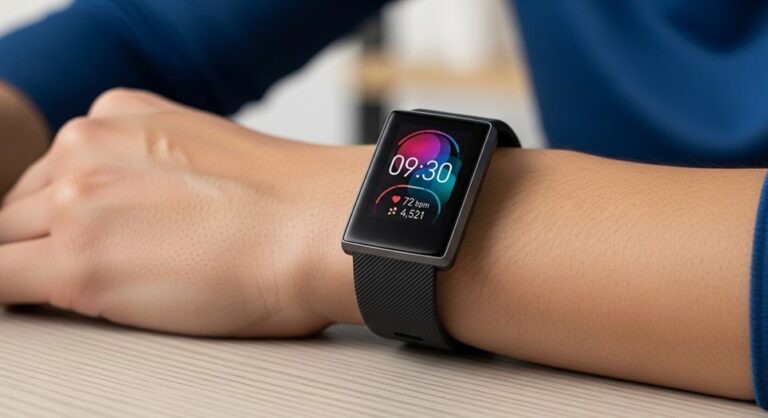
As health consciousness continues to grow globally, the demand for sophisticated personal monitoring devices has reached unprecedented levels. The fitness tracker market has evolved dramatically from simple step counters to comprehensive health and wellness platforms that offer deep insights into cardiovascular function, sleep quality, recovery metrics, and stress management. Consumers now expect their wearable devices to deliver not just activity data but actionable health intelligence that can genuinely improve their quality of life. This comprehensive guide examines the current landscape of activity trackers, with a particular focus on market leader Fitbit, analyzing which models offer the best value, features, and user experience for different types of users in today’s competitive marketplace.
The Evolution of Fitness Tracking Technology
The journey from basic pedometers to today’s advanced health monitors represents one of the most significant transformations in consumer electronics. Early fitness trackers offered rudimentary step counting with limited accuracy and no connectivity to other systems. The introduction of optical heart rate sensors marked the first major leap forward, enabling continuous cardiovascular monitoring without uncomfortable chest straps. This innovation opened the door to more sophisticated metrics like heart rate variability, recovery scores, and training load analysis that previously required specialized medical or athletic equipment.
Today’s fitness trackers incorporate multiple sensor arrays including accelerometers, gyroscopes, optical heart rate monitors, skin temperature sensors, and even electrodermal activity sensors. These devices leverage advanced algorithms and machine learning to transform raw sensor data into meaningful health insights. The integration of GPS technology has further enhanced tracking accuracy for outdoor activities, while improvements in battery technology have extended device operation from days to weeks on a single charge. Perhaps most significantly, modern trackers have evolved from isolated data collectors to integrated components of comprehensive health ecosystems that connect users with professional insights, community support, and personalized guidance.
Key Technological Milestones in Wearable Fitness
The progression of fitness tracking capabilities has followed a predictable pattern of miniaturization, sensor diversification, and algorithmic sophistication. Early devices focused primarily on step counting and basic activity recognition, but each generation has introduced new capabilities that expand the definition of what constitutes meaningful health data.
- Optical Heart Rate Monitoring: This technology revolutionized fitness tracking by enabling continuous, non-invasive heart rate measurement. Unlike chest straps that measure electrical signals, optical sensors use light to detect blood volume changes in capillaries, providing 24/7 cardiovascular monitoring. Modern implementations use multiple wavelengths to improve accuracy during exercise and adjust for different skin tones.
- Sleep Stage Analysis: Advanced accelerometers and heart rate variability algorithms now distinguish between light, deep, and REM sleep cycles with surprising accuracy. This technology has transformed sleep tracking from simple duration measurement to comprehensive quality assessment, providing insights into sleep architecture and identifying potential disruptions that impact recovery and health.
- SpO2 Monitoring: Blood oxygen saturation tracking, once confined to medical settings, now appears in consumer wearables. Using specialized optical sensors, these systems monitor oxygenation levels during sleep to detect potential breathing irregularities, offering early insights into sleep apnea and other respiratory conditions.
- Stress and Recovery Metrics: By analyzing heart rate variability—the subtle variations in time between heartbeats—modern trackers can assess autonomic nervous system balance and provide stress scores. These metrics help users understand how their body responds to physical and psychological stressors and guide recovery practices.
Comprehensive Fitbit Model Analysis
Fitbit has established itself as a dominant player in the fitness tracker market through a combination of user-friendly design, comprehensive health metrics, and a supportive ecosystem. The company’s product lineup spans from basic activity trackers to advanced health monitors, with each model targeting specific user needs and budget considerations. Understanding the distinctions between these devices is crucial for consumers seeking the optimal balance of features, performance, and value.
Fitbit Charge 5: The Premium Fitness Companion
Positioned as Fitbit’s flagship tracker, the Charge 5 represents the pinnacle of activity band design and functionality. Its sleek, lightweight build houses an impressive array of sensors typically found in more expensive smartwatches. The vibrant color AMOLED touchscreen provides excellent visibility in various lighting conditions while maintaining reasonable power efficiency. Beyond basic activity tracking, the Charge 5 offers comprehensive health monitoring that appeals to both fitness enthusiasts and health-conscious individuals.
The device’s integrated GPS allows for accurate pace and distance tracking during outdoor runs, walks, and cycles without requiring a connected smartphone. This standalone functionality proves particularly valuable for athletes who prefer to exercise without carrying additional devices. The Daily Readiness Score, a standout feature, synthesizes sleep quality, heart rate variability, and recent activity levels to indicate whether the user’s body is primed for intense exertion or would benefit from recovery-focused activities. This holistic approach to training guidance helps prevent overtraining and supports sustainable fitness progress.
Fitbit Inspire 3: Value-Focused Fundamentals
For consumers seeking essential tracking capabilities without premium pricing, the Inspire 3 delivers remarkable value in a minimalist package. Its subtle, lightweight design with a monochrome OLED display prioritizes comfort and discretion for all-day wear. Despite its accessible price point, the device includes core health monitoring features that form the foundation of any effective fitness regimen. Continuous heart rate tracking enables calorie expenditure estimation and basic cardio fitness assessment, while automatic exercise recognition identifies and records common activities like walking, running, and aerobic workouts.
The Inspire 3’s ten-day battery life significantly exceeds that of many competitors, reducing charging frequency and supporting consistent tracking. Sleep monitoring captures duration and quality metrics, and the device provides basic smartphone notifications for calls, texts, and calendar alerts. While lacking advanced features like built-in GPS or stress tracking, the Inspire 3 represents an excellent entry point into the Fitbit ecosystem, particularly for those new to fitness tracking or with straightforward monitoring needs.
Fitbit Luxe: Style-Forward Health Tracking
Bridging the gap between fashion accessory and health monitor, the Luxe demonstrates that sophisticated tracking need not compromise aesthetic appeal. Its slim, jewelry-inspired design with a color AMOLED display appeals to users who prioritize subtlety and style. The device tracks comprehensive wellness metrics including activity, sleep, and menstrual health, presenting data through an intuitive interface that emphasizes trends rather than overwhelming with minute-by-minute details. Stress management features, including guided breathing sessions based on real-time heart rate data, support mental well-being alongside physical fitness.
The Luxe’s specialized approach extends to its accessories, with interchangeable bands ranging from sport silicone to stainless steel mesh options. This versatility allows the tracker to transition seamlessly from workout settings to professional or social occasions. While it lacks built-in GPS, connected GPS functionality enables route tracking when paired with a smartphone. The Luxe exemplifies how fitness technology can integrate gracefully into diverse lifestyles without drawing undue attention or compromising functionality.
Advanced Health Monitoring with Fitbit Sense
As Fitbit’s most technologically advanced device, the Sense incorporates medical-grade sensors previously unavailable in consumer wearables. The electrocardiogram (ECG) app can detect atrial fibrillation—a serious heart rhythm irregularity—by measuring the electrical signals from the user’s heart. This capability represents a significant advancement in personal health monitoring, potentially identifying conditions that require medical attention. The electrodermal activity (EDA) sensor measures microscopic sweat gland activity, which correlates with stress responses, enabling more nuanced stress tracking and management.
Skin temperature sensing provides additional context for overall health, with nocturnal variations potentially indicating illness onset or hormonal changes. When combined with the comprehensive sleep analysis, heart rate variability monitoring, and SpO2 tracking, these features create a multidimensional health picture unmatched by other activity bands. While commanding a premium price, the Sense delivers unprecedented personal health insights for individuals with specific monitoring needs or those simply seeking the most complete understanding of their physiological state.
Beyond Fitbit: Key Market Alternatives
While Fitbit maintains substantial market presence, several competitors offer compelling alternatives with different strengths and specializations. Understanding the broader landscape helps consumers identify which ecosystem, feature set, and design philosophy best aligns with their priorities. These alternatives range from basic activity trackers to sophisticated health monitoring systems, each with distinct approaches to data presentation, device integration, and user experience.
- Garmin Vivosmart Series: Garmin’s activity bands emphasize fitness metrics with exceptional battery life, often extending to two weeks. Their focus on training metrics like VO2 max estimates, recovery time recommendations, and intensity minutes appeals to dedicated exercisers. The rugged build quality and always-on display options make these devices particularly suitable for outdoor enthusiasts.
- Apple Watch: While technically a smartwatch, Apple’s wearable includes comprehensive fitness and health tracking that competes directly with dedicated activity bands. Its seamless integration with the iOS ecosystem, advanced fall detection, and extensive third-party app support create a versatile health platform. The medical-grade ECG and blood oxygen monitoring parallel Fitbit’s most advanced features.
- Whoop Strap: This subscription-based device focuses exclusively on recovery, strain, and sleep without a traditional display. Its sophisticated algorithms analyze cardiovascular data to provide personalized recommendations for training intensity and recovery practices. The battery pod design enables continuous wear without daily charging interruptions.
- Xiaomi Mi Band Series: These budget-friendly trackers deliver remarkable value with basic activity, sleep, and heart rate monitoring at a fraction of premium device costs. Their minimalist design and month-long battery life appeal to users seeking fundamental tracking without complex features or recurring costs.
Critical Evaluation Criteria for Fitness Trackers
Selecting the optimal fitness tracker requires careful consideration of multiple factors beyond simple feature comparisons. The most suitable device depends on individual lifestyle, fitness goals, technological preferences, and budget constraints. A methodical evaluation framework ensures that the chosen tracker aligns with both immediate needs and potential future requirements as health and fitness priorities evolve.
Accuracy and Sensor Performance
While manufacturers promote impressive sensor arrays, real-world accuracy varies significantly across activities and individual physiologies. Optical heart rate sensors generally perform well during steady-state activities like walking or moderate running but may struggle with high-intensity interval training or exercises involving significant wrist flexion. GPS accuracy depends on both chipset quality and software algorithms, with some devices offering superior route tracking and distance measurement.
Sleep tracking accuracy has improved substantially but still varies in distinguishing between light sleep and quiet wakefulness. Consumers should consult independent validation studies rather than relying solely on manufacturer claims when accuracy is paramount. For most users, consistent tracking that reveals trends proves more valuable than absolute precision, as relative changes over time provide actionable insights regardless of minor measurement variations.
Battery Life and Charging Convenience
The frequency and duration of charging significantly impact user experience and data continuity. Devices requiring daily charging risk being forgotten during busy routines, creating gaps in health monitoring. Trackers with multi-week battery life eliminate this concern but may compromise display quality or continuous sensor operation to achieve power efficiency.
Charging mechanism design also warrants consideration—proprietary charging cables that differ from standard connectors create inconvenience during travel or if the cable is misplaced. Some advanced trackers offer quick charge capabilities that provide several days of use from brief charging sessions, effectively balancing comprehensive tracking with practical power management.
Integration and Ecosystem Considerations
Modern fitness trackers function not as isolated devices but as components of broader digital health ecosystems. These systems encompass companion smartphone applications, web dashboards, third-party service integrations, and sometimes subscription-based premium features. The depth and usability of these ecosystems significantly influence long-term satisfaction and engagement with tracking data.
Fitbit’s ecosystem exemplifies comprehensive integration, offering detailed data visualization, social challenges, workout guidance, and nutrition tracking partnerships. The platform’s ability to synthesize diverse health metrics into cohesive insights represents one of its strongest advantages. However, users invested in other ecosystems like Apple Health or Google Fit should verify cross-platform compatibility to avoid data silos that fragment their health picture.
Future Innovations in Wearable Health Technology
The trajectory of fitness tracker development points toward increasingly sophisticated health monitoring capabilities previously confined to clinical settings. Several emerging technologies promise to transform these devices from activity monitors into comprehensive health guardians. These advancements will likely redefine consumer expectations and expand the role of wearables in preventive healthcare and chronic condition management.
Non-Invasive Biomarker Monitoring
Researchers are developing optical and electrochemical sensors capable of measuring biomarkers like glucose, lactate, cortisol, and alcohol levels through interstitial fluid or sweat analysis. Continuous non-invasive glucose monitoring represents a particularly significant potential breakthrough for diabetes management and metabolic health optimization. Early implementations may appear as specialized devices before integration into mainstream fitness trackers.
Blood pressure monitoring via photoplethysmography (PPG) sensors represents another frontier, with several manufacturers developing algorithms that correlate pulse wave characteristics with systolic and diastolic pressures. While regulatory approval for medical claims presents challenges, even trend-based relative measurements could provide valuable insights for hypertension management and cardiovascular health awareness.
Advanced Analytics and Personalized Guidance
Machine learning algorithms will increasingly transform raw sensor data into personalized health predictions and recommendations. Future systems may identify early signs of illness through subtle changes in resting heart rate, heart rate variability, skin temperature, and activity patterns. These predictive capabilities could enable earlier intervention and potentially prevent serious health events.
Truly personalized fitness guidance will evolve beyond generic recommendations to consider individual recovery patterns, stress responses, sleep quality, and nutritional status. Integration with environmental data like air quality, pollen counts, and weather conditions will further contextualize health recommendations. These systems may eventually serve as digital health coaches that adapt dynamically to users’ changing physiological states and life circumstances.
Market Price Analysis and Value Assessment
The fitness tracker market encompasses a broad price spectrum from budget devices under $50 to premium models exceeding $300. Understanding what features and capabilities correspond to different price points helps consumers allocate their resources effectively. Premium pricing generally correlates with advanced health sensors, superior build quality, and more sophisticated data analytics, but diminishing returns apply at the highest price tiers.
The Fitbit Charge 5 typically retails between $150-$180, positioning it as a mid-to-high-tier activity band with comprehensive features. The Fitbit Inspire 3 occupies the $80-$100 range, offering core tracking at an accessible price. The fashion-focused Luxe commands $130-$150, while the advanced Sense reaches $250-$300. Regular promotional periods, especially around major holidays, often provide 20-30% discounts on these standard prices.
Value assessment extends beyond initial purchase price to include potential subscription costs for premium features. Some manufacturers, including Fitbit, offer enhanced analytics, guided programs, and detailed health reports through monthly or annual subscriptions. Consumers should evaluate whether these ongoing costs provide commensurate value based on their intended use patterns and health objectives.
Practical Considerations for Optimal Use
Maximizing the benefits of fitness tracking requires more than simply wearing a device consistently. Proper positioning, realistic expectations, and strategic engagement with data transform these tools from passive collectors to active health partners. Several practical considerations significantly influence tracking accuracy, user comfort, and long-term engagement.
- Optimal Device Placement: For accurate heart rate monitoring, position the tracker approximately one finger width above your wrist bone, ensuring the sensors maintain consistent skin contact during movement. During sleep tracking, ensure the band is snug but not restrictive to prevent false movement readings. Rotate wrists periodically if skin irritation occurs.
- Data Interpretation Framework: Focus primarily on trends rather than daily fluctuations, as natural physiological variations can cause misleading day-to-day changes. Establish baseline measurements during normal activity periods to contextualize future data. Correlate tracker metrics with subjective feelings to develop personalized insight into what different readings mean for your body.
- Syncing and Data Management: Regular synchronization ensures data preservation and enables comprehensive trend analysis. Designate specific times for data review rather than constant checking, which can lead to obsessive behaviors. Export or backup data periodically, especially before device resets or upgrades, to maintain long-term health records.
- Battery Management Practices: Time charging sessions to coincide with low-activity periods like showering or desk work to minimize data gaps. Consider purchasing an extra charging cable for travel or workplace convenience. Monitor battery health over time, as diminished capacity may affect sensor performance before complete failure occurs.
Frequently Asked Questions
How accurate are fitness tracker calorie estimates?
Calorie expenditure estimates represent approximations rather than precise measurements, with typical accuracy ranging from 10-30% variance compared to laboratory methods. These calculations combine basal metabolic rate estimates with activity data from accelerometers and heart rate sensors. While useful for identifying relative changes in energy expenditure and establishing trends, they should not be treated as exact measurements for strict dietary planning. The most reliable approach uses tracker data as one input among several—including hunger cues, energy levels, and body composition changes—to guide nutrition decisions.
Can fitness trackers detect serious health conditions?
Some advanced trackers with ECG capabilities can identify atrial fibrillation, a potentially dangerous heart rhythm disorder. However, these devices are screening tools rather than diagnostic instruments, and any abnormal readings require confirmation through medical-grade equipment under professional supervision. Trackers may also identify trends suggesting developing issues—such as consistently elevated resting heart rate or declining blood oxygen levels during sleep—that warrant medical evaluation. Users should view these devices as early warning systems rather than replacement for professional medical assessment.
How long do fitness trackers typically last?
The functional lifespan of quality fitness trackers generally ranges from 2-4 years with regular use. Battery degradation represents the most common limitation, with capacity gradually diminishing over hundreds of charge cycles. Water resistance may also deteriorate over time, particularly if the device experiences regular submersion. Software support duration varies by manufacturer, with most companies providing updates for 2-3 years post-release. Physical durability depends on materials and construction, with silicone bands typically requiring replacement before the device itself fails.
Conclusion
The modern fitness tracker market offers solutions for virtually every health monitoring need, budget consideration, and aesthetic preference. From basic activity bands to advanced health monitors with medical-grade sensors, these devices have evolved into sophisticated wellness companions that provide unprecedented personal health insights. The Fitbit ecosystem exemplifies this progression, with models ranging from the value-focused Inspire 3 to the comprehensive health monitoring capabilities of the Sense. When selecting a tracker, consumers should prioritize features that align with their specific health goals, lifestyle patterns, and technological preferences rather than seeking maximum specifications regardless of relevance.
Future innovations promise to further expand the capabilities of wearable health technology, potentially transforming these devices into proactive health guardians capable of detecting emerging issues before symptoms manifest. As sensor technology advances and analytics become more sophisticated, fitness trackers will likely play increasingly significant roles in preventive healthcare and chronic condition management. Ultimately, the most effective fitness tracker is not necessarily the most expensive or feature-rich, but rather the device that consistently provides actionable insights while seamlessly integrating into daily life, thereby supporting sustainable progress toward improved health and well-being.