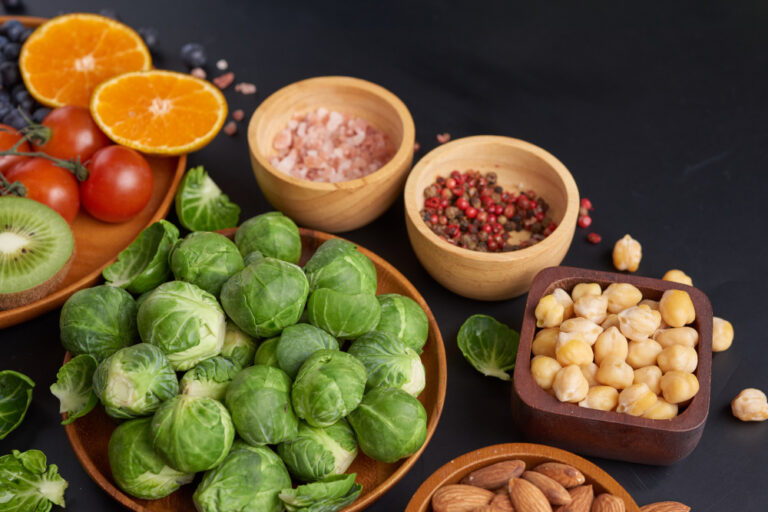
Dietary fiber is often described as the unsung hero of human nutrition. While macronutrients like proteins, fats, and carbohydrates frequently dominate health conversations, fiber remains a critical component for maintaining a healthy biological system. It is a type of carbohydrate that the body cannot digest, passing through the digestive tract relatively intact. This unique property allows fiber to perform essential functions, such as regulating blood sugar levels, lowering cholesterol, and maintaining bowel health. Despite its importance, a significant portion of the global population fails to meet the recommended daily intake, leading to what nutritionists call the fiber gap. Bridging this gap requires a conscious effort to select nutrient-dense foods that provide both soluble and insoluble fiber.
Understanding the distinction between soluble and insoluble fiber is the first step in optimizing a high-fiber grocery list. Soluble fiber dissolves in water to form a gel-like substance, which can help lower blood glucose levels and reduce blood cholesterol. Common sources include oats, peas, beans, apples, and citrus fruits. On the other hand, insoluble fiber does not dissolve in water; it promotes the movement of material through the digestive system and increases stool bulk. This type of fiber is particularly beneficial for those who struggle with constipation or irregular bowel movements. Sources include whole-wheat flour, wheat bran, nuts, beans, and vegetables like cauliflower and potatoes.
The health benefits of a high-fiber diet extend far beyond simple digestion. Research indicates that individuals with high fiber intake have significantly lower risks for developing coronary heart disease, hypertension, diabetes, and obesity. Furthermore, fiber plays a pivotal role in weight management. High-fiber foods are generally more filling than low-fiber foods, so you are likely to eat less and stay satisfied longer. They also tend to be less energy-dense, meaning they have fewer calories for the same volume of food. By strategically planning a grocery list centered on these nutrient powerhouses, individuals can transform their metabolic health and improve their overall quality of life.
The Essential Foundation: Legumes and Pulses
Legumes are arguably the most potent sources of dietary fiber available. This category includes lentils, chickpeas, beans, and peas, all of which offer a remarkable combination of protein and fiber. Lentils, for instance, are a staple in many cultures for a reason. One cup of cooked lentils provides approximately 15 grams of fiber, covering a substantial portion of the daily requirement for most adults. They are also rich in folate, iron, and potassium, making them a comprehensive nutritional package. Because they are versatile and shelf-stable, legumes should be the cornerstone of any high-fiber pantry.
Beans, including black beans, kidney beans, and navy beans, are equally impressive. Black beans are particularly noted for their high anthocyanin content, which provides antioxidant benefits alongside their fiber content. A single cup of cooked black beans offers about 15 grams of fiber. Navy beans, often used in soups and stews, can provide up to 19 grams of fiber per cup. These foods contribute to a slower digestion process, preventing the rapid spikes and crashes in blood sugar that are common with processed carbohydrates. Integrating a variety of beans into your weekly meal prep is an efficient way to ensure consistent fiber intake.
Chickpeas and split peas also deserve a prominent place on your grocery list. Chickpeas, the primary ingredient in hummus, are excellent for adding texture to salads and stews. They provide about 12 grams of fiber per cup. Split peas are even higher, offering roughly 16 grams per cup when cooked. Beyond their fiber content, these pulses are excellent sources of plant-based protein, which is essential for muscle repair and metabolic function. By substituting meat with legumes in even a few meals per week, you can drastically increase your fiber consumption while reducing saturated fat intake.
Whole Grains and Pseudo-Cereals
Transitioning from refined grains to whole grains is one of the most effective ways to boost fiber. Unlike refined grains, which have been stripped of their bran and germ, whole grains retain all parts of the seed. This retention ensures that the fiber, vitamins, and minerals remain intact. Oats are a primary example of a high-fiber whole grain. They contain a specific type of soluble fiber called beta-glucan, which has been extensively studied for its ability to lower LDL cholesterol and improve insulin sensitivity. Starting the day with a bowl of steel-cut or rolled oats provides a steady stream of energy and early-morning fiber.
Quinoa, often referred to as a pseudo-cereal, is another nutritional powerhouse. While it is technically a seed, it is prepared and consumed like a grain. Quinoa is a complete protein, meaning it contains all nine essential amino acids, and it provides about 5 grams of fiber per cooked cup. Its nutty flavor and versatile texture make it an excellent base for grain bowls, salads, or side dishes. Other ancient grains, such as farro, barley, and buckwheat, offer even higher fiber counts. Barley, in particular, is exceptionally high in fiber, with over 6 grams per cooked cup, and is excellent for adding heartiness to soups.
When shopping for bread and pasta, it is crucial to look for 100% whole-grain or whole-wheat labels. Many products are marketed as wheat but are still made with refined flour. Whole-wheat pasta contains approximately 7 grams of fiber per serving, compared to only 2 grams in traditional white pasta. Similarly, choosing brown rice or wild rice over white rice can double or triple the fiber content of a meal. These small swaps accumulate over time, leading to a much healthier digestive profile and sustained satiety throughout the day.
Cruciferous and Root Vegetables
Vegetables are essential components of a high-fiber diet, but some are far superior to others in terms of fiber density. Cruciferous vegetables, such as broccoli, Brussels sprouts, and cauliflower, are top-tier choices. Broccoli is not only high in fiber, with about 5 grams per cooked cup, but also contains sulforaphane, a compound with potent anti-inflammatory properties. Brussels sprouts are even more fiber-dense, providing roughly 4 to 6 grams per cup. These vegetables can be roasted, steamed, or sautéed, making them easy additions to any dinner plate.
Root vegetables also offer significant fiber, particularly when consumed with their skins intact. Sweet potatoes and carrots are excellent examples. A medium sweet potato with skin provides about 4 grams of fiber, along with a high dose of Vitamin A and potassium. Carrots offer about 3.5 grams per cup when cooked. The fiber in these vegetables is a mix of soluble and insoluble, providing a balanced approach to digestive health. Parsnips, though less common, are also incredibly high in fiber, offering about 7 grams per cup, and can be used in place of potatoes for a more fiber-rich side dish.
Artichokes are perhaps the most underrated high-fiber vegetable. A single medium artichoke contains a staggering 7 to 10 grams of fiber. They are particularly rich in inulin, a type of prebiotic fiber that feeds the beneficial bacteria in your gut. Improving the health of your gut microbiome can lead to better immunity, improved mood, and more efficient digestion. While they require a bit more preparation than other vegetables, the nutritional payoff of artichokes is well worth the effort.
High-Fiber Fruits and Berries
While all fruits contain some fiber, certain varieties are exceptionally beneficial for those looking to maximize their intake. Berries are the gold standard in this category. Raspberries and blackberries lead the pack, with about 8 grams of fiber per cup. These fruits are relatively low in sugar compared to tropical fruits, making them an ideal choice for blood sugar management. Their fiber is found mostly in the tiny seeds, so consuming them whole is necessary to get the full benefits. They can be added to yogurt, oatmeal, or eaten as a standalone snack.
Apples and pears are also high in fiber, provided you eat the skin. A medium-sized pear contains about 6 grams of fiber, while a medium apple contains about 4.5 grams. Both fruits are high in pectin, a type of soluble fiber that helps regulate digestion and can lower cholesterol. Citrus fruits like oranges and grapefruits also contribute soluble fiber and are high in Vitamin C. Including a variety of colorful fruits ensures a range of different fiber types and phytonutrients that support cardiovascular and immune health.
Avocados are a unique fruit because they are high in healthy monounsaturated fats as well as fiber. A single avocado can contain between 10 and 13 grams of fiber, depending on its size. This combination of fat and fiber makes avocado incredibly satiating, helping to curb hunger for hours. They are perfect for spreading on whole-grain toast, adding to salads, or blending into smoothies for a creamy texture without the need for dairy. Because of their nutrient density, avocados are a must-have on any health-focused grocery list.
Nuts, Seeds, and Functional Add-Ons
Nuts and seeds are concentrated sources of fiber, healthy fats, and protein. Chia seeds are particularly noteworthy; just two tablespoons provide 10 grams of fiber. When soaked in liquid, they form a gel-like consistency, making them perfect for puddings or as a thickener for smoothies. They are also rich in omega-3 fatty acids, which support brain and heart health. Flaxseeds are another excellent option, offering about 2 grams of fiber per tablespoon. It is important to consume ground flaxseeds rather than whole ones, as the body cannot digest the outer shell of the whole seed to access the nutrients inside.
Almonds and pistachios are among the highest-fiber nuts. One ounce of almonds (about 23 nuts) provides 3.5 grams of fiber, while an ounce of pistachios provides about 3 grams. Nuts make for an easy, portable snack that provides a slow release of energy. However, due to their high caloric density, it is best to consume them in moderation. Pumpkin seeds and sunflower seeds are also great additions to salads or oatmeal, providing a satisfying crunch along with 2 to 3 grams of fiber per ounce.
For those who struggle to meet their requirements through whole foods alone, functional add-ons like psyllium husk or wheat bran can be useful. Psyllium husk is a form of soluble fiber often used as a bulk-forming laxative, but it can also be incorporated into baked goods or smoothies to increase fiber content significantly. Wheat bran is the outer layer of the wheat kernel and is almost entirely insoluble fiber. Adding a few spoonfuls to cereal or muffins can help improve regularity. While whole foods should always be the priority, these supplements can serve as a helpful safety net.
Strategic Meal Planning for Fiber Success
Building a high-fiber grocery list is only half the battle; the other half is integrating these foods into a sustainable daily routine. A successful strategy involves spreading fiber intake throughout the day rather than consuming it all in one meal. For breakfast, consider a base of oats or chia pudding topped with berries. This provides a massive fiber hit early in the day, setting a positive tone for digestion. For lunch, focus on large salads that include legumes like chickpeas or black beans, and use leafy greens as a base rather than iceberg lettuce.
Dinner should ideally feature a “plate method” where half the plate is filled with high-fiber vegetables, one-quarter with a whole grain like quinoa or brown rice, and one-quarter with a protein source. If the protein is plant-based, such as lentils or tofu, the fiber count increases even further. Snacking is another opportunity to boost intake; instead of reaching for processed chips or crackers, choose raw carrots with hummus, an apple with almond butter, or a handful of air-popped popcorn. Popcorn is a whole grain and provides about 3.5 grams of fiber per three-cup serving.
When increasing fiber intake, it is imperative to do so gradually. A sudden jump from a low-fiber diet to a high-fiber one can cause digestive discomfort, including gas, bloating, and cramping. Start by adding one or two high-fiber foods to your daily routine and wait a few days before adding more. This allows the bacteria in your gut to adapt to the new workload. Most importantly, increase your water consumption. Fiber needs water to move through the digestive system effectively. Without adequate hydration, high fiber intake can actually lead to constipation rather than relieving it.
Pro Tips for High-Fiber Living
- Don’t Peel the Produce: Whenever possible, eat the skins of fruits and vegetables like apples, pears, potatoes, and carrots. The skin is often where the majority of the insoluble fiber and many antioxidants are concentrated, so peeling them significantly reduces the nutritional value.
- Master the Art of Soaking: If you are using dry beans or legumes, soak them overnight before cooking. This process helps break down complex sugars that can cause gas, making the fiber easier for your digestive system to handle while improving the texture of the finished dish.
- Read Labels Carefully: Look for products that have at least 3 to 5 grams of fiber per serving. Avoid foods that claim to be high-fiber but contain large amounts of added sugar or processed fats, as these can negate the health benefits of the fiber.
- Use Fiber as a Thickener: Instead of using flour or cornstarch to thicken soups and stews, use mashed beans or ground flaxseeds. This adds a rich texture and a significant fiber boost without changing the flavor profile of your meal significantly.
- Experiment with Ancient Grains: Don’t stick only to brown rice. Try farro, teff, or amaranth. These grains often have more complex flavors and higher fiber contents than modern wheat or rice varieties, making your meals more interesting and nutritious.
- Keep High-Fiber Snacks Ready: Prep containers of washed berries, sliced vegetables, or portions of nuts at the beginning of the week. Having these items ready to grab makes it much less likely that you will reach for low-fiber, processed alternatives when you are hungry.
Frequently Asked Questions
How much fiber do I actually need every day?
The general recommendation for fiber intake varies by age and gender. For adult women, the target is typically 25 grams per day, while for adult men, it is approximately 38 grams. However, many health experts suggest that aiming for even higher amounts, such as 40 to 50 grams, can provide additional protective benefits for heart health and blood sugar regulation. It is important to tailor these goals to your specific health needs and activity levels.
Can you eat too much fiber?
While rare, it is possible to consume excessive amounts of fiber, especially if done too quickly or without enough water. Symptoms of “fiber overload” include significant bloating, gas, abdominal pain, and in extreme cases, intestinal blockage. Most people, however, consume far too little fiber, so the focus should generally be on increasing intake slowly while maintaining high levels of hydration to ensure smooth digestion.
Does cooking vegetables reduce their fiber content?
Cooking does not significantly reduce the amount of fiber in vegetables. In some cases, it can actually make the fiber more accessible or easier to digest by breaking down tough cell walls. However, some water-soluble vitamins may be lost during boiling. To preserve the maximum amount of nutrients, steaming or roasting vegetables is often preferred over boiling them in large amounts of water.
Are fiber supplements as good as fiber from whole foods?
Fiber supplements can be a helpful tool for reaching daily targets, but they are not a replacement for whole foods. Whole foods provide a complex matrix of vitamins, minerals, and antioxidants that supplements lack. Additionally, the fiber in whole foods is naturally balanced between soluble and insoluble types. Supplements should be viewed as a “gap-filler” rather than the primary source of nutrition.
Is popcorn a good source of fiber?
Yes, popcorn is a whole grain and is surprisingly high in fiber. Three cups of air-popped popcorn provide about 3.5 grams of fiber. To keep it healthy, avoid heavy toppings like butter or excessive salt. Using nutritional yeast or a small amount of olive oil and herbs can add flavor without adding unhealthy fats or calories.
Conclusion
Adopting a high-fiber lifestyle is one of the most impactful decisions you can make for your long-term health. By focusing on a grocery list rich in legumes, whole grains, cruciferous vegetables, fruits, and seeds, you provide your body with the tools it needs for optimal digestion and metabolic function. Fiber is not merely a dietary additive; it is a fundamental component of a preventative healthcare strategy. While the transition to a high-fiber diet requires initial planning and a gradual adjustment period, the rewards—ranging from improved energy levels and weight management to a reduced risk of chronic disease—are profound. As you refine your grocery shopping habits, remember that variety is key. By incorporating a wide array of plant-based foods, you ensure a diverse intake of fiber types and essential nutrients, ultimately fostering a resilient and healthy biological system. Consistency, hydration, and a focus on whole, unprocessed sources will lead to the best results for your digestive and overall well-being.