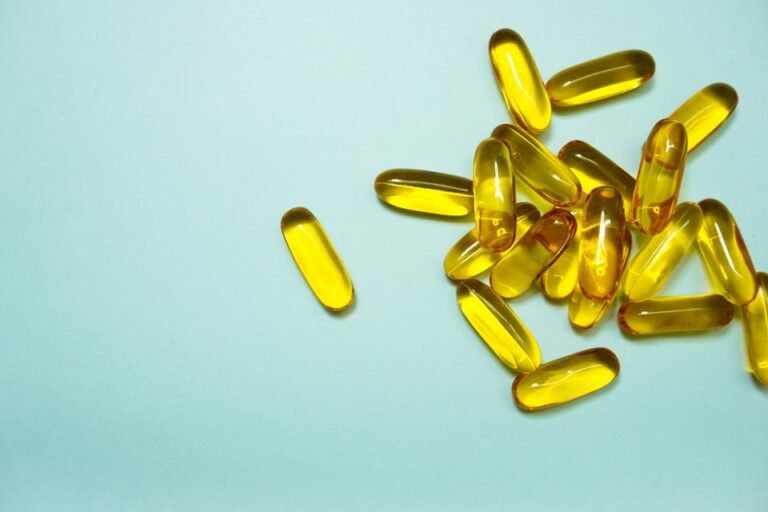
In the quest for better health and longevity, few nutrients have garnered as much consistent scientific acclaim as vitamin E. This powerful antioxidant plays a critical role in protecting our cells from oxidative damage, supports immune function, and contributes to the health of our skin and eyes. While many people reach for supplements to meet their nutritional needs, the most effective and bioavailable way to boost your intake is through a varied and colorful diet. This comprehensive guide will explore the science-backed benefits of vitamin E, identify the richest whole-food sources, and provide practical strategies for incorporating these nutrient-dense foods into your daily meals to harness their full protective potential.
Vitamin E is not a single compound but a group of eight fat-soluble molecules: four tocopherols (alpha, beta, gamma, delta) and four tocotrienols. Of these, alpha-tocopherol is the form most recognized for meeting human dietary requirements and is the primary form found in supplements and studied for its biological activity. Its primary function is as a potent lipid-soluble antioxidant, meaning it integrates into cell membranes—which are made of fats—and neutralizes free radicals before they can cause a chain reaction of damage known as lipid peroxidation. This process is fundamental to cellular health and is implicated in slowing the aging process and reducing the risk of chronic diseases.
The body’s need for this protection is constant. Free radicals are unstable molecules produced as byproducts of normal metabolism, exposure to environmental pollutants, ultraviolet radiation, and even strenuous exercise. Left unchecked, their oxidative assault can damage DNA, proteins, and lipids, contributing to inflammation and the development of conditions like heart disease, certain cancers, and cognitive decline. Vitamin E acts as a first line of defense, donating an electron to stabilize these rogue molecules, thereby protecting the structural integrity of our cells.
Scientific Evidence for the Health Benefits of Vitamin E
Extensive research has illuminated the multifaceted roles of vitamin E in human health. Its benefits extend far beyond its basic antioxidant capacity. For cardiovascular health, vitamin E is believed to help prevent the oxidation of low-density lipoprotein (LDL) cholesterol. Oxidized LDL is more readily taken up by artery walls, forming plaques that can lead to atherosclerosis. By inhibiting this oxidation, vitamin E may help maintain clearer, more flexible arteries.
In immune support, vitamin E enhances the function of T-cells, a type of white blood cell critical for adaptive immunity, particularly in older adults. Studies have shown that adequate vitamin E intake can improve immune response and may offer better resistance to infections like the common cold. For skin health, its antioxidant properties help protect skin cells from UV damage, and it is often used in topical formulations to promote healing and reduce inflammation. Furthermore, its role in eye health is significant; the Age-Related Eye Disease Study (AREDS) found that a formulation containing vitamin E, along with other antioxidants, reduced the risk of progressing to advanced age-related macular degeneration.
While supplements are widely available, obtaining vitamin E from whole foods offers a distinct advantage: nutritional synergy. Foods rich in vitamin E typically contain other beneficial compounds—such as other antioxidants, healthy fats, fiber, and minerals—that work together to enhance absorption and efficacy. The isolation of a single nutrient in a pill often lacks this complex interplay, which is why public health guidelines consistently emphasize food-first nutrition. A diet abundant in vitamin E-rich foods is inherently a diet full of other health-promoting elements.
A Detailed Breakdown of Top Vitamin E Food Sources
To effectively increase your dietary vitamin E, it’s essential to know which foods are the most potent sources. The following list categorizes and details the top vitamin E powerhouses, providing context on their nutrient profiles and how to use them.
Nuts and Seeds: The Concentrated Powerhouses
- Sunflower Seeds: A mere ounce (about a quarter cup) of dry-roasted sunflower seeds delivers a staggering 7.4 mg of vitamin E, nearly half of the recommended daily intake for adults. They are also excellent sources of selenium and healthy fats. Sprinkle them on salads, yogurt, or blend them into seed butter for a nutritious spread.
- Almonds: One ounce of almonds provides about 6.8 mg of vitamin E. They are also rich in protein, fiber, and magnesium. Enjoy a small handful as a snack, use almond flour in baking, or add slivered almonds to stir-fries and grain bowls.
- Hazelnuts (Filberts): With roughly 4.3 mg per ounce, hazelnuts are a delicious source. They are famously paired with chocolate but are equally wonderful chopped and added to salads, crusts for fish, or homemade granola.
- Pine Nuts: These delicate nuts offer about 2.6 mg per ounce. They are a key ingredient in traditional pesto but can also be lightly toasted and added to pasta dishes, vegetable sautés, or baked goods.
- Peanuts and Peanut Butter: A one-ounce serving of dry-roasted peanuts contains about 2.2 mg of vitamin E. Opt for natural peanut butter without added sugars or hydrogenated oils to maximize benefits.
Oils: The Liquid Gold
Plant-based oils are among the most concentrated sources of vitamin E, but they are also high in calories, so moderation is key. It’s important to note that the vitamin E content and stability vary greatly depending on the processing method. Cold-pressed or expeller-pressed oils retain more nutrients compared to heavily refined versions.
- Wheat Germ Oil: This is the undisputed champion, with one tablespoon providing over 20 mg of vitamin E, more than 100% of the daily value. It has a strong, nutty flavor and is best used unheated in salad dressings or drizzled over finished dishes.
- Sunflower Oil: A common cooking oil, one tablespoon contains about 5.6 mg of vitamin E. Its high smoke point makes it suitable for frying and sautéing.
- Hazelnut Oil: With a rich flavor, it contains about 6.4 mg per tablespoon. Use it in vinaigrettes or as a finishing oil for soups and vegetables.
- Almond Oil: Mild and versatile, almond oil offers approximately 5.3 mg per tablespoon. It can be used for light sautéing or in beauty treatments.
- Extra Virgin Olive Oil: A cornerstone of the Mediterranean diet, it provides about 1.9 mg per tablespoon along with a host of other polyphenol antioxidants. Use it for low-to-medium heat cooking and dressings.
Leafy Green Vegetables: The Nutrient-Dense Staples
While not as concentrated as nuts and oils, leafy greens contribute meaningful amounts of vitamin E along with a spectrum of other vitamins and minerals.
- Spinach: One cup of cooked spinach offers about 3.7 mg of vitamin E. Cooking actually increases the bioavailability of its nutrients by breaking down cell walls. Add it to soups, omelets, and pasta sauces.
- Swiss Chard: A cup of cooked Swiss chard provides around 3.3 mg. Its colorful stems and leaves are delicious sautéed with garlic.
- Turnip Greens: These often-overlooked greens pack about 2.7 mg per cooked cup. They have a slightly bitter, robust flavor that pairs well with savory meats and legumes.
- Beet Greens: Don’t discard the tops of your beets! One cooked cup contains approximately 2.6 mg of vitamin E. They can be prepared similarly to spinach or chard.
Other Excellent Vegetable and Fruit Sources
- Avocado: Half of a medium avocado provides about 2.1 mg of vitamin E along with heart-healthy monounsaturated fats and fiber. Its creamy texture makes it perfect for toast, smoothies, and salads.
- Broccoli: One cup of cooked broccoli offers about 2.3 mg. This cruciferous vegetable is also rich in vitamin C and sulforaphane, a compound with potent anti-cancer properties.
- Butternut Squash: A cup of cooked, cubed squash contains about 2.6 mg. Its sweet flavor is enhanced by roasting, which caramelizes its natural sugars.
- Red Bell Pepper: One cup of raw, sliced pepper provides about 2.4 mg. Enjoy them raw with hummus, roasted, or added to stir-fries.
- Kiwifruit: One medium kiwi has about 1.0 mg of vitamin E and is an outstanding source of vitamin C. The combination of these two antioxidants provides powerful immune support.
- Mango: A cup of sliced mango offers approximately 1.5 mg. This tropical fruit adds sweetness and nutrients to salsas, smoothies, and desserts.
Strategic Meal Planning for Optimal Vitamin E Absorption
Because vitamin E is fat-soluble, its absorption in the intestines is significantly enhanced when consumed with dietary fat. Simply eating a handful of almonds is effective, but pairing them with a source of fat can optimize uptake. This principle should guide your meal and snack preparation.
Practical Integration Strategies:
- Create Powerful Dressings: Whisk together extra virgin olive oil, sunflower seed oil, or almond oil with vinegar or lemon juice to dress salads made with spinach, Swiss chard, and red bell peppers. Add a tablespoon of sunflower seeds or slivered almonds for an extra boost.
- Design Nutrient-Dense Snacks: Pair apple slices with natural almond butter. Enjoy a small avocado with a sprinkle of salt and pepper. Make a trail mix with almonds, hazelnuts, and a few dark chocolate chips.
- Enhance Your Cooking: Use sunflower oil or almond oil for sautéing vegetables like broccoli and asparagus. Drizzle wheat germ oil over roasted butternut squash or a finished bowl of soup. Add a handful of spinach or turnip greens to your morning scrambled eggs.
- Boost Your Breakfast: Sprinkle wheat germ, sunflower seeds, or sliced almonds onto oatmeal or yogurt. Blend a smoothie with spinach, mango, kiwi, and a tablespoon of almond butter.
Pro Tips for Maximizing Vitamin E in Your Diet
Beyond simple inclusion, how you select, store, and prepare your food can preserve its precious vitamin E content.
- Choose Whole Over Refined: Always opt for whole, raw, or dry-roasted nuts and seeds over those cooked in oil or heavily salted. For oils, select cold-pressed, unrefined versions stored in dark glass bottles to protect them from light degradation.
- Store Properly: Vitamin E is sensitive to heat, light, and air. Store nuts, seeds, and their oils in airtight containers in a cool, dark place. Refrigerating nuts and oils can significantly extend their shelf life and prevent rancidity, which destroys vitamin E.
- Mind the Cooking Heat: High-heat cooking methods like deep-frying can destroy vitamin E. Use moderate heat for sautéing and reserve your most delicate, nutrient-rich oils (like wheat germ and hazelnut oil) for unheated applications.
- Embrace Diversity: Don’t rely on a single source. Consume a wide variety of the foods listed to ensure you get different forms of vitamin E (like gamma-tocopherol from nuts and seeds) and a broader range of accompanying nutrients.
- Check for Synergy: Pair vitamin E-rich foods with sources of vitamin C (like bell peppers and kiwi). Vitamin C can help regenerate oxidized vitamin E, restoring its antioxidant capacity in the body.
Frequently Asked Questions About Vitamin E
What is the recommended daily amount of vitamin E?
The Recommended Dietary Allowance (RDA) for adults is 15 mg (or 22.4 IU) of alpha-tocopherol per day. This requirement increases for breastfeeding women to 19 mg per day. It is important to note that the RDA is set to prevent deficiency in most people; optimal intakes for chronic disease prevention may be higher and are best achieved through diet.
Can I get too much vitamin E from food?
It is extremely difficult to reach toxic levels of vitamin E through diet alone. The Tolerable Upper Intake Level (UL) from supplements is 1,000 mg per day for adults. Hypervitaminosis E, usually only from excessive supplementation, can lead to anticoagulant effects and increased risk of bleeding. Food sources pose no such risk.
Are vitamin E supplements necessary or beneficial?
For the general population eating a balanced diet, supplements are not necessary and may not provide the same benefits as food. Large-scale supplement trials have sometimes yielded disappointing or even harmful results, likely because they used isolated alpha-tocopherol, missing the full spectrum of compounds found in food. Supplements should only be considered under medical supervision for individuals with specific malabsorption conditions or very limited diets.
What are the signs of a vitamin E deficiency?
True deficiency is rare in healthy individuals but can occur in people with fat malabsorption disorders (like cystic fibrosis, Crohn’s disease), certain genetic conditions, or extreme low-fat diets. Symptoms can include peripheral neuropathy (nerve damage causing numbness and weakness), muscle weakness, impaired immune response, and retinopathy (vision problems).
How does vitamin E interact with other nutrients?
Vitamin E works synergistically with other antioxidants like vitamin C and selenium. As mentioned, vitamin C helps recycle vitamin E. Selenium is a component of glutathione peroxidase, an antioxidant enzyme that also helps protect cell membranes, working in concert with vitamin E. Conversely, very high doses of iron supplements may interfere with vitamin E absorption.
Conclusion
Elevating your intake of vitamin E through a strategic, food-first approach is a powerful and accessible step toward bolstering your body’s natural defense systems. This essential nutrient, acting as a guardian of cellular integrity, offers profound benefits for cardiovascular, immune, skin, and eye health. By integrating a diverse array of its richest sources—such as sunflower seeds, almonds, spinach, avocado, and high-quality plant oils—into your daily meals, you harness not only the vitamin itself but a full spectrum of complementary nutrients that enhance its efficacy. The key lies in mindful consumption: pairing these foods with healthy fats to maximize absorption, storing them properly to preserve potency, and prioritizing whole foods over processed options. Ultimately, building your diet around these vitamin E powerhouses is less about focusing on a single nutrient and more about embracing a pattern of eating that is inherently rich in antioxidants and supportive of long-term vitality and wellness.

Full-stack developer at Scylla Technologies (USA), working remotely from Bangladesh. Adobe Certified Magento Developer.