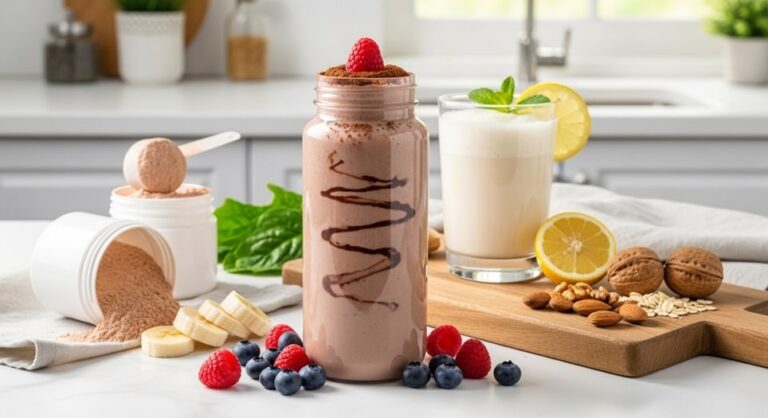
As the new year approaches, many individuals seek sustainable ways to shed excess pounds while maintaining muscle mass and energy levels. Protein shakes and meal replacement options have emerged as popular tools in this journey, offering convenient, nutrient-dense alternatives to traditional meals. These products, when chosen wisely, can help create a calorie deficit without sacrificing essential nutrition, making them ideal for busy lifestyles in 2025.
Protein shakes primarily focus on delivering high-quality protein to support muscle repair and satiety, while meal replacements provide a more balanced profile with carbohydrates, fats, vitamins, and minerals to mimic a full meal. Both categories are formulated to align with weight loss goals by controlling portion sizes and macronutrients. In 2025, advancements in plant-based formulations and low-sugar sweeteners have made these options more accessible and palatable than ever.
Selecting the right shake involves understanding your dietary needs, such as vegan preferences or low-carb requirements, and prioritizing products with clean ingredients. This guide will walk you through the essentials, highlight top performers based on recent evaluations, and provide practical steps for integration into your routine. By following these recommendations, you can enhance your weight loss efforts effectively.
Before diving in, consult a healthcare professional, especially if you have underlying conditions, to ensure these supplements complement your overall health plan. With that foundation, let’s explore how these shakes can transform your approach to nutrition and fitness.
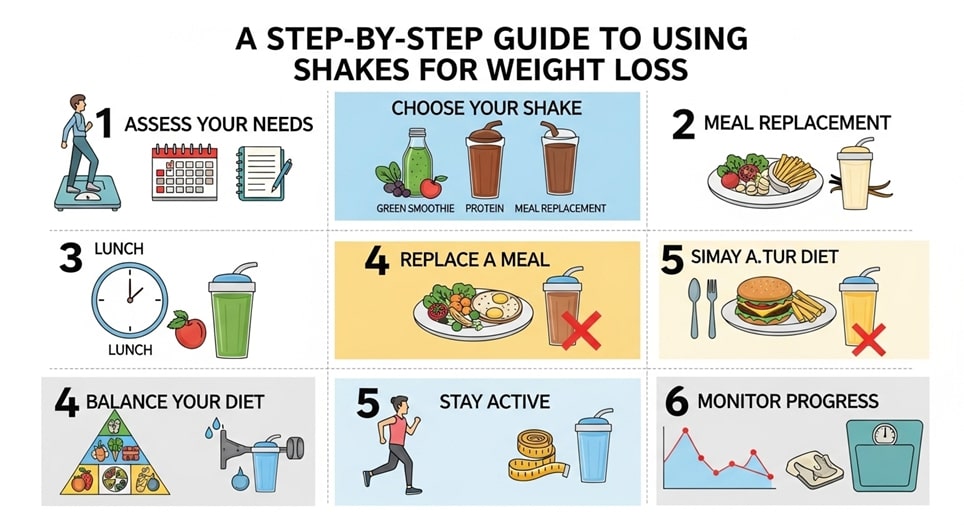
Understanding the Role of Protein Shakes and Meal Replacements in Weight Loss
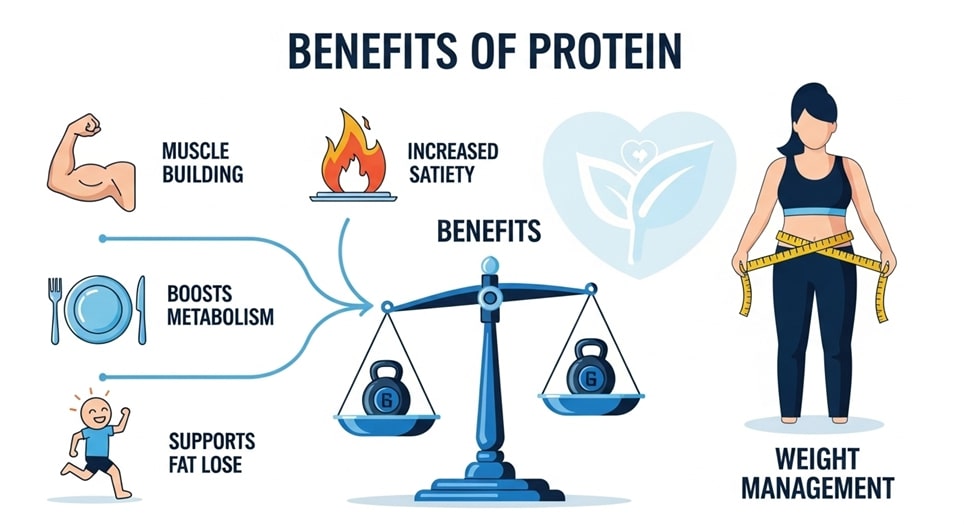
Protein plays a pivotal role in weight management by promoting fullness and preserving lean muscle during calorie restriction. When consumed as shakes, it helps regulate hunger hormones like ghrelin, reducing the likelihood of overeating later in the day. Studies consistently show that higher protein intake leads to greater fat loss while minimizing muscle breakdown, a common issue in restrictive diets.
Meal replacements extend this benefit by offering a complete nutritional package in one serving, often around 200-400 calories. This controlled intake simplifies calorie tracking, a cornerstone of sustainable weight loss. In 2025, formulations emphasize whole-food ingredients and added superfoods to bridge nutrient gaps that might occur in a deficit.
Unlike fad diets, these shakes support long-term adherence through variety in flavors and textures. They can replace breakfast or lunch, freeing up time for meal prep while ensuring balanced macros. Hydration is key, as shakes contribute to fluid intake, which aids metabolism and curbs appetite.
Transitioning to shakes isn’t about elimination but enhancement. Pair them with whole foods like fruits or nuts to customize nutrition. This balanced integration prevents boredom and nutrient deficiencies over time.
Key Differences Between Protein Shakes and Meal Replacements
Protein shakes typically contain 20-30 grams of protein with minimal carbs and fats, making them suitable for post-workout recovery or snacks. They shine in boosting daily protein totals without excess calories, ideal for those already eating balanced meals. Focus on isolates or hydrolysates for faster absorption.
Meal replacements, conversely, aim for 15-35 grams of protein alongside 20-40 grams of carbs and 5-15 grams of fats, totaling 200-400 calories. These are designed to stand in for entire meals, incorporating vitamins and minerals to meet 20-30% of daily needs. They’re particularly helpful for intermittent fasting or structured plans.
Hybrid options blur the lines, offering flexibility for different times of day. Understanding these distinctions allows for strategic use, maximizing benefits for your specific goals.
How to Choose the Best Protein Shakes and Meal Replacements for 2025
Begin by assessing your daily protein needs, generally 1.6-2.2 grams per kilogram of body weight for active individuals aiming to lose fat. Calculate based on lean mass to avoid overconsumption. Look for shakes providing 20+ grams per serving to hit targets efficiently.
Examine calorie content: For weight loss, opt for 100-250 calories per shake to fit a 500-1000 calorie daily deficit. Low-sugar formulas under 5 grams prevent blood sugar spikes that hinder fat burning. Prioritize natural sweeteners like monk fruit over artificial ones.
Ingredient quality matters—seek third-party tested products free from fillers, artificial colors, or excessive sodium. Plant-based options from pea, rice, or hemp suit vegans, while whey isolates benefit lactose-tolerant users with superior amino acid profiles.
Taste and texture influence consistency; sample varieties to find enjoyable ones without chalkiness. Consider certifications like NSF or Informed Choice for purity assurance. Budget-wise, aim for $1-3 per serving for affordability without compromising quality.
Step-by-Step Guide to Selecting Your Ideal Shake
- Define Your Goals: Determine if you’re targeting muscle preservation, quick satiety, or full meal substitution. For pure weight loss, emphasize high protein-to-calorie ratios. This step ensures alignment with your metabolic needs.
- Review Nutritional Labels: Check protein source, added fibers for digestion, and micronutrient fortification. Avoid those with over 10 grams of added sugars. Cross-reference with apps for precise tracking.
- Test for Allergens and Preferences: Scan for dairy, soy, or nuts if sensitive. Vegan? Verify complete proteins from multiple sources. This prevents adverse reactions derailing progress.
- Evaluate Mixability and Shelf Life: Powders should blend smoothly; ready-to-drink options offer convenience. Shelf-stable varieties suit travel. Factor in expiration for bulk buys.
- Read User and Expert Reviews: Look for 2025 updates on efficacy and taste evolution. Dietitian endorsements add credibility. Balance multiple sources for unbiased insights.
- Trial a Small Pack: Start with variety packs to experiment flavors. Monitor energy, hunger, and digestion over a week. Adjust based on real-world performance.
Following these steps streamlines selection, setting a strong foundation for success.
Top Protein Shakes for Weight Loss in 2025
Among ready-to-drink options, Slate Core Variety Pack stands out for its ultra-low calorie profile. Each 11-ounce serving delivers 20 grams of protein from milk protein isolate, with flavors like French Vanilla at just 100 calories and zero added sugars. This makes it perfect for afternoon slumps, providing sustained energy without weight gain risks.
The chocolate variant adds a touch more depth at 110 calories, still fiber-enriched for better digestion. Dietitians praise its clean label, free from artificial additives, supporting gut health alongside fat loss. Users report feeling fuller longer, aiding portion control at dinner.
Fairlife Core Power Protein Shake offers a robust 26 grams of protein in a 14-ounce bottle for 170 calories, lactose-free and sweetened naturally. Chocolate flavor mimics a treat, with only 5 grams of sugar from milk. It’s ideal post-gym, replenishing muscles while curbing post-exercise hunger.
Alani Nu Protein Shakes pack 30 grams of whey protein isolate per bottle, around 180 calories, in vibrant flavors like birthday cake. Low-carb at under 5 grams, it fits keto lifestyles seamlessly. The smooth texture avoids grit, encouraging daily use for consistent protein boosts.
Detailed Breakdown of Leading Protein Shake Options
- Slate Core French Vanilla: At 100 calories and 20 grams protein, this shake uses milk protein for complete aminos, promoting thermogenesis for extra calorie burn. Its low sodium keeps bloating minimal, essential during water weight fluctuations in early loss phases. Pair with berries for antioxidant synergy without calorie creep.
- Fairlife Core Power Chocolate: Delivering 26 grams protein and 8 grams carbs, it supports glycogen recovery without insulin spikes. The natural sweetness from monk fruit enhances compliance, as enjoyment drives habit formation. Lactose intolerance no longer bars high-protein intake.
- Alani Nu Whey Protein Shake: With 30 grams protein and 1 gram fat, it’s lean-focused, aiding fat oxidation during cardio. Zero added sugars stabilize energy, preventing crashes that lead to snacking. Women appreciate its feminine branding and subtle flavors.
- Owyn High Protein Shake: Vegan at 180 calories with 26 grams pea-flax protein, it includes omega-3s for anti-inflammatory benefits. Allergen-free formula suits broad audiences, while prebiotics foster microbiome health linked to better weight regulation. Chocolate’s mild profile appeals to purists.
- Aloha Protein Drink: Plant-based with 20 grams protein in 150 calories, enriched with superfoods like kale and berries. Low glycemic index carbs sustain focus, crucial for workdays. Organic certification assures pesticide-free sourcing.
- Vega Premium Sport: 30 grams protein from pea and rice at 170 calories, fortified with BCAAs for recovery. Tart cherry reduces soreness, enabling more workouts. Probiotics enhance nutrient absorption, amplifying loss efficiency.
- Naked Whey Protein Powder: Unflavored isolate at 120 calories for 25 grams protein, minimal ingredients for purity. Mixes into anything, customizing calorie intake precisely. Grass-fed source boosts omega-3 content for metabolic support.
- Transparent Labs Whey Isolate: 28 grams protein in 130 calories, third-party tested for contaminants. 18 flavors prevent monotony, key for long-term adherence. Low-carb suits intermittent fasting windows.
These selections represent 2025’s innovations, blending science with palatability for optimal results.
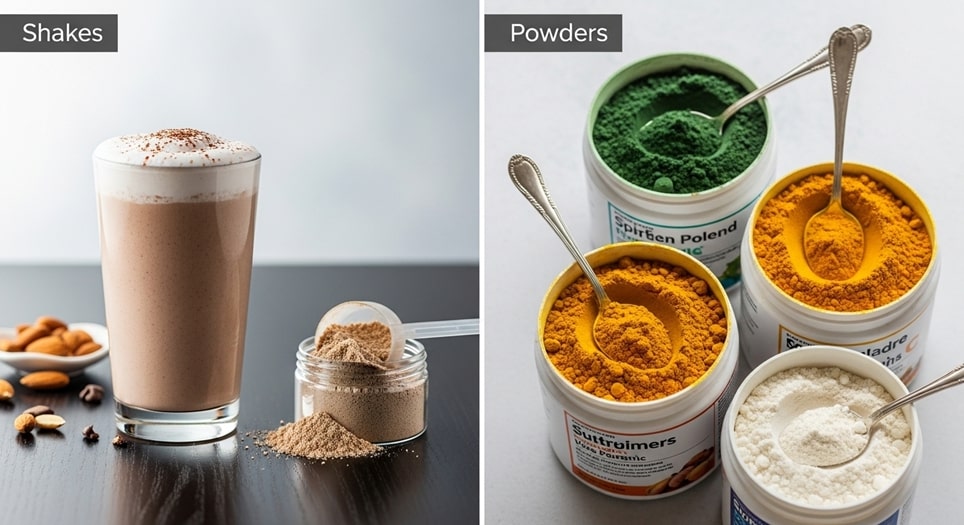
Expanding on powders, Naked Whey excels with its short ingredient list, ideal for those avoiding fillers. A scoop provides 25 grams of undenatured protein, preserving bioavailability for muscle synthesis. At under 2 grams carbs, it’s a staple for strict deficits.
Promix Vanilla offers 25 grams from grass-fed whey, with omega-3s from flax for heart health. 135 calories include subtle vanilla notes, blending seamlessly into oats or yogurt. Its ethical sourcing appeals to conscious consumers.
Best Meal Replacement Shakes for Weight Loss in 2025
Ka’Chava Whole Body Meal leads as a comprehensive powder, packing 25 grams protein, 6 grams fiber, and 240 calories from 85 superfoods. Vegan and gluten-free, it includes adaptogens for stress reduction, a hidden saboteur of weight goals. Subscription flexibility keeps costs down long-term.
Huel Black Edition Ready-to-Drink delivers 35 grams protein in 400 calories, balanced with 17 grams fats from healthy sources. Vanilla flavor’s grainy texture yields to a nutrient-dense profile covering 27 vitamins. It’s a meal savior for on-the-go professionals.
SlimFast Protein Shake provides 20 grams protein at 180 calories, with 24 vitamins for gap-filling. Chocolate’s low-carb, low-sugar formula fits various plans, ready-to-drink convenience shining in rushed mornings. Budget-friendly packs encourage stockpiling.
HLTH Code Complete Meal boasts 27 grams protein and 15 grams fiber in 400 calories, fermented for digestibility. Neutral taste allows creative mixing, while probiotics support gut-brain axis for mood stability during cuts. Keto-compatible fats sustain ketosis.
In-Depth Reviews of Premier Meal Replacements
Owyn’s vegan shake at 180 calories with 26 grams protein includes omega-3s and prebiotics. Thin texture drinks easily, allergen-free for inclusivity. It doubles as a snack, extending fullness without heaviness.
Transparent Labs Grass-Fed Whey Isolate, though powder-based, serves as a base for meals at 130 calories and 28 grams protein. Customizable with add-ins like spinach, it ensures veggie integration. Third-party testing guarantees potency.
Vega Performance Protein + Recovery offers 30 grams at 180 calories, with BCAAs and tart cherry for anti-inflammatory effects. Keto-friendly, no added sugars keep it clean. Probiotics aid bloating control, common in high-fiber shifts.
Kos Organic Superfood Plant Protein provides 20 grams in 140-160 calories, organic with superfood blend. Digestive enzymes ease transition, while fiber promotes regularity. Sweet flavors mask greens for picky eaters.
Kate Farms Nutrition Shake, plant-based at 330 calories with 16 grams protein, adds phytonutrients like turmeric. Organic and allergen-free, it’s satiating for lunch replacements. Mild vanilla evokes comfort without excess sugar.
Wavelength Superfood Protein Powder for women hits 20 grams protein in 120 calories, with adaptogens like ashwagandha for hormonal balance. Low-cal yet filling via MCTs, vanilla’s spice notes refresh routines. Targets stress-eating triggers.
Soylent Complete Meal Powder budgets at 400 calories with 20 grams protein and 6 grams fiber. Soy-based for affordability, vitamins cover basics. Smooth mixing suits beginners, though allergy checks needed.
Koia Elite ready-drink packs 32 grams protein in 210 calories, creamy with 6 grams fiber. Pea protein and avocado oil create milkshake vibe, soy-free for versatility. Use as base for enhanced smoothies.
- Ka’Chava All-In-One: 240 calories feature organic pea-rice protein and quinoa for completeness, plus MCTs for steady energy. Probiotics and enzymes optimize digestion, reducing calorie absorption inefficiencies. Subscription saves 20%, promoting consistency vital for plateaus.
- Huel Ready-to-Drink: 400 calories per bottle with 35 grams fava-pea protein sustain through afternoons. Omega oils and choline support cognition, countering diet fog. Gluten-free oats add chew without carbs overload.
- SunWarrior Lean Superfood Shake: Ultra-low 130 calories with 15 grams protein from fermented sources, zero sugar via stevia. Mushrooms and adaptogens boost immunity, preventing illness setbacks. MCT oil accelerates fat utilization.
- Ora Organic So Lean So Clean: 130 calories and 23 grams pea-rice protein, monk fruit sweetened. Acai-turmeric superfoods fight inflammation, linked to stubborn fat. Zero carbs ideal for strict low-carb phases.
- Nutricost Meal Replacement: Budget 200 calories with 20 grams protein and 10 grams fiber, USDA organic vegan. Agave-stevia balance sweetness naturally. High fiber curbs cravings, extending inter-meal gaps.
- 310 Nutrition Shake: 110 calories per serving with 15 grams protein, no added sugar. Collagen peptides enhance skin elasticity during loss. Flavors like salted caramel satisfy sweets urges healthily.
- GNC Lean Shake 25: 200 calories and 25 grams protein, Swiss chocolate delight. 24 vitamins fortify, preventing deficiencies. Low glycemic for steady blood sugar.
These meal replacements embody 2025’s focus on holistic nutrition, turning shakes into allies for enduring change.

Incorporating Shakes into Your Daily Weight Loss Routine
Start your day with a protein shake for breakfast to kickstart metabolism. Blend a scoop with almond milk and spinach for greens without bulk. This 200-calorie start sets a toned for the day, curbing mid-morning munchies.
For lunch, opt for a meal replacement to control midday calories. Add chia seeds to Huel for omega boost, totaling 350 calories with fiber punch. Follow with a walk to amplify burn, leveraging post-meal thermic effect.
Post-workout, a quick protein shake like Fairlife restores glycogen swiftly. Within 30 minutes, it minimizes breakdown, preserving gains. Hydrate alongside to flush byproducts, enhancing recovery.
Evening snacks? A low-cal option like Slate prevents nighttime raids. Vanilla mixed with cucumber slices refreshes, under 150 calories yet satisfying. Track intake via apps for precision.
Step-by-Step Meal Plan Using Top Shakes
- Week 1 Assessment: Log current intake, identify shake slots like breakfast replacement. Choose two varieties to rotate, preventing flavor fatigue. Baseline weight and measurements for progress tracking.
- Daily Structure: Breakfast: Protein shake (200 cal). Lunch: Meal replacement (300 cal). Dinner: Balanced plate with veggies. Snacks: Yogurt or nuts. Total under maintenance minus 500.
- Customization: Add berries to shakes for antioxidants, boosting fat oxidation. For vegans, ensure B12 fortification. Adjust portions based on activity levels.
- Weekly Tweaks: Monitor hunger; increase fiber if needed. Swap flavors mid-week. Include strength training thrice weekly for muscle synergy.
- Progress Check: Weigh bi-weekly, not daily, to account fluctuations. Adjust calories if stalled, consulting pros if over two weeks.
- Sustain Phase: Gradually reintroduce whole meals, keeping one shake daily. Focus on habits over products for longevity.
This framework adapts to lifestyles, fostering gradual, maintainable loss.
Simple Recipes to Enhance Your Shakes
Chocolate Peanut Butter Bliss: Blend Alani Nu shake with a tablespoon peanut butter and banana slices. 250 calories total, 35 grams protein. The combo mimics dessert, satisfying sweet tooths guilt-free.
Green Detox Smoothie: Mix Kos powder with kale, apple, and lemon juice. 180 calories, fiber-rich for cleanse feel. Enzymes aid breakdown, optimizing nutrient uptake.
Tropical Recovery: Vega shake with pineapple, coconut water, and ginger. 220 calories, anti-inflammatory for soreness relief. Post-yoga perfection.
Berry Omega Boost: Owyn with mixed berries and flaxseeds. 200 calories, heart-healthy fats included. Antioxidants combat oxidative stress from exercise.
Vanilla Spice Latte: Wavelength powder with coffee, cinnamon, and oat milk. 150 calories, metabolism-revving caffeine. Morning motivator without jitters.

Potential Drawbacks and Safety Considerations
While effective, over-reliance on shakes can lead to boredom or nutrient imbalances if not varied. Monitor for digestive upset from fibers or proteins; start slow. Those with kidney issues should limit protein to 0.8 grams per kg.
Allergies pose risks—always verify labels. Pregnant or breastfeeding individuals need tailored advice. Hydration is crucial, as high protein demands more water.
Quality varies; stick to reputable brands to avoid contaminants. Combine with whole foods for microbiome diversity, preventing gut issues long-term.
Tips for Maximizing Weight Loss with Shakes
- Pair with Exercise: Consume post-strength training to amplify muscle protein synthesis, raising resting metabolism by 5-10%. Cardio before shakes enhances fat utilization. Consistency yields compounding results over months.
- Track Macros Precisely: Use apps to log shakes alongside meals, ensuring 40% protein overall. This precision prevents hidden surpluses derailing deficits. Weekly reviews refine intake.
- Incorporate Intermittent Fasting: Time shakes within eating windows for amplified autophagy, aiding cellular cleanup. 16:8 method with lunch replacement works well. Consult for personalization.
- Focus on Sleep and Stress: Poor rest elevates cortisol, sabotaging loss; shakes with adaptogens mitigate this. Aim 7-9 hours nightly. Mindfulness pairs effectively.
- Hydrate Aggressively: Drink 3-4 liters daily, as dehydration mimics hunger. Infuse water with lemon for flavor. This supports kidney function under protein load.
- Vary Sources Weekly: Rotate whey and plant to cover amino gaps, preventing plateaus. Taste trials keep engagement high. Nutrient diversity bolsters immunity.
- Monitor Non-Scale Victories: Track energy, clothing fit, photos for motivation. Shakes fuel these intangibles. Celebrate milestones with non-food rewards.
- Seek Community Support: Join online groups sharing shake hacks, fostering accountability. Shared recipes innovate routines. Professional coaching elevates outcomes.
These strategies elevate shakes from supplements to cornerstones of transformation.
Expert Insights on Sustainable Integration
Nutritionists emphasize shakes as tools, not magic bullets—pair with behavioral changes for lasting impact. Mindful eating during consumption enhances satisfaction. Gradual introduction avoids overwhelm.
For plateaus, tweak timings or add spices for novelty. Blood work periodically checks markers like cholesterol. Holistic views incorporate mental health for adherence.
In 2025, personalized nutrition via apps analyzes shake efficacy against biometrics. Forward-thinking users leverage this for optimized paths.
Conclusion
Protein shakes and meal replacements offer powerful, convenient support for weight loss in 2025, from Slate’s low-cal precision to Ka’Chava’s superfood depth. By selecting based on needs, incorporating strategically, and heeding tips like macro tracking and hydration, you can achieve sustainable results. Remember, consistency paired with whole foods and activity unlocks true potential—empower your journey today for a healthier tomorrow.

Full-stack developer at Scylla Technologies (USA), working remotely from Bangladesh. Adobe Certified Magento Developer.