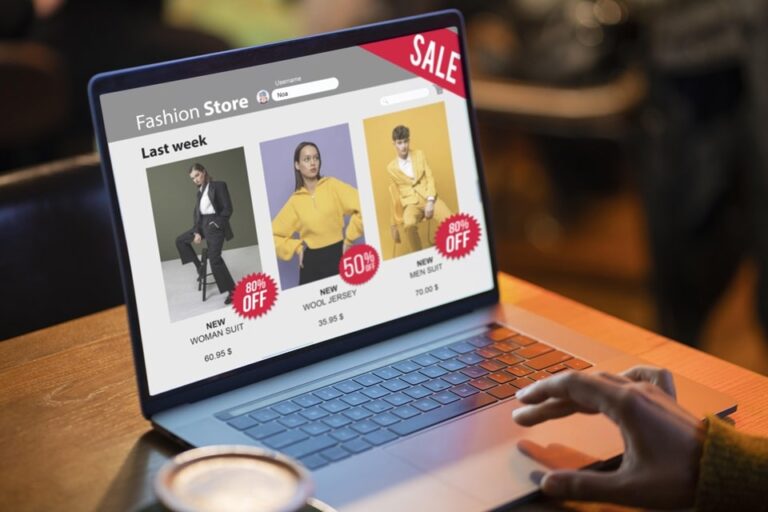
Dropshipping remains one of the most accessible and scalable business models for ecommerce entrepreneurs, enabling online store owners to sell products without maintaining inventory. In 2025, competition among suppliers and service platforms is fierce, with a variety of options ranging from print-on-demand services to global supplier networks. Choosing the right dropshipping supplier can dramatically influence your shipping times, product quality, profit margins, and ultimately your business growth. This comprehensive guide explores the top dropshipping suppliers available today, the criteria you should use to select them, and practical strategies to maximize supplier performance as you build or expand your online store.
Dropshipping suppliers bridge the gap between online store orders and fulfillment. They hold inventory, process orders, and ship items directly to your customers on your behalf. While this model reduces upfront inventory costs, it introduces reliance on external partners for quality control, delivery times, and logistics. Therefore, understanding which suppliers are most reputable and fitting for your niche is critical.
Throughout this guide, you will learn how to evaluate suppliers, review some of the most widely recommended options for 2025, and gain insights into tools and tactics that help streamline operations. This article is designed for both beginners and seasoned sellers looking to refine their supplier strategy.
Below, we begin with fundamental criteria to consider when choosing a dropshipping supplier, followed by detailed supplier profiles and practical advice for working with them.
Choosing the Right Dropshipping Supplier: Key Criteria
Selecting a supplier isn’t simply about finding low prices; you need to analyze multiple aspects that influence long-term success. The following criteria will help you shortlist and vet suppliers effectively:
- Shipping Speed and Logistics Capabilities: Fast delivery boosts customer satisfaction and reduces complaints. Suppliers with domestic warehouses or regional hubs are preferable for faster transit times.
- Product Quality and Reliability: Consistent quality prevents returns and negative reviews. Look for suppliers with transparent product descriptions, photos, and reliable reviews from other merchants.
- Integration with Ecommerce Platforms: Seamless integration with Shopify, WooCommerce, BigCommerce, or marketplaces ensures automated order flows, inventory syncing, and pricing updates.
- Inventory Transparency: Real-time inventory sync prevents selling products that are no longer available, reducing order cancellations and backorders.
- Branding Options: For businesses focused on branding, suppliers offering private label, custom packaging, or branded invoicing can significantly enhance customer perception.
- Customer Support and Responsiveness: Reliable support from the supplier or platform is essential for resolving issues quickly, especially during peak sales periods.
- Pricing Structure: Understand whether the supplier charges per order, requires a subscription, or has hidden fees. Cost transparency aids in profit calculation.
- Return Policies: Clear and favorable return policies reduce frustration for both you and your customers when products don’t meet expectations.
These criteria should be applied when evaluating both large global suppliers and niche or regional options. The right choice often depends on your target audience, product types, and growth stage.
Top Dropshipping Suppliers for 2025
The following list highlights some of the most respected dropshipping suppliers and platforms in 2025, each with its unique strengths and ideal use cases.
1. AliExpress (via DSers)
AliExpress remains one of the most widely used sources for dropshipping products, especially for beginners. It includes a massive catalog of items across almost every category imaginable. Using apps like DSers (the successor to Oberlo) enables streamlined order placement and supplier optimization, helping you compare suppliers based on pricing, ratings, and shipping options.
Strengths include virtually limitless product diversity and low entry barriers. However, delivery times can be slower compared to regional suppliers, often taking several weeks for non-expedited shipping. It’s therefore ideal for product testing and low-cost experimentation before moving to faster alternatives for scaling.
2. Spocket
Spocket focuses on connecting you with suppliers based in the United States, Europe, and other regions known for faster delivery times. This results in shorter shipping windows—sometimes as fast as 2–5 days domestically—which can significantly improve customer experience. Spocket also integrates with major platforms such as Shopify and WooCommerce, providing automatic inventory syncing and order processing. It is particularly suitable for sellers targeting North American and European markets.
3. Zendrop
Zendrop is a modern dropshipping platform that emphasizes quick shipping and direct manufacturer relationships. It offers global supplier access with many products shipping within 3–5 days. This supplier is known for custom packaging options, analytics, and subscription box support, making it a strong choice for sellers who want fulfillment efficiency. Zendrop also provides automation tools for order management and tracking.
4. CJdropshipping
CJdropshipping is an all-in-one solution that offers warehousing, order fulfillment, and an extensive global supplier network. It has warehouses in multiple regions, enabling faster delivery times than typical Chinese suppliers alone. CJdropshipping also supports private label services and custom packaging, which is valuable for brand-oriented businesses. Its platform includes order management tools and real-time inventory updates.
5. SaleHoo
SaleHoo is a supplier directory with thousands of verified wholesalers and dropshippers. It offers extensive resources for product and market research, making it a good choice for entrepreneurs who want more control over supplier selection. Unlike automated platforms, SaleHoo gives you direct access to individual suppliers, and you can negotiate terms directly. Membership includes lifetime access to the directory and community support.
6. Worldwide Brands
Worldwide Brands is one of the oldest and most trusted supplier directories, boasting millions of pre-vetted products from certified suppliers. It’s not an automated integration platform, but its strength lies in supplier reliability and variety. Once you find a supplier, you arrange dropshipping relationships manually. This approach suits sellers focused on high-quality products and long-term supplier relationships.
7. Printful & Printify
For entrepreneurs focused on print-on-demand products, Printful and Printify stand out in 2025. These platforms allow you to design and sell custom products like apparel, mugs, and accessories without inventory. They integrate with most ecommerce platforms and handle printing, packaging, and fulfillment. These suppliers are ideal for branded products, creative businesses, and niche markets that thrive on customization.
8. Wholesale2B
Wholesale2B aggregates over 1 million products across categories, providing robust inventory and order syncing features. This supplier also supports multi-channel selling via Amazon, eBay, and Shopify. Wholesale2B is known for its diverse product range and automation capabilities, making it a practical choice for sellers aiming for scalability.
9. Modalyst
Modalyst connects dropshippers with fashion and lifestyle suppliers, including premium and independent brands. It offers automated inventory updates and pricing rules that help maintain profitability. Modalyst’s curated listings are especially valuable if your store focuses on fashion or niche products where quality and uniqueness matter more than low prices.
10. Doba
Doba provides access to millions of products from verified suppliers and includes tools for bulk product management. The platform focuses on reliability and integration ease, with features such as data export tools and multi-channel support. This makes it suitable for sellers who want a comprehensive catalog without managing multiple supplier accounts separately.
11. Syncee
Syncee uses advanced algorithms to match sellers with suppliers and products that fit their criteria. It supports international suppliers and offers real-time currency conversion and automatic VAT handling. Syncee’s sophisticated search and automation tools make it a good option for sellers targeting multiple markets or managing a global product catalog.
How to Evaluate and Compare Dropshipping Suppliers
Now that you’re familiar with the main supplier options, it’s important to compare them based on your specific needs. The following steps will help you conduct a comprehensive evaluation:
- Define Your Target Market: Identify where your customers are located and prioritize suppliers that can ship quickly to those regions. For example, U.S.- and EU-based warehouses often deliver faster to customers in those areas.
- Review Shipping Policies: Assess typical lead times, shipping fees, and tracking capabilities. Fast and affordable shipping tends to increase conversion rates and repeat purchases.
- Test Product Quality: Order samples to verify product quality firsthand before offering them to customers. This step helps avoid negative reviews and returns.
- Check Integration Features: Ensure suppliers can connect seamlessly with your ecommerce platform. Automated inventory syncing, order placement, and tracking updates save time and reduce errors.
- Analyze Cost Structures: Compare wholesale prices, subscription fees, and any hidden costs. Factor these into your product pricing to maintain healthy profit margins.
- Read User Feedback and Reviews: Look for reviews from other sellers regarding supplier reliability, communication, and fulfillment accuracy. Real user feedback provides insights beyond marketing claims.
By systematically evaluating suppliers against these criteria, you can select partners that align with your business model, niche focus, and customer expectations.
Best Practices for Working with Dropshipping Suppliers
Establishing a successful dropshipping operation requires more than just choosing a good supplier. Here are actionable strategies for maximizing supplier relationships and store performance:
- Automate Order Workflows: Use apps and integrations that automatically push orders to your supplier’s system, reducing manual data entry and errors.
- Negotiate Terms Where Possible: As your store grows, negotiate for better pricing, faster fulfillment, or exclusive products to increase competitiveness.
- Monitor Inventory Closely: Even with real-time sync, periodically check stock levels to avoid selling items that suddenly go out of stock.
- Maintain Clear Communication: Establish strong communication channels with suppliers to quickly resolve issues like product discrepancies or delayed shipments.
- Plan for Returns and Refunds: Ensure your supplier has a clear return policy and understand how returns are handled to maintain customer satisfaction.
- Scale Strategically: Start with a few reliable suppliers before expanding. As order volumes grow, consider using additional suppliers to diversify risk.
Conclusion
Building a successful dropshipping business in 2025 hinges on selecting reliable suppliers that align with your goals, product niches, and target markets. Whether you’re a beginner testing products with AliExpress or scaling a branded store with print-on-demand and quick-shipping suppliers like Spocket and Zendrop, understanding your options and criteria helps you make informed decisions that drive growth. Use the frameworks and supplier profiles outlined above to evaluate partners, streamline workflows, and deliver a superior customer experience. With the right suppliers and practices in place, you can establish a competitive and sustainable dropshipping operation in any market.

Full-stack developer at Scylla Technologies (USA), working remotely from Bangladesh. Adobe Certified Magento Developer.