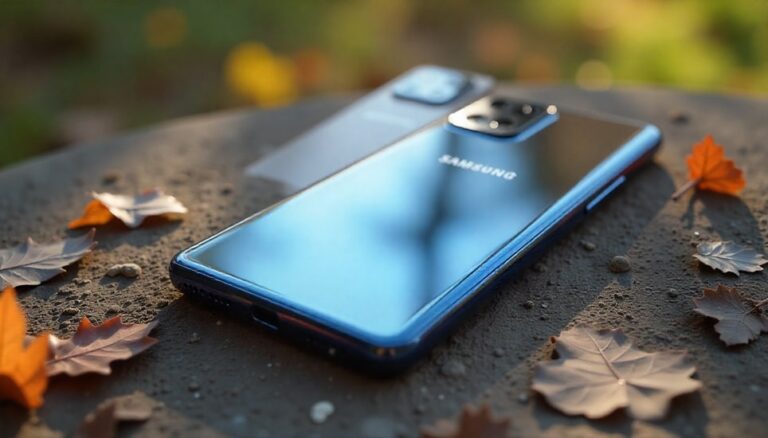
In an era when smartphones serve as our cameras, wallets, and maps, it’s no surprise we also rely on them as flashlights. That bright LED that illuminates a dark stairwell or helps find a lost key seems like the ultimate convenience. However, the habit of using your phone’s built-in flashlight is fraught with hidden costs and risks that most users never consider.
This comprehensive guide will detail why this seemingly harmless feature can be detrimental to your device, your personal safety, and even your finances. More importantly, it will provide actionable, superior alternatives for every scenario, from a quick nighttime errand to a power outage or outdoor emergency. By understanding the full implications, you can make an informed decision to protect your expensive electronics and ensure you’re never left in the dark when it matters most.
Why Your Phone’s Flashlight Is a Problem, Not a Solution
The primary appeal of a phone’s flashlight is its immediacy. It’s always in your pocket. But this convenience masks significant drawbacks. The smartphone flashlight is an LED (Light Emitting Diode) that was repurposed from its main job as a camera flash. Its design prioritizes a short, intense burst of light for photography, not sustained illumination. Using it as a flashlight forces this component into an unnatural role, leading to a cascade of negative effects.
First and foremost, the toll on your phone’s battery is severe. Activating the LED at maximum brightness requires a substantial and constant power draw. Unlike most apps, which can be optimized in the background, the flashlight runs at full power until you turn it off. In mere minutes, it can consume a percentage point of your battery life. During an emergency where you may also need your phone for communication, navigation, or information, this rapid drain can be catastrophic, leaving you with a dead device when you need it most.
Furthermore, this intense energy use generates significant heat. Modern smartphones are marvels of compact engineering, but they have very limited space for heat dissipation. When you combine the heat from the LED with the normal thermal output from the processor and battery, you create a perfect storm for overheating. Prolonged use in a hot environment or while the phone is charging can push temperatures into a dangerous zone. This thermal stress accelerates the degradation of the lithium-ion battery, one of the most expensive components to replace. Over time, this leads to a noticeable reduction in overall battery capacity and lifespan, meaning your phone dies faster during normal daily use.
The risks extend beyond the hardware to personal safety. The light emitted by a phone’s LED is often described as a “harsh” or “flat” beam. It lacks the focused, long-distance throw of a proper flashlight and often creates intense glare and deep shadows. This type of lighting is particularly poor for navigating uneven terrain, inspecting a dark corner of a garage, or walking at night. It can easily mask tripping hazards or other dangers. Additionally, using your phone as a flashlight in one hand while trying to perform a task with the other is awkward and increases the risk of dropping your device, leading to a shattered screen—a costly and common repair.
The Superior Alternatives: Choosing the Right Tool for the Job
Fortunately, the market is filled with purpose-built lighting tools that are more effective, safer, and often more affordable than risking damage to a $1,000 smartphone. Selecting the right alternative depends on your specific need. Below is a detailed breakdown of optimal choices for common situations, moving from everyday convenience to serious preparedness.
1. For Everyday Carry (EDC) and Keychain Lights
If you need light to find a keyhole, look under a restaurant table, or navigate a dimly lit parking lot, a dedicated keychain flashlight is unbeatable. Modern EDC lights are engineering marvels: incredibly small, unbelievably bright, and powered by long-lasting batteries. Models like the Olight i1R 2 or the RovyVon Aurora use rechargeable batteries via USB-C and can output over 100 lumens—far brighter than most phone LEDs—from a device the size of your thumb.
The key advantages are immediacy and reliability. They turn on with a single button press, often with multiple brightness modes. They free your phone for other tasks. Most importantly, they ensure you are never caught without light, preserving your phone’s battery for its core functions. Keeping one on your keys means you always have a superior light source without even thinking about it.
2. For Home Use, Power Outages, and Repairs
In a home environment, specialized tools are far more effective than a phone. Relying on your phone during a prolonged power outage is a recipe for a dead battery when you might need to call for help or receive emergency alerts.
- Handheld Flashlights: A good quality household flashlight, like those from brands such as Maglite or Streamlight, offers a focused beam, multiple brightness settings, and rugged durability. They are designed for extended use and often run on common AA or AAA batteries, making them easy to resupply.
- Headlamps: For any task requiring both hands—like fixing a leak under the sink, assembling furniture, or cooking during a blackout—a headlamp is transformative. It keeps light pointed exactly where you are looking, providing brilliant, shadow-free illumination. Modern LED headlamps are lightweight, comfortable, and offer features like a red-light mode to preserve night vision.
- Lanterns and Area Lights: For ambient lighting in a room during an outage, battery-powered LED lanterns or inflatable area lights are ideal. They provide 360-degree diffused light, eliminating harsh shadows and allowing a family to function normally. Many can run for dozens of hours on a single set of batteries.
3. For Outdoor Adventures and Emergencies
When venturing outdoors, a reliable light source is a critical piece of safety gear. A phone is utterly inadequate for this role. Its light is too weak, its battery too fragile, and its form factor too vulnerable to the elements.
Outdoor flashlights and headlamps are built to military or IPX standards for water and shock resistance. They offer lumen outputs ranging from a few hundred for hiking to several thousand for search and rescue. Crucially, they have runtime measured in hours, not minutes. A dedicated adventure light will have modes for long battery life (a dim but usable light for an entire night) and a turbo mode for maximum brightness when needed. Features like strobe modes for signaling are standard. In an emergency situation, having a powerful, dependable light separate from your communication device is a fundamental tenet of preparedness.
4. For Specialized Professional or Tactical Use
For law enforcement, security personnel, mechanics, or electricians, specialized flashlights are indispensable tools of the trade. These devices feature:
- Extreme Durability: Constructed from aircraft-grade aluminum with toughened glass lenses, they can withstand being dropped from significant heights or used as an impact tool in a defensive situation.
- Advanced Beam Patterns: Many have a focused “throw” beam for long-distance viewing and a wide “flood” beam for illuminating a broad area up close.
- Weapon Mounting Capabilities: Tactical lights are designed to be mounted on firearms, providing positive identification of a target—a function impossible with a smartphone.
Pro Tips for Smart Lighting and Device Longevity
Beyond simply choosing the right tool, adopting smart habits can further protect your phone and ensure you’re always prepared.
- Prevent Accidental Activation: The flashlight shortcut on a locked phone (often activated by tapping the screen or a button) is a major culprit for battery drain. It can easily turn on in a pocket or bag. Use your phone’s settings to disable the lock screen flashlight shortcut. Instead, use the toggle in the quick settings menu or ask your voice assistant (e.g., “Hey Siri, turn on the flashlight”) for safer, intentional control.
- Manage App Permissions: Be wary of third-party flashlight apps. Many are loaded with intrusive ads, request unnecessary permissions to access your data and location, and can be vectors for malware. Your phone’s built-in flashlight, controlled through the operating system, is the only software-based light source you should trust.
- Carry a Backup Power Source: If you must use your phone light in a pinch, mitigate the risk by carrying a compact power bank. This ensures you can recharge your device if its battery is depleted by the light. However, this is a backup plan, not a replacement for a proper flashlight.
- Create a Home Emergency Kit: Assemble a kit in an easily accessible location. Include a high-lumen flashlight, a headlamp, a lantern, and a generous supply of fresh lithium batteries (which have a 10-year shelf life). Test all lights every six months. This kit is far more valuable than a drawer full of smartphones during a crisis.
Frequently Asked Questions
Is it really that bad to use my phone flashlight for just 30 seconds?
While brief, occasional use is low-risk, it’s about cultivating a better habit. Those 30-second uses add up over time, contributing to cumulative battery wear. More importantly, by reaching for a dedicated light, you preserve your phone’s battery for its essential functions and ensure you have a proper light source if the task takes longer than expected.
What features should I look for in a good keychain flashlight?
Prioritize size, brightness, and rechargeability. Look for a light with a USB-C rechargeable battery, at least 50-100 lumens of output, and a simple one-button interface. A pocket clip and multiple modes (low, high, strobe) are excellent bonuses. The best EDC lights balance power with a form factor so small you’ll never leave it behind.
My smartwatch has a flashlight feature. Is that a good alternative?
Yes, a smartwatch flashlight is generally a better alternative than your phone for very brief, close-up tasks. The LED is smaller and drains the watch battery, not your phone’s. Since a watch is worn on your wrist, it leaves one hand free. However, it is still a compromise. The light is usually dim and not suitable for navigating dark spaces or use beyond an arm’s length. It’s a good tertiary tool but shouldn’t be your primary light source.
Can using my phone as a flashlight damage the camera?
Direct physical damage is rare, but the risk exists. The primary issue is thermal stress. The camera sensor and its surrounding electronics are sensitive to heat. Prolonged overheating from the LED can theoretically degrade these components over the long term, potentially affecting image quality or sensor performance.
Conclusion
Reliance on your smartphone’s flashlight is a classic example of a convenient solution creating larger, unseen problems. It trades the long-term health of your device’s battery and your immediate safety for a moment of expediency. By understanding the technical reasons—from catastrophic battery drain and component overheating to inadequate beam quality—you can break this habit. Investing in a few dedicated lighting tools, from a simple keychain light to a reliable household lantern, is a minor expense that pays substantial dividends. It protects your significant investment in your smartphone, ensures you have reliable illumination in any situation, and embodies the fundamental principle of using the right tool for the job. In an age of digital dependency, keeping a reliable, physical light source is a small but powerful step toward greater preparedness and self-reliance.