In an era where viral infections like respiratory syncytial virus (RSV) and lingering flu variants strain healthcare systems, and the pursuit of holistic health continues to gain momentum, interest in natural sore throat remedies has reached new heights. The simple, irritating pain of a sore throat remains one of the most common medical complaints globally, yet its treatment is evolving beyond over-the-counter lozenges. Grounded in traditional wisdom and increasingly supported by modern science, a powerful arsenal of kitchen staples and herbal allies offers effective, accessible relief. This comprehensive guide provides a detailed, step-by-step exploration of the most effective natural interventions, backed by an understanding of how they work and when they are most appropriate to use, empowering you to soothe discomfort and support your body’s innate healing processes safely and effectively.
Understanding Sore Throat: Causes and Initial Assessment
A sore throat, medically known as pharyngitis, is characterized by pain, scratchiness, or irritation of the throat that often worsens when swallowing. While it is frequently a symptom of a passing viral infection like the common cold or influenza, it’s crucial to understand its potential origins to choose the most appropriate remedy and know when to seek professional medical help.
Viruses are responsible for the vast majority of sore throats. These include rhinoviruses (common cold), coronaviruses, influenza viruses, and more recently prominent ones like respiratory syncytial virus (RSV). These infections cause inflammation in the throat tissues, leading to the familiar pain and swelling. Bacterial infections, though less common, can be more severe. The most notable is strep throat, caused by group A *Streptococcus* bacteria. It often presents with a sudden, severe sore throat, fever, and swollen lymph nodes, typically without a cough.
Non-infectious causes are also significant. These include environmental factors like dry air (especially from indoor heating), allergens like pollen or pet dander (allergic rhinitis), pollutants, smoking, and even muscle strain from shouting. Gastroesophageal reflux disease (GERD), where stomach acid backs up into the esophagus, can also irritate the throat, often causing a chronic, burning sensation, especially in the morning.
The first and most critical step before beginning any treatment is to assess the severity of your symptoms. Most viral sore throats are self-limiting and will improve with supportive care within 3-7 days. However, certain “red flag” symptoms indicate a need for immediate professional evaluation rather than home treatment.
- Severe or Prolonged Pain: A sore throat that is extremely painful, persists for more than a week without improvement, or is accompanied by difficulty breathing or swallowing requires medical attention.
- High Fever: A fever over 101°F (38.3°C) that lasts more than a day or two can be a sign of a more serious bacterial infection like strep throat, which requires antibiotics.
- Suspicious Physical Signs: The presence of a rash, swollen and tender lymph nodes in the neck, or white pus patches on the tonsils or throat are strong indicators of a bacterial infection.
- Associated Symptoms: Joint pain, a persistent headache, or a skin rash in conjunction with a sore throat should be evaluated by a doctor to rule out other conditions.
For the typical, mild-to-moderate viral sore throat, natural remedies excel by providing symptomatic relief, reducing inflammation, keeping the throat moist, and offering immune support. The following sections detail the preparation and application of these powerful, evidence-based natural solutions.
Step-by-Step Guide to Core Natural Remedies
This guide organizes remedies by their primary mode of action—soothing and coating, anti-inflammatory and antimicrobial, or hydration and steam therapy—to help you select and combine treatments strategically for maximum relief.
For a sore throat, natural remedies can be very effective in easing pain and inflammation. Here are some of the best options:

1. Honey and Warm Water
How it helps:
Honey is a natural remedy well-known for its soothing and healing properties. It forms a protective coating over the throat, helping to reduce irritation and pain caused by inflammation. Its natural antibacterial and antiviral properties can also aid in fighting infections that may be contributing to a sore throat. Honey is packed with antioxidants and enzymes that can help strengthen the immune system, making it easier for your body to fight off the infection or irritation. This combination of soothing and healing properties makes honey an excellent choice for sore throat relief.
How to use:
- Gather your ingredients: You’ll need one teaspoon of raw or organic honey, a glass of warm (not hot) water, and optionally, a slice of lemon or a teaspoon of fresh lemon juice.
- Prepare the mixture: Add the honey to the glass of warm water. Ensure the water is warm, as too hot of a temperature can destroy the honey’s beneficial properties. Stir well until the honey is fully dissolved in the water.
- Add lemon (optional): If desired, squeeze in a teaspoon of fresh lemon juice or add a thin slice of lemon to the mixture. Lemon adds a gentle tang and provides additional vitamin C, which can support immune health and soothe the throat further.
- Sip slowly: Drink the honey water slowly, allowing the mixture to coat your throat. This will maximize the soothing effect and let the honey settle on the inflamed areas.
- Frequency: You can drink this mixture 2-3 times per day for continuous relief. Start with a glass in the morning, have another in the afternoon, and one before bed if your throat is still sore.
- Tips for effectiveness: Avoid drinking or eating anything immediately after finishing your honey and water mix, as this will allow the honey to stay in contact with your throat for a longer time. Additionally, try to choose raw or organic honey if possible, as it contains more active enzymes and antioxidants.
By following these steps, you can experience both immediate and long-lasting relief for sore throats, using natural ingredients that support the body’s healing process.

2. Salt Water Gargle
How it helps:
Salt works as a natural antiseptic that can help reduce throat swelling and ease discomfort. By drawing out excess water from throat tissues, it minimizes inflammation, while the gargling action helps wash away irritants and mucus. This simple solution can also create an environment hostile to bacteria, reducing the risk of further infection.
How to use:
- Prepare the mixture: Dissolve half a teaspoon of salt in a glass of warm water (about 8 ounces). Make sure the water is warm but not hot to avoid further irritation.
- Gargle: Take a sip, tilt your head back slightly, and gargle for about 30 seconds. This allows the saltwater to reach deep into the throat and wash away any irritants.
- Spit it out: After gargling, spit out the solution. Do not swallow the salt water, as it may upset your stomach.
- Repeat as needed: For best results, repeat this process every 3-4 hours throughout the day until your symptoms improve.
This method provides quick relief, reducing soreness and promoting a faster recovery.
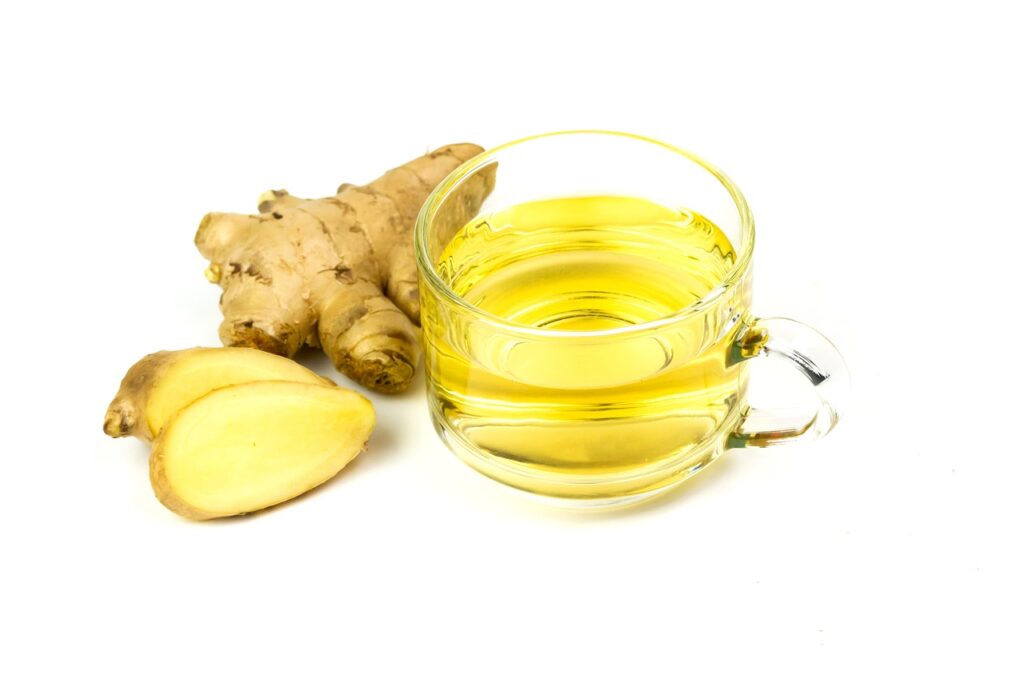
3. Ginger Tea
How it helps:
Ginger is known for its powerful anti-inflammatory and antibacterial properties, which can help reduce throat swelling and fight off infections. Its natural compounds, like gingerol, are effective in soothing irritation and reducing discomfort, while also providing a warming sensation that can be especially comforting for a sore throat. Ginger also supports the immune system, helping your body combat the source of the infection.
How to use:
- Prepare the ginger: Slice a small piece of fresh ginger root (about 1-2 inches) into thin slices to release its active ingredients.
- Boil the ginger: Add the ginger slices to a pot with about 1-2 cups of water. Bring the water to a gentle boil, then let it simmer for 5-10 minutes, depending on how strong you prefer the flavor.
- Strain and pour: Remove from heat, strain the tea to remove the ginger pieces, and pour it into a cup.
- Optional honey addition: For extra soothing and sweetness, add a teaspoon of honey. Honey complements ginger’s effects by coating the throat and enhancing the antibacterial benefits.
- Sip while warm: Drink the tea slowly while it’s warm to maximize its soothing effects. You can enjoy ginger tea 2-3 times per day as needed.
This easy remedy provides immediate relief while also supporting your body’s natural healing process.

4. Turmeric Milk
How it helps:
Turmeric is a natural anti-inflammatory and antimicrobial powerhouse, making it effective in soothing throat pain and reducing infection. Curcumin, the active compound in turmeric, helps to relieve inflammation and boost the immune response, promoting faster healing. Combined with warm milk, turmeric creates a comforting drink that can ease soreness and irritation in the throat.
How to use:
- Prepare the mixture: Heat a cup of milk until it’s warm (but not boiling) and add a teaspoon of turmeric powder. Stir well until the turmeric is fully dissolved.
- Optional additions: You can add a pinch of black pepper to enhance curcumin absorption or a teaspoon of honey for added sweetness and soothing effects.
- Drink before bedtime: Sip the turmeric milk slowly while it’s warm, ideally just before bed to allow it to coat your throat and provide relief overnight.
This simple remedy can be taken once daily, especially at night, for comfort and support in reducing soreness and fighting infection.
5. Chamomile Tea
- How it helps: Chamomile is soothing, reduces inflammation, and may have mild pain-relieving effects.
- How to use: Steep chamomile tea bags in hot water for 5 minutes. Drinking it warm can provide relief and also help you relax.
6. Apple Cider Vinegar and Water
- How it helps: ACV has antimicrobial properties that may help kill off bacteria causing irritation.
- How to use: Mix a tablespoon of apple cider vinegar with warm water. You can either sip it or use it as a gargle.
7. Licorice Root Tea
- How it helps: Licorice root has long been used to soothe sore throats due to its anti-inflammatory and expectorant properties.
- How to use: Boil licorice root in water, strain, and drink while warm.
8. Peppermint Tea or Oil Steam Inhalation
- How it helps: Peppermint contains menthol, which has cooling properties that can relieve throat pain.
- How to use: Drink peppermint tea, or add a few drops of peppermint essential oil to hot water and inhale the steam.
9. Stay Hydrated with Warm Liquids
- How it helps: Staying hydrated with warm, soothing drinks can keep the throat moist and prevent further irritation.
- How to use: Sip on warm water, broths, or herbal teas throughout the day.
These remedies can complement rest and relaxation to help your body heal more quickly. Avoid irritants like caffeine and alcohol, and stay warm to speed up recovery.
Conclusion: Empowering Natural Care for Throat Health
Navigating the discomfort of a sore throat no longer requires a default trip to the pharmacy. As this guide demonstrates, a scientifically-informed, natural approach centered on ingredients like honey, salt, ginger, and turmeric can provide profound and effective relief. The key lies in understanding the mechanism behind each remedy—from the osmotic action of a salt gargle to the anti-inflammatory power of curcumin and gingerol—and applying them consistently. By combining these targeted treatments with foundational supportive care, such as strategic hydration, vocal rest, and environmental humidity control, you create an optimal internal and external environment for healing. Remember, these powerful natural strategies are best suited for common viral ailments and mild irritations. Listening to your body and recognizing the “red flag” symptoms that warrant professional medical evaluation remains the most crucial aspect of self-care. Armed with this knowledge, you can confidently soothe sore throat symptoms, support your overall well-being, and harness the timeless healing power of nature from the comfort of your home.