

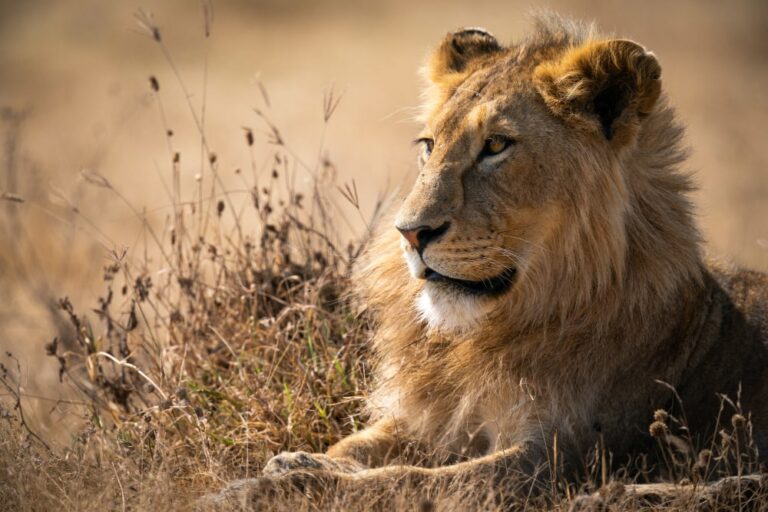
Lions, often celebrated as the majestic rulers of the African savanna, captivate with their raw power and intricate social lives. These apex predators embody resilience amid shrinking habitats, where their thunderous roars echo across vast grasslands. Delving into their world reveals layers of astonishing adaptations that have sustained them for millennia, from cooperative hunts under starlit skies to the subtle cues that bind prides together.
Recent surveys highlight a fragile existence, with populations teetering on the edge in fragmented landscapes. Yet, stories of recovery in protected reserves offer glimmers of hope, underscoring the urgent need to safeguard these icons. This exploration uncovers the hidden facets of their existence, blending scientific insights with on-the-ground realities to illuminate why lions remain a profound symbol of wild integrity.
The Enigmatic World of Lion Biology
Lions possess a physiology finely tuned for dominance in open terrains. Their muscular frames, cloaked in tawny coats, enable explosive bursts of speed reaching 50 miles per hour over short distances. Unlike solitary felines, their bodies support communal living, with enhanced stamina for prolonged patrols across territories spanning hundreds of square miles.
The male’s mane, a hallmark of virility, isn’t merely ornamental. This flowing crown, often darkening to near-black hues, serves as armor during clashes, absorbing blows and signaling prowess to rivals. Females, leaner and more agile, boast builds optimized for stealthy pursuits, allowing them to weave through tall grasses undetected.
Sensory acuity defines their survival edge. Keen night vision, courtesy of a reflective layer behind the retina, turns darkness into an ally during nocturnal forays. Their acute hearing picks up the faintest rustles, while a Jacobson’s organ in the roof of the mouth analyzes scents, revealing intruders or distant prey from afar.
Unique Physical Adaptations
Beyond the obvious mane, lions harbor lesser-known traits that astound. Their tongues, armed with sharp, backward-facing spines, rasp meat from bones with surgical precision, stripping carcasses clean in minutes. This barbs, formed from keratin, also aid in grooming, fostering bonds within the pride through mutual licks.
A distinctive abdominal fold sets Asiatic lions apart, a longitudinal skin crease absent in their African kin. This feature, evolutionary holdover, may enhance flexibility during sprints or provide camouflage amid scrubby undergrowth. In both subspecies, paw pads yield to absorb shock on rocky outcrops, preventing fractures during leaps from heights exceeding 12 feet.
Thermoregulation prowess shines in arid climes. Lions pant efficiently, expelling heat through rapid breaths, while sparse fur minimizes solar absorption. Cubs emerge spotted for instant blending into dappled shade, a camouflage that fades as they mature, mirroring the savanna’s golden uniformity.
Internally, their hearts pulse with remarkable efficiency, comprising just 0.5 percent of body weight yet fueling marathons of endurance. This lean cardiac design contrasts with hyenas, whose bulkier organs suit scavenging lifestyles but falter in pursuits. Such refinements underscore lions’ predatory supremacy.
Reproductive Marvels and Lifespan Insights
Breeding synchrony among pride females ensures cub litters arrive in waves, bolstering collective nursing. Gestation spans 110 days, yielding one to four offspring per female. Males, maturing later at four years, roam as nomads before claiming prides, their tenure lasting two to four years amid fierce takeovers.
Wild longevity averages 12 years for females, dipping to 10 for males due to territorial skirmishes. Captive counterparts stretch to 25 years, free from famine and fights. Infanticide shadows new coalitions, with incoming males slaying unrelated cubs to spur estrus, a harsh reset ensuring genetic legacy.
Despite perils, prides nurture survivors through allomothering, where non-birthing females lactate for orphans. This communal rearing boosts fledgling rates by 20 percent, turning potential tragedies into triumphs of kinship.
Intricate Social Dynamics Within Prides
At the heart of lion society lies the pride, a matriarchal bastion averaging 15 members. Related lionesses form the core, their lifelong allegiance weaving a safety net for offspring. Males, transient guardians, patrol perimeters, their presence deterring challengers through displays of mane and muscle.
Daily rhythms pulse with ritual. Dawn choruses of roars synchronize the group, a vocal map asserting boundaries audible five miles distant. Grooming sessions, lasting hours, reinforce hierarchies and soothe tensions, with dominant females receiving priority licks.
Play punctuates idleness, cubs tumbling in mock hunts that hone reflexes. Adults join sporadically, modeling pounces and grapples, imprinting survival scripts. Such interactions, fluid yet structured, maintain cohesion amid the savanna’s unpredictability.
Communication: Roars, Scents, and Subtleties
Lions orchestrate a symphony of signals. The roar, a guttural bellow peaking at 114 decibels, conveys identity and intent, each voice uniquely patterned like a fingerprint. Recent acoustic studies reveal a secondary “moan-roar” variant, softer yet pervasive, used for intimate pride summons.
Scent marking paints invisible fences. Urine sprays, head rubs, and paw scrapes deposit pheromones, narrating intruder paths or estrus cycles. Females in heat exude musky invitations, drawing males from afar, while cub scents signal vulnerability, rallying protective instincts.
Visual cues complete the lexicon. Tail flicks denote irritation, ear positions betrayal wariness, and direct stares challenge authority. In hunts, subtle nods coordinate ambushes, transforming chaos into calculated strikes.
Roles and Hierarchies: Females Lead, Males Guard
Lionesses embody the pride’s engine, their collaborative hunts yielding 30 percent success rates. Agile and enduring, they encircle herds, herding prey into kill zones. Males, bulkier sentinels, intervene against buffalo charges or hyena raids, their roars amplifying deterrence.
Hierarchy flows matrilineally, elder females dictating decisions via subtle postures. Males, upon takeover, feast first, their caloric intake fueling defenses. Yet, this privilege exacts tolls; evicted coalitions wander, scavenging until conquests.
Adolescent males, exiled at maturity, forge brotherly bonds, roaming as nomads. These alliances, forged in exile, equip them for pride seizures, where synchronized assaults overwhelm incumbents. Such cycles perpetuate genetic vigor, though at steep costs.
In superprides exceeding 40 souls, dynamics strain, splintering subgroups for efficiency. Females navigate these webs adeptly, nursing across litters and sharing vigils, embodying altruism’s evolutionary edge.
Hunting Strategies and Dietary Realities
Hunting unfolds as high-stakes theater, blending stealth, speed, and synergy. Lionesses stalk within 100 feet, freezing amid cover before exploding into chases capped at 300 yards. Success hinges on ambush, not pursuit, as prey outpaces them in endurance.
Preferred quarry includes zebras and wildebeest, whose mass sustains feasts devouring 40 pounds per lion. Opportunism reigns; injured elephants or nesting ostriches supplement menus. Scavenging claims 25 percent of intake, pilfering from hyenas via intimidation bluffs.
Night cloaks their efforts, eyes gleaming in moonlight as they navigate by starlight. Stormy weather aids, thunder muffling footfalls. Cubs observe from afar, absorbing tactics that graduate them to participants by year two.
Cooperative Tactics and Prey Selection
Teamwork elevates hunts from gambles to geometries. Females fan out, assigning roles: flankers, drivers, blockers. This choreography fells buffalo, whose horns claim lion lives annually. Selection favors medium builds, evading the caloric voids of giants or nutritional paucity of rodents.
- Flanking Maneuvers: Lionesses position upwind, drifting silently to encircle herds. This isolates targets, panicking groups into errors exploitable by the core group. Such precision minimizes energy waste, conserving strength for kills.
- Ambush Drives: One or two initiate charges, herding prey toward concealed waiters. The receiving team leaps, targeting throats for suffocation. This relay sustains momentum, turning pursuits into traps.
- Buffalo Takedowns: Rare but monumental, these involve full pride assaults on weakened individuals. Females harry flanks while males deliver crushing bites, a symphony of risk yielding feasts for days. Successes forge legends within prides.
- Zebras and Gazelles: Swift but skittish, these form daily staples. Lionesses exploit watering holes, timing strikes at dusk when thirst clusters victims. Single pursuits end in neck snaps, efficient and low-risk.
- Opportunistic Scavenges: Hyena dens become battlegrounds, roars scattering scavengers. Lions claim spoils, supplementing hunts during lean seasons. This versatility buffers famines.
- Cub Involvement: Juveniles shadow mothers, practicing on calves. Failures teach evasion, successes build confidence. By adolescence, they contribute, easing elder burdens.
- Male Interventions: In wooded fringes, solitary males stalk giraffes, toppling saplings for falls. Their power complements female agility, broadening dietary breadth.
- Seasonal Shifts: Dry spells pivot to migratory herds, prides trekking miles. Wet abundance scatters hunts, diversifying intake with birds and reptiles.
Failure rates hover at 75 percent, underscoring the gamble. Yet, communal sharing equalizes outcomes, with dominant males gorging first, followed by hunters and cubs. This equity sustains the collective, turning individual setbacks into group resilience.
Climate anomalies disrupt patterns, droughts slashing prey by 50 percent in East Africa. Lions adapt, raiding fringes for livestock, igniting conflicts that claim hundreds yearly. Understanding these shifts informs interventions, from corridor creations to prey restocking.
Habitats and Global Distribution Shifts
Savannas cradle most lions, their acacia-dotted expanses ideal for visibility and velocity. Scrublands and woodlands fringe ranges, offering shade and ambush nooks. Deserts repel them, water scarcity trumping prey lures.
Historical dominion spanned Eurasia, lions gracing Greek myths and Asian epics. Roman arenas claimed thousands, extirpating European holds by 100 AD. Asiatic remnants cling to Gir’s teak groves, a 1,400-square-kilometer bastion.
African heartlands host 90 percent, Tanzania alone sheltering 40 percent. Fragmentation carves islands, prides marooned in parks amid farmlands. Corridors, like those linking Serengeti to Maasai Mara, bridge gaps, easing gene flow.
Adaptations to Diverse Environments
In arid Kalahari, lions sip from melons, their kidneys concentrating urine to hoard moisture. Tree-climbing clans in Manyara perch aloft, evading tsetse flies and surveying plains. These variants showcase plasticity, prides tailoring tactics to terrains.
Forest fringes harbor solitary males, their hunts solitary symphonies. Coastal fringes yield beach feasts, from beached whales to raiding seals. Such versatility tempers declines, though urbanization erodes edges relentlessly.
Climate change redraws maps, droughts desiccating waterholes and flooding lairs. Lions shift southward, pressing against human swells. Reserves like Ruaha buffer these tides, their vastness preserving migratory lifelines.
Conservation Challenges and Triumphs
Vulnerable on IUCN rosters, lions number 20,000 to 25,000, halved in decades. West African holds teeter critically, under 500 souls. Asiatic kin, 674 strong, thrive in Gir through vigilant patrols.
Habitat hemorrhage claims 94 percent of ranges, agriculture and mines swallowing savannas. Prey plummets, zebras vanishing 52 percent in the east, forcing livestock forays. Retaliatory poisons fell 600 annually, toxins rippling through scavengers.
Poaching surges for bones, masquerading as tiger tonics in Asia. Trophy hunts, capped at 800 yearly, spark debates; revenues, meagerly trickling to communities, fund patrols yet fuel resentments. Transfrontier zones like KAZA unite nations, forging 200-million-dollar tourism engines.
Human-Wildlife Conflicts and Resolutions
Encroachment ignites clashes, lions collateral in pastoral expansions. Kraals, fortified enclosures, slash depredations 90 percent, solar lights deterring night raids. Guardian programs, like Kenya’s, compensate losses, turning foes to allies.
Education ignites stewardship; school curricula weave lion lore, birthing eco-guides from herders. Collaring tracks dispersals, alerting villages via apps. These innovations bridge divides, fostering coexistence in crowded corridors.
- Anti-Poaching Patrols: Armed rangers, drones, and snaresweeps reclaim territories, boosting densities 30 percent in hotspots. Community scouts, earning stipends, amplify reach, blending local savvy with tech.
- Habitat Corridors: Linking fragments, these green veins enable wanderings, staving inbreeding. Seedlings and anti-fencing zones restore flows, populations rebounding 15 percent in connected zones.
- Prey Restoration: Restocking antelopes diverts appetites, conflicts dipping 40 percent. Fodder banks sustain herds through dries, lions lingering inward.
- Tourism Revenue Shares: Parks funnel 20 percent to locals, funding schools and wells. Pride sightings swell coffers, incentivizing defenses over destruction.
- Genetic Monitoring: Fecal swabs map diversity, guiding translocations. Low-vigor prides receive infusions, averting collapses.
- Climate-Resilient Plans: Water points and shade groves buffer heats, prides holding 25 percent firmer in adapted ranges.
- Policy Harmonization: CITES quotas curb trades, bans slashing seizures 70 percent. Regional pacts enforce borders, curbing spillovers.
- Youth Engagement: Camps teach tracking, budding stewards patrolling futures. Literacy rates climb, empowering informed guardianships.
Triumphs gleam in recoveries: Senegal’s Niokolo-Koba doubles to 30 lions via anti-conflict meshes. Gir’s patrols yield 32 percent surges, cubs thriving sans snares. Yet, vigilance endures; 2025 censuses signal plateaus, urging redoubled resolve.
Global pledges, like the Lion Recovery Fund, seed 50 projects, from collar deployments to village vets. Philanthropy amplifies, donors fueling firewalls against extinctions. These mosaics, pieced from perils, sketch pathways to plenitude.
Conclusion
Lions weave a tapestry of tenacity, their biology a blueprint of brilliance from maned sentinels to synchronized synchronies. Social symphonies orchestrate hunts and harmonies, while habitats harbor hopes amid encroachments. Conservation’s cadence, from kraal fortresses to corridor dreams, counters cascades of conflicts and cullings. As populations pivot toward precarious plateaus, these revelations rally us: safeguarding the savanna’s sovereigns secures symphonies of life echoing eternally.

