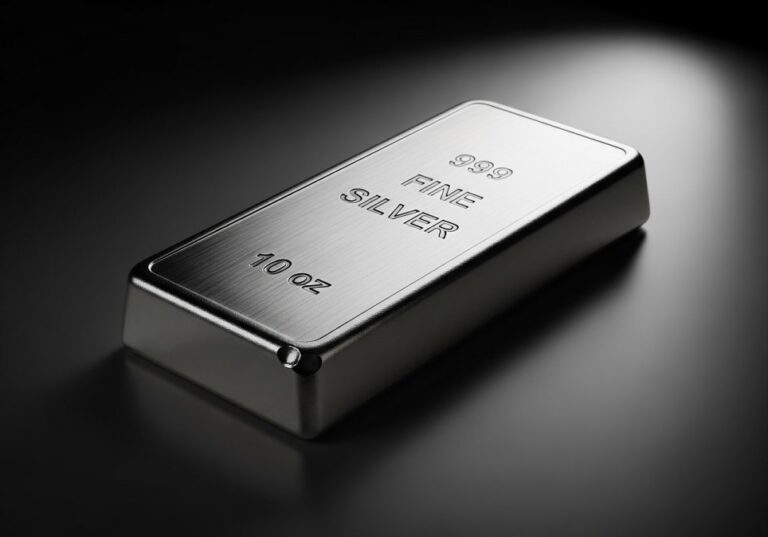
As the global economy navigates through ongoing uncertainties, including geopolitical tensions and industrial demand surges, the silver market in Hyderabad remains a focal point for investors and consumers alike. The precious metal has seen remarkable volatility, driven by a combination of international factors and local market dynamics. In recent weeks, prices have reflected broader trends, with industrial applications in sectors like renewable energy and electronics playing a pivotal role in sustaining upward momentum.
Local demand in Hyderabad, influenced by cultural traditions and investment preferences, continues to shape the retail landscape. Buyers are increasingly turning to silver as an accessible alternative to other assets, especially amid fluctuating currency values and economic policies. This report delves into the latest pricing details, underlying influences, and broader implications for the market in this bustling city.
With silver’s dual role as both an industrial commodity and a store of value, its performance in 2026 has outpaced expectations. Central bank activities and supply constraints have further amplified interest, making it essential for stakeholders to stay informed on daily fluctuations and long-term projections.
Market observers note that while short-term dips may occur due to profit-taking, the overall trajectory points toward sustained growth, supported by persistent deficits in global supply chains.
Current Silver Prices in Hyderabad
On 19 January 2026, the silver rate in Hyderabad stands at approximately 310 rupees per gram, reflecting stability after recent adjustments. For larger quantities, the price per 10 grams is around 3,100 rupees, while 100 grams costs about 31,000 rupees. Those looking to purchase in bulk will find the rate for 1 kilogram hovering near 3,10,000 rupees, subject to minor variations across dealers due to local taxes and making charges.
Compared to the beginning of the month, when prices started at around 256 rupees per gram, this represents a significant increase of over 21 percent. The highest rate recorded in January was 310 rupees per gram on 15 January, while the lowest was 256 rupees per gram at the month’s start. These figures align with national trends, where silver has benefited from heightened investor interest amid economic shifts.
Retailers in key areas like Abids and Begum Bazaar report steady footfall, with buyers opting for coins and bars for investment purposes. Purity levels, typically 999 or 99.9 percent, ensure authenticity, and consumers are advised to verify hallmarks before purchase to avoid discrepancies.
Daily updates from platforms like commodity exchanges indicate that morning sessions often see slight premiums due to overnight global cues, while evening trades may offer marginal discounts based on closing international rates.
Factors Influencing Silver Prices
Several macroeconomic elements contribute to the current silver pricing in Hyderabad. Global industrial demand, particularly from solar energy and electric vehicle manufacturing, has created persistent supply shortages, pushing prices upward. In India, imports account for the majority of silver supply, making the market sensitive to rupee-dollar exchange rates; a weaker rupee typically results in higher local costs.
Geopolitical risks, including trade tariffs and international conflicts, have bolstered silver’s appeal as a safe-haven asset. Recent threats of new tariffs on European nations have directly impacted spot prices, leading to record highs above 90 dollars per troy ounce globally, which translates to elevated rates in local markets like Hyderabad.
Domestic factors, such as festive seasons and wedding demands, add seasonal pressure. Although January is not peak season, lingering effects from year-end purchases contribute to sustained interest. Additionally, central bank policies, including interest rate adjustments, influence investor sentiment, with lower rates making non-yielding assets like silver more attractive.
Supply-side issues, including mining disruptions and export restrictions from major producers like China, exacerbate deficits. Analysts point to a combination of these elements creating a “perfect storm” for price escalation, with projections suggesting continued strength through the year.
Impact of Industrial Demand
The surge in clean energy initiatives has positioned silver as a critical component in photovoltaic cells for solar panels. With India’s push toward renewable targets, local consumption has risen, indirectly affecting Hyderabad’s market where industrial buyers source materials for electronics and automotive parts.
Electric vehicles require twice as much silver as traditional cars for components like batteries and wiring, amplifying demand. This industrial pull, combined with investment inflows, creates a bullish environment, though it also introduces volatility tied to economic cycles.
Currency and Economic Policies
The Indian rupee’s performance against the US dollar is a key determinant. Strengthening of the dollar often leads to costlier imports, raising silver rates. Government policies on import duties and trade also play a role, with recent hikes aimed at curbing outflows but inadvertently supporting higher prices.
Inflation hedging remains a core driver, as silver preserves value during periods of rising living costs. In Hyderabad, where economic growth is robust, these factors resonate strongly with both retail and institutional investors seeking portfolio protection.
Historical Trends of Silver Prices in Hyderabad
Over the past decades, silver prices in Hyderabad have mirrored national and global patterns, with notable spikes during economic upheavals. From 1981, when rates were around 2715 rupees per kilogram, to the early 2000s at about 7000-8000 rupees, the metal experienced gradual appreciation driven by industrial growth.
The 2008 financial crisis saw prices climb sharply, reaching over 50,000 rupees per kilogram by 2011, as investors fled to safe assets. Post-2012 stabilization brought rates down temporarily, but renewed demand from emerging technologies revived upward trends by the mid-2020s.
In 2025, silver surged nearly 150 percent annually, outpacing gold, due to supply shortages and industrial booms. Entering 2026, January’s 21 percent rise continues this momentum, with historical data showing average annual returns of around 3.7 percent compounded over nearly a century, though recent years have far exceeded this.
Local archives from Hyderabad’s markets indicate that cultural events like Diwali often correlate with price peaks, while off-seasons see corrections. Comparing to gold, silver’s volatility is higher, but its affordability has made it a staple for diversified holdings in the region.
Key Milestones in Price History
- 1980s to 1990s: Prices ranged from 2000-7000 rupees per kg, influenced by global oil crises and India’s liberalization, leading to increased imports and steady growth. This era laid the foundation for silver as an accessible investment for middle-class families in Hyderabad.
- 2000s Boom: Post-millennium, rates doubled amid tech demand, hitting 20,000 rupees by 2007. The global recession amplified this, with Hyderabad seeing heightened trading volumes as locals sought inflation protection.
- 2010s Volatility: Peaks at 56,000 rupees in 2011, followed by dips to 37,000 by 2015, reflected commodity cycles. Local jewelers adapted by promoting silver ornaments during economic slowdowns.
- 2020s Surge: Pandemic-driven safe-haven buying pushed prices to new highs, with 2025’s 150 percent gain setting records. In Hyderabad, digital platforms emerged, facilitating easier access amid lockdowns.
- Recent January Trends: Consistent monthly increases, with 2026’s start showing resilience despite global uncertainties, underscoring silver’s enduring appeal in the city.
- Comparative Analysis: Over 98 years, silver’s 3.71 percent annual return lags stocks but offers stability, with Hyderabad’s market benefiting from proximity to industrial hubs like Bengaluru.
- Future Projections: Based on historical patterns, analysts foresee continued growth, potentially reaching 400 rupees per gram by year-end if industrial demand persists.
- Local Impact: In Hyderabad, historical trends have influenced gifting traditions, with silver items becoming symbols of prosperity during festivals and milestones.
These trends highlight silver’s resilience, with past data informing current strategies for buyers in Hyderabad navigating the dynamic market.
Global Silver Market Overview
The international silver landscape in 2026 is characterized by record highs, with spot prices exceeding 93 dollars per troy ounce amid tariff tensions and industrial shortages. Trump’s recent tariff threats on European nations have fueled safe-haven buying, propelling a 3.7 percent daily jump.
Annual gains of over 200 percent since early 2025 underscore silver’s outperformance, driven by deficits where demand outstrips supply by millions of ounces. Key contributors include China’s export curbs and US recognition of silver as a critical metal for tech and energy sectors.
Forecasts from institutions like HSBC predict averages around 68 dollars per ounce for 2026, though some analysts eye 100 dollars amid ongoing volatility. Mining stocks have amplified returns, with margins expanding as production costs remain low at 15-20 dollars per ounce.
In India, this global rally translates to local strength, with Hyderabad benefiting from national import dynamics and growing ETF interest. The metal’s role in AI infrastructure and clean energy ensures sustained relevance worldwide.
Investment Opportunities in Silver
Silver presents diverse avenues for investors in Hyderabad, from physical bars to digital ETFs. Its affordability compared to gold allows entry with smaller capital, while high liquidity ensures quick conversions. With prices at current levels, opportunities abound for both short-term trades and long-term holds.
Digital platforms offer convenience, enabling purchases as low as 100 rupees without storage concerns. Traditional buyers prefer coins and bars from reputed jewelers, ensuring purity and resale value. Amid 2026’s rally, strategic investments could yield substantial returns if trends persist.
Current Market Price and Deals
As detailed, current rates are competitive, with deals available at major outlets like Joyalukkas and MMTC-PAMP offering certified pure silver. Promotional offers during non-peak months include discounts on bulk buys, with online platforms providing free delivery and secure payments for added convenience.
Local markets in Hyderabad feature seasonal deals, such as bundled packages with gold items or loyalty programs for repeat buyers. Investors should compare rates across sites like eBullion for the best value, ensuring authenticity through hallmarks.
Pros and Cons
- Pros: Affordability allows broader access; industrial demand supports growth; acts as inflation hedge; high liquidity for quick sales; diversifies portfolios with low correlation to stocks. These attributes make silver appealing for risk-tolerant investors seeking upside potential.
- Pros: Global recognition ensures tradability; outperforms in bull markets; protects against economic downturns; accessible via ETFs without physical handling; historical resilience in crises. This positions silver as a balanced asset in uncertain times.
- Pros: Lower entry barriers than gold; potential for amplified returns via mining stocks; cultural significance in India enhances demand; eco-friendly applications boost long-term value; easy storage for small quantities. Investors benefit from its versatility.
- Cons: Higher volatility than gold; storage and security costs for physical forms; weaker long-term returns historically; influenced by industrial cycles; premiums on retail purchases. These factors require careful timing and risk management.
- Cons: Theft risks for tangible assets; opportunity costs versus income-generating investments; market manipulation possibilities; tax implications on sales; supply surpluses could depress prices. Awareness mitigates these downsides.
- Cons: Smaller market size exaggerates swings; dependency on global economics; no dividends or interest; resale discounts possible; environmental mining concerns. Balanced allocation addresses these issues.
Pro Tips
Monitor daily rates from reliable sources like MCX for informed decisions; diversify across physical and digital forms to reduce risks; buy during dips for better entry points; verify purity with certified dealers; consider long-term holds over speculative trades for stability. These strategies enhance returns while minimizing exposure.
Avoid impulse buys during peaks; use apps for real-time alerts; consult experts on tax rules; store securely in bank lockers; track global news for cues. Such practices ensure sustainable investing in Hyderabad’s dynamic market.
Frequently Asked Questions
- What is the best way to buy silver in Hyderabad? Opt for reputed jewelers or online platforms like MMTC-PAMP for certified products; compare rates and check hallmarks for authenticity. This ensures value and ease of resale.
- Is silver a better investment than gold? Silver offers higher volatility and potential returns but with more risk; it’s more affordable and industrially driven, suitable for diversified portfolios. Consider goals before choosing.
- How does purity affect silver prices? Higher purity like 999 commands premiums; always verify with stamps to avoid losses on impure items. This impacts long-term value significantly.
- What taxes apply to silver purchases? GST at 3 percent; wealth tax if holdings exceed thresholds; capital gains on sales. Consult advisors for compliance.
- Can silver prices drop suddenly? Yes, due to economic recoveries or supply increases; monitor trends to anticipate changes. Diversification helps cushion impacts.
- Are silver ETFs a good option? They provide exposure without storage issues, ideal for beginners; low costs and liquidity make them attractive. Research fund performance first.
- How to store silver safely? Use bank lockers or home safes; insure valuable holdings; avoid damp areas to prevent tarnish. Proper care preserves condition.
Conclusion
In summary, silver rates in Hyderabad on 19 January 2026 reflect a robust market influenced by global demands and local dynamics, with prices stabilizing at competitive levels after a strong monthly uptrend. Historical patterns and current factors underscore its potential as a hedge and growth asset, though volatility warrants caution. Investors benefit from diversification, informed strategies, and awareness of pros like affordability and industrial support, alongside cons such as storage risks. As the year progresses, monitoring trends will be key to capitalizing on opportunities in this enduring precious metal.

Full-stack developer at Scylla Technologies (USA), working remotely from Bangladesh. Adobe Certified Magento Developer.