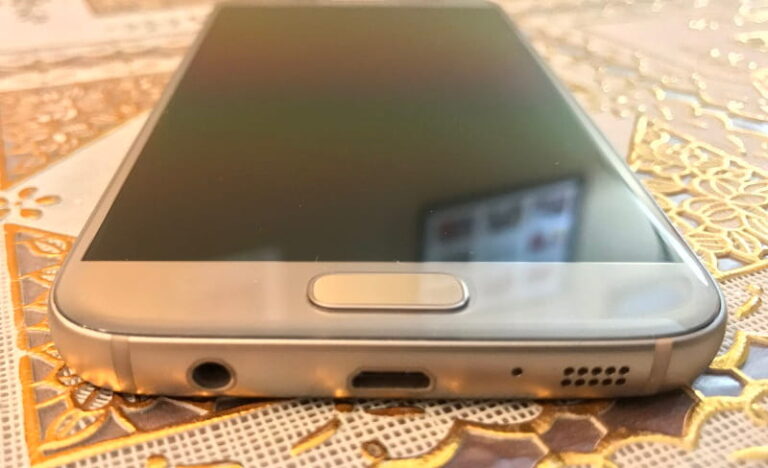
The Samsung Galaxy S7 represents a significant milestone in smartphone evolution, combining refined design elements with groundbreaking camera technology and robust hardware specifications. Released in March 2016 as Samsung’s flagship device, the Galaxy S7 brought back popular features from previous generations while introducing revolutionary innovations that set new standards for mobile photography and performance. This comprehensive guide explores every aspect of the Galaxy S7, from its technical specifications to its current market position, providing readers with detailed insights into what made this device a benchmark in smartphone technology.
When Samsung unveiled the Galaxy S7 and its curved-screen sibling, the S7 Edge, at Mobile World Congress in February 2016, the company addressed many criticisms leveled at the Galaxy S6 while pushing forward with new technological achievements. The device successfully merged premium build quality with practical features, creating a smartphone that appealed to both technology enthusiasts and everyday users seeking reliability and performance.
Design Philosophy and Build Quality
The Samsung Galaxy S7 maintains the premium design language established by its predecessor while incorporating subtle refinements that enhance both aesthetics and functionality. Measuring 142.4 millimeters in height, 69.6 millimeters in width, and just 7.9 millimeters in thickness, the device strikes an excellent balance between screen size and portability. Weighing 152 grams, the S7 feels substantial without being cumbersome, and its weight distribution ensures comfortable one-handed operation for extended periods.
The device features a metal frame sandwiched between curved glass panels on both the front and back, protected by Corning Gorilla Glass 4. This dual-glass construction creates an almost optical illusion effect, particularly on the rear panel, where the curved edges blend seamlessly into the metal sides. The refinements over the Galaxy S6 include a more rectangular physical home button and a significantly reduced camera protrusion, measuring just 0.46 millimeters, which prevents the device from rocking when placed on flat surfaces.
Samsung offered the Galaxy S7 in multiple color variants depending on the market, including Black Onyx, Gold Platinum, Silver Titanium, White Pearl, and Pink Gold. A special Olympic edition featuring a dark blue body with color accents inspired by the Olympic rings was released in limited quantities for the 2016 Summer Olympics. Later in October 2016, Samsung introduced a Blue Coral color option, previously featured on the recalled Galaxy Note 7, expanding the aesthetic choices for consumers.
Water and Dust Resistance
One of the most significant improvements in the Galaxy S7 was the restoration of environmental protection with IP68 certification for water and dust resistance. This feature, which had been removed from the Galaxy S6, allows the device to withstand immersion in up to 1.5 meters of water for up to 30 minutes. The IP68 rating represents the highest level of consumer electronics protection, with the first digit indicating complete protection against dust ingress and the second digit confirming protection against continuous submersion in water.
This environmental sealing was achieved without compromising the device’s slim profile or requiring port covers, a testament to Samsung’s engineering capabilities. The water resistance proved particularly valuable for users who wanted to capture photos in wet conditions, use their devices poolside, or simply have peace of mind against accidental spills and splashes. The implementation required careful sealing of all ports, buttons, and the SIM card tray while maintaining functionality and ease of use.
Display Technology and Specifications
The Galaxy S7 features a 5.1-inch Super AMOLED display with a Quad HD resolution of 2560 by 1440 pixels, resulting in an impressive pixel density of 577 pixels per inch. This display technology delivers exceptional color accuracy, deep blacks, and vibrant colors that make content consumption a visually stunning experience. The Super AMOLED technology allows individual pixels to emit their own light, eliminating the need for a backlight and enabling perfect black levels by completely turning off pixels when displaying black content.
The display supports a wide color gamut and achieves excellent brightness levels for outdoor visibility while maintaining energy efficiency. Samsung equipped the S7 with an ambient light sensor that automatically adjusts screen brightness based on environmental conditions, and users can manually adjust brightness levels to suit their preferences. The screen is protected by Corning Gorilla Glass 4, which provides scratch resistance and impact protection against everyday wear and accidental drops.
Always-On Display Innovation
The Galaxy S7 introduced the always-on display feature, which keeps essential information visible even when the device is in standby mode. This functionality displays a clock, calendar date, and notification icons on the screen without requiring users to wake the device. Samsung engineered this feature to consume minimal power, claiming it uses only half a percentage of battery capacity per hour by illuminating only the necessary pixels on the AMOLED display.
The always-on display includes intelligent proximity detection that automatically turns off the screen when the device is placed in enclosed spaces such as pockets or bags, preventing unnecessary battery drain. Users can customize the information displayed and choose from various clock styles and calendar layouts to match their preferences. This feature became particularly popular among users who frequently check the time and notifications, as it eliminates the need to repeatedly wake the device throughout the day.
Revolutionary Camera System
The camera system represents one of the most significant technological achievements in the Samsung Galaxy S7, featuring groundbreaking dual pixel autofocus technology previously only seen in high-end DSLR cameras. While many observers initially questioned Samsung’s decision to reduce the rear camera resolution from 16 megapixels in the Galaxy S6 to 12 megapixels in the S7, this change enabled the implementation of larger individual pixels and advanced focusing technology that dramatically improved overall image quality.
Dual Pixel Technology Explained
The dual pixel image sensor in the Galaxy S7 employs technology that splits every single pixel into two photodiodes for on-chip phase detection autofocus. This innovative approach means that 100 percent of the sensor’s pixels can be used for both image capture and focus detection, compared to just one percent of pixels in the Galaxy S6. The technology works similarly to human binocular vision, where each photodiode acts like an individual eye, measuring phase differences to calculate the precise distance to subjects and adjust focus accordingly.
Canon first introduced dual pixel autofocus technology in their EOS 70D DSLR camera in 2013, dedicating 80 percent of the active pixel array to this functionality. Samsung’s achievement in adapting this technology to a smartphone sensor with 1.4-micron pixels, significantly smaller than the 4.1-micron pixels used in Canon’s DSLR implementation, represents a remarkable engineering accomplishment. The Galaxy S7 became the first smartphone ever to utilize dual pixel technology, setting a new standard for mobile autofocus performance.
The practical benefits of dual pixel autofocus become immediately apparent when using the camera. The S7 achieves focus in mere milliseconds, allowing photographers to capture fleeting moments without waiting for the camera to hunt for focus. This speed advantage proves particularly valuable when photographing moving subjects, such as children, pets, or sports activities, where traditional autofocus systems often struggle to keep pace. The technology performs exceptionally well in low-light conditions, where conventional phase detection autofocus systems typically fail due to insufficient contrast and signal noise.
Enhanced Low-Light Performance
Beyond the revolutionary autofocus system, Samsung equipped the Galaxy S7 with larger 1.4-micron pixels, representing a 56 percent increase in pixel size compared to the Galaxy S6. Larger pixels can capture more light photons, directly improving image quality in challenging lighting conditions. The camera also features a bright f/1.7 aperture lens, which allows 25 percent more light to reach the sensor compared to the previous generation. Combined, these improvements enable the S7 to capture 95 percent more light than the Galaxy S6, resulting in significantly brighter and sharper images in low-light environments.
The front-facing camera also received the f/1.7 aperture treatment, making it one of the brightest selfie cameras available on any smartphone at the time of release. Samsung implemented a clever Selfie Flash feature that uses the display screen as a light source for illuminating faces in dark environments. When activated, the screen flashes bright white when capturing selfie photos, providing flattering illumination without the harshness of traditional LED flash units.
Video Recording Capabilities
The Galaxy S7’s camera system supports 4K video recording at 30 frames per second with no time limitations, removing the five-minute restriction present in the Galaxy S6. Users can simultaneously capture 9-megapixel still images while recording 4K video, allowing them to extract high-quality photos from their footage. The device also supports Full HD recording at 60 frames per second for smooth slow-motion playback.
For dramatic slow-motion effects, the S7 records HD video at 720p resolution and 240 frames per second, doubling the frame rate capability of the Galaxy S6 and Note 5. The 240fps footage is encoded in real-time with synchronized audio, and Samsung includes built-in slow-motion video editing software that allows users to select specific portions of their clips for slow-motion effects. The camera features optical image stabilization that works during both photo and video capture, helping to reduce blur from hand shake and creating smoother, more professional-looking footage.
Camera Interface and Shooting Modes
Samsung designed the camera application with user-friendliness and quick access in mind. Users can launch the camera by double-pressing the home button, even when the phone is locked, ensuring they never miss spontaneous photo opportunities. The interface responds nearly instantaneously to on-screen shutter button presses, and the combination of fast autofocus and minimal shutter lag creates an exceptionally responsive shooting experience.
The camera app includes multiple shooting modes to suit different scenarios and creative visions. Auto mode handles most situations with excellent results, automatically applying HDR processing when appropriate to balance highlights and shadows. Pro mode provides manual control over exposure value, shutter speed up to 10 seconds, ISO sensitivity, white balance with 100 Kelvin granularity, and manual focus, though Samsung limits manual ISO adjustment to 800 when the true sensor capability extends to 1250 ISO. Additional modes include Selective Focus for creating background blur effects, Panorama for wide-angle scenes, and Food mode optimized for capturing appetizing images of meals.
New to the Galaxy S7, Motion Panorama creates animated panoramic images that include subtle movements, adding a dynamic element to wide-angle captures. Hyperlapse mode enables time-lapse video recording with automatic speed adjustment based on subject movement and built-in video stabilization to create smooth results without requiring tripods or special equipment. The burst shot mode captures twenty full-resolution images per second for up to one hundred consecutive shots, ensuring users can select the perfect frame from rapid action sequences.
Processing Power and Performance
The Samsung Galaxy S7 comes equipped with different processors depending on the market. North American and Chinese variants feature the Qualcomm Snapdragon 820 quad-core processor running at 2.15 gigahertz, while most other regions receive the Samsung Exynos 8890 Octa octa-core processor clocked at 2.3 gigahertz. The Exynos variant generally provides slightly better performance due to its higher clock speed and more cores, though both processors deliver flagship-level performance for all tasks.
According to Samsung’s official announcements, the S7’s processor offers 30 percent more efficient CPU performance and 64 percent improved GPU performance compared to the Galaxy S6. This substantial performance increase enables smooth multitasking, demanding gaming, and rapid app launches. The device includes 4 gigabytes of LPDDR4 RAM, providing ample memory for running multiple applications simultaneously without slowdowns or excessive background app reloading.
Thermal Management
To manage the heat generated by the powerful processor, Samsung implemented a liquid cooling system consisting of a 0.4-millimeter thick heat pipe that transfers thermal energy from the processor to the device body, where it can dissipate more effectively. This cooling system works in conjunction with graphite thermal pads to maintain optimal operating temperatures during intensive tasks such as gaming, video recording, or extended camera use. The thermal management system helps prevent thermal throttling, where processors reduce their clock speeds to prevent overheating, ensuring consistent performance even during prolonged heavy usage.
Storage and Expandability
Samsung offered the Galaxy S7 in three internal storage capacities: 32 gigabytes, 64 gigabytes, and 128 gigabytes, with the highest capacity option exclusively available for the S7 Edge variant in certain markets. The restoration of expandable storage via microSD card support, a feature removed from the Galaxy S6, proved immensely popular among users who wanted flexibility in managing their media libraries and app installations.
The microSD card slot supports cards up to 200 gigabytes in capacity and shares space with the second SIM card slot on dual-SIM models. This hybrid tray design allows users to choose between using two SIM cards simultaneously or a single SIM card alongside expandable storage. Notably, Samsung disabled Android Marshmallow’s adopted storage feature, which would have allowed microSD cards to be formatted as internal storage. This decision ensured that removable storage remained portable between devices and reduced potential confusion for less technical users, though it meant apps could not be moved to the SD card.
The device includes Universal Flash Storage 2.0 technology, which delivers significantly faster read and write speeds compared to the eMMC storage used in previous generations. This improvement manifests in faster app installations, quicker file transfers, and reduced loading times for media-heavy applications and games.
Battery Life and Charging Technology
The Samsung Galaxy S7 houses a non-removable 3000 milliamp-hour lithium-ion battery, a modest increase from the 2550mAh battery in the Galaxy S6. Despite the relatively small capacity increase, improved power efficiency from the newer processor, optimized software, and the power-saving advantages of the Super AMOLED display contribute to noticeably better battery life. Users typically achieve a full day of moderate to heavy usage on a single charge, with lighter users often extending battery life into a second day.
Fast Charging Capabilities
The S7 supports both wired and wireless fast charging technologies. Samsung claims the device can reach full charge in approximately 90 minutes using wired fast charging and 140 minutes with wireless fast charging. The S7 Edge, with its larger 3600mAh battery, requires approximately 100 minutes for wired fast charging and 160 minutes for wireless charging. These charging times represent significant improvements over standard charging methods, which typically require three to four hours to fully charge devices with similar battery capacities.
Fast charging functionality automatically disables while the device is actively in use to prevent excessive heat generation and potential safety concerns. The wireless charging implementation follows both WPC and PMA standards, ensuring compatibility with a wide range of wireless charging pads and accessories. Users simply place the device on compatible charging surfaces to initiate charging without connecting any cables.
Software and User Experience
The Galaxy S7 launched with Android 6.0 Marshmallow overlaid with Samsung’s TouchWiz Hero UX interface. Samsung promised two years of major Android operating system updates and four years of security patches, ultimately delivering updates through Android 8.0 Oreo. The TouchWiz Hero UX introduced several refinements over previous Samsung interfaces, including the option to disable the app drawer for users who preferred all apps displayed on home screen pages, similar to iOS.
The software includes numerous Samsung-specific features and enhancements. Samsung Pay provides mobile payment functionality supporting both NFC contactless payments and Magnetic Secure Transmission technology, which works with traditional magnetic stripe card readers. This dual-standard support gave Samsung Pay significantly broader acceptance compared to competing mobile payment platforms that relied solely on NFC technology. The device includes a heart rate monitor on the rear panel next to the camera module, integrating with Samsung Health for fitness and wellness tracking.
Edge Screen Features
While the standard S7 lacks the curved edge display, both models can access edge panel functionality that provides quick access to frequently used apps, contacts, and tools via swipe gestures from the screen edge. The S7 Edge offers enhanced edge features including customizable edge lighting that illuminates the curved portions of the display when receiving calls or notifications, with user-selectable colors for up to five priority contacts. The edge can also function as a nightstand clock and includes a ruler measurement tool, demonstrating Samsung’s efforts to find practical applications for the distinctive curved display design.
Connectivity and Network Support
The Samsung Galaxy S7 provides comprehensive connectivity options for various networks and wireless standards. The device supports 2G GSM networks on GSM850, GSM900, DCS1800, and PCS1900 bands; 3G UMTS networks on bands 1, 2, 5, and 8; and 4G LTE networks across numerous frequency bands including bands 2, 3, 4, 5, 7, 8, 13, 18, 19, and 20 for FDD-LTE, and bands 38, 39, 40, and 41 for TDD-LTE. The comprehensive band support ensures global compatibility and optimal network performance across different carriers and regions.
The device achieves LTE Category 9 speeds, theoretically supporting download speeds up to 452 megabits per second and upload speeds up to 50 megabits per second, though actual speeds depend on carrier network capabilities and local signal conditions. Wireless connectivity includes WiFi supporting 802.11 a/b/g/n/ac standards with MIMO technology for improved wireless performance and range. Bluetooth 4.2 provides energy-efficient wireless connections to accessories, wearables, and other devices, while NFC enables contactless payments and quick pairing with compatible devices.
For physical connectivity, the Galaxy S7 includes a microUSB 2.0 port that supports USB On-The-Go functionality, allowing users to connect USB flash drives, keyboards, and other peripherals using the included USB OTG adapter. The device notably lacks USB Type-C connectivity, which was beginning to appear on flagship smartphones at the time, and Samsung removed Mobile High-Definition Link support that was present in the Galaxy S6, limiting video output options to wireless solutions like screen mirroring.
Security Features
The Galaxy S7 incorporates a fingerprint sensor embedded within the physical home button, providing convenient biometric authentication for unlocking the device, authorizing mobile payments, and securing sensitive apps and data. The fingerprint scanner works reliably and quickly, requiring users to place their finger on the home button rather than swiping, which improves accuracy and ease of use. Users can register multiple fingerprints, allowing recognition from different fingers or hand positions.
Additional security options include traditional PINs, passwords, and pattern locks, along with Samsung’s Knox security platform for enterprise users requiring enhanced data protection and secure containers for separating personal and work information. The device includes Samsung’s Find My Mobile service for remotely locating, locking, or wiping the device if lost or stolen, providing peace of mind and data protection.
Sensor Array
Beyond the fingerprint sensor and heart rate monitor, the Galaxy S7 includes a comprehensive array of sensors that enable various features and functionality. An accelerometer detects device orientation and movement for screen rotation and motion-based controls. A gyroscope provides precise motion tracking for gaming and augmented reality applications. The geomagnetic sensor functions as a digital compass for navigation apps and location-based services.
Additional sensors include a barometer for altitude measurement and weather prediction, a proximity sensor that disables the touchscreen during phone calls to prevent accidental inputs, an ambient light sensor for automatic brightness adjustment, and a Hall sensor that detects when flip covers are opened or closed to automatically wake or sleep the device. This extensive sensor suite enables intelligent behavior and power management while supporting a wide range of applications and use cases.
Current Market Position and Pricing
As of January 2026, the Samsung Galaxy S7 occupies a unique position in the used smartphone market as a nostalgic classic that has exceeded its practical usable lifespan. Samsung officially discontinued software and security updates for the S7 in 2020, leaving it permanently running Android 8.0 Oreo with the Samsung Experience user interface. This lack of ongoing support creates significant security vulnerabilities and compatibility issues with modern applications and services.
Used Market Pricing
Current market prices for used Galaxy S7 units reflect the device’s age and obsolescence. According to recent marketplace data, used Galaxy S7 models in standard condition sell for approximately 45 to 70 dollars for 32-gigabyte versions on peer-to-peer marketplaces. The Galaxy S7 Edge commands slightly higher prices, typically ranging from 160 dollars depending on condition and storage capacity. Refurbished models from retailers selling through major e-commerce platforms may list for higher prices ranging from 69 to 163 dollars, though availability has become increasingly limited.
Professional refurbishment companies have largely ceased handling Galaxy S7 units due to several factors including the lack of available replacement parts from original equipment manufacturers, minimal resale value that makes refurbishment economically unviable, and security concerns from the absence of current software support. The discontinued status means that certified used or refurbished Galaxy S7 inventory has become virtually non-existent from reputable sellers who prioritize devices still receiving manufacturer support.
Value Considerations for 2026
Technology analysts and consumer electronics experts strongly advise against purchasing a Galaxy S7 in 2026, even at budget prices. The device’s hardware, while impressive for 2016, cannot meet modern performance expectations for even basic tasks. The 3000mAh battery has likely degraded significantly through years of charge cycles, resulting in drastically reduced battery life that may require charging multiple times per day.
More critically, the security implications of using a device that stopped receiving patches in 2020 pose serious risks for any online activities. Banking applications, email services, social media platforms, and many everyday apps either no longer support Android 8.0 or function with significant limitations and potential security vulnerabilities. Modern applications increasingly require Android 10 or higher, making the S7 incompatible with an expanding number of essential services and features.
For consumers seeking affordable smartphones in 2026, technology advisors recommend considering certified used or refurbished models from more recent Galaxy generations such as the Galaxy S22, which starts at approximately 150 dollars in certified refurbished condition. The minimal price difference between used S7 units and newer certified refurbished models makes the S7 an impractical choice given the massive gap in performance, security, software support, and future usability. The S22 offers years of remaining software support, modern connectivity standards including 5G, significantly better cameras, and compatibility with current and future applications and services.
Pros and Cons Analysis
Advantages When New
During its prime, the Samsung Galaxy S7 offered numerous compelling advantages that made it a flagship leader. The revolutionary dual pixel camera technology delivered exceptional autofocus speed and low-light performance that surpassed competing smartphones. The restoration of water resistance and expandable storage addressed major complaints about the Galaxy S6 while maintaining the premium build quality and stunning Super AMOLED display.
The device provided flagship performance with either Snapdragon 820 or Exynos 8890 processors paired with 4 gigabytes of RAM, ensuring smooth operation for demanding applications and multitasking. Battery life improved meaningfully over its predecessor, and the inclusion of both wired and wireless fast charging provided convenient power replenishment options. The comprehensive network support, extensive sensor array, and features like Samsung Pay and heart rate monitoring created a complete smartphone experience.
Disadvantages and Limitations
Even when new, the Galaxy S7 had some drawbacks. The removal of the infrared blaster eliminated universal remote control functionality. The decision to use microUSB instead of the emerging USB Type-C standard meant the device lacked the reversible connector and faster data transfer speeds of newer standards. The non-removable battery prevented users from carrying spare batteries for extended use away from chargers.
Some users experienced inconsistent battery performance, with certain units showing much shorter battery life than others, possibly due to manufacturing variations or specific usage patterns. The glass back panel, while beautiful, proved extremely slippery and prone to fingerprints, and its fragility meant that drops often resulted in expensive repairs. Samsung’s decision to replace dedicated music and video player apps with Google Play equivalents disappointed users who preferred the Samsung alternatives.
Current Limitations in 2026
In the current technology landscape, the Galaxy S7’s limitations far outweigh any nostalgic appeal. The complete absence of security updates since 2020 creates an unacceptable risk profile for any use involving personal information, financial transactions, or sensitive communications. The outdated Android 8.0 operating system lacks modern features, security protections, and app compatibility that contemporary users expect.
The hardware specifications, while impressive in 2016, cannot adequately handle current application requirements and user expectations. The processor struggles with modern games and applications, the limited RAM causes excessive app reloading, and the aging battery provides insufficient endurance for daily use. The lack of 5G connectivity, modern camera computational photography features, and current wireless standards make the device feel antiquated in comparison to even budget smartphones from recent years.
Pro Tips for Past S7 Owners
For individuals who still possess a Samsung Galaxy S7, several strategies can maximize utility while acknowledging the device’s limitations. First and foremost, avoid using the device for any sensitive activities including online banking, shopping, email containing personal information, or social media accounts with valuable content. The security vulnerabilities inherent in an unsupported operating system create unacceptable risks for these use cases.
Consider repurposing the S7 for dedicated offline tasks where security concerns are minimal. The device can serve as a dedicated music player when loaded with locally stored audio files, a home security camera using apps that don’t require cutting-edge security, a dedicated GPS navigation device with downloaded offline maps, or a remote control for smart home devices on isolated network segments. The excellent camera, despite being years old, can still capture quality photos in good lighting conditions for casual photography when posted processing through modern devices.
For those who must continue using an S7 as their primary device, minimize risk by avoiding installing any applications, never entering passwords or sensitive information, using only trusted WiFi networks rather than public hotspots, and regularly backing up important data to cloud services. Disable all automatic sign-in features and avoid remaining logged into any accounts when not actively using them. However, these precautions only reduce rather than eliminate the inherent security risks.
The most prudent tip for Galaxy S7 owners in 2026 is to upgrade to a supported device as soon as financially feasible. Even budget-oriented smartphones from current or recent years provide better security, performance, and longevity than continuing with an unsupported device. For those with budget constraints, certified refurbished models from reputable sellers offer excellent value and significantly better security profiles than any amount of cautious use of an S7 can achieve.
Frequently Asked Questions
Can the Galaxy S7 still receive software updates in 2026?
No, Samsung officially ended all software support for the Galaxy S7 in 2020. The device remains permanently stuck on Android 8.0 Oreo and will never receive newer Android versions, security patches, or feature updates. This lack of ongoing support means the device has accumulating security vulnerabilities that will never be addressed, making it unsuitable for modern use requiring any level of security or privacy protection.
Is the Galaxy S7 camera still good by current standards?
While the Galaxy S7’s camera was revolutionary in 2016 with its dual pixel autofocus technology and excellent low-light capabilities, it cannot match modern smartphone cameras in 2026. Current devices benefit from multiple camera lenses, advanced computational photography, larger sensors, and AI-powered image processing that dramatically improve image quality, particularly in challenging conditions. The S7’s single 12-megapixel camera produces acceptable results in ideal lighting but lacks the dynamic range, detail, and versatility of contemporary smartphone cameras.
Can I install a newer version of Android on my Galaxy S7?
Technically, advanced users with specific technical knowledge can install custom ROM versions of newer Android releases on the Galaxy S7 through processes like rooting and bootloader unlocking. However, this process requires significant technical expertise, voids any remaining warranty, may cause device instability, and typically results in losing important features like Samsung Pay, high-quality camera performance, and various hardware optimizations. Most users are better served by upgrading to a currently supported device rather than attempting to extend the S7’s life through custom firmware.
Does the Galaxy S7 support 5G networks?
No, the Galaxy S7 was released years before 5G network technology became available to consumers and only supports 4G LTE networks with Category 9 speeds. As cellular carriers increasingly prioritize and expand their 5G networks while gradually phasing out support for older network technologies, the S7’s lack of 5G support represents another limitation for long-term usability. Future network evolution may eventually render the S7’s 4G capabilities insufficient for optimal service.
What should I do with my old Galaxy S7?
Rather than continuing to use an unsupported Galaxy S7 as a primary device, consider several responsible disposal or repurposing options. Electronics recycling programs accept old smartphones and ensure proper handling of the materials and components. Some carriers and manufacturers offer trade-in programs that provide credit toward new device purchases, though the S7’s advanced age means trade-in values are minimal or even zero. Donating to organizations that refurbish devices for educational purposes or underserved communities can extend usefulness while helping others, though confirm the organization can address the security limitations. Repurposing for offline uses as described in the pro tips section provides another alternative that extracts remaining value without exposing sensitive information to security risks.
Conclusion
The Samsung Galaxy S7 represents an important chapter in smartphone evolution, introducing groundbreaking camera technology, restoring beloved features from previous generations, and delivering premium build quality that set new standards for mobile devices in 2016. The revolutionary dual pixel autofocus system, comprehensive feature set, and thoughtful design refinements made the S7 a commercial success and critical darling that influenced subsequent smartphone development across the industry.
However, nearly a decade after its release, the Galaxy S7 has transitioned from flagship smartphone to historical artifact. The cessation of software support in 2020 created insurmountable security vulnerabilities that make the device unsuitable for any use involving personal information, financial transactions, or online activities requiring privacy protection. The aging hardware cannot meet modern performance expectations, and incompatibility with current applications and services severely limits practical utility.
For technology enthusiasts and Samsung fans, the Galaxy S7 deserves recognition and appreciation for its contributions to smartphone development, particularly in mobile photography where its dual pixel technology blazed trails that others would follow. For consumers considering a smartphone purchase in 2026, however, the S7 belongs in a display case or recycling bin rather than in daily use. Even with prices as low as 45 dollars for used units, the minimal cost savings compared to certified refurbished models from recent generations cannot justify the significant compromises in security, performance, features, and future compatibility that choosing an S7 would entail.
The smartphone industry’s rapid pace of innovation means devices age quickly, and the Galaxy S7’s journey from revolutionary flagship to obsolete relic illustrates this reality. While the device served millions of users admirably during its supported lifespan, the responsible choice in 2026 involves moving forward with supported, secure devices that can safely handle modern computing needs while providing years of future utility. The Galaxy S7’s legacy lives on in the technologies and design philosophies it pioneered, even as the devices themselves have reached the end of their practical service life.