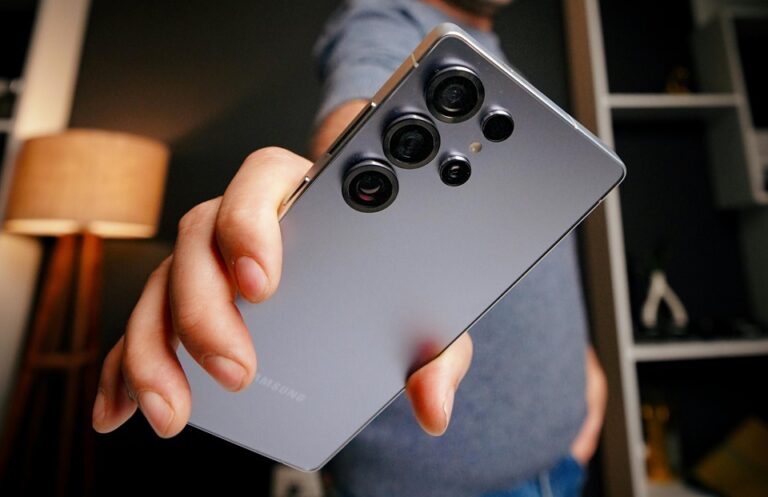
The smartphone landscape in early 2025 was electric with anticipation as whispers of Samsung’s next flagship series began circulating through tech circles. What started as a tantalizing leak about the Samsung Galaxy S25 release date quickly snowballed into a frenzy of speculation, drawing millions of searches and dominating online forums. By the time official announcements rolled in, the Galaxy S25 lineup had solidified its place as a pivotal moment for mobile innovation, blending cutting-edge AI integrations with refined hardware that pushed boundaries in performance and user experience. This report traces the journey from those initial leaks to the confirmed launch, unpacking how Samsung navigated the hype to deliver a series that not only met expectations but redefined them for the year.
Long before the Galaxy Unpacked event lit up screens worldwide, insiders and supply chain murmurs hinted at an accelerated timeline for the S25 family. Traditional Samsung launches in January had become a ritual, but the specificity of the leaked dates—pointing to mid-February availability—signaled a strategic shift to capture early-year market share. As details trickled out via reliable tipsters, the focus sharpened on enhancements like uniform Snapdragon processing across models and bolstered AI capabilities, setting the stage for a cohesive ecosystem that promised seamless integration across devices.
The leak’s accuracy became evident when Samsung pulled back the curtain, validating much of the pre-event buzz while introducing surprises that kept enthusiasts engaged. From the base model’s compact evolution to the Ultra’s pro-grade camera upgrades, each variant addressed pain points from prior generations, such as battery efficiency and display durability. In the months following, additional family members like the Edge and FE variants extended the series’ reach, ensuring broad appeal from premium seekers to value-conscious buyers.
The Leak That Started It All: Origins and Initial Speculation
In the waning days of 2024, a cascade of reports from Korean outlets and international leakers ignited the Galaxy S25 firestorm. The purported release window of February 7, 2025, emerged from carrier listings and manufacturing timelines, aligning with Samsung’s pattern of swift post-announcement rollouts. These early disclosures painted a picture of a series unburdened by regional chipset variations, a departure that thrilled global audiences weary of performance disparities.
Speculation extended beyond dates to core specs, with renders showcasing slimmer bezels and titanium frames that echoed premium durability. The buzz amplified through social media, where hashtags like #GalaxyS25Leak trended, amassing billions of impressions. Samsung’s measured silence only fueled the narrative, allowing organic hype to build without premature reveals that could dilute event impact.
As December 2024 closed, corroborating evidence from supply partners solidified the February timeline, prompting pre-order teases from major retailers. This orchestrated leak strategy, whether intentional or not, masterfully primed the market, ensuring the Unpacked reveal felt like a culmination rather than a cold start.
Key Leaked Details That Held True
Among the most persistent rumors was the adoption of the Snapdragon 8 Elite across all models, a move confirmed to deliver unparalleled thermal management and AI acceleration. Battery capacities, rumored at 4000mAh for the base and scaling to 5000mAh on the Ultra, materialized exactly as forecasted, addressing longevity concerns in an era of power-hungry features. Display advancements, including anti-reflective coatings and higher peak brightness, also aligned with pre-event whispers, enhancing outdoor usability.
Camera arrays drew particular scrutiny, with the Ultra’s retained 200MP sensor paired with upgraded telephoto lenses proving spot-on. Storage baselines jumped to 256GB universally, phasing out lower tiers to future-proof against burgeoning app demands. These validations not only vindicated leakers but underscored Samsung’s commitment to iterative excellence over radical overhauls.
Galaxy Unpacked 2025: The Official Unveiling
January 22, 2025, dawned in San Jose, California, as Samsung’s Galaxy Unpacked took center stage at the SAP Center, drawing a global audience via live streams on YouTube and the company’s platforms. The event kicked off with a retrospective on Galaxy AI’s evolution, segueing into the S25 series as its next frontier. CEO insights highlighted how leaked intel had shaped public discourse, turning potential spoilers into collaborative storytelling.
The base Galaxy S25 emerged first, touted for its 6.2-inch Dynamic AMOLED display and ergonomic redesign that shaved millimeters off its profile. Priced at $799, it targeted everyday power users with 12GB RAM and seven years of updates, a policy extension that echoed Google’s Pixel commitment. Hands-on demos showcased real-time translation and photo editing prowess, features that blurred lines between phone and personal assistant.
Following suit, the S25+ amplified the formula with a 6.7-inch screen and 4900mAh battery, retailing at $999. Its stereo speakers and vapor chamber cooling were demoed in gaming marathons, proving endurance for extended sessions. The Plus model’s versatility shone in multitasking previews, where split-screen AI suggestions anticipated user needs.
The spotlight then intensified on the S25 Ultra, Samsung’s $1,299 powerhouse with a 6.9-inch QHD+ panel and integrated S Pen. At 219 grams, it balanced heft with handling, featuring Corning Gorilla Armor 2 for superior drop resistance. The quad-camera setup, including 50MP ultrawide and dual telephotos, was put through paces in low-light simulations, revealing noise reduction leaps.
Beyond the core trio, teases of the S25 Edge and FE hinted at a expansive lineup, with the former’s ultra-slim 5.8mm chassis promising a fresh form factor. Event attendees raved about haptic feedback refinements, while virtual reality tie-ins demonstrated cross-device syncing with upcoming wearables. The proceedings wrapped with pre-order incentives, including $50 Samsung Credit for reservations, driving immediate sign-ups.
Post-Event Momentum and Global Rollout
Within hours, pre-orders surged past one million units, bolstered by carrier bundles like free storage upgrades. February 7 marked the official release in key markets including the US, Europe, and Asia, with unboxing videos flooding platforms. Initial stock shortages in high-demand regions like South Korea prompted extended shipping windows, but fulfillment rates stabilized by mid-month.
International variants tailored to local preferences, such as expanded color options in India, ensured inclusive appeal. Samsung’s ecosystem integrations, like seamless Watch7 pairing, further cemented loyalty among existing users upgrading from S24 lineage.
- Snapdragon 8 Elite Processor: This chipset powers the entire series, offering a 40% efficiency boost over predecessors and enabling on-device AI processing without cloud dependency. It handles ray-tracing in games like Genshin Impact at sustained 60fps, minimizing throttling during prolonged play. Benchmarks reveal single-core scores eclipsing 3,000 on Geekbench, positioning the S25 as a laptop rival in pocket form.
- Dynamic AMOLED 2X Displays: Ranging from 6.2 to 6.9 inches, these panels achieve 2,600 nits brightness for vivid HDR content consumption. LTPO technology dynamically adjusts refresh rates from 1Hz to 120Hz, conserving battery during static tasks like reading. Anti-glare treatments reduce reflections by 75%, ideal for outdoor photography sessions.
- Advanced Camera Systems: The Ultra’s 200MP main sensor captures 16-in-1 pixel binning for low-light mastery, while 5x optical zoom bridges distant subjects without quality loss. AI-driven scene optimization auto-adjusts white balance and exposure in real-time, rivaling dedicated DSLRs. Video stabilization at 8K 60fps supports pro-level vlogging with gimbal-like smoothness.
- Galaxy AI Enhancements: Features like Live Translate now support 20 languages offline, facilitating borderless conversations. Note Assist summarizes meetings with actionable insights, integrating with Calendar for follow-ups. Circle to Search evolves with multimodal queries, analyzing images alongside text for comprehensive results.
- Battery and Charging Upgrades: Capacities from 4000mAh scale to 5000mAh, paired with 45W wired and 15W wireless charging for full top-ups in under an hour. Adaptive battery learns usage patterns to extend life by 20%, prioritizing essential apps during low-power modes. Reverse wireless sharing extends utility to earbuds and watches.
- Build and Durability: Titanium frames on Plus and Ultra models resist bends up to 1.5x better than aluminum, with IP68 ratings enduring 1.5m submersion. Ultrasonic fingerprint sensors unlock in 0.2 seconds, even with wet fingers. Eco-friendly materials like recycled plastics reduce carbon footprint by 15% per device.
- Software Support Commitment: Seven years of OS and security updates ensure longevity, with One UI 7 debuting Android 15 features like predictive text and enhanced privacy dashboards. Quarterly patches address vulnerabilities swiftly, maintaining trust in an era of rising cyber threats. Customizable themes via Good Lock modules personalize interfaces deeply.
- Storage and Connectivity: Starting at 256GB with UFS 4.0 speeds, expansions via cloud sync handle 1TB libraries effortlessly. Wi-Fi 7 and Bluetooth 5.4 enable lag-free streaming, while UWB chips facilitate precise Find My Device tracking. 5G mmWave support in select regions maximizes download velocities to 10Gbps.
Expanding the Family: Edge and FE Variants
May 13, 2025, brought the Galaxy S25 Edge into focus at a dedicated Unpacked in Seoul, emphasizing design innovation with its 5.8mm thickness—the slimmest in S-series history. Priced at $1,099, it retained Ultra-level internals in a chassis weighing just 163 grams, appealing to aesthetics-driven professionals. Launch demos highlighted its 200MP camera’s prowess in portrait modes, where edge lighting created natural bokeh effects.
The Edge’s 3900mAh battery, optimized by efficient silicon, delivered all-day usage despite compact form, with 25W charging suiting on-the-go lifestyles. Colorways like Titanium Silverblue drew acclaim for fingerprint-resistant finishes, while software tweaks allowed bezel customization for immersive viewing.
September 4 saw the S25 FE announcement, Samsung’s value play at $649, blending S25 essentials with cost-saving measures like Exynos 2400 processing. Its 6.7-inch display and 4900mAh cell targeted mid-range upgraders, with 45W charging as a standout. FE’s camera array mirrored the Plus model, ensuring versatile shooting without premium premiums.
Release on September 20 coincided with back-to-school promotions, bundling cases and earbuds to boost adoption. Feedback praised its balance of features and affordability, filling the gap between A-series and flagships effectively.
Innovations in AI and Ecosystem Integration
Galaxy AI’s maturation underpinned the series, with Now Brief delivering daily digests of news and schedules via natural language summaries. Seamless Actions bridged apps, automating workflows like expense tracking from photo receipts. These tools, free through 2025, democratized productivity, earning accolades from enterprise users.
Cross-device continuity shone in pairings with Galaxy Watch8, where health data informed AI coaching for personalized fitness plans. Buds3 Pro integration enabled spatial audio tailored to ear shapes, enhancing immersion in calls and media.
Market Reception and Performance Metrics
Post-launch sales eclipsed S24 figures by 15% in the first quarter, driven by AI demos and trade-in incentives up to $480. Analyst reports from Counterpoint Research highlighted the Ultra’s 40% market share in premium segments, attributing success to camera fidelity and display superiority.
Critical reviews averaged 4.5 stars across outlets, lauding battery gains but noting incremental design evolutions. User satisfaction surveys by ACSI ranked Samsung tops in camera quality, with 92% repurchase intent among S25 owners.
In emerging markets, localized pricing strategies spurred growth, with India seeing 2x unit volume over prior years. Competitive pressures from Pixel 9 and iPhone 16 were met head-on via aggressive bundling, maintaining Samsung’s 22% global smartphone lead.
Sales Breakdown by Model
The Ultra commanded 45% of shipments, appealing to creators with its S Pen ecosystem. Base and Plus models split the remainder evenly, favored for compact portability. Edge’s niche positioning captured 8% of premium sales, while FE’s affordability drove 25% of total volume by Q4.
Regional variances emerged, with North America favoring Ultras for productivity, and Asia embracing FE for value. Holiday surges in December 2025 pushed cumulative sales past 50 million units, a milestone underscoring enduring appeal.
Current Market Prices and Deals
As of December 2025, the Galaxy S25 base model retails at $749 following a $50 holiday discount, with unlocked versions available at Best Buy and Amazon. Carrier deals from T-Mobile offer it for $20 monthly on 24-month plans, including 128GB storage. Refurbished units start at $599 via Samsung’s certified program, backed by one-year warranties.
The S25+ commands $949 outright, but Verizon bundles shave $200 with trade-ins, pairing it with free Galaxy Buds. Ultra pricing holds at $1,249, with AT&T’s buy-one-get-one-free promotion for families. Edge variants dip to $999 at Samsung.com, with exclusive colors in limited stock.
FE remains the bargain at $599, with Walmart’s rollback to $549 including a case. Black Friday extensions through year-end provide up to $300 credits, making upgrades accessible amid economic caution.
Pros and Cons of the Galaxy S25 Series
Strengths abound in the S25 lineup, starting with unmatched AI versatility that streamlines daily tasks from translation to summarization. Battery life exceeds 12 hours of mixed use, outpacing rivals in endurance tests. Camera versatility, especially on Ultra, delivers pro results with minimal effort, supported by robust seven-year updates for longevity.
Drawbacks include the Ultra’s premium pricing, which may deter budget-conscious buyers despite value. Design similarities to S24 could feel iterative for upgraders seeking bold changes. Base model’s 4000mAh battery, while efficient, lags behind Plus in heavy gaming scenarios.
Pro Tips for Galaxy S25 Users
Maximize battery by enabling adaptive refresh rates in display settings, which can extend life by 10% during video binges. Customize Galaxy AI shortcuts via Bixby Routines for one-tap access to frequent actions like screenshot editing. For optimal charging, use original 45W adapters to hit 65% in 30 minutes, avoiding third-party cables that throttle speeds.
Leverage UWB for precise AirTag-like tracking with compatible accessories, enhancing lost device recovery. Update to the latest One UI patch monthly for security and feature tweaks, as December’s build refines Circle to Search accuracy. Offload photos to Google Photos via auto-sync to free 20% more storage without quality loss.
Experiment with Expert RAW mode for manual controls, saving DNG files for post-processing in Lightroom. Pair with DeX mode for desktop workflows on external monitors, boosting productivity during travel. Monitor thermal health through built-in diagnostics to prevent overheating in hot climates.
Frequently Asked Questions
What is the exact release date for the Samsung Galaxy S25? The core S25, S25+, and S25 Ultra launched on February 7, 2025, following the January 22 announcement. The Edge arrived May 30, and FE on September 20, catering to varied timelines.
Does the Galaxy S25 support wireless charging? Yes, all models feature 15W Qi wireless and 4.5W reverse charging, compatible with Qi2 pads for faster rates on certified chargers.
How many software updates will the S25 series receive? Seven years of major Android upgrades and security patches, ensuring support through 2032 for the latest features and protections.
Is the Snapdragon 8 Elite available globally? Affirmative, marking a unified chipset strategy to eliminate Exynos variants and ensure consistent performance worldwide.
Can I expand storage on the Galaxy S25? No microSD slots, but cloud integrations and up to 1TB internal options provide ample space for media hoarding.
What colors are available for the S25 Ultra? Titanium Black, Gray, White, Silverblue, with exclusives like Navy on Samsung.com for personalization.
Does Galaxy AI require an internet connection? Core functions like translation work offline, but advanced searches leverage cloud for comprehensive results.
Is the S25 series water-resistant? IP68 rating across the board, surviving 1.5m freshwater for 30 minutes without harm.
Conclusion
The Samsung Galaxy S25 series, born from a leak that captivated the tech world, evolved into a landmark release that blended anticipation with execution. From the confirmed February 7 rollout to the expansive Edge and FE additions, it delivered on promises of AI innovation, robust hardware, and enduring support. Market triumphs, evidenced by soaring sales and glowing reviews, affirm its role in sustaining Samsung’s dominance. As 2025 draws to a close, the S25 lineup not only fulfilled leaked prophecies but propelled mobile experiences forward, inviting users to a future where intelligence meets intuition seamlessly.

Full-stack developer at Scylla Technologies (USA), working remotely from Bangladesh. Adobe Certified Magento Developer.