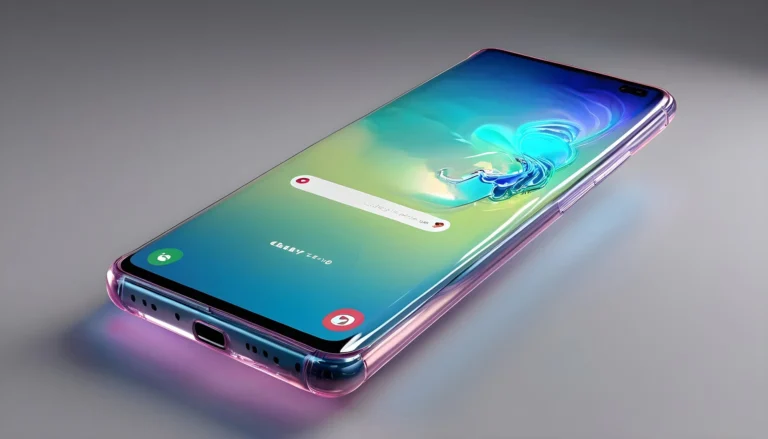
The Samsung Galaxy S10 remains one of the most influential Android smartphones ever released, blending premium hardware with forward-thinking design choices that helped shape modern flagship devices. Even years after launch, interest in the Galaxy S10 continues because it strikes a rare balance between performance, usability, and price accessibility on the secondary market. Buyers researching older flagship phones often discover that this device still competes surprisingly well with newer mid-range models.
Samsung positioned the Galaxy S10 as a celebration of its Galaxy lineup, introducing refined AMOLED display technology, improved camera versatility, and a compact premium form factor that many users still prefer over today’s oversized smartphones. Its combination of high-end materials, powerful internals, and thoughtful features like expandable storage and a headphone jack makes it stand apart from many current designs.
Understanding whether the Galaxy S10 is still worth buying requires a closer look at specifications, real-world performance, strengths, weaknesses, and how it compares against other well-known smartphones that continue to attract buyers worldwide.
Samsung Galaxy S10 Specifications and Hardware Overview
The Galaxy S10 introduced several technical upgrades that pushed smartphone engineering forward at the time. Samsung refined nearly every component compared with previous models, focusing on performance efficiency and display innovation rather than radical experimentation.
At the center of the device sits either the Snapdragon 855 or Exynos 9820 processor depending on region, both built using advanced fabrication processes designed to improve power efficiency while maintaining flagship-level performance. Everyday tasks feel responsive, multitasking remains smooth, and most applications still run comfortably without lag.
The 6.1-inch Dynamic AMOLED display quickly became one of the most praised smartphone screens ever produced. With HDR10+ support and exceptional brightness levels, the panel delivers vibrant colors without oversaturation, making it suitable for media consumption, photography editing, and long reading sessions.
The phone’s triple-camera system expanded creative flexibility, combining standard, ultra-wide, and telephoto lenses. This setup allowed users to capture landscapes, portraits, and everyday scenes without switching devices or sacrificing quality.
Design, Build Quality, and Everyday Usability
Samsung refined its industrial design philosophy with the Galaxy S10, creating a device that feels modern even today. The curved glass construction blends seamlessly into the aluminum frame, giving the phone a premium tactile experience without excessive weight.
Unlike many modern phones, the Galaxy S10 maintains a comfortable size. Users transitioning from compact devices often find it easier to handle one-handed compared to newer large-screen models. The placement of buttons and fingerprint sensor feels intuitive, minimizing accidental touches.
The ultrasonic in-display fingerprint scanner was a major technological step forward. While early implementations received mixed reactions, software updates improved speed and reliability significantly. Combined with facial recognition, the phone offers flexible biometric security options.
Another practical advantage is durability. With Gorilla Glass protection and IP68 water resistance, the Galaxy S10 remains capable of handling everyday environmental exposure, making it a dependable daily driver even years later.
Performance and Software Experience Over Time
Performance longevity often determines whether an older flagship remains relevant. The Galaxy S10 performs well because its hardware was significantly ahead of average smartphones at release. Even today, common activities such as streaming, browsing, navigation, and social media usage feel fluid.
Gaming performance continues to hold up for most popular titles at medium to high settings. Thermal management prevents aggressive throttling, which helps sustain performance during longer gaming sessions. Power efficiency improvements also contribute to stable battery endurance during multitasking.
Samsung’s One UI interface plays a crucial role in the device’s usability. Designed for ergonomic interaction, One UI prioritizes readability and one-handed navigation. Software optimization allows the phone to age gracefully despite evolving app demands.
Security updates and ecosystem compatibility also extend its usefulness. Integration with Samsung wearables, wireless earbuds, and smart home devices ensures the Galaxy S10 still fits into modern digital lifestyles.
Camera Capabilities and Real-World Photography Results
The Galaxy S10’s camera system remains surprisingly versatile. Its triple-lens configuration introduced flexibility that later became standard across flagship smartphones. The primary sensor captures detailed images with balanced dynamic range, while Samsung’s image processing favors natural brightness without excessive sharpening.
The ultra-wide lens dramatically expands creative options, making group photos and landscape shots easier without stepping backward. Meanwhile, the telephoto lens enables optical zoom for portraits and distant subjects.
Low-light performance benefits from multi-frame processing that reduces noise while maintaining detail. Although newer phones outperform it in extreme night photography, the Galaxy S10 still produces reliable images suitable for everyday use and social media publishing.
Video recording capabilities include 4K stabilization, delivering smooth footage without requiring additional equipment. For casual creators, this remains more than sufficient for vlogging and travel content.
Battery Life, Charging, and Connectivity
The Galaxy S10 includes a 3,400mAh battery that prioritizes efficiency over raw capacity. Thanks to optimized processors and adaptive power management, users typically achieve a full day of moderate usage. Screen-on time varies depending on brightness levels and network conditions but remains competitive with many newer mid-range devices.
Wireless charging and reverse wireless charging were standout additions. The ability to charge accessories such as earbuds or smartwatches directly from the phone added practical convenience rarely found at the time.
Connectivity features remain comprehensive. Wi-Fi performance is stable, Bluetooth pairing is reliable, and GPS accuracy supports navigation and fitness tracking effectively. The presence of a headphone jack continues to appeal to users who prefer wired audio solutions.
Top Smartphones Comparable to the Samsung Galaxy S10
Samsung Galaxy S10
The Galaxy S10 itself remains a compelling option for users seeking flagship features at a reduced price. Its balanced performance, premium display, and versatile camera setup make it ideal for everyday users who value reliability over cutting-edge experimentation. Typical refurbished pricing averages around $220–$280 USD depending on condition (retrieval reference: Samsung official listings and major retailers, latest market check). Its main strengths include display quality and feature completeness, while limitations involve aging battery technology compared with newer phones. Where to buy: Samsung official store and certified refurbish retailers.
- 6.1-inch Dynamic AMOLED HDR10+ display
- Triple rear camera system
- Wireless and reverse wireless charging
- IP68 water resistance
- Expandable storage support
Samsung Galaxy S10+
The larger sibling offers extended battery life and a bigger display suited for media consumption and productivity. Power users benefit from improved endurance and additional RAM configurations. Pricing typically ranges between $260–$320 USD depending on storage options (retrieved from Samsung marketplace listings). The added size improves immersion but reduces one-hand comfort. Where to buy: Samsung website and electronics retailers.
- 6.4-inch AMOLED display
- Larger battery capacity
- Dual front cameras
- Premium glass design
- Expandable storage
Apple iPhone 11
The iPhone 11 targets users who prefer Apple’s ecosystem and long-term software support. Performance remains excellent due to Apple’s optimized chip architecture, and camera consistency appeals to casual photographers. Average pricing sits near $300–$350 USD refurbished (retrieved from Apple refurbished store listings). It excels in longevity but lacks the display sharpness of the Galaxy S10. Where to buy: Apple Store and authorized resellers.
- A13 Bionic processor
- Dual-camera system
- iOS ecosystem integration
- Strong video performance
- Face ID security
Google Pixel 4
Google’s Pixel 4 emphasizes computational photography and clean Android software. Its camera processing produces impressive portrait shots and accurate colors. Pricing averages $230–$280 USD in refurbished markets (retrieved from Google Store resale listings). Battery life is weaker than competitors, but software simplicity attracts Android purists. Where to buy: Google Store and online marketplaces.
- Pure Android experience
- Advanced HDR photography
- OLED display
- Face unlock technology
- Compact design
OnePlus 7 Pro
The OnePlus 7 Pro introduced high-refresh displays before they became mainstream. Performance remains fast thanks to aggressive optimization and smooth interface animations. Current pricing averages $240–$300 USD (retrieved from OnePlus resale channels). The phone feels modern but lacks wireless charging. Where to buy: OnePlus store and electronics retailers.
- 90Hz AMOLED display
- Snapdragon 855 processor
- Fast Warp Charging
- Pop-up selfie camera
- Minimal software skin
Samsung Galaxy Note 10
The Galaxy Note 10 appeals to productivity-focused users through its S Pen integration. It offers refined performance and improved software productivity tools. Pricing typically ranges from $300–$360 USD (retrieved from Samsung reseller listings). Its biggest advantage is stylus functionality, though it sacrifices expandable storage in some variants. Where to buy: Samsung store and certified sellers.
- S Pen stylus support
- Premium AMOLED display
- Compact flagship design
- Fast charging capability
- Samsung DeX support
LG G8 ThinQ
The LG G8 ThinQ targets multimedia enthusiasts with high-quality audio output and advanced DAC support. Pricing averages $180–$240 USD refurbished (retrieved from LG marketplace listings). Audio performance stands out, although software updates arrived less frequently. Where to buy: Electronics retailers and online resellers.
- Quad DAC audio system
- OLED display
- Hand gesture controls
- Wireless charging
- Water resistance
Sony Xperia 5
Sony’s Xperia 5 focuses on cinematic display ratios and professional camera controls. Its narrow design improves grip comfort. Typical pricing sits around $260–$320 USD (retrieved from Sony store listings). Photography enthusiasts appreciate manual settings, though casual users may find them complex. Where to buy: Sony official store.
- 21:9 CinemaWide display
- Triple-lens camera system
- Professional video controls
- Compact ergonomic design
- High-quality audio support
Huawei P30 Pro
The Huawei P30 Pro gained recognition for exceptional zoom photography and strong battery life. Average pricing ranges between $280–$340 USD (retrieved from Huawei reseller pricing). Camera performance remains impressive, though software ecosystem limitations affect some regions. Where to buy: Authorized Huawei retailers.
- Periscope zoom camera
- Large battery capacity
- OLED display
- Fast charging
- Premium build quality
Xiaomi Mi 9
The Xiaomi Mi 9 delivers flagship-level performance at a budget-friendly price point. Current resale pricing averages $170–$220 USD (retrieved from Xiaomi global store listings). It offers strong value but lacks water resistance and wireless charging compared to Samsung’s flagship. Where to buy: Xiaomi online store and retailers.
- Snapdragon 855 processor
- Triple-camera setup
- Fast charging support
- Lightweight design
- Affordable flagship pricing
Pricing Comparison Across Comparable Smartphones
Across the premium smartphone resale market, pricing varies primarily based on brand ecosystem strength and long-term software support. Apple devices tend to retain higher resale value because of extended updates, while Samsung and Android competitors provide stronger hardware value for the price.
The Galaxy S10 sits in a strategic middle position. It typically costs less than newer iPhones yet offers premium materials and features absent in many budget devices. Phones like the Xiaomi Mi 9 represent the lowest entry cost, while devices such as the Galaxy Note 10 command slightly higher prices due to productivity features.
Value ultimately depends on priorities. Buyers focused on display quality and balanced performance often find the Galaxy S10 delivers one of the strongest price-to-feature ratios available in refurbished flagship categories.
How to Choose the Right Smartphone in This Category
Selecting a device similar to the Galaxy S10 requires evaluating long-term usability rather than marketing specifications alone. Processing power matters, but optimization and software support often determine real performance longevity. Devices with flagship chipsets typically age better than newer mid-range alternatives.
Display quality plays a significant role in daily satisfaction. AMOLED panels with high brightness and color accuracy reduce eye strain and improve media enjoyment. Buyers who watch videos frequently benefit from investing in stronger display technology.
Battery condition also deserves attention, particularly when purchasing refurbished devices. Checking battery health or replacement availability ensures consistent daily performance. Wireless charging capability adds convenience that becomes increasingly noticeable over time.
Camera versatility should match usage habits. Users who value travel photography or social media flexibility benefit from multi-lens setups rather than single-camera systems. Software processing quality can matter as much as sensor size.
Finally, ecosystem compatibility influences long-term satisfaction. Integration with smartwatches, earbuds, and cloud services can dramatically improve everyday convenience.
Current Market Prices and Deals
Market pricing for the Galaxy S10 fluctuates depending on storage capacity, condition, and seller certification. Certified refurbished units from major retailers typically include limited warranties, which increases buyer confidence even if prices are slightly higher than peer-to-peer listings.
Seasonal promotions frequently appear during major retail events, where refurbished flagship phones see temporary price reductions. Bundled offers including accessories or extended warranties often provide stronger value than simple discounts.
European markets tend to price refurbished Samsung devices slightly higher than U.S. listings due to VAT inclusion, while American buyers often benefit from aggressive online competition among refurbishers.
Pro Tips for Buying or Using the Samsung Galaxy S10
Choosing higher storage variants can significantly extend device lifespan because modern applications and media files continue to grow in size. The expandable microSD slot offers flexibility, but faster internal storage improves performance consistency.
Updating the device immediately after purchase ensures the latest security patches and stability improvements are installed. Many performance complaints disappear after system optimization completes.
Using adaptive battery settings helps extend daily endurance by limiting background activity from rarely used apps. This feature becomes especially important as batteries age.
Investing in a quality fast charger maintains charging efficiency and reduces long-term battery strain. Official or certified chargers provide safer power regulation compared with generic accessories.
Cleaning unused apps and clearing cached data periodically improves responsiveness. Even powerful devices benefit from occasional maintenance to sustain peak performance.
Pairing the phone with modern wireless earbuds or smartwatches enhances the overall experience, allowing the Galaxy S10 to function like a contemporary ecosystem device despite its age.
Frequently Asked Questions
Is the Samsung Galaxy S10 still worth buying today?
Yes, for users seeking a premium smartphone at a lower cost, the Galaxy S10 remains competitive due to its strong display, capable cameras, and balanced performance. It performs better than many newer entry-level devices.
Does the Galaxy S10 support modern apps and updates?
Most major applications continue to run smoothly. While software updates eventually slow, compatibility with Android apps remains strong for everyday usage.
How good is the Galaxy S10 camera compared to newer phones?
The camera system still produces high-quality photos in good lighting and performs reliably across different scenarios. Newer phones improve night photography, but everyday results remain impressive.
Is battery life sufficient for daily use?
Battery life typically lasts a full day with moderate usage. Refurbished buyers should confirm battery health or consider replacement for optimal performance.
Does the Galaxy S10 support 5G connectivity?
The standard Galaxy S10 does not include 5G support. However, LTE performance remains fast and reliable for streaming and browsing.
What makes the Galaxy S10 different from newer smartphones?
Its compact size, headphone jack, expandable storage, and balanced feature set distinguish it from many modern devices that prioritize minimalism over versatility.
Is the display still competitive?
The Dynamic AMOLED panel remains one of the strongest aspects of the device, offering excellent brightness, contrast, and color accuracy even compared with newer models.
Conclusion
The Samsung Galaxy S10 stands as a reminder that thoughtful engineering can outlast marketing cycles. Its combination of premium materials, practical features, and reliable performance allows it to remain relevant long after newer devices have entered the market. For buyers seeking flagship quality without flagship pricing, it continues to represent exceptional value.
While newer smartphones introduce faster processors and improved computational photography, the Galaxy S10 delivers a balanced experience that satisfies everyday needs with consistency and comfort. Users who prioritize display excellence, ergonomic design, and feature completeness often find it more enjoyable than many modern alternatives. For the right buyer, it remains one of the smartest purchases in the refurbished smartphone landscape.

Full-stack developer at Scylla Technologies (USA), working remotely from Bangladesh. Adobe Certified Magento Developer.