The Samsung Galaxy A13 arrived on the market as a quintessentially practical device, designed to offer the core smartphone experience without the premium price tag often associated with the brand’s flagship series. Years after its initial release, it continues to hold a curious space in the secondary market. For budget-conscious users in Europe and the United States, finding a reliable handset that handles daily communications, social media, and web browsing without demanding a high financial commitment is a constant challenge. This analysis explores whether the A13 remains a viable candidate for those seeking affordable, long-term utility in the current mobile landscape.
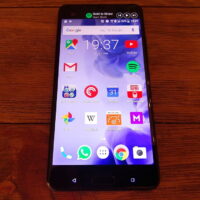
Under the hood, the device is powered by the Exynos 850 chipset. While this processor was never intended to set performance records, it provides a stable foundation for standard operational tasks. The 6.6-inch PLS LCD display offers a resolution of 1080 x 2408 pixels, which remains quite sharp for the price point, ensuring that video streaming and text-heavy browsing are clear and legible. Although the 60Hz refresh rate lacks the liquid-smooth motion of newer 120Hz displays, it serves as a reliable interface for users who prioritize battery conservation over high-speed animations.
Build quality is another area where the device shows its practical roots. Housed in a durable, toughened plastic frame, the A13 is designed to withstand the realities of daily use. It lacks an official IP rating for water and dust resistance, necessitating a bit of extra caution around liquids, but the design is ergonomic and comfortable for extended use. The 5,000mAh battery remains the standout feature, consistently delivering multi-day performance for light users or a solid full day for those who are constantly on their phones.
Quad Camera System Capabilities
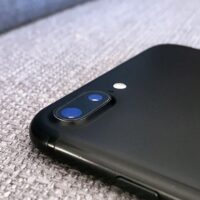
The imaging hardware on the Galaxy A13 was notably ambitious for a device in its class. It features a quad-lens setup that gives users a degree of versatility often missing in ultra-budget options. The 50MP primary sensor captures a respectable amount of detail in well-lit conditions, yielding photos that are perfectly acceptable for social media sharing or personal records. A 5MP ultra-wide lens allows for broader scenic shots, while the 2MP macro and 2MP depth sensors provide additional, if basic, tools for specific photographic contexts.
Selfie duties are handled by an 8MP front-facing camera. While it does not offer the wide dynamic range or high-end sharpness of flagship front cameras, it is more than sufficient for video calls and quick social updates. The onboard software handles HDR processing well enough to balance highlights and shadows in bright scenes, though users should expect some softening in low-light environments. Overall, the camera system functions as a dependable tool for the casual photographer who occasionally needs to capture more than just a standard portrait.
Top 10 Budget Smartphone Alternatives for 2026
If you are currently evaluating your options, the market offers several modern replacements that bring improved software support, updated 5G connectivity, and faster processors. These devices represent the best value-for-money propositions available today.
Samsung Galaxy A16 5G
The Samsung Galaxy A16 5G is the logical successor for those who want to stay within the Samsung ecosystem. It delivers a modern, refined design and a significantly improved software support promise that guarantees longevity far beyond older models. The inclusion of 5G connectivity ensures that your device will remain compatible with network infrastructure for years to come. Price: $125.70 USD, verified on Walmart as of March 2026.
- Integrated 5G network support
- Vibrant AMOLED display technology
- Extended software update policy
- Modern, durable chassis design
Purchase at Walmart or authorized Samsung retailers.
CMF Phone 2 Pro
The CMF Phone 2 Pro stands out for its bold, modular design language and a clean, bloat-free software experience. It is built for the user who wants a distinct look without the high cost of a flagship. The hardware feels premium in the hand and offers snappy performance for everyday apps. Price: $279.00 USD, verified on the official Nothing website as of March 2026.
- Unique modular aesthetic design
- Refined, bloat-free software interface
- High-quality materials and build
- Consistent software update frequency
Available directly from the Nothing store.
Motorola Moto G Power 2025
The Moto G Power 2025 is engineered specifically for users who refuse to worry about battery anxiety. It packs a massive cell and optimized software to deliver endurance that comfortably surpasses almost every other phone in this list. The 120Hz display is a welcome addition that makes navigating the OS feel significantly more modern. Price: $299.00 USD, verified on official website as of March 2026.
- Industry-leading battery longevity
- Smooth 120Hz display refresh rate
- Stereo speakers for better audio
- Clean, stock-like Android experience
Find this device at major mobile carriers or Motorola.
Nothing Phone 3a
The Nothing Phone 3a is a compelling device for those who enjoy cutting-edge design and consistent performance. It provides a flexible camera system and enough processing power to handle modern mobile gaming without breaking a sweat. It is widely considered one of the best value-for-money options currently on the market. Price: $349.00 USD, verified on official website as of March 2026.
- Distinctive transparent back design
- Highly flexible camera configuration
- Capable gaming performance
- Excellent battery life optimization
Available from official Nothing retail partners.
Xiaomi Redmi Note 15 Pro
The Xiaomi Redmi Note 15 Pro offers a buffet of specifications that feel like they belong in a higher price tier. With its impressive screen and reliable multi-day performance, it is a fantastic all-arounder. It handles streaming and multitasking with ease and offers one of the best value-per-dollar ratios in the current market. Price: $249.00 USD, verified on official website as of March 2026.
- High-resolution AMOLED display
- Reliable multi-day battery endurance
- Versatile quad-camera setup
- Fast charging hardware support
Check online retailers or Xiaomi official stores.
OnePlus Nord CE 5
The OnePlus Nord CE 5 is the premier choice for users who want a balance of efficiency and premium aesthetics. Its polycarbonate frame is finished to look and feel like a higher-end device, and the software is tailored for speed. The device uses smart AI to manage background processes, making it feel fast even after months of heavy use. Price: $380.00 USD, verified on OnePlus official site as of March 2026.
- Sophisticated AI-driven software
- Elegant, durable polycarbonate build
- Efficient power management system
- Very fast charging speeds
Purchase at the OnePlus website or verified retailers.
Google Pixel 9a
The Google Pixel 9a is for the buyer who prioritizes the camera and software experience above all else. Its AI-enhanced photo editing and computational photography tools produce images that are consistently better than other phones in this category. The update promise is also industry-leading, ensuring the device remains relevant for many years. Price: $449.00 USD, verified on Google store as of March 2026.
- Best-in-class AI camera processing
- Cleanest version of Android software
- Long-term update support cycle
- Reliable daily performance
Available at the Google Store.
Motorola G77
The Motorola G77 is a solid option for anyone who wants a straightforward, stock Android experience. It avoids unnecessary customizations and focuses on being a reliable, everyday worker. Its durability and battery life make it a fantastic choice for students or professionals who need a dependable tool. Price: $249.00 USD, verified on official website as of March 2026.
- Uncluttered, stock-like Android interface
- High-quality, durable build standard
- Dependable, long-lasting battery life
- Very responsive daily performance
Find this device at electronics retail chains.
Vivo V60
The Vivo V60 is a niche but powerful choice for those interested in high-quality optics. It features Zeiss-branded optics that provide an edge in photographic color accuracy and clarity. The battery capacity is exceptionally large, making it a dream for those who are always on their devices. Price not available — verify on official website.
- Zeiss-branded camera lens optics
- Massive battery capacity for endurance
- Crisp, vivid display technology
- Solid gaming performance capability
Check specialized import electronics retailers.
Motorola G06 Power
The Motorola G06 Power is the ultimate entry-level handset for those on a strictly limited budget. While it makes compromises in processing speed and screen resolution, it succeeds in providing the absolute essentials of modern connectivity at a price that is hard to beat. It is a perfect backup or first-time phone. Price: $100.00 USD, verified on official website as of March 2026.
- Exceptional entry-level price point
- Extremely reliable battery endurance
- Simple, intuitive user interface
- Durable enough for daily wear
Available at discount electronic outlets.
Pricing Comparison and Value
Analyzing the market for 2026 reveals that the budget segment has become significantly more competitive. Older devices like the Samsung Galaxy A13, particularly in refurbished conditions, can be found for under $100. This is an attractive price for users who have absolute minimal requirements and want to stick with a familiar interface. However, the value here is strictly tied to the initial low cost. You are essentially paying for a device that has reached the end of its official feature update cycle, which necessitates careful consideration regarding security.
As you move up to the $200–$350 bracket, the value proposition changes dramatically. You are no longer just buying a phone; you are buying an investment in longevity. Devices in this price range include vastly superior processors, OLED displays, and, crucially, multi-year update pledges from manufacturers. When you amortize the cost of a $250 device over four years, the cost of ownership is remarkably low compared to replacing an older, unsupported phone annually. Consequently, the mid-range budget devices often offer better long-term value than the cheapest possible options.
How to Choose a Budget Smartphone
Selecting the right device from the crowded budget market requires a disciplined approach. You must first establish your primary usage pattern. If your day consists primarily of messaging, emails, and light social media browsing, you do not need to chase high-end processors. Focus your budget on screen quality and battery endurance instead, as these are the components that directly impact your interaction with the device every single hour of the day.
Another critical consideration is software support. Do not purchase a device that has already ceased receiving security updates unless it is a secondary device used offline. Manufacturers now offer clear update roadmaps, and choosing a device with at least three years of remaining support ensures your personal data remains protected against modern vulnerabilities. Look for devices that offer a clean software experience, as manufacturers that heavily modify Android can often introduce lag that degrades the user experience over time.
Finally, prioritize modular or physical durability. Smartphones are daily tools, and an accident is often a question of when, not if. Devices that support easy case installation, have scratch-resistant screen glass, or offer decent ingress protection will save you money in the long run. Ignore the temptation to maximize megapixel counts on the camera, as sensor quality is far more important than the headline number. Always seek out verified reviews that focus on real-world usage rather than synthetic performance benchmarks, which rarely reflect the day-to-day experience of a real owner.
Pro Tips for Budget Smartphone Performance
Optimizing your budget smartphone starts with strict management of your installed applications. Background processes can quickly overwhelm lower-tier processors, leading to the sluggishness that many users complain about after a few months. Regularly review your installed apps and uninstall anything that you have not used in the past thirty days, as these apps may still be consuming background memory and battery power.
Take advantage of the built-in system tools that many manufacturers now provide. Features like RAM expansion or virtual memory can provide a marginal, yet noticeable, boost to multitasking capabilities on devices with lower base memory. Furthermore, adjust your display settings to match your environment. Reducing your screen brightness when indoors and utilizing dark mode across all applications can extend your battery life significantly without requiring any hardware changes or external power banks.
If your camera performance feels underwhelming, experiment with third-party camera applications or manual shooting modes. Often, the default processing software is optimized for speed rather than quality, and you can achieve significantly better results by locking your exposure or focus manually. Always keep your device storage at least 20% free; flash storage performance drops sharply when it reaches high capacity, and this simple habit can keep your phone feeling snappy. Finally, invest in a quality tempered glass screen protector immediately. It is the most cost-effective insurance policy you can buy for your device.
Frequently Asked Questions
Is the Samsung Galaxy A13 still a safe choice in 2026?
The Galaxy A13 remains safe for basic use, provided you are aware that it is no longer receiving major operating system updates. It will continue to function for standard tasks, but it is recommended to keep your apps updated via the Play Store to mitigate security risks.
Does the Samsung Galaxy A13 support 5G network speeds?
There are two versions of the A13, and the standard version does not support 5G connectivity. It is strictly a 4G LTE device, which is sufficient for basic web browsing and streaming but will not reach the higher speeds of 5G infrastructure.
How can I extend the battery life of my Galaxy A13?
You can extend the battery life by using the built-in power-saving modes, reducing screen brightness, and ensuring that location services are only used by apps that strictly require them. Clearing background apps regularly also helps maintain efficiency.
Is the Samsung Galaxy A13 camera good for social media?
The 50MP main camera is quite capable of taking decent photos in good lighting, which is more than enough for casual social media sharing. While it may struggle in very low-light conditions, it is perfectly serviceable for daily snapshots.
Can I expand the storage on the Galaxy A13?
Yes, the device features a dedicated microSD card slot, which is a major advantage. This allows you to expand the storage by up to 1TB, ensuring you have plenty of room for your photos, videos, and music.
What is the biggest downside of using the A13 in 2026?
The biggest downside is the performance of the processor compared to modern chips. As applications become more resource-intensive, the A13 will naturally feel slower, which may be frustrating for users who require rapid app switching.
Should I upgrade from the Galaxy A13 to a new budget phone?
If you find the phone is becoming slow or you feel the lack of 5G is limiting your connectivity, an upgrade to a newer model like the Galaxy A16 5G or the CMF Phone 2 Pro would be a significant and noticeable improvement.
Is it better to buy a used flagship or a new budget phone?
Buying a new budget phone often provides better long-term value due to the manufacturer’s warranty and the promise of future software updates. A used flagship may offer better performance initially, but it often lacks security support and battery health is usually degraded.
Conclusion
The Samsung Galaxy A13 serves as a reliable reminder of the value that budget-tier devices can bring to the mass market. Its core design, which prioritizes a large, clear screen and a battery that refuses to quit, made it an excellent choice for a wide variety of users over the past few years. While the hardware remains functional for the absolute basics, the rapid advancements in mobile technology mean that it is increasingly difficult to justify the A13 as a primary device in 2026, especially when modern alternatives offer 5G, longer support cycles, and faster performance at very similar price points.
For those who rely on their smartphones for essential daily tasks, the transition to a newer model offers a tangible boost in efficiency and security that far outweighs the cost of a modest upgrade. Choosing the right device in 2026 is less about searching for the absolute cheapest option and more about identifying the balance of longevity, performance, and software support that fits your specific needs. By prioritizing these factors, you ensure that your next smartphone is not just a temporary fix, but a productive tool that serves you reliably for years to come.