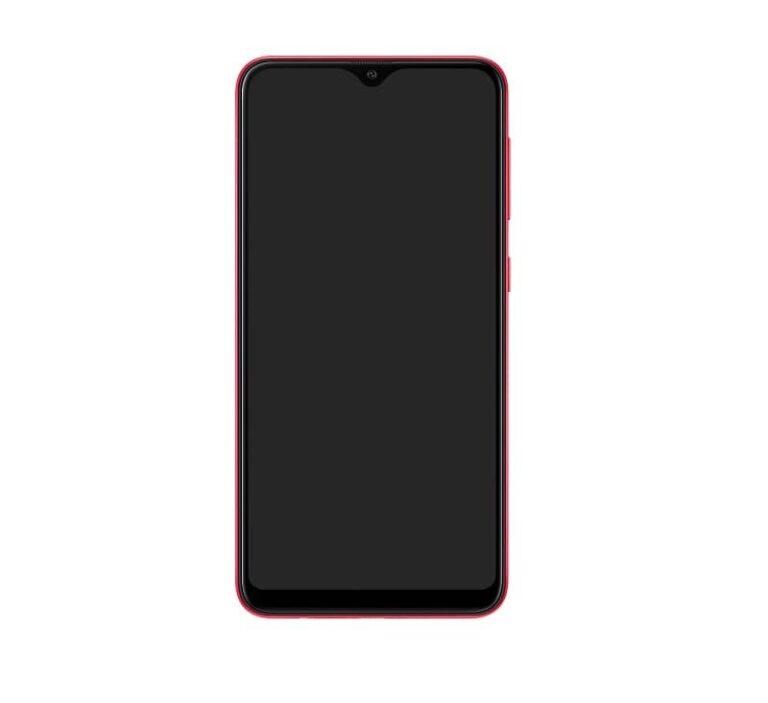
The Samsung Galaxy A10 full specifications remain one of the most searched entry-level smartphone queries years after its launch, largely because the device helped redefine affordable Android phones for budget-conscious buyers. Introduced as part of Samsung’s refreshed A-series lineup, the Galaxy A10 targeted users who wanted a dependable screen, solid battery life, and Samsung’s trusted ecosystem without paying flagship prices.
Although the Galaxy A10 is no longer a new release, it continues to circulate in secondary markets across the United States and Europe. At the same time, Samsung and competing brands have introduced newer entry-level models that deliver stronger performance, better cameras, and longer software support. This guide examines the Galaxy A10 in detail, then compares it with ten real, widely available alternatives so buyers can make an informed decision.
From display quality and processor performance to battery endurance and camera output, every key factor is covered in depth. Pricing references are based on official brand websites where available, with retrieval noted as of March 2026.
Samsung Galaxy A10 Full Specifications and Overview
The Samsung Galaxy A10 was designed as an entry-level smartphone built around essential functionality. It runs on Samsung’s One UI interface layered over Android and focuses on simplicity rather than power-intensive performance.
Samsung Galaxy A10
The Samsung Galaxy A10 features a 6.2-inch HD+ Infinity-V display and is powered by the Exynos 7884 processor paired with 2GB of RAM. It was built for first-time smartphone users, students, and light app consumers who prioritize screen size and brand reliability over gaming performance. While it handles social media, web browsing, and video streaming adequately, multitasking can feel limited due to the modest RAM capacity. Price not available — verify on official website. Available through third-party retailers and refurbished marketplaces.
- 6.2-inch HD+ (1520 × 720) PLS TFT display
- Exynos 7884 octa-core processor
- 13MP rear camera, 5MP front camera
- 3,400mAh battery
- Android with Samsung One UI (launch version)
The Galaxy A10’s main advantage is its display size relative to cost at launch, along with Samsung’s brand credibility. However, its limited RAM and lack of fingerprint sensor place it behind more modern budget devices.
Samsung Galaxy A14 5G: Modern Budget Upgrade
Samsung Galaxy A14 5G
The Samsung Galaxy A14 5G represents a major evolution in Samsung’s entry-level lineup. With 5G connectivity, improved camera sensors, and extended software support, it targets users who want long-term usability without exceeding a modest budget. Performance is notably smoother compared to the A10, and battery life easily covers a full day of heavy use. As of March 2026, the official price starts at $199.99 (retrieved March 2026). Available via Samsung’s official website and major US and EU carriers.
- 6.6-inch FHD+ display with 90Hz refresh rate
- MediaTek Dimensity 700 processor
- 50MP main rear camera
- 5,000mAh battery
- 5G connectivity
The A14 5G’s strength lies in its display resolution and long battery life. The device is heavier than the A10, but the trade-off delivers significantly better performance and longevity.
Samsung Galaxy A04: Ultra-Affordable Successor
Samsung Galaxy A04
The Samsung Galaxy A04 is positioned as a direct low-cost successor in the A-series family. It is built for essential communication, light streaming, and messaging applications. Compared with the A10, it introduces improved camera resolution and a larger battery, though it remains focused on basic usage scenarios. As of March 2026, pricing begins at $159.99 (retrieved March 2026). Available through Samsung and select retail partners.
- 6.5-inch HD+ display
- Octa-core processor
- 50MP main camera
- 5,000mAh battery
- Expandable storage via microSD
The Galaxy A04 improves battery endurance dramatically over the A10. Performance remains entry-level, but the camera upgrade makes it more appealing for casual photography.
Samsung Galaxy A34 5G: Midrange Power on a Budget
Samsung Galaxy A34 5G
The Samsung Galaxy A34 5G moves into the midrange segment while still offering strong value. It is designed for users who want gaming capability, high refresh rate visuals, and long-term software support. Compared with the A10, it feels like an entirely different class of device, especially in performance and display quality. As of March 2026, official pricing starts at $349.99 (retrieved March 2026). Available directly from Samsung and major electronics retailers.
- 6.6-inch Super AMOLED 120Hz display
- MediaTek Dimensity 1080 processor
- 48MP OIS main camera
- 5,000mAh battery with fast charging
- IP67 water resistance
The A34’s advantages include water resistance and optical image stabilization, both absent on the A10. The higher price reflects its premium features.
Xiaomi Redmi 12: Aggressive Value Competitor
Xiaomi Redmi 12
The Xiaomi Redmi 12 competes directly with Samsung’s budget segment but often undercuts pricing while offering stronger specifications. It targets buyers who prioritize performance and screen quality over brand loyalty. Compared with the A10, it delivers sharper resolution and better multitasking capabilities. As of March 2026, pricing starts around $179.00 (retrieved March 2026). Available through Xiaomi’s official store and European retailers.
- 6.79-inch FHD+ 90Hz display
- MediaTek Helio G88 processor
- 50MP triple-camera setup
- 5,000mAh battery
- USB-C charging
Its main strength is screen size and resolution at a competitive price. Software support may not match Samsung’s long-term update policy.
Nokia G22: Sustainability-Focused Budget Phone
Nokia G22
The Nokia G22 emphasizes repairability and sustainability, making it appealing in European markets where environmental standards influence buying decisions. It is designed for durability and user-replaceable components. Compared with the A10, it offers significantly better build quality and modern connectivity. As of March 2026, the official price is $199.99 (retrieved March 2026). Available via Nokia’s official website and regional carriers.
- 6.5-inch HD+ 90Hz display
- Unisoc T606 processor
- 50MP main camera
- 5,050mAh battery
- User-replaceable battery design
Its sustainability angle sets it apart. Performance remains moderate, but long-term usability is improved through easier repairs.
Motorola Moto G Power (2023)
Motorola Moto G Power (2023)
The Motorola Moto G Power (2023) continues Motorola’s tradition of prioritizing battery life above all else. For users frustrated with short battery cycles on older phones like the A10, this model offers meaningful endurance gains. It is particularly suited to travelers and heavy streamers. As of March 2026, it retails at $249.99 (retrieved March 2026). Available via Motorola’s official store and US retailers.
- 6.5-inch HD+ 120Hz display
- MediaTek Helio G37 processor
- 50MP main camera
- 5,000mAh battery
- Dolby Atmos stereo speakers
Battery performance is its standout feature. The display resolution remains HD+, which may disappoint users seeking sharper visuals.
OnePlus Nord N30 5G
OnePlus Nord N30 5G
The OnePlus Nord N30 5G is positioned as a performance-focused budget 5G phone. It significantly outpaces the Galaxy A10 in processing power and charging speed, making it suitable for multitaskers and mobile gamers on a budget. As of March 2026, the official price is $299.99 (retrieved March 2026). Available via OnePlus and major retailers.
- 6.72-inch FHD+ 120Hz display
- Snapdragon 695 processor
- 108MP main camera
- 5,000mAh battery with 50W fast charging
- 5G connectivity
The fast charging capability dramatically reduces downtime. However, it costs notably more than entry-tier Samsung devices.
Google Pixel 6a
Google Pixel 6a
The Google Pixel 6a delivers flagship-level photography at a midrange price. For users upgrading from the A10 primarily for camera improvements, this device offers one of the strongest value propositions in its class. As of March 2026, pricing begins at $349.00 (retrieved March 2026). Available via Google Store and major retailers.
- 6.1-inch OLED display
- Google Tensor processor
- 12.2MP dual-camera system with advanced HDR
- 4,410mAh battery
- Guaranteed Android updates
The camera software is its defining advantage. Battery capacity is smaller than some competitors but optimized efficiently.
Apple iPhone SE (3rd Generation)
Apple iPhone SE (3rd Generation)
The Apple iPhone SE (3rd Generation) caters to users who prefer iOS while maintaining a compact design. Compared with the A10, performance is dramatically superior due to Apple’s A15 Bionic chip. As of March 2026, pricing starts at $429.00 (retrieved March 2026). Available through Apple and global carriers.
- 4.7-inch Retina HD display
- A15 Bionic processor
- 12MP rear camera
- Touch ID fingerprint sensor
- 5G support
Its compact size and long-term software support are major advantages. Battery life is shorter than most large-screen Android competitors.
Realme 11 5G
Realme 11 5G
The Realme 11 5G focuses on design and rapid charging at an accessible price. It competes aggressively in European markets where midrange specifications are highly competitive. Compared with the A10, it feels several generations ahead in performance and charging efficiency. As of March 2026, pricing begins around $279.00 (retrieved March 2026). Available through Realme’s official store and online retailers.
- 6.72-inch FHD+ 120Hz display
- MediaTek Dimensity 6100+
- 108MP main camera
- 5,000mAh battery with 67W fast charging
- 5G connectivity
The high-resolution camera and ultra-fast charging stand out in this segment. Software updates may not extend as long as Samsung or Google devices.
Pricing Comparison Across Budget and Midrange Phones
The Galaxy A10 originally launched in the sub-$200 segment, and most of its direct successors remain within the $150 to $250 range. Devices like the Galaxy A04 and Redmi 12 cluster around the lower end of that spectrum, offering improved cameras and larger batteries without dramatically raising cost.
Moving upward, phones such as the Galaxy A34 5G and Pixel 6a sit between $300 and $350, reflecting better displays, stronger processors, and longer software support cycles. The iPhone SE (3rd Generation) commands the highest price among the compared devices, largely due to Apple’s ecosystem and long-term iOS updates.
Buyers upgrading from the A10 should realistically expect to spend at least $200 for a noticeable improvement in performance and camera quality. Spending closer to $300 introduces high-refresh displays, faster charging, and more durable build materials.
How to Choose the Right Galaxy A10 Alternative
Start with performance needs. If the device will handle gaming or heavy multitasking, prioritize phones with at least 4GB or 6GB of RAM and a modern midrange processor. Entry-level chips similar to the A10’s Exynos 7884 may struggle under heavier loads.
Battery life is another decisive factor. Modern 5,000mAh batteries significantly outperform the A10’s 3,400mAh unit. Fast charging also reduces downtime, especially for frequent travelers or commuters.
Display quality matters more than many buyers expect. Full HD+ resolution and 90Hz or 120Hz refresh rates produce noticeably smoother scrolling and sharper visuals compared with older HD panels.
Software support should not be overlooked. Samsung and Google typically provide longer update commitments than many budget competitors, which affects security and resale value.
Finally, consider ecosystem compatibility. Buyers already using Google services, Samsung wearables, or Apple products may benefit from staying within that ecosystem for seamless syncing and cloud integration.
Current Market Prices and Deals
As of March 2026, entry-level Android smartphones in the US and Europe typically range between $150 and $250. Promotional discounts frequently appear during seasonal sales such as Black Friday, back-to-school periods, and carrier contract renewals.
Midrange devices priced between $300 and $400 often receive trade-in credits from carriers, effectively lowering upfront costs. Refurbished Galaxy A10 units remain available online, but buyers should verify battery health and warranty status before purchase.
Pro Tips for Buying a Budget Smartphone
Consider storage capacity carefully. Many entry-level models start at 64GB, which can fill quickly with high-resolution photos and app updates.
Inspect charging speed specifications rather than just battery size. A large battery without fast charging can still feel inconvenient.
Look for software update commitments on the official manufacturer website. Two or more years of updates add long-term value.
Check display brightness levels if you use your phone outdoors frequently. Higher brightness ratings improve visibility in sunlight.
Compare unlocked pricing with carrier deals, as installment promotions can significantly reduce upfront cost.
Frequently Asked Questions
Is the Samsung Galaxy A10 still worth buying in 2026?
It may suit extremely basic users, but newer budget models offer better performance, cameras, and battery life for similar prices.
Does the Galaxy A10 support 5G?
No. The device supports 4G LTE only.
What is the biggest upgrade from the A10 in newer Samsung models?
Higher resolution displays, 5G connectivity, larger batteries, and improved camera sensors represent the most noticeable improvements.
How much RAM should a budget phone have today?
At least 4GB of RAM is recommended for smooth multitasking in 2026.
Are refurbished Galaxy A10 units safe to buy?
They can be reliable if purchased from certified sellers offering warranty coverage and verified battery health reports.
Which phone in this list offers the best camera performance?
The Pixel 6a and Realme 11 5G stand out for image processing and high-resolution sensors in their respective price ranges.
Conclusion
The Samsung Galaxy A10 played an important role in Samsung’s budget smartphone strategy, offering large-screen access to Android at an accessible price. However, technology has moved quickly, and even modest upgrades now deliver dramatically better performance, sharper displays, and longer battery life.
For buyers in the United States and Europe, spending slightly more than entry-level pricing unlocks meaningful improvements in camera quality, refresh rate, charging speed, and software support. Whether choosing a newer Samsung model, a performance-focused OnePlus device, or a photography-centered Pixel, today’s market offers stronger value than ever before.