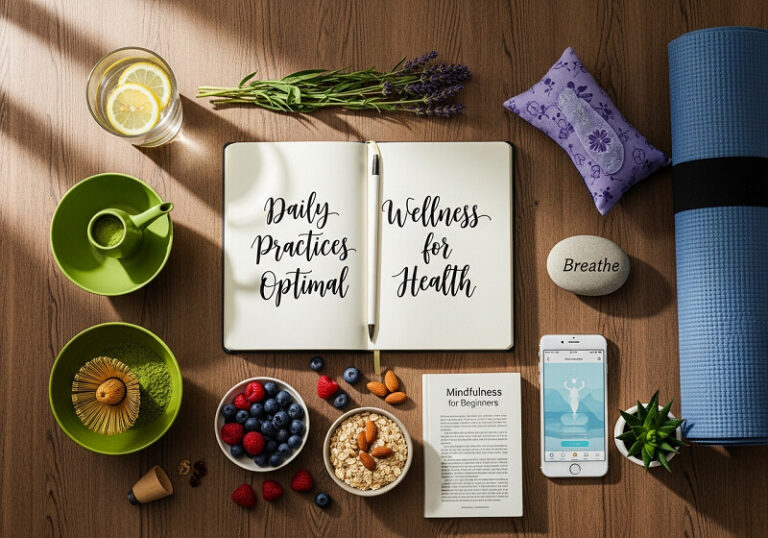
Introduction to Wellness Integration
Wellness encompasses a holistic approach that addresses physical, mental, and emotional aspects of life. In contemporary society, individuals increasingly seek structured methods to incorporate balanced habits into their routines. This guide provides detailed strategies grounded in established principles to foster sustained health improvements.
Adopting consistent practices requires understanding their foundational benefits. Research from authoritative health organizations indicates that regular engagement in wellness activities can enhance overall life quality. By focusing on evidence-based techniques, one can achieve measurable progress in personal health management.
The following sections outline essential practices, offering step-by-step implementation advice. Each element builds upon the others, creating a comprehensive framework for wellbeing. Professionals in health fields emphasize the importance of gradual adoption to ensure long-term adherence.
Commitment to these practices demands intentional planning. Setting realistic goals forms the basis for successful integration. As one progresses, adjustments based on personal responses become necessary to maintain effectiveness.
Establishing a Foundation for Physical Wellness
Physical wellness begins with fundamental habits that support bodily functions. Nutrition plays a central role in this domain. Selecting nutrient-dense foods provides the energy required for daily activities and supports immune system strength.
Step 1: Assess current dietary patterns through a detailed food journal maintained over one week. Identify areas lacking in essential nutrients such as vitamins and minerals. Consult nutritional guidelines from reputable sources to ensure balanced intake across food groups.
Step 2: Incorporate whole foods gradually, replacing processed items with fresh alternatives. For instance, opt for fruits and vegetables in meals to increase fiber consumption. This approach aids digestion and promotes stable energy levels throughout the day.
Step 3: Monitor portion sizes to align with individual caloric needs based on age, gender, and activity level. Utilize tools like measuring cups initially to develop intuitive understanding. Regular evaluation ensures adjustments as metabolic requirements evolve.
Incorporating Regular Physical Activity
Exercise constitutes a core component of physical wellness. Engaging in consistent movement enhances cardiovascular health and muscular strength. Guidelines recommend at least 150 minutes of moderate-intensity activity weekly for adults.
Step 1: Choose activities aligned with personal interests to promote adherence. Options include walking, cycling, or swimming, each offering unique benefits. Begin with sessions of 20 to 30 minutes to build endurance without overwhelming the body.
Step 2: Integrate strength training twice weekly, focusing on major muscle groups. Use bodyweight exercises such as squats and push-ups for accessibility. Progress by increasing repetitions or adding resistance as proficiency improves.
Step 3: Track progress using a fitness journal or application. Note improvements in stamina and strength to maintain motivation. Periodic reassessment allows for modifications to prevent plateaus and reduce injury risk.
Enhancing Mental and Emotional Resilience
Mental wellness involves cultivating practices that support cognitive function and emotional stability. Mindfulness techniques have gained recognition for their role in reducing stress. Implementing daily sessions can lead to improved focus and emotional regulation.
Step 1: Select a quiet environment for practice, free from distractions. Begin with guided sessions available through reputable applications. Allocate five to ten minutes initially to develop the habit without strain.
Step 2: Focus on breath awareness, observing inhalations and exhalations. When thoughts arise, acknowledge them without judgment and redirect attention. Consistency in this step builds neural pathways associated with calmness.
Step 3: Expand sessions as comfort increases, incorporating body scans or loving-kindness exercises. Reflect on experiences post-session to identify patterns in emotional responses. This reflection aids in applying insights to daily interactions.
Journaling serves as an effective tool for emotional processing. Documenting thoughts and feelings provides clarity and perspective. Establish a routine of evening entries to review daily events and set intentions for the following day.
Building Social Connections
Social wellness contributes significantly to overall health. Meaningful relationships provide support and reduce feelings of isolation. Prioritizing interactions with family and friends strengthens emotional bonds.
Step 1: Schedule regular engagements, such as weekly calls or meetings. Choose activities that encourage open communication, like shared meals or walks. Consistency fosters deeper connections over time.
Step 2: Participate in community groups aligned with personal interests. Options include book clubs or volunteer organizations. These settings offer opportunities to form new relationships while pursuing shared goals.
Step 3: Practice active listening during conversations, focusing fully on the speaker. Respond empathetically to build trust. Regular evaluation of relationship quality ensures they remain supportive and positive.
Optimizing Sleep and Recovery
Sleep is essential for restorative processes in the body and mind. Adequate rest supports cognitive function and physical repair. Adults typically require seven to nine hours nightly for optimal performance.
Step 1: Establish a consistent sleep schedule, aligning bedtime and wake times daily. This regulates the internal clock, improving sleep quality. Avoid deviations, even on weekends, to maintain rhythm.
Step 2: Create a conducive sleep environment by minimizing light and noise. Use blackout curtains and white noise machines if necessary. Maintain a cool room temperature to facilitate restful sleep.
Step 3: Develop a pre-sleep routine, such as reading or light stretching. Limit screen exposure one hour before bed to reduce blue light interference. Monitor sleep patterns and adjust habits accordingly.
Recovery practices extend beyond sleep to include active rest days. Incorporate techniques like yoga or meditation for muscle recovery. These methods enhance flexibility and reduce injury likelihood.
Hydration and Its Role in Wellness
Proper hydration supports numerous bodily functions, including temperature regulation and nutrient transport. Dehydration can impair cognitive and physical performance. Daily intake recommendations vary based on individual factors.
Step 1: Calculate personal hydration needs, considering activity level and climate. A general guideline is half one’s body weight in ounces. Track intake using a dedicated container for accuracy.
Step 2: Infuse water with natural flavors like lemon or herbs to encourage consumption. Set reminders throughout the day to sip regularly. This prevents reliance on thirst as the sole indicator.
Step 3: Monitor hydration status through urine color and frequency. Adjust intake based on observations. Incorporate hydrating foods like fruits and vegetables to supplement fluid consumption.
Integrating Wellness into Daily Routines
Creating a structured daily plan facilitates the adoption of wellness practices. Begin by outlining key activities and allocating specific times. This organization reduces decision fatigue and promotes habit formation.
Step 1: Prioritize practices based on personal health goals. Allocate time blocks for exercise, meals, and relaxation. Use digital calendars for reminders and accountability.
Step 2: Combine activities where possible, such as mindful walking for exercise and mental wellness. This efficiency maximizes benefits within limited time frames. Adapt the routine to fit varying schedules.
Step 3: Review and refine the routine weekly, noting successes and challenges. Solicit feedback from trusted sources if needed. Flexibility ensures the plan remains sustainable long-term.
Workplace wellness integration enhances professional performance. Incorporate short breaks for stretching or deep breathing. These pauses mitigate stress and improve concentration.
Pro Tips for Advanced Wellness Management
- Personalize Nutrition Plans: Tailor dietary choices to genetic and lifestyle factors for enhanced efficacy. Consult professionals for testing and recommendations. This customization maximizes nutrient absorption and health outcomes.
- Utilize Technology for Tracking: Employ wearable devices to monitor activity and sleep patterns objectively. Analyze data trends to identify improvement areas. Regular reviews inform necessary adjustments to routines.
- Incorporate Nature Exposure: Spend time outdoors to benefit from natural light and fresh air. This practice supports vitamin D production and mood elevation. Aim for daily sessions to amplify wellness effects.
- Practice Gratitude Daily: Maintain a gratitude journal to foster positive mindset shifts. Note three items nightly to reinforce emotional resilience. This habit correlates with reduced stress levels over time.
- Engage in Continuous Learning: Stay informed on wellness advancements through reputable sources. Attend workshops or read publications regularly. Knowledge empowers informed decision-making in health management.
- Build Accountability Systems: Partner with a peer for mutual support in wellness goals. Share progress and challenges weekly. This structure enhances motivation and adherence rates.
- Explore Alternative Therapies: Consider acupuncture or aromatherapy for complementary benefits. Research evidence-based options suitable for individual needs. Integration can address specific health concerns effectively.
- Focus on Breathwork Techniques: Incorporate controlled breathing exercises for immediate stress relief. Practice methods like 4-7-8 breathing daily. These techniques improve oxygen flow and mental clarity.
Frequently Asked Questions
How Can One Begin a Wellness Routine?
Start with small, achievable changes to avoid overwhelm. Focus on one or two practices initially, such as hydration and walking. Gradually add elements as habits solidify.
What Role Does Stress Management Play?
Effective stress management prevents chronic health issues. Techniques like meditation reduce cortisol levels. Consistent practice enhances overall resilience and wellbeing.
Are Supplements Necessary for Wellness?
Supplements can address specific deficiencies but should not replace whole foods. Consult healthcare providers for personalized advice. Prioritize diet as the primary nutrient source.
How Does Social Interaction Affect Health?
Positive social connections lower risks of mental health disorders. They provide emotional support and encourage healthy behaviors. Regular interactions contribute to longevity and happiness.
What If Motivation Wanes?
Reassess goals and remind oneself of benefits during low periods. Seek inspiration from communities or professionals. Adjust routines to reignite interest and commitment.
Can Wellness Practices Improve Productivity?
Yes, balanced wellness enhances focus and energy levels. Better sleep and nutrition support cognitive functions. Integrated habits lead to sustained professional performance.
How Often Should Routines Be Evaluated?
Monthly reviews allow for timely adjustments. Track metrics like energy levels and mood. This ongoing assessment ensures practices remain relevant and effective.
Conclusion
In summary, implementing these wellness practices fosters comprehensive health improvements. Physical activity, nutrition, mental resilience, sleep, hydration, and social connections form the core elements. Consistent application yields long-term benefits in quality of life and vitality.