

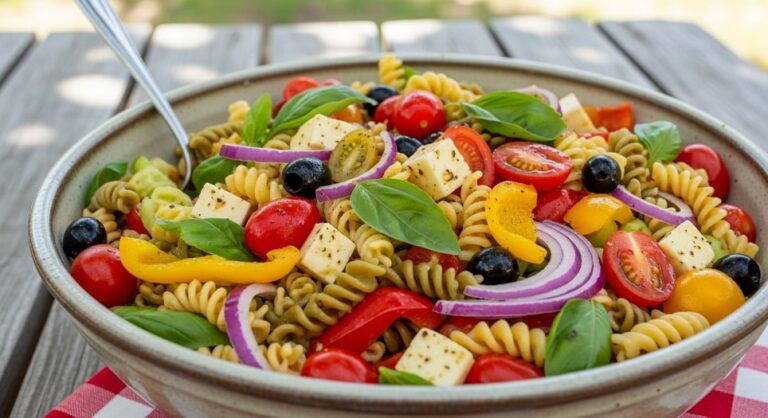
Pasta salad is a cornerstone of Mediterranean-inspired cuisine, evolving from a simple side dish into a sophisticated, nutrient-dense meal that defines modern summer dining. While often viewed as a casual addition to backyard gatherings, the architecture of a truly exceptional pasta salad requires a deep understanding of ingredient synergy, textural balance, and the chemistry of emulsified dressings. This comprehensive guide explores the nuances of creating a restaurant-quality dish that maintains its integrity over time, ensuring every bite is as vibrant and flavorful as the first.
The history of cold pasta dishes can be traced back to various regional traditions across Italy, where leftover pasta was often tossed with fresh garden vegetables and olive oil. However, the contemporary “pasta salad” as we know it today gained significant popularity in the mid-20th century, particularly within the United States, as home cooks sought versatile, make-ahead meals. Today, the dish is celebrated for its adaptability, allowing for endless variations that cater to diverse dietary needs, from gluten-free alternatives to protein-packed vegan options. Achieving excellence in this category involves more than just mixing ingredients; it requires a strategic approach to preparation.
One of the primary challenges in pasta salad preparation is the “absorption factor.” Pasta, being a starch, continues to soak up moisture long after it has been cooked. This often leads to a common culinary pitfall: a salad that is flavorful when first mixed but becomes dry and bland after several hours in the refrigerator. To combat this, professional chefs employ specific techniques regarding pasta hydration and dressing application. By understanding how the surface tension of the pasta interacts with the viscosity of the dressing, one can create a dish that remains moist and perfectly seasoned even after 24 hours of storage.
Selecting the Ideal Pasta Shape for Maximum Flavor Retention
The foundation of any superior pasta salad is the shape and quality of the pasta itself. Not all pasta is created equal when it comes to cold applications. For a dish that relies on a vinaigrette or a light cream sauce, “nooks and crannies” are essential. Shapes like Rotini or Fusilli are preferred because their helical structures act as a screw, trapping herbs, small vegetable bits, and dressing within their folds. This ensures that the flavor is distributed evenly throughout the dish rather than pooling at the bottom of the bowl.
Another excellent choice is Farfalle, or bow-tie pasta. While it offers less surface area for trapping liquids, its unique texture—thicker in the center and thinner at the edges—provides a delightful “al dente” bite that holds up well against heavier ingredients like cubes of salami or thick slices of fresh mozzarella. For those seeking a more contemporary aesthetic, Radiatori is a fantastic option. Its ruffled, radiator-like shape is specifically designed to maximize surface area, making it the gold standard for holding onto thick, herb-heavy dressings. Avoid long, thin pastas like spaghetti or linguine, as they tend to clump together when cold, making them difficult to serve and consume in a salad format.
Beyond the shape, the material of the pasta matters. High-quality bronze-cut pasta is highly recommended for salad. Unlike mass-produced pasta extruded through Teflon dies, bronze-cut pasta has a rougher, more porous surface. This microscopic texture is crucial for cold salads because it allows the dressing to “cling” to the pasta rather than sliding off. While it may be slightly more expensive, the difference in flavor delivery is substantial, turning a standard dish into a gourmet experience.
Mastering the Art of Al Dente: Cooking and Cooling Techniques
Cooking pasta for a cold salad requires a slightly different approach than cooking it for a hot sauce. When pasta cools, the starches undergo a process called retrogradation, which can make the pasta feel firmer and sometimes slightly rubbery. To achieve the perfect texture, it is widely recommended to cook the pasta in heavily salted water until it is exactly “al dente”—meaning it has a slight resistance to the tooth but no raw flour taste in the center. Some chefs suggest cooking the pasta for exactly one minute longer than the package instructions for “al dente” to account for the firming that occurs during refrigeration.
The cooling process is where many home cooks make a critical error. For hot pasta dishes, rinsing is generally discouraged as it removes the starch necessary for sauce adhesion. However, for pasta salad, rinsing with cold water is essential. Rinsing stops the cooking process instantly, preventing the pasta from becoming mushy. More importantly, it washes away the excess surface starch that causes the pasta to stick together in a solid mass as it cools. Once rinsed, the pasta should be drained thoroughly and tossed with a small amount of olive oil to provide a protective barrier before the main dressing is added.
Temperature management is the third pillar of pasta preparation. Never mix warm pasta with fresh vegetables or delicate herbs, as the residual heat will wilt the greens and soften the crisp vegetables, resulting in a loss of textural contrast. The pasta should be at room temperature or slightly chilled before being combined with the other components. This separation of temperatures preserves the integrity of the fresh ingredients, ensuring that the bell peppers remain crunchy and the parsley stays vibrant green.
Essential Components: Building a Balanced Flavor Profile
A truly great pasta salad is a symphony of textures and flavors: salty, acidic, sweet, and umami. To achieve this, one must curate a selection of high-quality “add-ins” that complement the pasta. The following list outlines the essential categories of ingredients that should be included in every batch:
- Premium Cured Meats: Incorporating meats such as Genoa salami, pepperoni, or even diced prosciutto adds a necessary salty and savory depth. These should be cut into bite-sized pieces that match the scale of the pasta, ensuring a balanced mouthful every time.
- High-Moisture Cheeses: Fresh mozzarella pearls (ciliegine) or cubed sharp provolone are classic choices. The creamy texture of the cheese provides a stark contrast to the acidity of the dressing and the crunch of the vegetables, creating a more satisfying mouthfeel.
- Brined and Pickled Elements: Ingredients like Kalamata olives, non-pareil capers, or sliced pepperoncini are vital for providing “bright” pops of flavor. These acidic elements cut through the richness of the oil and cheese, cleansing the palate between bites.
- Crisp Garden Vegetables: Red bell peppers, English cucumbers, and red onions provide the necessary structural crunch. Using a variety of colors—such as orange peppers and purple onions—enhances the visual appeal of the dish, which is a key component of its success at social gatherings.
- Fresh Aromatic Herbs: Never rely solely on dried seasonings. Fresh flat-leaf parsley, basil, or even a hint of fresh oregano can transform the salad. Herbs should be added just before serving to maintain their aromatic oils and bright color.
- Texture Enhancers: Consider adding toasted pine nuts or sunflower seeds for an unexpected crunch. While not traditional in every Italian recipe, these small additions provide a sophisticated layer of texture that distinguishes your recipe from standard versions.
The Science of the Perfect Vinaigrette Dressing
The dressing is the soul of the pasta salad, acting as the bridge that connects the disparate ingredients. A standard vinaigrette follows a 3:1 ratio of oil to acid, but for pasta salad, a slightly higher acidity is often preferred to compensate for the starchiness of the pasta. A combination of high-quality extra virgin olive oil and red wine vinegar provides a robust, classic base. For added complexity, incorporating a small amount of balsamic vinegar or lemon juice can introduce layers of sweetness and brightness.
Emulsification is key to a dressing that coats evenly rather than separating. Using a “binder” like Dijon mustard or a small amount of honey helps hold the oil and vinegar together in a smooth, creamy state. Furthermore, the seasoning must be aggressive. Pasta salad is served cold, and cold temperatures tend to dull the perception of flavor. This means you should season your dressing with salt, black pepper, and garlic powder more generously than you would for a salad served at room temperature. A pinch of crushed red pepper flakes can also provide a subtle background heat that elevates the overall profile.
Timing the dressing application is a strategic move. Many experts recommend the “two-stage dressing” method. Apply about two-thirds of the dressing to the pasta and vegetables while preparing the dish and let it marinate for at least two hours. Just before serving, toss the salad with the remaining third of the dressing. This refreshes the flavors and ensures the salad looks moist and appetizing on the plate, rather than appearing “soaked in” or dry. This technique is especially useful if the salad has been sitting in the refrigerator overnight.
Step-by-Step Instructions for Professional-Grade Assembly
To begin, bring a large pot of water to a rolling boil and add at least two tablespoons of kosher salt. Add one pound of your chosen pasta shape (such as rotini or cavatappi) and cook until it is just past the al dente stage. While the pasta cooks, prepare a large bowl of ice water or simply ensure your tap water is very cold. Drain the pasta and immediately rinse it under the cold water until the steam stops rising and the noodles feel cool to the touch. Let the pasta sit in the colander for at least five minutes to ensure all excess water is removed; water trapped in the pasta will dilute your dressing.
While the pasta drains, prepare your “flavor base.” In a small glass jar or whisking bowl, combine 3/4 cup of extra virgin olive oil, 1/4 cup of red wine vinegar, one tablespoon of Dijon mustard, two cloves of minced fresh garlic, one teaspoon of dried oregano, and a generous amount of salt and pepper. Shake or whisk vigorously until the mixture is opaque and thickened. This emulsion is what will carry the flavor into the pores of the pasta. If you prefer a bit of sweetness, a teaspoon of honey or agave nectar can be added at this stage to balance the sharpness of the vinegar.
In a very large mixing bowl, combine the cooled pasta with your prepared vegetables and proteins. A standard “deluxe” version includes one cup of halved cherry tomatoes, one cup of diced cucumbers, half a cup of sliced black olives, half a cup of diced salami, and eight ounces of fresh mozzarella pearls. Pour the majority of the dressing over the mixture and use large spoons to toss everything gently. The goal is to coat every surface without breaking the delicate mozzarella or bruising the tomatoes. Cover the bowl tightly with plastic wrap and refrigerate for at least four hours, though overnight is ideal for the flavors to fully meld.
Advanced Variations and Dietary Adaptations
While the classic Italian herb vinaigrette is the most popular, the pasta salad framework allows for significant regional and dietary variations. For a Mediterranean twist, swap the salami for roasted chickpeas and add crumbled feta cheese instead of mozzarella. The addition of sun-dried tomatoes and artichoke hearts provides a deeper, more concentrated savory flavor. If you are looking for a creamier profile without using mayonnaise, consider whisking a tablespoon of Greek yogurt or tahini into your vinaigrette. This adds a velvety texture and a nutritional boost of protein or healthy fats.
For those with dietary restrictions, modern pasta alternatives have made it easier than ever to enjoy this dish. Chickpea or lentil-based pastas are excellent for adding fiber and protein, though they require careful monitoring during the cooking process as they can go from firm to mushy very quickly. Gluten-free brown rice pasta is another viable option, provided it is rinsed thoroughly to remove the excess starch characteristic of rice-based products. When using these alternatives, it is even more important to use the “two-stage dressing” method, as alternative pastas often absorb liquid more aggressively than traditional wheat pasta.
Vegetarian and vegan versions are easily achieved by emphasizing high-impact plant-based ingredients. Smoked tofu or “tempeh bacon” can provide the smoky, salty element usually provided by cured meats. Nutritional yeast can be added to the dressing to mimic the umami flavor of Parmesan cheese. By focusing on a diverse array of colorful vegetables—such as blanched asparagus, shaved radishes, and roasted red peppers—you can create a vegan pasta salad that is so flavorful and visually stunning that even meat-eaters will find it completely satisfying.
Pro Tips for Culinary Excellence
- Toast Your Dried Herbs: If you must use dried oregano or basil, quickly toast them in a dry pan for 30 seconds before adding them to the oil. This “blooms” the spices, releasing their essential oils and making them taste much fresher than they would straight from the jar.
- The Onion Mellowing Secret: To prevent raw red onions from overpowering the salad, soak the slices in ice water for 10 minutes before adding them. This removes the harsh “sulfury” bite while retaining the crisp texture and beautiful purple color.
- Use “Pasta Water” Wisely: While we rinse the pasta for salad, keeping a small amount of the starchy cooking water can be a secret weapon. If your dressing is too thick, a tablespoon of this salted water can help thin it out while adding a subtle seasoning.
- Cheese Temperature Matters: Add your cheese last. If the pasta is even slightly warm, it can cause the mozzarella to sweat or the feta to crumble into a paste. Adding cheese at the very end ensures distinct, beautiful bites of dairy.
- The Acid Refresh: Just before serving at a party, squeeze half a fresh lemon over the entire bowl. This “top note” of acidity wakes up all the other flavors that may have become muted during refrigeration.
Frequently Asked Questions
How long can pasta salad stay fresh in the refrigerator?
When stored in an airtight container, most pasta salads remain safe and delicious for 3 to 5 days. However, for the best texture, it is recommended to consume it within 48 hours. Beyond that, the pasta may become overly soft as it continues to absorb the dressing.
Can I freeze pasta salad for later use?
Freezing is generally not recommended for pasta salad. The freezing and thawing process significantly alters the texture of both the pasta and the fresh vegetables, often resulting in a watery, mushy consistency. It is best enjoyed fresh or chilled from the fridge.
Why is my pasta salad bland even though I followed the recipe?
Cold temperatures suppress flavor. If your salad tastes bland, it likely needs more salt or acid. Try adding a splash more vinegar or a pinch of sea salt just before serving. Also, ensure you are using high-quality extra virgin olive oil, as the oil itself carries much of the flavor.
Is it better to use fresh or dried herbs?
A combination is often best. Dried herbs like oregano hold up well in a marinating dressing, while fresh herbs like basil and parsley provide a necessary burst of color and “green” flavor that dried versions simply cannot replicate. Always add the fresh herbs at the very end.
Conclusion
Mastering the art of pasta salad is an essential skill for any home cook or professional caterer. By focusing on the structural integrity of the pasta, the science of emulsified dressings, and the careful selection of high-quality components, you can transform a basic side dish into a culinary highlight. Remember that the key to success lies in the details: rinsing the pasta to remove excess starch, seasoning aggressively to account for cold service, and using the two-stage dressing method to maintain moisture. Whether you are preparing a classic Italian version for a family picnic or an innovative plant-based variation for a dinner party, these principles ensure a consistent, flavorful, and visually appealing result. With these techniques in your repertoire, you are well-equipped to create a pasta salad that stands out for its balance, texture, and enduring freshness.

Full-stack developer at Scylla Technologies (USA), working remotely from Bangladesh. Adobe Certified Magento Developer.
