

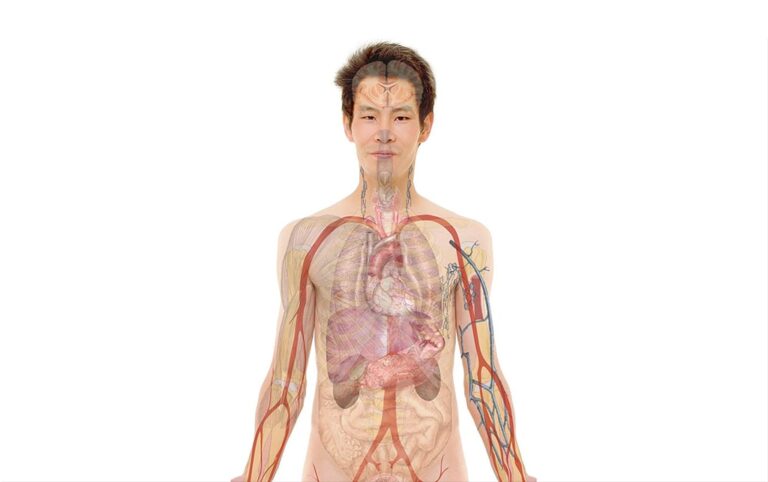
The human body houses a complex arrangement of organs, many of which reside on the left side. Knowing which organs lie on the left — and understanding their roles — is useful for general anatomy knowledge and helpful when interpreting symptoms like left-side pain. This guide explores the key organs located on the left side, explains their functions, and clarifies important anatomical details.
Introduction
While many internal organs are centrally located or paired symmetrically, others are asymmetrically positioned. In typical human anatomy — known as the standard anatomical arrangement — several essential organs and structures are found predominantly on the left side of the chest and abdomen. Understanding which organs are on the left can help with better body literacy, medical discussions, and recognizing potential issues when symptoms arise on that side.
Left-side Organs: Overview
This section provides a broad overview of the main internal organs and anatomical structures that are commonly located on the left side of the body under normal conditions. The exact positioning can vary among individuals, but the list below represents the typical arrangement in healthy anatomy.
- Heart (tilted left) — Although the heart sits near the center of the chest, a significant portion tilts toward the left side. This tilt places the apex of the heart toward the left, making it functionally perceived as being on the left side of the thoracic cavity.
- Left lung — The left lung occupies the left thoracic cavity. It is smaller than the right lung, accommodating space for the heart, and typically has two lobes.
- Stomach (major portion) — The bulk of the stomach lies in the upper-left quadrant of the abdomen, beneath the diaphragm and in front of/superior to structures like the spleen.
- Spleen — Situated under the left rib cage, behind the stomach and just below the diaphragm, the spleen plays a vital role in blood filtration and immune system function.
- Tail of the pancreas — While the head of the pancreas lies more centrally or to the right (near the duodenum), its body and tail extend toward the left side of the abdomen, often approaching close to the spleen.
- Left kidney (and left adrenal gland) — The left kidney sits in the back of the abdominal cavity, slightly higher than the right kidney, and is accompanied by the left adrenal gland at its upper portion.
- Portions of the large intestine (descending and sigmoid colon) — On the lower left side of the abdomen, the descending colon runs downward, followed by the sigmoid colon, which leads to the rectum.
Anatomy & Location Details for Key Organs
Heart and Left Lung
The heart resides in the mediastinum (the central chest area), but its apex tilts left, which often leads people to associate it with the left side. The left lung occupies the left thoracic cavity. Because the heart takes up space on the left side, the left lung is slightly smaller than the right and typically has two lobes rather than three. These two lungs — left and right — enable gas exchange: inhaled oxygen enters the bloodstream, and carbon dioxide is expelled. The lungs’ structure includes airways (bronchi, bronchioles) and alveoli, which carry out the critical exchange of gases.
Stomach
The stomach’s larger proportion lies in the upper-left abdominal region, beneath the diaphragm and partly under the rib cage. It connects to the esophagus at the top and to the small intestine at the bottom. The stomach acts as a reservoir for ingested food; its muscular walls contract to churn and mix food with gastric juices. The acid and digestive enzymes begin breaking down proteins, while muscular contractions help mechanically breakdown food. A protective mucus lining shields the stomach walls from the corrosive effects of stomach acid. Over a period of roughly 2–5 hours (depending on meal size and content), partially digested contents move on to the small intestine for further digestion and nutrient absorption.
Spleen
Located just under the left ribs, tucked beneath the diaphragm and behind the stomach, the spleen is roughly fist-sized. It belongs to the lymphatic/immune system and plays a dual role: filtering blood and mounting immune responses. Functionally, the spleen:
- Removes old, damaged, or malformed red blood cells from circulation, recycling useful components like iron.
- Stores and releases platelets and white blood cells (lymphocytes) to fight infections.
- Acts as a blood reservoir, which can be important in the event of hemorrhage or sudden blood loss.
Pancreas (Tail), Pancreatic Function, and Location Context
The pancreas is a long, flat gland that lies behind the stomach and in front of the spine, spanning across the upper abdomen. Its “head” lies toward the right side (near the small intestine’s start, the duodenum), but its body and tail stretch toward the left — often reaching close to the spleen. This left-extending portion is especially relevant when considering left-side abdominal discomfort.
The pancreas serves two major roles:
- Exocrine function: It secretes digestive enzymes (for fats, proteins, and carbohydrates) into the small intestine to aid digestion and absorption.
- Endocrine function: It produces hormones — notably insulin and glucagon — which regulate the body’s blood sugar levels.
Left Kidney (and Adrenal Gland)
The left kidney rests in the retroperitoneal space (behind the peritoneal cavity) on the left side of the spine, typically slightly higher than the right kidney. Each kidney filters waste products, excess salts, and fluid from the blood to produce urine. Additionally, kidneys help regulate electrolyte balance, blood volume, and blood pressure. Above the kidney sits the left adrenal gland, which produces hormones (like cortisol, adrenaline, and aldosterone) involved in stress response, metabolism regulation, and blood pressure control.
Left-side Colon: Descending and Sigmoid Colon
As part of the large intestine, the descending colon runs downward on the left side of the abdominal cavity, eventually transitioning into the sigmoid colon that leads to the rectum. This portion of the colon is responsible for storing formed stool and absorbing water and electrolytes before waste is expelled. Because of its left-side location, issues like diverticulitis or left-side abdominal pain may often stem from problems in these segments.
Why Organ “Sidedness” Matters — Clinical & Everyday Implications
Understanding which organs lie on the left side carries practical significance — especially when interpreting pain, diagnostic imaging, or general wellness awareness. Below are some key implications:
- Left-side pain assessment: Pain or discomfort under the left rib cage could signal issues in the stomach, spleen, pancreas tail, or left lung. Lower-abdominal left pain might involve the descending or sigmoid colon, left kidney, or left ovary/testis (depending on sex). Recognizing which organs are likely involved guides more precise medical questions and examinations.
- Interpreting imaging and scans: Radiologists and clinicians rely on standard anatomical “sidedness” to analyze X-rays, CT or MRI scans. Knowing normal positioning helps detect abnormalities, displacements, or congenital variations.
- Immune and metabolic functions: Organs like the spleen, pancreas, and kidneys — all partially or wholly on the left side — are central to immune response, digestion, detoxification, and blood sugar regulation. Their proper function is critical for overall health.
- Surgical and emergency relevance: In procedures or trauma care, understanding which organs typically lie on the left informs surgical planning, emergency triage, and anticipating complications (e.g., internal bleeding, organ damage).
- Variation awareness: While most people follow the typical organ layout (sidedness), rare anatomical variations exist. Understanding normal arrangement helps contextualize and recognize anomalies.
Normal Anatomy vs Rare Variations
The arrangement described above reflects the standard human organ layout, a configuration known as “normal situs.” In rare cases, some individuals are born with a mirror-image arrangement of their internal organs — a condition called Situs inversus. In such cases, the positions of thoracic and abdominal organs are reversed: organs typically on the left appear on the right, and vice versa.
For example, in a person with Situs inversus: the heart may point to the right, the stomach and spleen may shift to the right abdomen, and the liver might cross to the left side. Despite the reversed positioning, most individuals live normally and may even be unaware of their mirrored anatomy, unless it’s discovered incidentally (e.g., via X-ray or during surgery). Thus, when discussing “organs on the left,” it’s important to implicitly reference the standard anatomical orientation, not atypical variations.
Common Misconceptions and Clarifications
Because some organs straddle the midline or tilt slightly, there are frequent misconceptions about their exact positioning. Below are clarifications for common misunderstandings:
- The heart is not strictly “on the left side”: While its apex tilts left and most of its mass leans toward the left thorax, the heart spans the midline of the chest — not entirely on one side.
- The pancreas extends across midline: Only the tail of the pancreas lies toward the left; its head is more central or right-oriented. Therefore, pancreatic issues may not always result in strictly left-side symptoms.
- Kidney symmetry but positional differences: Humans have two kidneys, but the left kidney is usually positioned slightly higher than the right due to liver placement. Both kidneys perform similar roles.
- Large intestine spans both sides: While the descending and sigmoid colon are on the left, other parts of the large intestine (e.g., ascending colon, right colon) are on the right — so symptoms of intestinal issues may depend heavily on the segment affected.
How Organ Function Relates to Left-Side Location
Positioning organs on the left side is no mere accident; anatomy reflects functional needs, spatial constraints, and developmental processes. Below are ways in which organ location supports their physiological roles:
- Efficient packing in the thorax and abdomen: The chest and abdominal cavities must accommodate many organs. Placing the spleen, stomach, pancreas tail, kidney, and parts of the colon to the left balances space distribution and allows organs to fit without compression.
- Protective rib cage arrangement: Vital organs like the spleen and parts of the stomach lie beneath the rib cage, which offers protection from external blunt trauma.
- Functional integration: Proximity of digestive organs — stomach, pancreas, spleen, parts of the intestine — allows for coordinated digestion, nutrient absorption, and immune defense. For example, blood filtered by the spleen and nutrients processed by the stomach and pancreas are all centrally collected via blood vessels in the abdomen.
- Redundancy and bilateral symmetry where needed: Organs that require redundancy — like kidneys or lungs — are paired bilaterally. Where only one organ is needed (e.g., spleen, stomach), asymmetry is acceptable and efficient.
What If Organ Placement Differs — Why That Happens
Though most people follow the standard anatomical layout (situs solitus), there are rare congenital conditions where organ placement deviates significantly. The most well-known among these is Situs inversus, where organs are mirrored left-to-right. In such cases, interpretation of symptoms, medical imaging, or surgery must account for the reversed layout. Otherwise, clinicians may misidentify which organ is involved. This underscores the importance of understanding typical anatomy as a baseline, but also recognizing normal variation exists.
Practical Implications: When Left-Side Anatomy Matters
Being familiar with which organs reside on the left side is not just academic — it has real-life applications that matter for health awareness, emergencies, diagnostics, and patient-doctor communication. Here are common practical contexts where this knowledge is useful:
- Interpreting abdominal or chest pain: If someone experiences pain under the left rib cage, near the left flank, or in the lower-left abdomen, knowing which organs are there helps narrow down potential causes — whether digestive, renal, immunological, or pulmonary.
- Planning or understanding diagnostic imaging: In X-rays, CT scans, or MRIs, organ location guides interpretation. Misunderstanding normal organ positions may lead to misdiagnosis or oversight of pathology.
- In surgery or trauma: Surgeons rely on standard anatomical maps to navigate to organs. Knowing typical left-side organ placement is critical; if congenital variation like Situs inversus is present, plans and expectations must adjust accordingly.
- Health education and awareness: For students, patients, or anyone learning about the body, clear mental mapping of where organs are helps with understanding symptoms, body function, and overall anatomy.
Conclusion
Understanding which organs are located on the left side of the human body — and why — is a foundational aspect of human anatomy. The heart, tilted toward the left side of the chest, the left lung, stomach, spleen, tail of the pancreas, left kidney (and adrenal gland), and portions of the large intestine all occupy the left side under normal anatomical conditions. Their positioning reflects a balance of functional needs, space constraints, and evolutionary design.
Being familiar with this arrangement aids in interpreting symptoms, communicating with medical professionals, and understanding diagnostic results. While rare anatomical variations such as mirrored organ placement can occur, the layout described represents what most people share — making it a useful reference point for both health literacy and medical awareness.
