
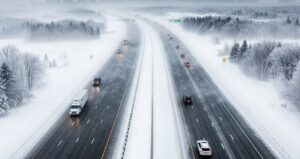
Residents across Ontario and Quebec are bracing for a significant winter storm system that is expected to bring heavy snowfall, freezing rain, and hazardous travel conditions. Meteorologists are warning that the storm will sweep across central Canada, impacting major cities, rural communities, and transportation corridors. With temperatures plunging and precipitation intensifying, the event is shaping up to be one of the season’s most disruptive weather systems.
Storm System Development
The storm originated in western Canada, where Alberta and Saskatchewan experienced early snowfalls and icy conditions. As the system moved eastward, it began to intensify over the Great Lakes region. Cold Arctic air colliding with moist air from the south has created the perfect conditions for widespread precipitation. Forecast models indicate that Ontario will see heavy snow bands, while Quebec faces a dangerous mix of snow and freezing rain.
Impact on Ontario
Southern Ontario, including Toronto and the Greater Toronto Area, is expected to experience lake-effect snow squalls combined with strong winds. Northern Ontario communities will see heavier accumulations, with some areas forecasted to receive over 20 centimeters of snow. The Ontario Ministry of Transportation has already issued advisories urging drivers to avoid unnecessary travel during peak storm hours.
Impact on Quebec
Quebec faces a particularly dangerous scenario due to freezing rain. Montreal and surrounding regions are forecasted to experience icy conditions that could lead to power outages and hazardous roads. Hydro-Québec has prepared crews for potential disruptions, warning residents to be cautious of falling ice and tree branches. Eastern Quebec may see a transition from freezing rain to snow, adding to the complexity of the storm’s impact.
Travel Disruptions
Airports in Toronto, Ottawa, and Montreal are preparing for delays and cancellations. VIA Rail has issued warnings about potential service interruptions, while bus operators are advising passengers to check schedules before traveling. Highway closures are possible in areas experiencing whiteout conditions, particularly along Highway 401 and Highway 417.
Safety Precautions
Authorities are urging residents to take precautions ahead of the storm. Emergency preparedness experts recommend stocking up on essentials such as food, water, and batteries. Motorists are advised to equip vehicles with winter tires, keep emergency kits on hand, and avoid unnecessary travel. Schools and businesses may face closures depending on the severity of conditions.
- Stock emergency supplies: Residents should ensure they have food, water, flashlights, and batteries in case of power outages.
- Prepare vehicles: Winter tires, windshield washer fluid rated for low temperatures, and emergency kits are essential.
- Stay informed: Monitor local weather alerts and advisories from Environment Canada and provincial agencies.
- Limit travel: Avoid highways during peak storm hours to reduce risk of accidents and delays.
- Check on vulnerable individuals: Elderly neighbors and those with mobility issues may need assistance during severe weather.
- Secure property: Remove snow from roofs and secure outdoor items to prevent damage from strong winds.
- Plan for power outages: Charge devices and have backup heating options ready.
Search Intent and Trends
Google keyword analysis reveals that users are primarily searching for real-time weather updates, safety tips, and travel advisories. Short-tail keywords such as “Ontario winter storm” and “Quebec freezing rain” dominate search volumes, while long-tail queries like “Ontario Quebec travel delays winter storm” and “Canada winter storm safety tips” reflect user concerns about practical impacts. The trend indicates strong demand for actionable information and preparedness guidance.
Government and Agency Response
Environment Canada has issued special weather statements and warnings across affected regions. Provincial transportation ministries are deploying snowplows and salting crews to maintain road safety. Emergency services are on high alert, with hospitals preparing for an increase in weather-related injuries such as slips, falls, and traffic accidents.
Community Preparedness
Local municipalities are encouraging residents to stay indoors during the storm’s peak. Community centers are being prepared as warming shelters in case of extended power outages. Social media platforms are being used to disseminate real-time updates, ensuring that residents remain informed and connected.
Economic Impact
Winter storms often carry significant economic consequences. Retail businesses may see reduced foot traffic, while delivery services face delays. Airlines and transportation companies are expected to incur costs due to cancellations and rescheduling. Insurance companies anticipate an increase in claims related to property damage and vehicle accidents.
Conclusion
The upcoming winter storm in Ontario and Quebec highlights the challenges posed by severe weather systems in Canada. With heavy snow, freezing rain, and strong winds expected, residents must prioritize safety and preparedness. Authorities are working to mitigate impacts, but disruptions to travel, power, and daily life are inevitable. Staying informed and taking proactive measures will be key to weathering the storm safely.