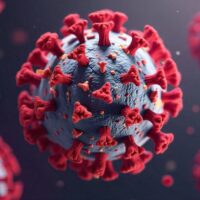
The United States is currently experiencing a surge in norovirus activity, with cases in 2024 surpassing levels seen in recent years and spreading across multiple regions. According to data from the U.S. Centers for Disease Control and Prevention (CDC), norovirus, often mislabeled as the “stomach flu,” is the leading cause of acute gastroenteritis nationwide, responsible for an estimated 19 to 21 million illnesses annually. The current season has seen a pronounced increase in positive test rates, particularly in the Northeastern states, where over 13% of tests are returning positive, significantly higher than the national baseline. This highly contagious virus is spreading rapidly in crowded settings such as schools, childcare centers, cruise ships, and long-term care facilities, with public health officials emphasizing that vigilance and strict hygiene are critical to controlling transmission.
Norovirus is notorious for its ease of transmission and its ability to cause large, disruptive outbreaks in a short period. The virus can survive on surfaces for weeks and is resistant to many common disinfectants. It takes only a few viral particles to cause infection, which explains its rapid spread in communal environments. The CDC’s surveillance network, which includes data from clinical laboratories, state health departments, and outbreak reports, confirms that the current trends are consistent with a typical norovirus season, albeit at a higher magnitude than the previous year. The rise in cases is not confined to any single demographic, affecting all age groups, though severe outcomes are more common in young children and the elderly.
Health experts attribute the current spike to a combination of factors, including the increased circulation of a specific strain of the virus, the relaxation of pandemic-era hygiene measures, and greater population mobility. “We are seeing a return to pre-pandemic patterns of viral transmission, and norovirus is no exception,” explained a state epidemiologist from the Northeast region. “The virus is always circulating, but certain conditions allow it to flare into significant outbreaks. Close-quarters living, shared dining, and lapses in hand hygiene create the perfect environment for norovirus to exploit.” This has led to numerous localized outbreaks, forcing temporary closures of school districts and rigorous sanitization protocols in affected facilities.
Understanding the Norovirus: Virology and Transmission
Norovirus is a single-stranded RNA virus belonging to the Caliciviridae family. It is genetically diverse, with multiple genogroups and genotypes circulating globally. The most common strain causing human illness, particularly in the current U.S. outbreaks, is the GII.4 Sydney variant. This strain is known for its ability to evolve rapidly, evading population immunity and leading to widespread outbreaks. The virus’s structure lacks a lipid envelope, making it remarkably stable in the environment and resistant to alcohol-based hand sanitizers, which are ineffective against it.
The primary mode of transmission is the fecal-oral route, but it can occur through several direct and indirect pathways:
- Direct Person-to-Person Contact: This is the most common route. The virus spreads easily in households, healthcare settings, and schools through close contact with an infected person, such as caring for someone who is ill or sharing food or utensils.
- Consumption of Contaminated Food or Water: Norovirus is a leading cause of foodborne illness. Food can become contaminated at its source (e.g., oysters harvested from polluted waters) or by an infected food handler who does not practice proper hand hygiene. Common outbreak sources include leafy greens, fresh fruits, and shellfish.
- Contact with Contaminated Surfaces: The virus can survive on hard surfaces like countertops, doorknobs, and handrails for days or even weeks. A person touches a contaminated surface and then touches their mouth, nose, or eyes, introducing the virus.
- Aerosolized Particles: During episodes of vomiting, the virus can become aerosolized and land on surfaces or be inhaled by others nearby, leading to infection. This is a significant factor in outbreaks on cruise ships and in other confined settings.
The virus’s incubation period is short, typically 12 to 48 hours after exposure. An infected person is most contagious when they are actively symptomatic and during the first few days after recovery. However, shedding of the virus can continue for two weeks or more, posing a continued, though lower, risk of transmission.
Recognizing the Symptoms and Clinical Course
Norovirus infection leads to acute gastroenteritis, marked by the sudden onset of distressing symptoms. The most prominent symptoms include:
- Profuse Vomiting: Often sudden, projectile, and frequent.
- Watery, Non-bloody Diarrhea: Can be numerous episodes per day.
- Nausea and Stomach Cramping: Significant abdominal pain or discomfort.
- Low-Grade Fever, Body Aches, and Headache: These flu-like symptoms may also be present.
The illness is typically self-limiting, with symptoms lasting from one to three days in healthy adults. The primary risk, however, is dehydration due to the rapid loss of fluids and electrolytes. Signs of dehydration require immediate medical attention and include decreased urination, dry mouth and throat, dizziness when standing up, and in children, crying with few or no tears and unusual sleepiness or fussiness. For vulnerable populations—infants, young children, the elderly, and those with compromised immune systems—norovirus can lead to severe dehydration, hospitalization, and in rare cases, can be fatal.
Geographic Hotspots and Recent Outbreak Reports
The CDC’s national surveillance data for the 2023-2024 season indicates that norovirus activity is elevated nationwide, but certain regions are experiencing particularly high transmission. The Northeastern United States has been a consistent hotspot, with positivity rates from clinical labs remaining above 13% for multiple consecutive weeks in early 2024. States like Pennsylvania, New Jersey, and New York have reported numerous outbreaks in schools and universities. The Midwest and Western regions have also seen significant activity, with outbreaks linked to childcare centers, restaurants, and healthcare facilities.
Several high-profile outbreaks have drawn public attention and illustrate the virus’s disruptive potential:
- School District Closures: Multiple school districts across the country, including in Virginia and Michigan, have been forced to close for “deep cleaning” days following large-scale outbreaks affecting hundreds of students and staff. These closures highlight the virus’s rapid spread in classroom settings.
- Cruise Ship Incidents: The cruise industry has reported several voyages affected by gastroenteritis outbreaks confirmed to be norovirus. These incidents trigger immediate response protocols, including isolation of sick passengers, enhanced sanitization, and altered itineraries.
- Long-Term Care Facilities: Nursing homes and assisted living facilities are highly vulnerable. Outbreaks in these settings are severe, as residents are at greater risk for complications. Recent reports from facilities in Ohio and Illinois have led to visitor restrictions and intensive infection control measures.
Public health departments in affected states are actively investigating these outbreaks to identify a common source, such as a specific food product or a point of contamination. The findings are used to issue public alerts and guide prevention efforts. The pattern of spread confirms that norovirus is not a localized issue but a widespread public health challenge requiring coordinated response.
Prevention Strategies: Beyond Basic Hand Hygiene
Preventing norovirus infection requires a multi-layered approach centered on breaking the chain of transmission. While handwashing is foundational, it must be done correctly and be accompanied by other critical practices, especially during an outbreak.
Effective Cleaning and Disinfection Protocols
Standard cleaners do not kill norovirus. Surfaces contaminated with vomit or stool must be cleaned and disinfected with a bleach-based solution or an EPA-registered disinfectant proven effective against norovirus. The CDC recommends the following steps for environmental cleaning:
- Put on Personal Protective Equipment (PPE): Before cleaning, wear disposable gloves, a mask, and if possible, a disposable gown.
- Pre-clean Surfaces: Remove visible organic material (vomit, stool) with paper towels, and dispose of them in a plastic trash bag.
- Apply Disinfectant: Apply a bleach solution (5-25 tablespoons of household bleach per gallon of water) or an EPA-listed product to the entire area. Follow the product’s label instructions for concentration and required contact time (usually leaving it wet for 5-10 minutes).
- Focus on High-Touch Areas: Frequently disinfect doorknobs, faucets, toilet handles, light switches, and electronic devices during an outbreak.
For laundry, items soiled with vomit or stool should be handled with gloves, rinsed off, and then washed with detergent at the maximum available cycle length and dried completely at high heat.
Food Safety and Personal Responsibility
Food handlers, healthcare workers, and childcare providers have a particular responsibility to prevent spread. Key rules include:
- Mandatory Exclusion: Sick workers must not prepare food or provide care for others for at least 48 hours after symptoms completely stop.
- Strict Handwashing: Hands must be washed thoroughly with soap and water for at least 20 seconds after using the bathroom, changing diapers, and before eating, preparing, or serving food. Alcohol-based hand sanitizer is not a substitute.
- Safe Shellfish Consumption: Oysters and other shellfish should be cooked to an internal temperature of at least 145°F (63°C) to kill the virus.
- Produce Washing: All fruits and vegetables should be rinsed thoroughly under running water before eating or preparation.
During a community outbreak, it is prudent to avoid preparing food for others if you are recovering from illness and to be cautious when eating at buffets or self-service restaurants.
Treatment and Management: There is No Antiviral
There is no specific antiviral medication to treat norovirus. The illness must run its course, and management focuses on supportive care, primarily preventing and treating dehydration.
Home Care and Rehydration: For most people, treatment involves drinking plenty of clear fluids. Oral rehydration solutions (ORS) like Pedialyte® or DripDrop® are the gold standard, as they contain the optimal balance of sugars and salts to help the intestines absorb fluid. Sports drinks, broth, and diluted juice can also help but may not have the correct electrolyte ratios. Small, frequent sips are better than large amounts at once, especially if nausea is present. It is crucial to continue breastfeeding or formula feeding infants who become ill.
When to Seek Medical Care: Medical attention is necessary if dehydration is suspected. Warning signs include:
- Significantly decreased urination (no wet diaper for 6-8 hours in an infant, no urination for 12 hours in a child or adult)
- Dry mouth, sunken eyes, or absence of tears
- Severe lethargy, dizziness, or confusion
- Blood in stool or vomit
- Symptoms lasting more than three days
In a clinical setting, healthcare providers may administer intravenous (IV) fluids to rapidly correct dehydration. Anti-nausea or anti-diarrheal medications are sometimes used with caution in adults but are generally not recommended for children. Patients are advised to avoid anti-diarrheal medications like loperamide (Imodium®) if they have a high fever or bloody stools, as these can be signs of a different, more serious infection.
The Public Health Response and Surveillance
Controlling norovirus is a core function of local and state health departments. When an outbreak is reported, epidemiologists work to identify the source and implement control measures. This process includes:
- Case Investigation: Interviewing sick individuals to identify common exposures (food, location, events).
- Environmental Assessment: Inspecting facilities, reviewing food preparation practices, and sometimes testing environmental samples.
- Implementing Control Measures: This may include excluding ill staff, closing a facility for cleaning, issuing public notifications, and providing infection control guidance.
- Laboratory Analysis: Stool samples are tested to confirm norovirus and may be genetically sequenced to link cases and identify the strain.
This data feeds into the CDC’s National Outbreak Reporting System (NORS), which tracks trends and informs national prevention guidelines. The rapid implementation of these measures is critical to stopping outbreaks and preventing further illness.
Vulnerable Populations and Long-Term Impacts
While norovirus is unpleasant for anyone, it poses a disproportionate threat to specific groups. Understanding these risks is key to prioritizing prevention and care.
Young Children: Children under five are frequently affected in outbreaks and have high rates of emergency department visits for norovirus. Their smaller body size makes them more susceptible to rapid fluid loss. Parents and caregivers must be vigilant for signs of dehydration and seek care promptly.
The Elderly: Older adults, especially those living in congregate settings like nursing homes, face a high risk of severe complications. Age-related changes, the presence of other chronic conditions, and weakened immune responses can turn a case of norovirus into a life-threatening event. Outbreaks in these facilities are complex to manage due to close living quarters and the need for constant care.
Immunocompromised Individuals: For people with weakened immune systems (e.g., from cancer treatment, organ transplant, or HIV), norovirus can cause a severe, prolonged illness lasting weeks or even months. They may experience chronic diarrhea and malabsorption, leading to significant weight loss and nutritional deficits, requiring specialized medical management.
Emerging research also suggests potential long-term health consequences following norovirus infection. Some studies indicate a possible link to the development of post-infectious irritable bowel syndrome (IBS), chronic fatigue, and other functional gastrointestinal disorders in a subset of patients. This underscores that norovirus is not merely a short-lived inconvenience but an infection with potentially lasting effects for some.
The Economic and Social Burden of Outbreaks
The impact of norovirus extends far beyond individual sickness, imposing substantial costs on the healthcare system, businesses, and families.
Healthcare Costs: Norovirus is responsible for approximately 400,000 emergency department visits, 70,000 hospitalizations, and 900 deaths annually in the U.S., primarily among young children and the elderly. The direct medical costs for these visits, along with outpatient care, are estimated in the hundreds of millions of dollars each year.
Lost Productivity and Business Disruption: Outbreaks cause significant absenteeism in workplaces and schools. When a parent must stay home to care for a sick child, productivity loss is doubled. For the food service and tourism industries, the financial impact can be severe. A single outbreak linked to a restaurant can devastate its reputation and lead to costly lawsuits and health code violations. Cruise lines face massive expenses for outbreak response, refunds, and itinerary changes.
Public Health Resource Strain: Investigating and containing outbreaks requires a major investment of time and personnel from local and state health departments. During a large multi-state outbreak linked to a food product, federal agencies like the CDC and the Food and Drug Administration (FDA) also deploy significant resources for traceback and recall efforts.
The collective burden makes a compelling case for increased investment in prevention, public education, and research into more effective disinfectants and potential vaccines.
The Future: Vaccines and Improved Diagnostics
The fight against norovirus is advancing on several scientific fronts. The lack of a long-lasting immune response after natural infection and the virus’s constant evolution have made vaccine development challenging. However, several candidate vaccines are in clinical trials. These vaccines, primarily being developed for young children and the elderly, aim to provide broader protection against multiple circulating strains. While not imminently available, they represent a promising future tool for outbreak prevention, especially in high-risk settings like cruise ships and nursing homes.
Simultaneously, researchers are working on faster, more accessible diagnostic tests. Current lab-based PCR tests are accurate but can take time. The development of rapid, point-of-care tests could allow for real-time confirmation in clinics, on cruise ships, or in nursing homes, enabling immediate implementation of isolation and control measures to curb an outbreak at its start.
Conclusion
The current norovirus outbreaks across the United States serve as a stark annual reminder of the virus’s persistent threat to public health. Its extreme contagiousness, environmental stability, and resistance to common sanitizers make it a formidable opponent in any setting where people gather. The data clearly shows a nation-wide increase in activity, with the Northeast experiencing a particularly high burden, leading to school closures, healthcare facility outbreaks, and significant community transmission. While the illness is typically acute and self-limiting for healthy individuals, the risks of severe dehydration and death are real for the very young, the elderly, and the immunocompromised, populations that demand our utmost vigilance in protection and care.
Effectively combating norovirus hinges on a clear understanding of its transmission pathways and a rigorous commitment to evidence-based prevention. This goes beyond casual handwashing to encompass methodical cleaning with appropriate disinfectants, strict exclusion policies for ill food handlers and caregivers, and heightened food safety practices. Public health infrastructure plays an indispensable role in surveillance, outbreak investigation, and guiding community response. As research continues toward the goals of an effective vaccine and improved diagnostics, our best defense remains a well-informed public and institutions that prioritize and implement robust hygiene protocols. By recognizing norovirus not as a simple stomach bug but as a serious and costly infectious agent, individuals and communities can take the necessary steps to reduce its impact and protect the most vulnerable among us.

Full-stack developer at Scylla Technologies (USA), working remotely from Bangladesh. Adobe Certified Magento Developer.