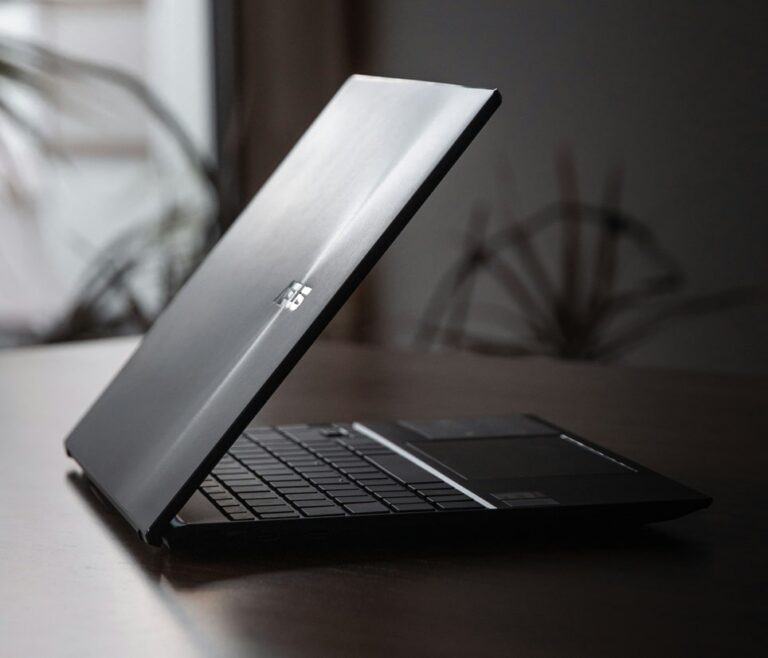
The Consumer Electronics Show 2025 marked a pivotal moment in the evolution of mobile gaming, signaling the end of a prolonged hardware cycle that had left enthusiasts anticipating a true generational leap. For the first time in several years, the industry’s leading manufacturers have converged to launch a comprehensive refresh of their flagship gaming laptop lines, propelled by the long-awaited arrival of Nvidia’s RTX 50-series graphics cards. This new generation of GPUs, headlined by the formidable RTX 5090, provides the foundational power for a wave of innovative designs that promise to redefine performance, thermal management, and display technology. Beyond raw graphics power, this year’s showcase was distinguished by strategic shifts in processor alliances, groundbreaking chassis redesigns, and a renewed focus on creating more immersive and efficient gaming experiences. The result is a diverse portfolio of machines, from impossibly thin performance flagships to unapologetically powerful desktop replacements, each engineered to leverage the new architecture’s capabilities and cater to distinct segments of the gaming community.
Redefining the Thin-and-Powerful Paradigm: Razer and Asus Lead with Slimmer Designs
One of the most striking trends from CES 2025 is the aggressive pursuit of slimmer profiles without compromising the thermal headroom required for high-wattage components. Manufacturers are leveraging advanced cooling solutions and architectural tweaks to condense their flagship devices, challenging the longstanding trade-off between portability and performance.
The Razer Blade 16 exemplifies this trend with its most significant chassis redesign in years. Razer engineers have dramatically reduced its thickness, achieving a profile measuring between 0.59 and 0.69 inches, a substantial reduction from its predecessor. This feat is accomplished through an integrated “thermal hood”—a small chamber created by a slight keyboard incline—coupled with a larger internal vapor chamber. These innovations are designed to maintain thermal performance comparable to thicker past models while accommodating top-tier components like the RTX 5090. Similarly, the Asus ROG Zephyrus G14, a champion of the compact gaming laptop category, has undergone subtle but meaningful dimensional changes. An additional 2mm of thickness has been strategically allocated to accommodate more robust cooling, enabling this 14-inch powerhouse to be configured with up to an RTX 5080 GPU, a significant step up from the previous generation’s RTX 4070 ceiling.
This industry-wide push towards miniaturization is not merely an aesthetic choice; it represents a maturation of engineering focused on user experience. Thinner laptops are inherently more portable, fitting more easily into backpacks and workspaces. The challenge has always been managing the immense heat generated by CPUs and GPUs that can collectively draw over 200 watts. The solutions showcased at CES—from Razer’s thermal hood to Lenovo’s redesigned venting in the Legion Pro 7i—demonstrate a sophisticated understanding of airflow dynamics and heat dissipation within constrained spaces. This allows gamers to access desktop-grade performance in form factors that no longer necessitate a dedicated “gaming laptop” aesthetic, blending more seamlessly into professional and mobile environments.
The Processor Shake-up: AMD and Intel Battle for Mobile Supremacy
A fascinating subplot of CES 2025 is the apparent shift in processor partnerships among major OEMs, upending established alliances and injecting new competition into the market. This year’s launches reveal that brands are strategically selecting the CPU platform that best complements their design philosophy and performance targets for each specific model.
In a notable move, the Razer Blade 16 has transitioned from Intel to AMD processors for its latest iteration. Razer indicates this shift aids in maintaining thermal efficiency within the new, slimmer chassis, suggesting confidence in AMD’s power efficiency for high-performance tiers. On the opposite side of the spectrum, the Asus ROG Zephyrus G14 has made the reciprocal switch, moving from AMD to Intel, now offering configurations up to the Intel Core Ultra 9 285H. This suggests Asus is leveraging Intel’s platform for its specific performance characteristics in the ultra-portable segment. The most groundbreaking development, however, comes from the Asus ROG Flow Z13. This 2-in-1 detachable is pioneering the use of AMD’s new Ryzen AI Max+ Pro processors, which feature a radically powerful integrated GPU. This iGPU is so capable that Asus has opted to forgo a discrete GeForce RTX 4050 or 4060 in this model, a decision that would have been unthinkable just a year ago for a gaming-focused device.
These strategic pivots highlight an intensifying battle for mobile computing supremacy, with tangible benefits for consumers. AMD’s new Ryzen AI Max+ Pro chips, positioned as competitors to Apple’s M4 Pro, promise a future where high-fidelity gaming and content creation can occur on thinner, fanless, or more versatile devices without the bulk and power draw of a discrete GPU. Intel’s counter, embodied in the Core Ultra series, continues to push hybrid architecture and AI acceleration. This competitive landscape forces both chip designers and laptop manufacturers to innovate more aggressively, leading to a wider variety of optimized systems. Gamers and creators now face a more complex but rewarding choice, selecting not just based on core count and clock speed, but on how the entire silicon package—CPU, integrated graphics, and NPU—integrates into a laptop’s thermal, power, and design envelope.
Display and Visual Technology: The OLED Revolution and Beyond
The visual experience on gaming laptops has taken a monumental leap forward at CES 2025, with OLED technology emerging as the new gold standard for premium tiers. This shift from fast IPS and mini-LED panels signifies a prioritization of pixel-level contrast, perfect blacks, and vibrant color, enhancing immersion in both games and multimedia content.
The Razer Blade 16 continues its commitment to OLED, pairing its RTX 5090 with a stunning panel that offers exceptional contrast and response times. More significantly, the Lenovo Legion Pro 7i has made a major generational upgrade by replacing its previous mini-LED display with an OLED panel. This move underscores the industry’s recognition of OLED’s superiority in delivering true HDR experiences and its improving reliability and performance metrics, which now satisfy the demands of competitive gamers. While Alienware’s revived Area-51 currently stands as an exception, opting for high-refresh-rate IPS panels over OLED or mini-LED, its focus remains on raw speed and size with its 16-inch and 18-inch options, catering to a segment that prioritizes screen real estate and maximum frame rates above all else.
The implications of this display transition are profound for gamers and creators. OLED technology offers an infinite contrast ratio because each pixel produces its own light and can be turned off completely, rendering blacks that are truly black. This creates a depth and realism that backlit panels cannot match, making night scenes in games like Cyberpunk 2077 or Alien: Isolation intensely atmospheric. Furthermore, OLED pixels have exceptionally fast response times, virtually eliminating motion blur and ghosting—a critical advantage in fast-paced esports titles. For content creators working on photo editing, video color grading, or digital art, the wide color gamuts and color accuracy of these new panels provide a reliable mobile studio environment. As this technology trickles down from flagship to mainstream models, it will raise the baseline visual expectation for all gaming laptops, pushing the entire market toward higher fidelity.
Architectural Innovation and Cooling Solutions
With the increased thermal demands of the RTX 50-series and high-TDP processors, cooling system design has become the most critical battlefield for engineering teams. The laptops premiering at CES 2025 showcase a variety of innovative approaches to managing heat, which is the primary limiter of sustained performance.
- Razer Blade 16’s Thermal Hood: By incorporating a slight incline into the laptop’s base, Razer creates a small air chamber beneath the machine. This “thermal hood” works in concert with a larger vapor chamber inside to more effectively draw heat away from the CPU and GPU, a necessary innovation for its dramatically thinner profile.
- Lenovo Legion Pro 7i’s Rear Vent Redesign: Lenovo has removed the rear-facing ports, dedicating the entire back section of the laptop to enlarged exhaust vents adorned with RGB lighting. This redesign prioritizes unimpeded airflow expulsion, which is crucial for a system designed to handle up to 250 watts of combined CPU and GPU power.
- Asus ROG Flow Z13’s 2-in-1 Advantage: The detachable tablet design inherently separates the primary heat-generating components from the keyboard. This means the hot surface is the rear of the tablet, which is not in contact with the user’s hands during gameplay, allowing for more aggressive thermal performance without compromising comfort.
- Material and Component Advances: Across the board, manufacturers are employing higher-grade thermal compounds, more heat pipes with increased surface area, and dual or even quad fan assemblies. These components are being integrated into chassis with more strategic intake cutouts and airflow channels, ensuring cool air is efficiently directed over hot components.
The overarching goal of these diverse cooling strategies is to allow the new hardware to maintain higher clock speeds for longer periods, a state known as “sustained boost performance.” In practical terms, this means a game will run at a higher, more consistent frame rate during an extended session, avoiding the performance dips that occur when temperatures throttle the components. For the user, effective cooling also translates to lower external surface temperatures on the keyboard deck and palm rests, enhancing comfort. Furthermore, efficient thermal management often allows fans to run at lower speeds or a quieter pitch, reducing noise pollution—a significant quality-of-life improvement for both gamers and those in shared spaces. These innovations demonstrate that the pursuit of performance is no longer just about sourcing the fastest chips, but increasingly about creating the ecosystem that allows them to perform at their peak.
Market Segmentation and Target Audiences
The breadth of launches at CES 2025 illustrates a mature market adept at segmenting users by their specific needs, preferences, and budgets. From ultra-portable powerhouses to desktop replacement behemoths, there is a meticulously engineered machine for nearly every type of gamer.
At the pinnacle of portability and innovation sits the Asus ROG Flow Z13. Its 2-in-1 form factor and revolutionary AMD Ryzen AI Max+ Pro chipset cater to a unique hybrid user: someone who demands serious gaming and creative performance but also values the versatility of a tablet for note-taking, media consumption, or presentation. The Asus ROG Zephyrus G14 continues to target the purist who wants maximum performance in the smallest possible package, now enhanced with Intel power and higher GPU options. The Razer Blade 16 and Lenovo Legion Pro 7i compete for the traditional high-end enthusiast who desires a balance of sleek aesthetics, top-tier performance, and premium build quality, with Razer emphasizing thinness and Legion emphasizing raw cooling capacity.
Finally, the Alienware Area-51 makes a triumphant return for a distinct segment: the user who views a laptop as a primary desktop replacement and has zero concern for portability. Its 16-inch and 18-inch size options, powerful internal configurations, and focus on large, fast displays speak to a gamer who wants an immersive, big-screen experience and uncompromised power, likely to be used in a semi-permanent setup. This clear segmentation allows consumers to make more informed decisions. A university student needing one device for class, work, and gaming might gravitate toward the Flow Z13, while a professional esports player traveling to tournaments may choose the G14 for its compact power. A content creator working from a home office might select the Legion Pro 7i for its OLED screen and sustained performance, whereas a home theater PC (HTPC) gamer might prefer the large screen of the Area-51. This diversity ensures that innovation is not one-dimensional but addresses the varied realities of how people use technology today.
The Competitive Landscape and Future Implications
The collective unveilings at CES 2025 have set a new benchmark for the gaming laptop industry, establishing trends that will define product development for the coming year and influence consumer expectations. The successful integration of the RTX 50-series across such a wide array of form factors validates Nvidia’s architectural decisions and signals a healthy, competitive ecosystem.
The most immediate implication is a compelling reason for users to upgrade. After years of iterative updates, the combination of new GPU architecture, significant CPU shifts, and groundbreaking designs like the Ryzen AI Max+ Pro creates a perfect storm of novelty and performance gain. This will likely stimulate a significant refresh cycle among enthusiasts and professionals. Furthermore, the success of the slimmer designs from Razer and Asus will pressure all manufacturers to further refine their thermal solutions, making powerful yet portable laptops the expectation rather than the exception. The validation of powerful integrated graphics in the Flow Z13 also opens a fascinating new frontier, suggesting a potential future bifurcation in the market between traditional discrete GPU laptops and a new class of ultra-portables powered by system-on-a-chip (SoC) designs.
Looking ahead, the battles will intensify in specific areas. The display war will move from “OLED vs. Mini-LED” to achieving higher brightness, faster variable refresh rates, and more durable, burn-in-resistant OLED materials. Cooling innovation will focus on phase-change materials, more advanced vapor chambers, and even quieter fan blade designs. The processor competition between AMD, Intel, and potentially Qualcomm’s Snapdragon X Elite in gaming contexts will fuel further optimization and efficiency gains. For consumers, this means the next 12-18 months will see rapid iteration on the themes established at CES 2025, with performance per watt, screen quality, and form factor versatility being the key metrics of progress. The era of the monolithic, bulky “gaming brick” is decisively over, replaced by a sophisticated array of machines that bring unprecedented power to an ever-widening array of lifestyles and use cases.
Pro Tips for Choosing Your CES 2025 Gaming Laptop
Navigating the new generation of gaming laptops requires balancing specifications with your personal use case. First, prioritize your GPU choice based on your target resolution and games. The RTX 5070 is an excellent sweet spot for high-frame-rate 1440p gaming, while the RTX 5080 or 5090 are necessary for consistent 4K performance or advanced ray tracing. Don’t automatically assume you need the top chip; significant performance is available at lower price points. Second, pay close attention to the thermal design described in reviews. A well-cooled laptop with an RTX 5080 will outperform a thermally constrained RTX 5090 in sustained workloads. Look for terms like “vapor chamber,” “quad-fan,” and specific power limits (TGP) for the GPU. Third, consider the ecosystem you’re buying into. If you already own peripherals from a brand like Razer or Alienware, their laptops may offer deeper software integration and synchronized RGB lighting, enhancing your overall setup.
Current Market Prices and Expected Availability
The gaming laptops showcased at CES 2025 are in the process of rolling out to global markets, with pricing reflecting their premium positioning and new technology. The Razer Blade 16, given its RTX 5090 configuration, redesigned chassis, and OLED display, is expected to command a premium, with high-end configurations likely exceeding $4,000. The Asus ROG Zephyrus G14, positioning itself as a compact flagship, will see a wide price range from around $1,800 for entry configurations with an RTX 5060 to over $3,000 for models maxed out with an RTX 5080 and 64GB of RAM. The Lenovo Legion Pro 7i, with its OLED upgrade and robust cooling, is anticipated to start around $2,500 and scale upward. The innovative Asus ROG Flow Z13 with AMD’s new chip represents a new category, and its pricing remains less predictable but will likely align with high-end ultraportable creators’ laptops, potentially starting above $2,000. Finally, the Alienware Area-51, as a large-format desktop replacement, will be competitively priced within its segment, with the 18-inch model likely starting around $2,200. Early adopter premiums are common, so prices may become more competitive 3-6 months after launch. Keep an eye on seasonal sales events and manufacturer refurbished programs for the best value later in the product cycle.
Frequently Asked Questions
Is the RTX 50-series a big enough upgrade to justify replacing my RTX 40-series laptop?
For most users with a recent RTX 40-series laptop, an immediate upgrade is not essential. The performance leap is meaningful, particularly in ray tracing and AI-driven tasks like DLSS Frame Generation, but it’s evolutionary rather than revolutionary. However, if you are using a laptop that is three or more years old with an RTX 30-series or older GPU, or if you specifically need the latest performance for 4K gaming, high-refresh-rate 1440p gaming, or AI/rendering work, then the new generation offers a compelling reason to upgrade, especially when combined with the other improvements in display, design, and cooling.
How significant is the switch from Mini-LED to OLED displays?
For gaming and media consumption, the switch is highly significant. OLED provides perfect per-pixel contrast, meaning true blacks and no blooming or halo effects around bright objects, which can sometimes occur on Mini-LED screens. This creates a more immersive and visually accurate experience, especially in dark game scenes or when watching HDR movies. The trade-offs historically were lower maximum brightness and concerns about burn-in, but modern OLED panels in laptops have made great strides in both areas, making them a preferred choice for premium models.
Are the new AMD Ryzen AI Max+ Pro chips a real alternative to discrete Nvidia GPUs for gaming?
Based on initial demonstrations and AMD’s claims, the Ryzen AI Max+ Pro chips in devices like the Asus ROG Flow Z13 represent a paradigm shift for integrated graphics. They are positioned as powerful enough to handle 1080p and potentially some 1440p gaming at respectable settings, competing with entry-level discrete GPUs like an RTX 4050. However, for enthusiasts seeking maximum performance, high-refresh-rate gaming, advanced ray tracing, or 4K resolution, a dedicated RTX 50-series GPU will remain the superior choice. The AMD chips open a fantastic new category of highly portable, versatile devices that can game well, rather than replacing high-performance gaming laptops outright.
Conclusion
CES 2025 has undeniably ushered in a new golden age for gaming laptops, marked by the synergistic arrival of powerful new hardware and ingenious design innovation. The launch of Nvidia’s RTX 50-series graphics cards has provided the essential spark, but the true story lies in how manufacturers have risen to the challenge of harnessing this power. From Razer’s astonishingly thin Blade 16 to the revolutionary chipset in the Asus ROG Flow Z13, and from the widespread adoption of breathtaking OLED displays to the intensely focused thermal engineering seen across the board, this generation addresses long-standing user desires for more portable, cooler, quieter, and more visually stunning machines. The market has matured into clearly defined segments, ensuring that whether a user prioritizes raw power, versatile form factors, or compact efficiency, there exists a meticulously engineered laptop to meet their specific demands. For gamers and creators alike, the future of mobile performance has never looked more promising or more diverse, setting a high standard that will drive innovation for years to come.

Full-stack developer at Scylla Technologies (USA), working remotely from Bangladesh. Adobe Certified Magento Developer.