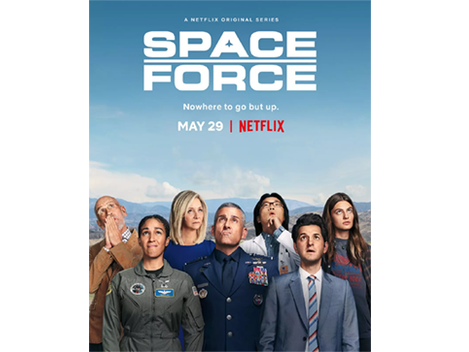
In the realm of streaming entertainment, few shows have captured the intersection of comedy and satire quite like the series centered on a fictionalized version of a new military branch. This production brought together a stellar team of creators and performers to explore the absurdities of bureaucratic ambition in outer space. Launched amid real-world parallels, it quickly became a talking point for its blend of humor and commentary.
The concept originated from a collaboration between seasoned comedy minds, drawing inspiration from contemporary events. It aimed to poke fun at the challenges of launching ambitious projects under pressure. Viewers were introduced to a world where high-stakes decisions meet everyday office dynamics, all set against the backdrop of cosmic exploration.
As the narrative unfolds, audiences witness the trials of leading an untested organization. The show’s appeal lies in its character-driven stories, highlighting personal growth amid professional chaos. Despite its short run, it left a mark on fans of workplace comedies.
Origins and Development
The series was conceived in early 2019, shortly after announcements of a real-life military initiative focused on space operations. Creators saw an opportunity to satirize the formation of such an entity through a comedic lens. This led to a straight-to-series order, bypassing the traditional pilot process.
Production began with a focus on assembling a top-tier ensemble. Filming locations included various sites to capture the essence of a remote base. The first season wrapped principal photography before global events disrupted many projects, allowing for a timely release.
Behind the scenes, the team emphasized practical effects and detailed sets to immerse viewers in the environment. Writers drew from real bureaucratic experiences to infuse authenticity into the scripts. This approach helped ground the outlandish premise in relatable scenarios.
The second installment shifted filming to a new city to manage costs effectively. This change allowed for fresh creative input while maintaining the core vision. Directors brought in for the latter episodes aimed to refine the tone, making it more cohesive.
Key Cast Members and Their Roles
Leading the charge is a four-star general thrust into an unexpected leadership position. His portrayal captures the frustration and determination of someone adapting to unfamiliar territory. The actor’s comedic timing shines in moments of high tension.
Supporting him is a brilliant but eccentric chief scientist, whose intellectual clashes drive much of the conflict. This character provides a foil to the military mindset, highlighting differing approaches to problem-solving. The performance adds depth through subtle expressions and witty dialogue.
A social media-savvy aide brings levity with his opportunistic schemes. His role evolves from comic relief to a more integral team member. The actor infuses energy into scenes, often stealing the spotlight with improvised flair.
The general’s daughter navigates teenage angst amid family upheaval. Her storyline explores themes of adaptation and rebellion. The young actress delivers a nuanced performance, balancing humor with emotional authenticity.
The wife figure offers glimpses into the personal toll of military life. Though recurring, her presence anchors the family dynamics. The veteran performer’s experience elevates even brief appearances.
A helicopter pilot turned key operative represents the rank-and-file perspective. Her arc showcases resilience and camaraderie. The role allows for physical comedy alongside serious undertones.
A scientist colleague contributes technical expertise with dry humor. His interactions often underscore the absurdity of situations. The character’s deadpan delivery complements the ensemble’s dynamics.
Additional Notable Performers
Several recurring figures enrich the world, including rival military leaders and political influencers. These roles add layers of external pressure. Guest stars in various episodes bring fresh energy to specific plotlines.
In the later episodes, new additions like an astronaut in orbit expand the scope. Their contributions heighten the stakes during critical missions. These characters provide opportunities for broader satirical commentary.
Release Dates and Episode Structure
The initial batch of episodes debuted on May 29, 2020, consisting of ten installments. This timing aligned with heightened public interest in space-related topics. Each episode ran approximately 30 minutes, fitting the comedy format.
Following positive internal metrics, a follow-up was greenlit. The subsequent seven episodes arrived on February 18, 2022. This shorter season reflected adjustments in production strategy.
Both sets are available for streaming, allowing binge-watching. The structure builds from setup to escalating conflicts, culminating in cliffhangers that teased potential continuations.
Plot Overview and Themes
The story begins with the establishment of a new armed forces division tasked with space dominance. The protagonist relocates his family to oversee operations, facing immediate challenges from skeptical colleagues and superiors.
Central themes include ambition versus reality, teamwork in adversity, and the satire of institutional inefficiencies. Episodes often revolve around missions gone awry, blending slapstick with pointed critique.
In the first arc, focus is on launching initial projects under tight deadlines. Interpersonal relationships develop as characters navigate professional hierarchies. The narrative escalates with international rivalries entering the fray.
The continuation picks up from previous events, introducing new leadership dynamics. It explores consequences of prior actions while maintaining humorous tone. Resolution comes through collective effort, though open-ended.
Memorable Episodes and Moments
- The premiere sets the stage with a surprising promotion, leading to comedic relocation woes. Viewers see the clash of military precision and scientific improvisation. This episode establishes the core conflict effectively.
- A war games simulation highlights inter-branch rivalries, resulting in unexpected alliances. The sequence features physical comedy and strategic mishaps. It underscores the theme of underestimation.
- An experimental habitat test pushes characters to their limits, revealing personal vulnerabilities. Emotional depth emerges amid humorous isolation. This installment balances laughs with character development.
- A satellite launch under duress showcases high-stakes decision-making. Technical glitches lead to frantic problem-solving. The outcome reinforces the show’s satirical edge.
- International cooperation attempts go awry, commenting on global politics. Cultural misunderstandings provide ample humor. It broadens the scope beyond domestic issues.
- A party sequence devolves into chaos, mixing personal and professional spheres. Revelations about backgrounds add layers. This lighter episode offers respite from tension.
- The finale builds to a climactic mission, leaving threads for potential follow-ups. Team unity shines through adversity. It encapsulates the series’ blend of optimism and absurdity.
Production Insights
Filming utilized university campuses for exterior shots, creating an authentic base feel. Interior sets were designed for flexibility in comedic blocking. Visual effects enhanced space-related sequences without overpowering the story.
The writing room incorporated real-world inspirations, consulting experts for accuracy. This grounded the satire in plausible scenarios. Directorial changes in later episodes aimed for tighter pacing.
Cost management influenced location shifts, but maintained quality. The ensemble’s chemistry developed naturally, contributing to improvised moments. Post-production focused on sharp editing to maximize laughs.
Reception and Impact
Initial reviews were mixed, praising the cast but noting tonal inconsistencies. Aggregators reported approval ratings around 38 percent for the debut. Critics appreciated the ambition but felt it didn’t fully launch.
The follow-up fared better, with favorable responses to refinements. Viewership metrics showed global interest, though not dominating charts. It sparked discussions on military satire in media.
Despite brevity, the show influenced pop culture references to space initiatives. Fans appreciated the nuanced portrayals of diverse characters. It remains a cult favorite for comedy enthusiasts.
Current Market Price and Deals
Access requires a streaming subscription, with standard plans starting at around fifteen dollars monthly. Premium options offer ad-free viewing and higher quality. Occasional promotions bundle services for savings.
International pricing varies by region, often lower in emerging markets. Family plans allow multiple users, reducing per-person cost. Check for student discounts or carrier bundles.
Pros and Cons
- Strong Ensemble Performances: The cast delivers memorable portrayals, elevating scripts. Chemistry among leads makes interactions engaging.
- Satirical Relevance: Timely commentary on bureaucracy resonates. It cleverly mirrors real events without overt preachiness.
- Production Values: Visuals and effects impress for a comedy. Sets immerse viewers in the world.
- Short Runtime: Episodes are concise, ideal for quick watches. This format suits modern viewing habits.
- Humor Variety: Blends physical, verbal, and situational comedy. Appeals to broad audiences.
- Tonal Shifts: Early inconsistencies may confuse viewers. Balance between satire and sincerity wavers.
- Limited Seasons: Abrupt end leaves stories unresolved. Potential unexplored.
- Niche Appeal: Heavy military satire may not attract all. Requires context appreciation.
- High Expectations: Pedigree sets bar high, leading to some disappointment. Comparisons to prior works inevitable.
- Budget Constraints: Later adjustments affect scope. Could have expanded further.
Pro Tips
For optimal enjoyment, watch with subtitles to catch rapid dialogue. Pair with similar comedies for themed marathons. Discuss episodes online for deeper insights.
Avoid spoilers, as twists enhance humor. Re-watch for missed details in backgrounds. Consider the historical context for fuller appreciation.
Frequently Asked Questions
What inspired the series? It draws from real initiatives to form space-focused military branches, using comedy to explore implications.
How many seasons exist? Two, with the first having ten episodes and the second seven.
Is it based on true events? Loosely satirical, not factual depiction.
Where can I stream it? Exclusively on the originating platform.
Why did it end? Factors included viewership and costs, despite creative merits.
Are there similar shows? Workplace comedies like office satires offer comparable vibes.
Who is the target audience? Fans of intelligent humor and pop culture commentary.
Conclusion
This comedic take on ambitious endeavors encapsulates the highs and lows of innovation under scrutiny. Through its talented cast and clever writing, it delivers laughs while prompting reflection on institutional follies. Though brief, its legacy endures in discussions of satire’s role in media. Viewers continue to discover its charms, affirming the enduring appeal of well-crafted comedy.