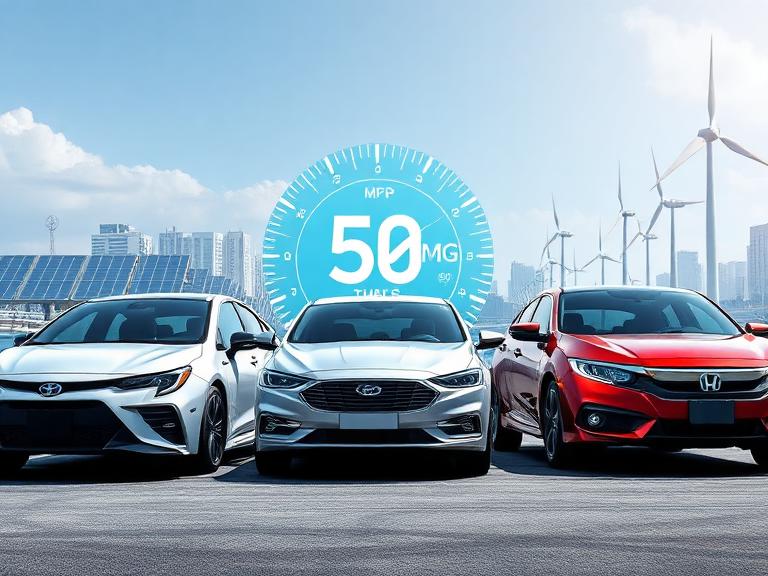
As fuel prices continue to fluctuate and environmental concerns grow, finding a car with exceptional gas mileage is more important than ever. In 2026, automakers have pushed the boundaries of efficiency, offering a wide range of vehicles—from traditional internal combustion engine (ICE) cars to advanced hybrids and plug-in hybrids (PHEVs)—that deliver impressive fuel economy without sacrificing performance or comfort. This report highlights the best gas mileage cars and SUVs of 2026, based on official EPA ratings, expert reviews, and real-world testing. Whether you’re looking for a compact sedan, a spacious SUV, or a cutting-edge hybrid, this guide will help you make an informed decision.
Why Fuel Efficiency Matters in 2026
Fuel efficiency remains a top priority for car buyers, driven by rising fuel costs, stricter emissions regulations, and a growing awareness of environmental impact. According to the U.S. Environmental Protection Agency (EPA), the most fuel-efficient vehicles not only save money at the pump but also reduce greenhouse gas emissions, making them a smart choice for both your wallet and the planet. In 2026, advancements in hybrid and plug-in hybrid technology have made it possible to achieve over 50 MPG in hybrid mode and up to 127 MPGe in PHEVs, setting new benchmarks for efficiency.
Consumers now have more options than ever, from affordable compact sedans to luxurious SUVs, all designed to maximize miles per gallon (MPG) or miles per gallon equivalent (MPGe). The shift toward electrification has also introduced a new wave of PHEVs that combine the benefits of electric driving with the convenience of a gasoline engine, eliminating range anxiety for daily commuters.
Top Fuel-Efficient Cars of 2026
The 2026 lineup of fuel-efficient cars includes standout models from Toyota, Honda, Hyundai, and Ford, each offering a unique blend of efficiency, technology, and value. Below are the highest-rated cars for gas mileage, based on EPA estimates and expert evaluations:
- 2026 Toyota Prius & Prius PHEV
The Toyota Prius continues to dominate the hybrid market, with the 2026 model achieving up to 50 MPG in hybrid mode and 127 MPGe in PHEV configuration. The Prius PHEV, in particular, is praised for its 31 miles of electric-only range, making it ideal for short commutes and city driving. Its sleek design, advanced safety features, and user-friendly tech make it a top pick for eco-conscious drivers. - 2026 Honda Accord Hybrid
The Honda Accord Hybrid remains a favorite among midsize sedans, offering 48 MPG combined and a spacious, comfortable interior. Experts highlight its refined ride quality, responsive handling, and long list of standard features, making it a well-rounded choice for families and professionals alike. - 2026 Hyundai Elantra Hybrid
The Hyundai Elantra Hybrid stands out for its 50 MPG combined rating and affordable pricing. Its edgy styling, modern infotainment system, and strong warranty coverage add to its appeal, making it one of the best values in the hybrid segment. - 2026 Ford Escape Plug-In Hybrid
Leading the PHEV category, the Ford Escape Plug-In Hybrid delivers 105 MPGe and 41 MPG in hybrid mode. With a 31-mile electric range, it’s perfect for drivers who want to minimize fuel consumption without compromising on space or versatility. - 2026 Toyota Camry Hybrid
The Toyota Camry Hybrid offers 52 MPG combined, making it one of the most efficient midsize sedans. Its reliability, smooth ride, and upscale cabin make it a strong contender for buyers seeking a balance of efficiency and comfort. - 2026 Honda Civic Sedan
For those who prefer a traditional gasoline engine, the Honda Civic Sedan achieves 36 MPG combined, with a reputation for durability and low cost of ownership. Its sporty handling and practical interior further enhance its appeal.
Best Fuel-Efficient SUVs for 2026
SUVs are no longer synonymous with poor fuel economy. In 2026, several models combine spacious interiors with impressive efficiency, thanks to hybrid and PHEV powertrains. Here are the top fuel-efficient SUVs of the year:
- 2026 Toyota RAV4 Hybrid & RAV4 PHEV
The RAV4 Hybrid delivers 40 MPG combined, while the RAV4 PHEV achieves 107 MPGe and 41 MPG in hybrid mode. Its all-wheel-drive capability and rugged design make it a versatile choice for both urban and outdoor adventures. - 2026 Kia Sportage Hybrid
The Kia Sportage Hybrid earns praise for its 43 MPG combined rating and upscale interior. Its quick acceleration and engaging driving dynamics set it apart from competitors, making it a top pick in the compact SUV segment. - 2026 Ford Escape Hybrid
With 42 MPG combined, the Ford Escape Hybrid is a practical and efficient option for families. Its spacious cabin, advanced safety tech, and smooth ride make it a well-rounded choice. - 2026 Toyota Highlander Hybrid
For larger families, the Toyota Highlander Hybrid offers 36 MPG combined and a three-row seating configuration. Its quiet cabin and long list of standard features make it a standout in the midsize SUV category. - 2026 Lexus NX Hybrid
The Lexus NX Hybrid combines luxury with efficiency, achieving 39 MPG combined. Its premium materials, advanced tech, and comfortable ride make it a compelling option for buyers seeking a high-end hybrid SUV.
Hybrid vs. Plug-In Hybrid: Which Is Right for You?
Choosing between a hybrid and a plug-in hybrid depends on your driving habits and access to charging. Hybrids are ideal for drivers who want improved fuel economy without the need for external charging. They seamlessly switch between gasoline and electric power, making them a hassle-free option for long-distance travel.
Plug-in hybrids (PHEVs), on the other hand, offer the best of both worlds: electric-only driving for short trips and gasoline power for longer journeys. However, they require regular charging to maximize efficiency and are typically more expensive upfront. For drivers with short commutes and easy access to charging stations, a PHEV can significantly reduce fuel costs and emissions.
Current Market Prices and Deals
Pricing for the most fuel-efficient cars and SUVs of 2026 varies widely, depending on the model and trim level. Below is a general overview of starting prices:
- Toyota Prius: Starts at $28,000 (hybrid) and $33,000 (PHEV).
- Honda Accord Hybrid: Starts at $32,000.
- Hyundai Elantra Hybrid: Starts at $25,000.
- Ford Escape Plug-In Hybrid: Starts at $35,000.
- Toyota RAV4 Hybrid: Starts at $30,000 (hybrid) and $38,000 (PHEV).
- Kia Sportage Hybrid: Starts at $30,000.
Many automakers also offer incentives, rebates, and low-interest financing to make these efficient vehicles more accessible. Be sure to check for federal, state, and local incentives, which can further reduce the cost of ownership.
Pros and Cons of Fuel-Efficient Vehicles
While fuel-efficient cars and SUVs offer numerous benefits, they also come with trade-offs. Here’s a breakdown of the key advantages and disadvantages:
- Pros:
– Lower fuel costs over time, especially with rising gas prices.
– Reduced emissions, contributing to a cleaner environment.
– Advanced technology, including regenerative braking, adaptive cruise control, and driver-assistance systems.
– Higher resale value, as demand for efficient vehicles continues to grow. - Cons:
– Higher upfront cost, particularly for hybrids and PHEVs.
– Limited electric range in PHEVs, which may not suit all driving needs.
– More complex maintenance, as hybrid and PHEV powertrains require specialized service.
Pro Tips for Maximizing Fuel Efficiency
To get the most out of your fuel-efficient vehicle, follow these expert tips:
- Maintain proper tire pressure to reduce rolling resistance and improve MPG.
- Avoid aggressive driving, as rapid acceleration and hard braking can lower fuel economy.
- Use cruise control on highways to maintain a steady speed and optimize efficiency.
- Keep up with regular maintenance, including oil changes, air filter replacements, and spark plug checks.
- Minimize idling and unnecessary weight in your vehicle, as both can reduce fuel efficiency.
- Plan your routes to avoid traffic and reduce stop-and-go driving, which consumes more fuel.
Frequently Asked Questions
Q: What is the difference between MPG and MPGe?
MPG (miles per gallon) measures the fuel efficiency of gasoline-powered vehicles, while MPGe (miles per gallon equivalent) is used for electric and plug-in hybrid vehicles to compare their efficiency to traditional cars.
Q: Are hybrids more expensive to maintain than gasoline cars?
Hybrids may have higher maintenance costs due to their complex powertrains, but they often require fewer brake replacements thanks to regenerative braking.
Q: Can I charge a PHEV at home?
Yes, most PHEVs come with a charging cable that can be plugged into a standard household outlet. For faster charging, you can install a Level 2 charger at home.
Q: Do hybrids and PHEVs qualify for tax credits?
Many hybrids and PHEVs qualify for federal tax credits, as well as state and local incentives. Check the EPA’s website for the latest information.
Q: How long do hybrid batteries last?
Most hybrid batteries are designed to last 100,000 to 150,000 miles, and many manufacturers offer warranties of 8 to 10 years or more.
Conclusion
The best gas mileage cars and SUVs of 2026 offer a compelling mix of efficiency, technology, and value. Whether you opt for a Toyota Prius, Honda Accord Hybrid, or Ford Escape Plug-In Hybrid, you’ll enjoy significant fuel savings and a reduced environmental footprint. As automakers continue to innovate, the future of fuel-efficient driving looks brighter than ever, with even more advanced hybrids, PHEVs, and electric vehicles on the horizon. By choosing one of these top-rated models, you’ll not only save money at the pump but also contribute to a more sustainable future.