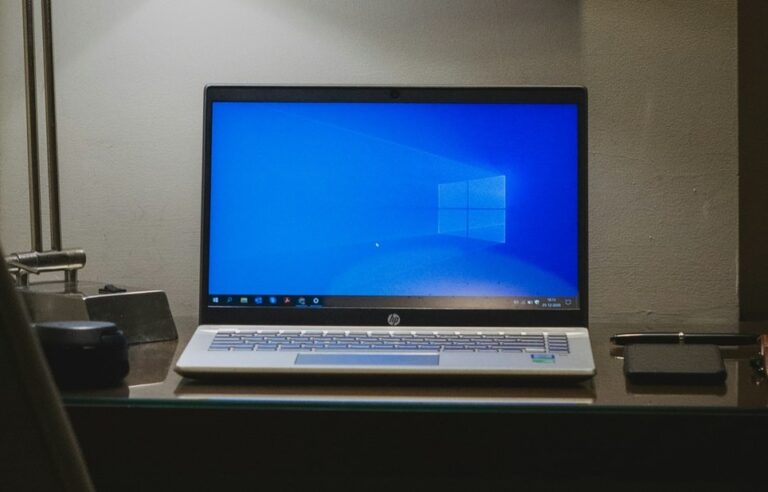
The digital clock is ticking for one of the most popular operating systems in history. Microsoft has officially marked October 14, 2025, as the end of support date for Windows 10, a move that will impact hundreds of millions of users and businesses worldwide. This termination of support signifies a critical juncture, not merely a suggestion to update, but a fundamental shift that carries significant security and operational implications for anyone continuing to use the OS beyond the deadline.
The term “end of support” is often misunderstood. It does not mean that Windows 10 will cease to function on October 15, 2025. Instead, it means Microsoft will no longer provide technical assistance, bug fixes, or, most critically, security updates. This leaves any remaining vulnerabilities unpatched, transforming every connected device into a potential target for cybercriminals. The discontinuation of support for such a widely deployed platform represents one of the most significant cybersecurity events in recent years, demanding proactive planning from all sectors.
Understanding the Implications of End of Support
When an operating system reaches its end-of-life date, the manufacturer ceases its ongoing maintenance program. For Windows 10, this encompasses a complete halt to the public technical support, both paid and free, and the all-important security updates that protect against newly discovered threats. The absence of these updates is the single greatest risk factor for users.
The Critical Nature of Security Updates
Security updates, often released on “Patch Tuesday,” are Microsoft’s response to newly identified vulnerabilities in its software. Cybercriminals actively reverse-engineer these patches to understand the underlying flaws, developing “exploits” to attack systems that have not been updated. Once support ends, no new patches will be released, meaning every vulnerability discovered after October 2025 will remain a permanent open door on Windows 10 machines. This makes them low-hanging fruit for malware, ransomware, and data theft attacks. Connected networks, including corporate and home systems, can also be compromised through an unprotected Windows 10 device, acting as an entry point for a wider breach.
Compatibility and Performance Concerns
Beyond security, the end of support will have a cascading effect on software and hardware compatibility. As time progresses, application developers and hardware manufacturers will increasingly optimize their products for Windows 11 and subsequent versions. New printers, graphics cards, and peripherals may lack drivers for Windows 10. Critical software, especially web browsers like Chrome and Firefox, will eventually drop support, leading to an inability to access modern websites and web applications securely. The user experience will gradually degrade, becoming slower, less secure, and incompatible with the evolving digital ecosystem.
Evaluating Your Upgrade Path to Windows 11
The primary and most recommended path forward is an upgrade to Windows 11. However, this transition is not universally straightforward due to Microsoft’s stricter hardware requirements introduced with the new OS. A successful upgrade hinges on whether existing hardware meets these specifications.
Windows 11 System Requirements: The Hard Floor
Microsoft has established a set of non-negotiable minimum hardware requirements for Windows 11. The most significant hurdles for older PCs are the TPM 2.0 requirement and a supported 8th Gen or newer Intel processor (or AMD Ryzen 2000 series and newer). Many PCs manufactured before 2018 may not meet these criteria.
- Processor: 1 gigahertz (GHz) or faster with 2 or more cores on a compatible 64-bit processor or System on a Chip (SoC). The compatibility list is specific, excluding many 7th Gen Intel and older CPUs.
- RAM: 4 gigabytes (GB) or greater. This is a modest requirement that most modern systems meet, but it is a formal baseline.
- Storage: 64 GB or larger storage device. The upgrade process and subsequent OS operation require significant free space, so a device with limited capacity may need to be addressed.
- Trusted Platform Module (TPM): Version 2.0 is mandatory. This is a dedicated microchip designed to provide hardware-based security functions and is a key differentiator from Windows 10’s more lenient requirements.
- Graphics Card: Compatible with DirectX 12 or later with a WDDM 2.0 driver. This is generally standard for GPUs from the last decade.
How to Check Your PC’s Windows 11 Compatibility
Microsoft provides official, user-friendly tools to determine upgrade eligibility. The most reliable method is to use the “PC Health Check” application, available for free download from the Microsoft website. This tool performs a quick scan of your system and provides a clear report on which requirements are met and which are not. Alternatively, you can manually check your TPM status by pressing Windows + R, typing “tpm.msc”, and reviewing the TPM manufacturer and specification version. Checking your CPU model in System Information will allow you to cross-reference it with Microsoft’s official list of supported processors.
Strategic Options for Individuals and Businesses
The approach to the Windows 10 end-of-life deadline will vary significantly depending on whether you are an individual user, a small business, or a large enterprise. Each scenario presents unique challenges and requires a tailored strategy.
For Individual Users and Home Environments
For most home users, the path is binary: upgrade eligible hardware to Windows 11 or replace the entire device. If your PC meets the requirements, the upgrade process through Windows Update is typically free and designed to preserve files and applications. It is, however, strongly advised to perform a full backup of critical data before initiating the upgrade. For incompatible hardware, purchasing a new PC is the most secure and performance-effective solution. New devices come with a modern warranty, better performance, improved energy efficiency, and a clean installation of Windows 11, ensuring long-term support.
For Small and Medium-Sized Businesses (SMBs)
SMBs must approach this transition with a formal plan. The first step is a comprehensive hardware audit to inventory all devices and their Windows 11 compatibility. This audit will define the budget required for either hardware upgrades or replacements. SMBs should prioritize upgrading or replacing machines used for critical functions or that handle sensitive data. Testing business-critical applications for compatibility with Windows 11 in a controlled environment is essential before a company-wide rollout. Allocating budget for this transition in the 2024 and 2025 fiscal years is a prudent financial step.
For Large Enterprises and Organizations
Enterprise migration is a complex, multi-phase project requiring significant IT resources. Large organizations typically use management tools like Microsoft Endpoint Manager (which includes Intune and Configuration Manager) to orchestrate phased rollouts. They often negotiate volume licensing agreements and may have access to different support timelines. A key part of an enterprise strategy is user communication and training to ensure a smooth transition and minimize productivity loss. For certain legacy systems that cannot be upgraded, enterprises may need to explore isolation strategies, such as removing them from the network or implementing advanced security controls, though these are considered higher-risk mitigations.
Pro Tips for a Seamless Transition
Planning and executing an OS migration can be daunting. Adhering to best practices can streamline the process, reduce risks, and ensure a positive outcome.
- Start Inventory and Planning Immediately: Do not wait until 2025. Begin assessing your hardware and application landscape now. Creating a project timeline with key milestones will prevent a last-minute, costly rush.
- Prioritize Data Backup: Before any major system change, ensure you have a verified, recent backup of all important data. Use the 3-2-1 rule: three copies of your data, on two different media, with one copy stored off-site or in the cloud.
- Test Thoroughly Before Deployment: Never roll out a new OS without testing. For businesses, this means a pilot program with a select group of users. For individuals, consider running Windows 11 on a non-primary machine or in a dual-boot configuration first to familiarize yourself with the new interface.
- Consider a Clean Installation: While an in-place upgrade is convenient, a clean installation of Windows 11 on a new or wiped drive often results in better performance and stability, as it avoids migrating legacy software issues and accumulated digital clutter.
- Address Software Licensing: Ensure you have the necessary licenses for applications you need to reinstall on the new OS. Some older software may require new versions or subscriptions to be compatible with Windows 11.
Frequently Asked Questions
Common questions and concerns arise regarding the Windows 10 end-of-life event. Here are clear, factual answers to the most pressing queries.
What exactly will happen on October 14, 2025? On this date, Microsoft will release its final security update for all editions of Windows 10. After that, no further updates of any kind will be provided. The Windows 10 operating system will continue to run, but it will become increasingly vulnerable to security threats.
Is there any way to get extended security updates for Windows 10? Yes, but primarily for organizations. Microsoft has announced an Extended Security Update (ESU) program for Windows 10, similar to the one offered for Windows 7. This program will be available for a fee, likely on an annual per-device subscription basis, and is primarily targeted at organizations that need extra time to complete their migrations. It is not intended as a long-term solution for individuals or most businesses.
My PC isn’t compatible with Windows 11. What are my options? You have three main options: 1) Continue using Windows 10 at your own risk, with the understanding that it will be unsecure. This is not recommended, especially for devices with internet access. 2) Purchase a new computer that comes with Windows 11. 3) Explore alternative operating systems, such as a Linux distribution, though this may involve a learning curve and software compatibility checks.
Will my current software and files work on Windows 11? In the vast majority of cases, yes. Windows 11 maintains a high degree of compatibility with applications and hardware that work on Windows 10. However, it is always wise to check with the software vendor for specific compatibility statements, especially for older or specialized business applications.
Conclusion
The end of support for Windows 10 is a definitive event with profound and unavoidable consequences for security and compatibility. The October 14, 2025, deadline is not a distant concern but an imminent reality that demands immediate and strategic action from all users, from individuals to global enterprises. The risks of inaction—ranging from catastrophic data breaches to systemic operational failures—are far too significant to ignore. The path forward is clear: a thorough assessment of hardware eligibility, followed by a disciplined and well-planned migration to Windows 11 or the procurement of new, compliant hardware. By treating this transition as a critical IT project rather than a simple update, users and organizations can navigate this change effectively, ensuring they remain secure, supported, and competitive in the digital landscape beyond 2025. Proactivity is the key to turning this mandatory technological evolution into an opportunity for modernization and enhanced security.