
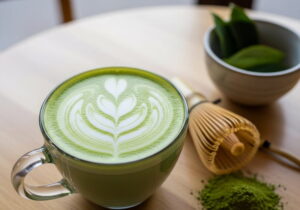
Matcha tea has evolved from a traditional Japanese ceremonial drink into a globally recognized wellness staple. Unlike regular green tea, matcha is made by grinding whole green tea leaves into a fine powder, allowing consumers to ingest the entire leaf and maximize its nutritional value. This unique preparation results in a beverage rich in antioxidants, bioactive compounds, and sustained energy-enhancing properties.
The growing popularity of matcha stems from its scientifically supported health benefits, including improved metabolism, enhanced cognitive performance, cardiovascular protection, and powerful antioxidant activity. Its balanced caffeine content provides a steady boost of alertness without the sharp spikes or crashes associated with coffee.
This comprehensive guide explores the real, research-backed benefits of matcha tea, its nutritional profile, proper preparation techniques, potential side effects, and practical ways to incorporate it into daily routines for optimal wellness.
What Makes Matcha Different From Regular Green Tea
Matcha is produced from shade-grown tea leaves, which increases chlorophyll levels and enhances the concentration of beneficial compounds such as L-theanine and catechins. After harvesting, the leaves are steamed, dried, and finely ground into powder.
Unlike steeped green tea, where leaves are discarded, matcha allows full consumption of the leaf, delivering higher levels of antioxidants, vitamins, minerals, and phytonutrients per serving.
This production method gives matcha its vibrant green color, rich umami flavor, and superior health profile compared to conventional green tea varieties.
Nutritional Profile of Matcha Tea
Matcha contains an impressive concentration of nutrients that contribute to its health-promoting properties. A single serving typically provides catechins, L-theanine, caffeine, fiber, vitamin C, vitamin A, potassium, and trace minerals.
The presence of epigallocatechin gallate (EGCG), a potent antioxidant, plays a major role in cellular protection and metabolic health.
Additionally, matcha contains chlorophyll, which supports detoxification, and polyphenols that contribute to cardiovascular and immune system health.
Proven Health Benefits of Matcha Tea
- High Antioxidant Content: Matcha contains significantly more antioxidants than standard green tea, helping combat oxidative stress, reduce inflammation, and protect cells from damage.
- Supports Heart Health: Regular consumption may help lower LDL cholesterol, improve blood vessel function, and reduce the risk of cardiovascular disease.
- Enhances Brain Function: The combination of caffeine and L-theanine improves focus, memory, reaction time, and mental clarity while reducing anxiety.
- Boosts Metabolism and Fat Burning: Matcha can enhance thermogenesis, helping increase calorie burn and support weight management when paired with a balanced diet.
- Promotes Liver Health: Studies suggest matcha may help protect liver cells and reduce the risk of liver damage.
- Strengthens Immune Function: Its polyphenols and catechins may support immune defense against bacteria and viruses.
- Supports Blood Sugar Regulation: Matcha may help improve insulin sensitivity and reduce blood sugar spikes.
Matcha and Sustainable Energy Without Jitters
One of matcha’s most valued benefits is its ability to deliver long-lasting energy. Unlike coffee, which can cause rapid spikes in caffeine levels, matcha releases caffeine gradually due to its L-theanine content.
This results in steady alertness, improved concentration, and reduced risk of energy crashes or nervousness.
The calming effect of L-theanine also promotes relaxation while maintaining mental clarity, making matcha ideal for students, professionals, and individuals seeking balanced energy.
Matcha’s Role in Weight Management and Metabolic Health
Matcha has been shown to support fat oxidation and increase calorie expenditure during exercise. Its catechins help activate thermogenesis, a process in which the body burns calories to produce heat.
Regular consumption, combined with physical activity and proper nutrition, may contribute to healthy weight management and improved metabolic efficiency.
Matcha can also help reduce cravings and support appetite regulation when incorporated into a structured wellness routine.
Detoxification and Skin Health Benefits
The chlorophyll content in matcha assists in detoxifying heavy metals and environmental toxins from the body. This cleansing effect contributes to improved organ function and overall vitality.
Antioxidants in matcha also help protect skin cells from premature aging, UV damage, and environmental stressors.
Regular consumption may promote clearer skin, improved elasticity, and a healthier complexion.
How to Prepare Matcha Tea Properly
Preparing matcha correctly ensures optimal flavor and nutrient retention. Traditional preparation involves sifting matcha powder, adding warm water, and whisking until frothy.
Water temperature should be warm but not boiling to preserve antioxidants and prevent bitterness.
Matcha can also be used in lattes, smoothies, baked goods, and culinary recipes, making it a versatile addition to both beverages and meals.
Recommended Daily Intake and Safety Considerations
Most health experts recommend consuming one to two servings of matcha per day. While matcha is generally safe, excessive intake may lead to caffeine sensitivity in some individuals.
Pregnant individuals, those with caffeine sensitivity, or individuals on specific medications should consult healthcare professionals before increasing consumption.
Choosing high-quality, organic matcha reduces the risk of pesticide exposure and ensures maximum nutritional benefits.
Pro Tips for Maximizing Matcha Benefits
- Choose ceremonial-grade matcha: Higher quality matcha contains more antioxidants, better flavor, and fewer contaminants.
- Use warm, not boiling water: Excess heat can degrade nutrients and create bitterness.
- Pair matcha with healthy fats: Adding milk or coconut oil can enhance nutrient absorption.
- Consume earlier in the day: Matcha’s caffeine content may disrupt sleep if consumed late.
- Store properly: Keep matcha in an airtight container away from light and heat to preserve freshness.
- Combine with balanced nutrition: Matcha works best as part of a holistic health routine.
Frequently Asked Questions
- Is matcha healthier than coffee? Matcha provides caffeine with calming L-theanine and higher antioxidant content, making it a gentler energy source.
- Can matcha help with weight loss? It may support fat burning and metabolism when combined with exercise and proper nutrition.
- Does matcha detox the body? Its chlorophyll and antioxidants assist natural detoxification processes.
- How much caffeine does matcha contain? A serving typically contains less caffeine than coffee but more than standard green tea.
- Can matcha improve focus? Yes, the synergy of caffeine and L-theanine enhances concentration and mental clarity.
- Is matcha safe for daily consumption? In moderate amounts, matcha is safe for most individuals.
Conclusion
Matcha tea stands out as one of the most nutrient-dense and health-promoting beverages available today. Its unique production process allows full consumption of the tea leaf, delivering superior antioxidant levels, sustained energy, metabolic support, cardiovascular benefits, and cognitive enhancement. With proper preparation, moderate intake, and high-quality sourcing, matcha can serve as a powerful addition to a balanced lifestyle, supporting long-term wellness, mental clarity, and overall vitality.