

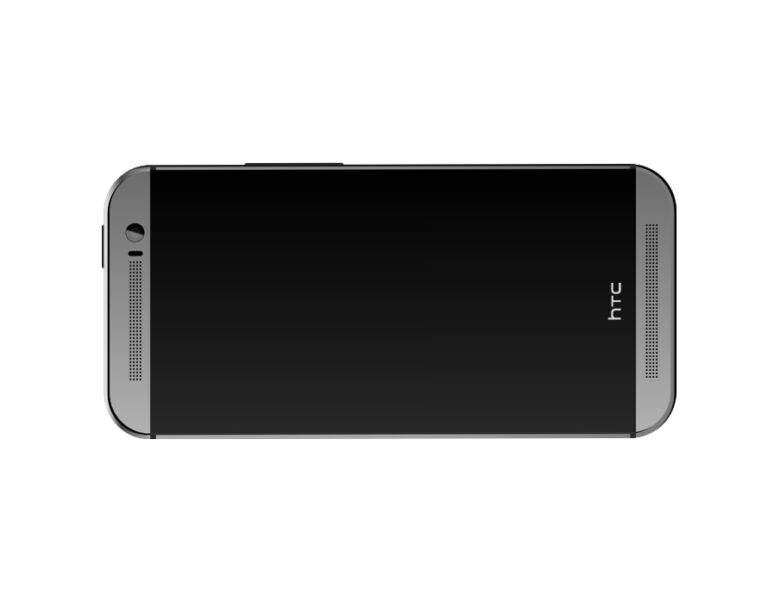
Understanding HTC’s Current Position in the Smartphone Market
HTC Corporation, once a dominant force in the smartphone industry, has undergone significant transformation over the past decade. Founded in 1997 as a laptop manufacturer in Taiwan, the company quickly pivoted to mobile devices and made history in 2008 by launching the HTC Dream, the world’s first commercial Android smartphone. This pioneering device established HTC as an innovative leader in the emerging smartphone ecosystem. Throughout the early 2010s, HTC produced critically acclaimed devices that competed directly with industry giants, earning recognition for build quality, camera technology, and audio innovation. However, increased competition and strategic challenges led to declining market share, forcing the company to reassess its position and target specific market segments rather than competing across all price points.
Today in 2025, HTC maintains a presence in the smartphone market through a more focused approach, concentrating on select regions and price categories. The company partners with authorized manufacturers like Shenzhen Brands World Technology Co., Ltd. to develop and produce devices in the Wildfire series and other product lines. This manufacturing arrangement allows HTC to continue offering smartphones without maintaining the extensive infrastructure required for global-scale production. The current HTC lineup spans from ultra-budget devices priced under one hundred dollars to mid-range offerings that compete with established brands in specific markets, particularly in Asia and parts of Europe.
The brand’s strategy emphasizes value propositions for budget-conscious consumers while incorporating select premium features typically found in more expensive devices. Recent releases demonstrate HTC’s commitment to providing large displays, adequate battery capacity, and multi-camera systems across various price points. The company has also embraced emerging technologies like virtual reality integration, leveraging its expertise in VR hardware through products like the VIVE XR Elite headset. This cross-platform approach allows HTC smartphones to function as complementary devices within a broader ecosystem of entertainment and productivity tools.
Understanding HTC’s current market position provides essential context for evaluating their smartphone offerings. Unlike mass-market manufacturers producing dozens of models annually, HTC releases fewer devices with longer product cycles, focusing on refinement rather than constant iteration. This approach results in well-considered products that balance features against price constraints, appealing to consumers who prioritize specific capabilities over brand prestige or bleeding-edge specifications. The following comprehensive guide examines the best HTC phones available in 2025, providing detailed specifications, pricing information, and analysis to help potential buyers make informed decisions.
HTC U24 Pro: The Flagship Mid-Range Contender
The HTC U24 Pro represents the company’s most ambitious smartphone offering in 2025, positioned as a mid-range flagship that challenges established competitors through a combination of premium features and competitive pricing. Released officially in July 2024 and widely available throughout 2025, this device showcases HTC’s current design philosophy and technological capabilities. The U24 Pro targets consumers seeking flagship experiences without premium pricing, offering specifications that rival devices costing significantly more from mainstream manufacturers.
The device features a substantial 6.8-inch OLED display with Full HD Plus resolution at 1080 by 2436 pixels, delivering vibrant colors and deep blacks characteristic of OLED technology. The screen incorporates a smooth 120Hz refresh rate, ensuring fluid animations and responsive touch interactions during gaming, scrolling, and general navigation. Corning Gorilla Glass protects the display from scratches and minor impacts, though the specific version remains unspecified in official documentation. The large screen size positions the U24 Pro as a multimedia consumption device, ideal for streaming video content, gaming, and productivity tasks requiring substantial screen real estate.
Powering the HTC U24 Pro is the Qualcomm Snapdragon 7 Gen 3 processor, built on a four-nanometer manufacturing process that balances performance with power efficiency. This chipset represents Qualcomm’s mid-range offering for 2024, providing capabilities that handle demanding applications, multitasking, and moderate gaming without the heat generation and battery drain associated with flagship processors. The octa-core CPU configuration delivers adequate processing power for everyday tasks while maintaining reasonable power consumption. Graphics rendering falls to the integrated Adreno GPU, which handles mobile gaming at medium to high settings for most current titles.
Memory configurations include 12GB of RAM paired with either 256GB or 512GB of internal storage, providing ample space for applications, media files, and documents. The generous RAM allocation ensures smooth multitasking with multiple applications running simultaneously without performance degradation. Storage expansion remains possible through microSD cards up to one terabyte, though the card slot shares space with the second SIM card slot, requiring users to choose between dual SIM functionality and expanded storage. This shared slot design represents a common compromise in mid-range devices where internal space limitations prevent dedicated expansion slots.
Camera System and Imaging Capabilities
The camera system on the HTC U24 Pro emphasizes versatility through a triple rear camera configuration. The primary sensor utilizes a 50-megapixel wide-angle lens with an f/1.8 aperture, allowing substantial light capture for improved low-light photography. Optical image stabilization helps reduce blur from hand movement during photography and video recording. The secondary eight-megapixel telephoto lens provides two-times optical zoom, enabling closer framing of distant subjects without the quality degradation associated with digital zoom. The third 50-megapixel camera remains somewhat ambiguous in official specifications, potentially serving as an ultra-wide or macro lens depending on regional variants.
The front-facing camera incorporates a 50-megapixel sensor, an unusually high resolution for selfie cameras that enables detailed self-portraits and high-quality video calling. This specification suggests HTC’s recognition of front camera importance for social media content creation and communication applications. Both front and rear cameras support 4K video recording at 30 frames per second, providing professional-quality video capture capabilities. AI-driven photo enhancement features process images to optimize exposure, color balance, and detail preservation, though the extent and effectiveness of these computational photography features vary based on shooting conditions.
Additional camera features include LED flash, panorama mode, and HDR capture for high-contrast scenes. The camera application provides manual controls for photography enthusiasts who prefer adjusting settings like ISO, shutter speed, and white balance. Night mode enhances low-light photography through multi-frame capture and processing, though performance depends heavily on scene lighting and subject motion. The imaging system positions the U24 Pro competitively against mid-range offerings from established manufacturers, though it cannot match the computational photography capabilities of flagship devices with dedicated image processing hardware.
Battery Life, Charging, and Additional Features
The HTC U24 Pro houses a 4,600mAh battery, providing full-day usage for most users under typical conditions including web browsing, social media, video streaming, and messaging. The large OLED display and relatively efficient processor contribute to reasonable power consumption, though intensive gaming or continuous camera use accelerates battery depletion. The device supports 60-watt wired fast charging, enabling rapid battery replenishment when needed. Additionally, the U24 Pro includes wireless charging capabilities, a premium feature often absent from mid-range devices that adds convenience for users with compatible charging pads.
Connectivity options encompass 5G network support across multiple bands, ensuring compatibility with current and emerging cellular networks globally. WiFi 6E provides fast wireless internet connectivity with reduced latency compared to previous WiFi standards. Bluetooth 5.3 enables wireless audio streaming and peripheral connections. The device retains a 3.5mm headphone jack, an increasingly rare feature that appeals to users with wired headphones or audio equipment. USB Type-C handles charging and data transfer, supporting USB On-The-Go functionality for connecting external storage and accessories.
Security features include an in-display fingerprint sensor for biometric authentication, providing quick unlocking while maintaining screen-to-body ratio. Face unlock offers an alternative authentication method using the front camera. The device carries an IP67 rating for dust and water resistance, protecting against temporary immersion in water up to one meter deep for 30 minutes. This protection level provides peace of mind for everyday spills and rain exposure, though users should avoid prolonged water contact or submersion beyond rated depths.
Pricing and Market Positioning
The HTC U24 Pro carries pricing between 550 and 661 dollars depending on regional market, storage configuration, and retailer. The European market sees pricing around 564 euros, while Asian markets including Taiwan list the device at approximately 18,990 Taiwan dollars. This pricing positions the U24 Pro against competitors like mid-range offerings from Samsung, Motorola, and OnePlus, requiring consumers to compare specifications, brand preferences, and regional availability when making purchase decisions. The device offers competitive value for consumers prioritizing display quality, camera versatility, and battery capacity over brand recognition or specific feature sets.
The U24 Pro demonstrates HTC’s attempt to carve a niche in the crowded mid-range segment through differentiation factors including the retained headphone jack, VR headset compatibility, and emphasis on multimedia capabilities. However, the device faces significant competition from established manufacturers with stronger retail presence, broader marketing budgets, and more extensive service networks. Potential buyers should consider local availability, warranty support, and software update commitments when evaluating whether the U24 Pro represents their optimal choice within similar price brackets.
HTC Wildfire E5 Plus: Ultra-Budget Smartphone
The HTC Wildfire E5 Plus occupies the opposite end of HTC’s product spectrum, targeting extreme value-conscious consumers in emerging markets where affordability determines purchase decisions more than specifications or features. Released in March 2025, this device carries pricing around 90 to 105 dollars, making it one of the most affordable smartphones from any recognized brand. At this price point, compromises become necessary across virtually all specifications, yet the Wildfire E5 Plus attempts to deliver a functional smartphone experience with essential features intact.
The device employs a 6.75-inch IPS LCD display with HD Plus resolution at 720 by 1600 pixels, resulting in approximately 260 pixels per inch. While this pixel density falls below flagship standards, it remains adequate for general usage including text reading, web browsing, and video consumption at moderate viewing distances. The screen incorporates a 90Hz refresh rate, a feature typically absent from ultra-budget devices that significantly improves perceived smoothness during scrolling and animations. This specification represents a key differentiator at this price point, providing a more premium feel than the 60Hz displays common in competing budget offerings.
Build quality reflects the budget positioning, with a glass front protected by unspecified strengthened glass paired with a plastic back and frame. The plastic construction reduces manufacturing costs while maintaining reasonable durability for everyday use, though premium aesthetics and premium feel remain sacrificed. The device weighs 218 grams and measures 168.4 by 77.9 by 9.5 millimeters, making it noticeably thick and heavy compared to more expensive smartphones. These dimensions result from the large battery and cost-effective component packaging rather than premium materials or advanced engineering.
Performance and Hardware Specifications
The Unisoc T606 chipset powers the Wildfire E5 Plus, representing entry-level silicon built on a 12-nanometer process. This processor features an octa-core CPU configuration with two Cortex-A75 cores at 1.6GHz and six Cortex-A55 cores also at 1.6GHz, providing basic computing capabilities for essential smartphone functions. The Mali-G57 MP1 GPU handles graphics rendering, adequate for simple games and video playback but struggling with graphically intensive applications or demanding games. Users should set appropriate expectations for performance at this price level, understanding that flagship-level speed and responsiveness remain impossible.
Memory allocation includes 6GB of RAM, a respectable amount for a budget device that enables reasonable multitasking with several applications active simultaneously. The 128GB of internal storage provides adequate space for applications, photos, music, and documents for users with moderate storage needs. Storage expansion through microSD cards allows users to add capacity as needed, though the shared SIM slot forces a choice between dual SIM functionality and expanded storage. This compromise repeats across HTC’s lineup, reflecting cost and space constraints in device design.
The camera system prioritizes practicality over ambition, featuring a dual rear camera setup with a 50-megapixel main sensor accompanied by a two-megapixel depth sensor. The high-resolution main camera enables detailed photography in good lighting conditions, though low-light performance suffers due to the smaller sensor size and limited computational processing. The depth sensor assists with portrait mode photography, creating background blur effects to isolate subjects. The 16-megapixel front camera handles selfies and video calls with adequate quality for social media sharing and communication applications.
Video recording reaches 1080p resolution at 30 frames per second for both front and rear cameras, providing acceptable quality for casual video capture though lacking the 4K capabilities of premium devices. The camera application includes basic features like HDR, panorama, and various shooting modes, though manual controls and advanced computational photography features remain absent. Photography enthusiasts seeking extensive control or cutting-edge imaging capabilities should look elsewhere, but casual users find the camera system sufficient for everyday documentation and social sharing.
Battery, Connectivity, and Value Proposition
A substantial 5,000mAh battery represents one of the Wildfire E5 Plus’s standout features, providing extended usage between charges that often exceeds two days under light to moderate usage patterns. The combination of the efficient processor, lower-resolution display, and large battery capacity creates excellent endurance that outperforms many more expensive devices. Charging occurs through the USB Type-C port, though charging speeds remain unspecified and likely fall in the 10 to 18-watt range typical for budget devices. Users should expect charging times of two to three hours for complete battery replenishment.
Connectivity includes 4G LTE network support across multiple bands, though 5G capability remains absent due to cost constraints. For most users in regions where 5G coverage remains limited or where data usage patterns don’t demand highest speeds, 4G connectivity proves entirely adequate. WiFi supports dual-band operation for flexible network connection, while Bluetooth 5.0 enables wireless audio and peripheral pairing. The retained 3.5mm headphone jack provides wired audio options without requiring adapters, a practical inclusion for budget-conscious users with existing headphones.
Security features include a side-mounted fingerprint sensor integrated into the power button, offering convenient biometric authentication without increasing device cost through in-display sensor technology. Additional sensors include accelerometer, proximity sensor, and compass, covering essential smartphone functionality requirements. The device runs Android 14 out of the box, providing a current operating system with security patches and features, though long-term software support and major Android version updates remain uncertain given HTC’s limited resources for software development and maintenance.
Target Market and Purchase Considerations
The Wildfire E5 Plus targets specific consumer segments including first-time smartphone buyers, users in developing markets with limited budgets, backup device purchasers, and individuals prioritizing battery life over performance or features. The ultra-low price point makes smartphone ownership accessible to populations previously priced out of the market, while the functional feature set ensures basic smartphone capabilities remain intact. The device debuted in Vietnam with plans for distribution across Southeast Asian markets where price sensitivity drives purchase decisions more than brand prestige or cutting-edge specifications.
Potential buyers should carefully consider their needs and usage patterns before purchasing such an entry-level device. The Wildfire E5 Plus handles basic smartphone functions including calling, messaging, web browsing, social media, and photography adequately, but struggles with demanding applications, intensive multitasking, or graphics-heavy gaming. Users requiring strong performance, excellent cameras, or extensive software features should invest in mid-range or flagship devices despite higher costs. However, for consumers operating within strict budget constraints or seeking maximum battery life, the Wildfire E5 Plus represents remarkable value for its 90-dollar price point.
HTC U23 Pro: The Previous Generation Alternative
The HTC U23 Pro, announced in May 2023 and available throughout 2024 and into 2025, represents the predecessor to the U24 Pro and remains available in some markets at potentially reduced pricing. This device shares many characteristics with its successor while incorporating slightly different specification choices that may appeal to certain users or provide cost savings opportunities. Understanding the U23 Pro’s capabilities helps consumers determine whether the newer U24 Pro justifies its premium or whether the previous generation satisfies their requirements at lower cost.
The device features a 6.7-inch OLED display with Full HD Plus resolution and 120Hz refresh rate, specifications nearly identical to the U24 Pro but in a slightly smaller form factor. The screen benefits from Corning Gorilla Glass Victus protection, offering superior scratch and impact resistance compared to standard Gorilla Glass variants. The marginally smaller display may appeal to users preferring more compact devices that remain easier to handle with one hand and fit more comfortably in pockets, though the difference of 0.1 inches remains barely noticeable in practical usage.
The Qualcomm Snapdragon 7 Gen 1 chipset powers the U23 Pro, representing the previous generation of Qualcomm’s mid-range silicon built on a four-nanometer process. While slightly older than the Gen 3 processor in the U24 Pro, the Gen 1 chipset remains highly capable for everyday tasks, gaming, and multitasking. Performance differences between the two generations prove minimal in real-world usage for most applications, with the newer Gen 3 showing advantages primarily in sustained performance, improved efficiency, and enhanced AI processing capabilities. Memory configuration includes 12GB of RAM with 256GB of storage, matching the base U24 Pro specification.
Camera and Additional Features
The camera system on the U23 Pro comprises a triple rear setup with a 108-megapixel main sensor, a 12-megapixel ultra-wide camera, and a five-megapixel macro lens. The ultra-high-resolution main sensor enables detailed photography with substantial cropping flexibility, though pixel binning combines multiple pixels for improved light gathering in most shooting scenarios. The ultra-wide camera captures expansive scenes including landscapes, architecture, and group photos, while the macro lens enables extreme close-up photography of small subjects. The 32-megapixel front camera handles selfies and video calls with resolution slightly lower than the U24 Pro’s 50-megapixel unit.
Battery capacity matches the U24 Pro at 4,600mAh with support for 30-watt wired charging, though wireless charging capabilities remain absent from the U23 Pro. This omission represents one of the key differentiators between the two models, potentially influencing purchase decisions for users who value wireless charging convenience. Other specifications including 5G connectivity, WiFi 6, Bluetooth 5.2, USB Type-C, and IP67 water resistance carry over with minor version differences that prove inconsequential for most users.
Pricing for the U23 Pro varies significantly based on remaining inventory and regional availability, with street prices potentially 100 to 200 dollars below the U24 Pro depending on market conditions and retailer closeout efforts. This price differential may justify purchasing the previous generation for cost-conscious consumers who don’t require the latest specifications or wireless charging capabilities. However, buyers should verify warranty coverage, software update commitments, and spare parts availability for older models before purchasing, as manufacturer support may wind down as devices age beyond their initial sales period.
HTC U12 Life: Budget-Friendly Older Model
The HTC U12 Life, originally released in 2018, occasionally remains available through third-party sellers, refurbished device markets, and specific regional retailers with old stock. While this device represents outdated technology by 2025 standards, its availability at deeply discounted prices potentially appeals to extremely budget-conscious consumers or those seeking basic Android devices for specific purposes like dedicated navigation devices, media players, or backup phones. Understanding the U12 Life’s limitations proves essential before considering purchase.
The device features a six-inch display with Full HD Plus resolution at 1080 by 2160 pixels in an 18 to 9 aspect ratio. The IPS LCD panel delivers adequate color reproduction and viewing angles typical of mid-2010s smartphone displays. The screen lacks high refresh rates, HDR support, or other modern display technologies that improve visual experience. The large screen size for its era makes the device suitable for media consumption and web browsing, though users accustomed to modern displays will notice differences in brightness, color accuracy, and responsiveness.
The Qualcomm Snapdragon 636 processor powering the U12 Life represents mid-range silicon from 2017, built on a 14-nanometer process. This octa-core chipset handled demanding applications adequately when new but struggles with modern resource-intensive applications, games, and multitasking scenarios. Users should expect sluggish performance, longer application loading times, and occasional stuttering during intensive usage. Memory configurations include four or six gigabytes of RAM paired with 64 or 128 gigabytes of storage depending on variant, with expandable storage through microSD cards.
Camera and Practical Considerations
The dual rear camera system incorporates a 16-megapixel main sensor with an f/2.0 aperture and a five-megapixel depth sensor for portrait mode effects. Photography capabilities prove basic by modern standards, with limited dynamic range, slow autofocus, and poor low-light performance compared to contemporary devices. The 13-megapixel front camera handles selfies and video calls with quality adequate for its era but noticeably inferior to current budget devices. Video recording maxes out at 1080p resolution at 30 frames per second for both cameras.
The 3,600mAh battery provided full-day usage when the device launched but may show degraded capacity after years of use, particularly in refurbished or used units. Charging occurs through USB Type-C with support for basic fast charging, though speeds remain slow compared to modern standards. The device includes a rear-mounted fingerprint sensor for biometric security, a 3.5mm headphone jack, and support for 4G LTE networks across multiple bands.
Software represents the most significant concern with the U12 Life in 2025. The device launched with Android 8.1 Oreo and received updates to Android 9 Pie, but no further major Android version updates occurred. This means the device runs significantly outdated software lacking modern security patches, privacy features, and application compatibility. Many current applications require newer Android versions, limiting functionality. Users considering the U12 Life should understand these software limitations and potential security vulnerabilities before purchasing, regardless of attractive pricing.
Comparing HTC’s Current Lineup Against Competitors
Understanding how HTC’s smartphones compare against competitor offerings helps potential buyers make informed decisions about whether HTC devices represent their optimal choice or whether alternative brands provide better value, features, or long-term support. The smartphone market in 2025 features intense competition across all price segments, with established manufacturers and emerging brands constantly improving specifications while maintaining or reducing pricing.
In the mid-range segment where the HTC U24 Pro competes, devices from Samsung, Motorola, OnePlus, and Google offer comparable or superior specifications at similar price points. Samsung’s Galaxy A series provides strong cameras, guaranteed software updates, and extensive retail availability. Motorola emphasizes clean Android experiences with minimal bloatware and competitive pricing. OnePlus focuses on performance and fast charging capabilities. Google’s Pixel A series delivers exceptional computational photography and guaranteed multi-year software support. Each manufacturer brings different strengths, requiring consumers to prioritize which features matter most for their usage patterns.
The HTC U24 Pro differentiates through several factors including the retained headphone jack becoming increasingly rare in mid-range devices, VR headset compatibility for users invested in HTC’s VIVE ecosystem, and emphasis on multimedia capabilities with the large high-refresh OLED display. However, HTC’s limited market presence means reduced retail availability, fewer accessory options, uncertain long-term software support, and potentially limited service center access depending on region. These practical considerations often outweigh pure specification comparisons when determining overall device value and ownership experience.
Budget Segment Competition
The ultra-budget segment where the Wildfire E5 Plus operates sees fierce competition from Chinese manufacturers including Xiaomi, Realme, Infinix, and Tecno, all producing smartphones in similar price ranges with comparable or superior specifications. These manufacturers leverage massive production scales to offer impressive value propositions, often including features like faster charging, better cameras, or more powerful processors at equivalent pricing. Regional brand preferences, distribution networks, and after-sales service significantly influence purchase decisions in price-sensitive markets.
HTC’s primary advantages in budget segments stem from brand recognition and perceived quality, though these factors carry diminishing weight as Chinese manufacturers establish reputations for reliability and value. The Wildfire E5 Plus competes primarily through its large battery capacity, 90Hz display, and adequate specifications for basic smartphone functions. However, consumers shopping at this price level should extensively research available options within their specific market, as regional availability, local pricing, and carrier partnerships often create significant variations in actual value propositions beyond pure specification sheets.
Software experience and update commitments represent critical factors often overlooked during initial purchase decisions. HTC’s track record with software updates for budget devices remains inconsistent, with security patches arriving irregularly and major Android version updates uncertain. Competitors like Samsung and Motorola provide clearer update commitments even for budget offerings, potentially extending device usability and security over longer periods. Xiaomi’s MIUI and Realme’s Realme UI offer extensive customization options, though some users prefer stock Android experiences with minimal interface modifications.
Key Considerations When Purchasing HTC Smartphones
Potential HTC smartphone buyers should carefully evaluate several factors beyond specifications and pricing when making purchase decisions. These considerations significantly impact long-term satisfaction and device usability, potentially outweighing pure hardware capabilities or initial cost savings. Understanding these factors helps consumers make informed choices aligned with their priorities and usage requirements.
Software update commitments represent a critical consideration given HTC’s reduced market presence and limited resources for software development. The company provides irregular communication about update plans, making it difficult for consumers to assess whether devices will receive timely security patches or major Android version updates. This uncertainty contrasts with manufacturers like Samsung and Google that publish clear update policies specifying support durations. Consumers prioritizing long-term security and access to new Android features should carefully research HTC’s update history and realistic expectations before purchasing.
Retail availability and purchasing channels significantly affect the buying experience and post-purchase support. HTC devices often lack presence in major electronics retail chains, forcing consumers to purchase through online marketplaces, specialized importers, or direct from manufacturer websites when available. This limited distribution creates potential issues including longer delivery times, higher shipping costs, import duties for international purchases, limited hands-on evaluation opportunities before buying, and complications with warranty claims or returns. Consumers should verify purchasing options in their specific region and understand associated risks before committing to HTC devices.
Service and Support Infrastructure
After-sales service and repair support vary dramatically by region for HTC products. Some markets maintain authorized service centers providing genuine parts and trained technicians, while others lack any official support infrastructure, forcing users to rely on third-party repair shops with potentially limited expertise and non-genuine replacement components. The decreasing global market share means diminishing parts availability over time, potentially complicating repairs for devices more than two years old. Prospective buyers should research service center locations, parts availability, and typical repair costs in their area before purchasing HTC smartphones.
Accessory ecosystems also suffer from limited availability for HTC devices. Popular accessories like cases, screen protectors, and mounting systems often remain unavailable from mainstream retailers, requiring purchases through specialized online sellers with longer shipping times and potentially higher costs. This contrasts sharply with major manufacturers whose devices spawn extensive accessory markets with diverse options at competitive prices. Users who value accessory selection and availability should factor this limitation into purchase decisions, potentially incurring additional costs and inconvenience sourcing necessary protective gear or functional accessories.
Community support and online resources vary based on device popularity and market presence. HTC’s diminished market share means smaller user communities, fewer online tutorials, limited third-party ROM development, and reduced troubleshooting resources compared to popular devices from major manufacturers. Technical users who value extensive online documentation, active forums, and vibrant development communities may find HTC devices limiting. Conversely, users seeking straightforward experiences without extensive customization won’t notice these limitations significantly.
Future Outlook for HTC Smartphones
HTC’s smartphone future remains uncertain as the company continues adapting to its reduced market position while attempting to maintain relevance in select segments. The current strategy emphasizing niche markets, specific price points, and integration with HTC’s VR ecosystem represents a pragmatic approach to sustainability given resource constraints and intense competition. However, long-term viability depends on successfully differentiating products, securing reliable distribution channels, and maintaining quality standards that justify brand premiums over commodity competitors.
The company’s partnership with authorized manufacturers for production and distribution allows continued smartphone offerings without massive capital investments in manufacturing infrastructure or extensive marketing campaigns. This asset-light approach reduces financial risk while maintaining smartphone presence, though it also limits control over quality, production volumes, and market responsiveness. Success hinges on selecting manufacturing partners with adequate capabilities and aligning incentives to maintain HTC’s reputation for quality despite cost pressures inherent in competitive smartphone markets.
Technology trends including artificial intelligence integration, advanced computational photography, foldable displays, and satellite connectivity represent opportunities and challenges for HTC. Limited resources prevent competing across all technological frontiers simultaneously, requiring strategic choices about which innovations to pursue and which to defer. The company’s VR expertise suggests potential advantages in spatial computing and AR-enhanced smartphones as those technologies mature, though current implementations remain limited to accessory compatibility rather than integrated experiences.
Market Viability and Consumer Implications
Consumers considering HTC smartphones should understand the company’s uncertain future when making purchase decisions, particularly regarding long-term support expectations. While HTC maintains operations and continues releasing new devices, reduced scale impacts software development resources, parts inventory management, service infrastructure maintenance, and retail relationships. These practical factors affect ownership experiences potentially more than specifications or initial pricing, particularly for users keeping devices beyond two-year upgrade cycles.
Alternative approaches for consumers interested in HTC devices include waiting for price reductions on recent models as inventory ages, purchasing through channels offering extended warranty coverage to mitigate support risks, focusing on specifications with strong third-party support like standard USB-C charging and common camera modules, and maintaining realistic expectations about update frequency and feature additions through software improvements.
Conclusion: Evaluating HTC’s 2025 Smartphone Portfolio
HTC’s smartphone lineup in 2025 reflects a company adapting to dramatically changed circumstances while attempting to maintain relevance through focused strategies targeting specific market segments. The range spanning from the ultra-budget Wildfire E5 Plus to the mid-range U24 Pro demonstrates capability to deliver functional devices across price points, though each product faces intense competition from manufacturers with stronger market positions and more extensive resources.
The HTC U24 Pro represents the company’s flagship effort, delivering competitive mid-range specifications including a large 120Hz OLED display, capable Snapdragon 7 Gen 3 processor, versatile camera system, and premium features like wireless charging and IP67 water resistance. Pricing between 550 and 661 dollars positions it against strong competitors, requiring consumers to weigh HTC’s offerings against alternatives with potentially superior cameras, guaranteed software support, or better retail availability. The device succeeds in providing solid hardware but struggles with differentiation in a crowded market segment.
The Wildfire E5 Plus targets extreme budget consciousness with pricing around 90 to 105 dollars, delivering essential smartphone functionality through an adequate processor, large battery, reasonable display, and basic camera system. This device competes primarily in developing markets where affordability determines purchase decisions more than features or brand prestige. The value proposition proves compelling for first-time smartphone buyers or users with minimal performance requirements, though compromises across specifications remain unavoidable at this price point.
Older models like the U23 Pro and U12 Life remain available through various channels at reduced pricing, potentially offering cost savings for consumers willing to accept previous-generation technology or outdated software. However, buyers should carefully evaluate whether modest price reductions justify accepting older specifications, uncertain software support, and potentially limited parts availability for repairs or accessories.
Ultimately, HTC smartphones in 2025 serve specific audiences rather than mainstream markets. Consumers prioritizing particular features like headphone jacks, VR compatibility, or specific price points may find HTC offerings attractive. However, most buyers will likely find superior value, features, or long-term support from manufacturers with stronger market presence and more extensive resources. Prospective HTC customers should thoroughly research alternatives within their budget and region, verify local service availability, and maintain realistic expectations about software support and accessory ecosystems before committing to purchase. The company’s smartphones deliver functional experiences with adequate specifications at competitive pricing, but practical considerations around support and availability often outweigh pure specification comparisons in determining optimal purchase decisions.




![How to Fix Not Registered on Network Error on Samsung Galaxy [2026 Solutions]](https://smartupworld.com/wp-content/uploads/2024/06/how-to-fix-not-registered-on-network-error-on-samsung-galaxy-200x200.jpg "How to Fix Not Registered on Network Error on Samsung Galaxy [2026 Solutions] 6")