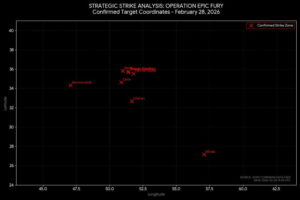
The Middle East has entered a period of unprecedented volatility following a massive, coordinated military campaign launched by Israel and the United States against the Islamic Republic of Iran. On February 28, 2026, air raid sirens pierced the morning quiet in Tehran and other major Iranian cities as a series of powerful explosions signaled the commencement of what the Pentagon has codenamed Operation Epic Fury. This joint offensive, described by Israeli Defense Minister Israel Katz as a preemptive strike to neutralize imminent existential threats, marks a significant escalation in regional hostilities that had been simmering for months. US President Donald Trump confirmed the start of major combat operations, emphasizing that the objective is to dismantle Iran’s missile capabilities, eliminate its nuclear infrastructure, and ultimately facilitate a transition in the country’s governance. The strikes targeted high-value military installations, command centers, and facilities associated with the Iranian Revolutionary Guard Corps (IRGC), with reports suggesting that the compound of Supreme Leader Ayatollah Ali Khamenei was among the primary targets hit during the initial wave of the assault.
The Israeli Defense Forces (IDF) and American strike groups reportedly utilized a combination of long-range missiles and advanced aircraft to penetrate Iranian airspace, focusing on neutralizing air defense systems before striking strategic assets. According to official statements from Jerusalem, the operation was necessitated by intelligence indicating that Iran was preparing a large-scale missile and drone attack against Israeli civilian populations. “We have acted to remove a clear and present danger to the State of Israel,” Minister Katz stated in a televised address shortly after the first reports of the bombings emerged. In Washington, President Trump echoed this sentiment, asserting that the United States would not stand by while American interests and allies were threatened by what he described as a “vicious group of very hard, terrible people.” The president called on the Iranian people to take control of their destiny as the military campaign continues to degrade the regime’s ability to project force across the region.
Iran’s response was swift and far-reaching, as the Islamic Revolutionary Guard Corps launched dozens of ballistic missiles at targets across the Middle East. Retaliatory strikes were reported in Israel, Jordan, Syria, Kuwait, Bahrain, Qatar, and the United Arab Emirates. In the UAE, authorities confirmed that one person was killed by falling debris after a missile was successfully intercepted by air defense systems. The escalation has led to the immediate closure of regional airspaces, with major international carriers like Air India, Lufthansa, and Emirates suspending all flights to and through the affected zones. The tension has rippled through global energy markets as well, with oil prices showing sharp fluctuations amid fears of a prolonged conflict that could disrupt maritime traffic in the Strait of Hormuz. As the situation develops, the international community remains on high alert, with several nations urging their citizens to evacuate the region immediately.
The geopolitical ramifications of Operation Epic Fury are vast, drawing immediate reactions from world powers and regional neighbors. While Western allies have largely expressed support for Israel’s right to self-defense, many have also called for restraint to prevent a total regional conflagration. In contrast, countries like China and Russia have condemned the strikes, warning that unilateral military action outside the framework of the United Nations risks plunging the entire world into a deeper security crisis. Saudi Arabia issued a statement strongly denouncing what it termed “Iranian aggression” against its neighbors following the retaliatory missile salvos, further highlighting the deep-seated rivalries that define Middle Eastern politics. The United Nations has called for an emergency session of the Security Council to discuss the outbreak of war, though observers remain skeptical that a diplomatic resolution can be reached while active combat operations are still expanding.
Inside Iran, the state-run media has reported extensive damage in Tehran, Isfahan, and Karaj, though official casualty figures remain unconfirmed. Footage broadcast on state television showed plumes of thick black smoke rising over the capital, particularly near government districts. Despite the intensity of the strikes, Iranian officials have remained defiant, with a national security spokesperson vowing a “crushing response” to the “Zionist-American aggression.” Intelligence sources suggest that while some top leaders like President Masoud Pezeshkian are safe, the status of other senior commanders is currently being assessed. The Supreme Leader, Ayatollah Ali Khamenei, was reportedly moved to a secure, underground location prior to the start of the bombardment, indicating that the Iranian leadership may have anticipated the possibility of such an attack following the failure of recent nuclear negotiations in Oman and Rome.
The failure of diplomacy is widely seen as the primary catalyst for the current military action. For weeks, representatives from the US and Iran had been engaged in indirect talks aimed at reviving a nuclear monitoring framework and preventing a military showdown. However, those discussions ended without a deal on February 27, 2026, after President Trump expressed dissatisfaction with the progress and the perceived lack of transparency from Tehran. The International Atomic Energy Agency (IAEA) had recently reported that Iran had continued to advance its uranium enrichment levels toward weapons-grade purity, a development that both Israel and the US designated as a “red line.” With the diplomatic path exhausted, the shift to military force appears to be a calculated effort to physically set back Iran’s nuclear clock by years, if not decades.
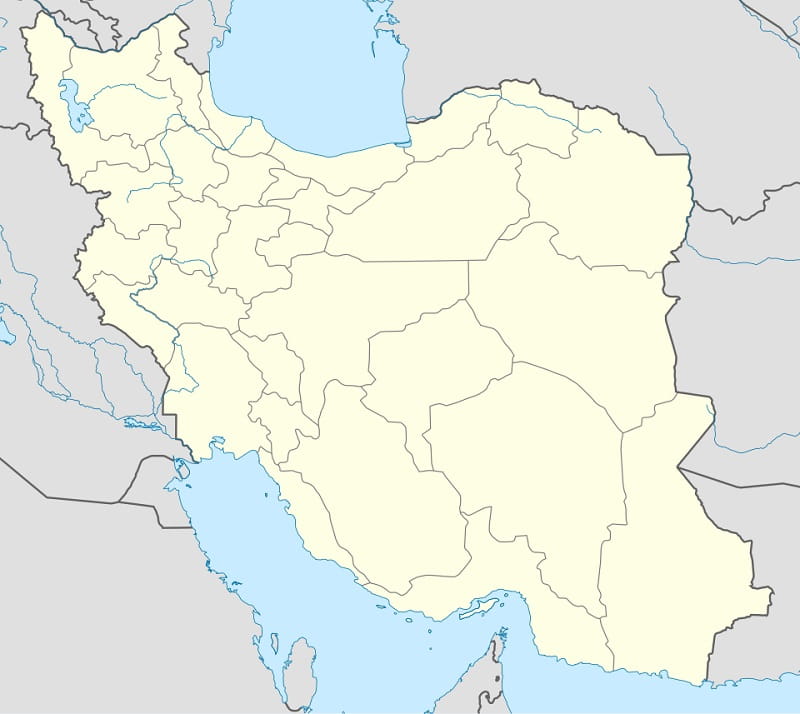
Strategic Targets and Military Objectives
The scope of the current military campaign suggests a comprehensive strategy designed to do more than just send a message. Military analysts observe that the targeting of the Iranian Revolutionary Guard Corps (IRGC) infrastructure is intended to cripple the regime’s internal security apparatus and its external proxy network simultaneously. By striking production facilities for the Shahed drones and Fattah missiles, the coalition aims to dry up the supply chain that has fueled conflicts in Lebanon, Yemen, and beyond. Furthermore, the focus on the underground nuclear complex at Mount Kolang Gaz La represents a direct attempt to destroy the most hardened and secretive components of Iran’s atomic program. This facility, which was built deep into the mountainside to withstand conventional air strikes, has been a focal point of Western intelligence for years.
The use of cyber warfare has also played a critical role in the opening hours of the conflict. Reports indicate that significant portions of Iran’s command-and-control communications and electrical grids were disabled shortly before the first kinetic strikes landed. This digital disruption was likely intended to confuse the Iranian military leadership and delay their ability to launch a coordinated air defense response. In Israel, the Iron Dome and Arrow missile defense systems have been working at peak capacity to intercept the incoming barrages from the east. The Israeli home front command has issued strict instructions for citizens to remain within reach of bomb shelters, as the threat of further long-range missile attacks remains high. The psychological impact on the civilian population on both sides is profound, as the reality of a full-scale war replaces the years of “shadow war” that previously characterized the relationship.
In addition to the kinetic and cyber dimensions, the coalition is also engaging in a significant information operation. President Trump’s direct appeals to the Iranian public are designed to exploit existing domestic grievances against the ruling theocracy. By framing the military action as a liberation effort rather than a war against the people, the US hope to spark internal unrest that could further destabilize the government. However, history suggests that external attacks often have a “rally around the flag” effect, potentially unifying a divided population against a foreign invader. The success of this strategy depends heavily on whether the Iranian public views the regime as the primary cause of their suffering or as their only defense against external aggression.
Regional Impact and the Humanitarian Crisis
The immediate humanitarian fallout of the conflict is already being felt across several nations. In the Iranian capital, thousands of residents have begun fleeing toward the countryside, leading to massive traffic congestion and a shortage of basic supplies. Human rights organizations have expressed grave concern for the safety of civilians caught in the crossfire, particularly in densely populated urban centers where military installations are often located in close proximity to residential areas. The closure of borders and airspaces has also trapped thousands of foreign nationals, including many from India and Europe, who were working or traveling in the region. Embassies are currently working under extreme pressure to coordinate evacuation routes, though the ongoing missile exchanges make any movement highly dangerous.
The impact on the global economy is equally concerning. The Middle East remains a critical hub for the world’s energy supply, and any sustained disruption to the oil fields of the Persian Gulf or the shipping lanes of the Red Sea could lead to a global recession. Insurance premiums for maritime transport in the region have already skyrocketed, and some shipping firms have announced they will bypass the area entirely, adding significant time and cost to global trade. The Organization of the Petroleum Exporting Countries (OPEC) is expected to meet in an emergency session to discuss production adjustments, but the political divisions within the group may hamper a unified response. For many developing nations, the sudden spike in energy costs could lead to severe economic hardship and social instability.
Furthermore, the conflict threatens to undo years of delicate diplomatic work aimed at stabilizing other regional flashpoints. In Lebanon, the Hezbollah militant group has already exchanged fire with Israeli forces along the northern border, raising the specter of a multi-front war. In Iraq, pro-Iranian militias have threatened to target US bases in retaliation for the strikes on Tehran, potentially dragging the fragile Iraqi state into the center of the storm. The Rohingya refugee crisis and other humanitarian efforts in the broader region may also lose international attention and funding as resources are diverted to the escalating war. The interconnected nature of Middle Eastern conflicts means that a fire started in Tehran can quickly spread to Baghdad, Beirut, and beyond.
International Response and Diplomatic Stance
The international community is currently split along familiar fault lines. The United Kingdom, a key military partner of the US, has chaired a COBRA meeting to assess the security implications for British interests and has signaled cautious support for the operation, emphasizing the need to prevent nuclear proliferation. European Union leaders, however, have expressed more alarm, with several nations calling for an immediate ceasefire and a return to the negotiating table. The EU’s foreign policy chief stated that while Iran’s nuclear ambitions are a legitimate concern, a full-scale war will only lead to catastrophic consequences for Europe, particularly in terms of a new wave of refugees and economic instability. This divergence reflects the ongoing tension within the Western alliance regarding the best approach to the “Iran problem.”
Russia and China have taken a much more critical stance. The Russian Foreign Ministry described the strikes as a “blatant violation of international law” and warned that it could lead to an uncontrollable escalation. Moscow, which has strengthened its military ties with Tehran in recent years, may feel compelled to provide additional support to the Iranian regime to counter American influence in the region. China, which relies heavily on Middle Eastern oil, has called for “calm and restraint,” urging all parties to respect the sovereignty of nations. Beijing’s primary concern is the stability of energy markets and the protection of its massive infrastructure investments in the region under the Belt and Road Initiative. The tension between the US-led coalition and the Russia-China axis is likely to paralyze the UN Security Council, making any collective international action nearly impossible.
In the global south, the reaction has been one of deep anxiety. Nations like India, which maintains a strategic partnership with both the US and Iran, find themselves in an incredibly difficult position. The Indian Ministry of External Affairs issued a cautious advisory for its nationals in the region and called for a return to diplomacy, highlighting the potential impact on the millions of Indian expatriates working in the Gulf. For these countries, the war is not just a distant geopolitical event but a direct threat to their economic security and the well-being of their citizens. The lack of a clear consensus on the legitimacy of the military intervention further complicates the global diplomatic landscape, potentially leading to a more fragmented and dangerous international order.
Frequently Asked Questions
What is Operation Epic Fury?
Operation Epic Fury is the codename for a large-scale, joint military offensive launched by the United States and Israel against the Islamic Republic of Iran on February 28, 2026. The campaign involves air strikes, missile barrages, and cyber operations targeting Iran’s nuclear facilities, missile production sites, and the command structure of the Iranian Revolutionary Guard Corps (IRGC). The stated goals are to eliminate imminent security threats to Israel and the US, dismantle Iran’s nuclear program, and potentially bring about a change in the Iranian government. It represents the most significant escalation of direct conflict between these nations in decades.
Why did the US and Israel attack Iran now?
The decision to launch the strikes followed the collapse of indirect nuclear negotiations that had been taking place in Oman and Rome. Intelligence reports from both the US and Israel indicated that Iran had reached a critical threshold in its uranium enrichment and was preparing to launch a significant drone and missile attack against Israeli targets. President Donald Trump and Prime Minister Benjamin Netanyahu argued that diplomatic options had been exhausted and that military action was the only remaining way to prevent Iran from obtaining a nuclear weapon and to protect their respective national security interests from what they termed an existential threat.
How has Iran retaliated to the strikes?
Immediately following the initial strikes on Tehran and other cities, the IRGC launched waves of ballistic missiles targeting US and Israeli assets across the Middle East. These retaliatory strikes hit locations in Israel, Jordan, the UAE, Bahrain, Kuwait, and Qatar. While many of the missiles were intercepted by advanced air defense systems like the Iron Dome and Patriot batteries, some debris caused casualties and property damage, including a confirmed death in the UAE. Iran has also threatened to close the Strait of Hormuz and has signaled that its regional proxies, such as Hezbollah, may open new fronts in the conflict.
Is the world facing a global oil crisis because of this war?
The conflict has caused immediate volatility in global energy markets, with oil prices surging as investors fear a prolonged disruption to Middle Eastern supply lines. The Persian Gulf is a vital corridor for a large percentage of the world’s oil and liquefied natural gas (LNG). If the war extends to maritime routes or results in the destruction of oil production facilities in the region, the world could see a significant and sustained increase in energy costs. International organizations and energy agencies are monitoring the situation closely, but the long-term economic impact will depend on the duration and scale of the hostilities.
What is the status of the Iranian leadership?
Reports regarding the Iranian leadership are currently mixed. While it is confirmed that high-level facilities, including the Supreme Leader’s compound, were targeted, Ayatollah Ali Khamenei is believed to have been moved to a secure, fortified location before the strikes began. President Masoud Pezeshkian has been reported as safe by Iranian state media. However, several senior military commanders within the IRGC are rumored to have been killed in the initial wave of the attack. The coalition’s stated goal of “regime change” suggests that the leadership remains a primary target as the operation continues.
What should travelers in the Middle East do?
Travelers and foreign nationals currently in Iran, Israel, or neighboring Gulf states are being urged by their respective governments to exercise extreme caution and seek immediate evacuation where possible. Most major airlines have suspended flights to the region, and many land borders are experiencing significant delays or closures. Individuals are advised to register with their embassies, stay updated on local security directives, and remain close to hardened shelters. The unpredictable nature of the retaliatory strikes means that even areas previously considered safe may now be at risk.
Expert Analysis: The Future of the Conflict
Strategic experts are currently debating whether Operation Epic Fury will achieve its intended goals or if it will trigger a “forever war” in the Middle East. Some argue that the sheer scale of the destruction visited upon Iran’s military infrastructure will effectively “de-fang” the regime for a generation, buying time for a more stable political order to emerge. They point to the precision of the strikes as evidence that modern military technology can achieve strategic objectives with minimal collateral damage compared to previous conflicts. However, others warn that the ideological resilience of the Iranian regime and its deep-seated proxy networks mean that even a shattered military can still cause significant chaos through asymmetric warfare and terrorism. The prospect of a “vacuum” in Iranian leadership could also lead to a violent internal power struggle that further destabilizes the region.
The role of the United States in the aftermath of the strikes is another point of intense scrutiny. President Trump’s call for the Iranian people to “take over their government” implies a level of American support for a new political entity, but the details of what that support looks like remain vague. Without a clear post-conflict stabilization plan, the coalition risks repeating the mistakes of previous interventions in Iraq and Libya. Furthermore, the domestic political landscape in the US will play a huge role; if the war leads to high gas prices and American casualties, public support for the intervention could evaporate quickly. The administration will need to balance its military objectives with the need to maintain a domestic mandate for a potentially long and costly involvement.
Ultimately, the success of the operation may be measured not by the number of targets destroyed, but by the regional response. If the war remains contained between the primary belligerents, it may eventually lead to a new, albeit tense, regional balance of power. However, if it escalates into a multi-national conflict involving Lebanon, Iraq, and even global powers like Russia, the consequences could be catastrophic. The Middle East has long been a graveyard for grand strategic designs, and the coming days and weeks will determine whether Operation Epic Fury is a decisive turning point or the beginning of a dark new chapter in world history. The focus must now shift toward whether any remaining diplomatic channels can be used to prevent the worst-case scenario from unfolding.
Operational Challenges and Tactical Realities
From a purely tactical perspective, conducting an operation of this magnitude against a nation as large and geographically diverse as Iran presents immense challenges. The Iranian military has spent decades preparing for exactly this scenario, investing heavily in mobile missile launchers and decentralized command structures that are difficult to eliminate in a single strike. Even with air superiority, the coalition forces must contend with a sophisticated network of surface-to-air missiles and the constant threat of electronic warfare. The vastness of the Iranian plateau means that surveillance and reconnaissance must be constant to prevent the regime from reconstituting its forces in remote areas. This necessitates a sustained and resource-intensive military presence that will test the endurance of both the Israeli and American forces.
The asymmetric capabilities of Iran also cannot be underestimated. While the regime may not be able to win a conventional air war, its ability to use “swarms” of low-cost drones can overwhelm even the most advanced defense systems through sheer numbers. We have already seen the effectiveness of these tactics in other global conflicts, and Iran is arguably the world leader in this type of warfare. Furthermore, the threat to underwater infrastructure, such as fiber optic cables and pipelines, provides Iran with leverage that can affect nations far beyond the immediate battlefield. The naval component of the war will be just as critical as the air campaign, as the coalition seeks to protect vital shipping lanes while neutralizing the Iranian navy’s fleet of fast-attack boats and midget submarines.
Logistically, maintaining the high tempo of Operation Epic Fury requires a massive “bridge” of supplies and munitions from the United States and Europe. The consumption of precision-guided munitions in the opening hours was reportedly record-breaking, and the industrial capacity of the coalition will be put to the test if the conflict drags on for weeks or months. This also raises questions about the military readiness of other theaters; with so many resources focused on Iran, the ability of the US to respond to potential crises in the Indo-Pacific or Eastern Europe may be temporarily diminished. The strategic gamble is that a quick and decisive victory in the Middle East will restore American deterrence globally, but a prolonged stalemate could have the opposite effect.
Conclusion: A Region at the Crossroads
The launch of Operation Epic Fury by Israel and the United States has fundamentally altered the geopolitical landscape of the 21st century. By choosing the path of direct military intervention to resolve the long-standing nuclear and security dispute with Iran, the coalition has taken a high-stakes gamble with global implications. The initial success in degrading Iran’s military infrastructure and targeting its leadership must be weighed against the immediate retaliatory strikes that have already claimed lives and disrupted the lives of millions across the Middle East. The failure of years of diplomacy has led to this moment, and the world now watches with bated breath to see if this conflict will result in a more stable regional order or a devastating escalation that draws in more nations and causes lasting economic and humanitarian damage.
As the “major combat operations” continue, the focus will increasingly shift from the battlefield to the political and humanitarian consequences. The survival of the Iranian regime, the stability of the global energy market, and the unity of the international community are all hanging in the balance. Whether the Iranian people will indeed “take their destiny into their own hands” as envisioned by President Trump, or if they will close ranks behind a wounded but defiant leadership, remains to be seen. What is certain is that the old status quo in the Middle East has been shattered, and the path ahead is fraught with danger and uncertainty. The resilience of the global diplomatic and economic systems will be tested like never before in the coming weeks.
In the final analysis, the true impact of this war will be measured by its aftermath. A decisive end to the threat of nuclear proliferation and regional proxy wars would be a historic achievement, but the cost of such a victory could be a legacy of bitterness and instability that lasts for generations. The international community must now move beyond condemnation and support to find a way to manage the fallout and provide a path toward eventual peace. For the people of Iran, Israel, and the wider Middle East, the hope for a future free of the shadow of war has never felt more distant, yet the need for a just and lasting resolution has never been more urgent. The world has changed today, and there is no turning back.
Global Coverage: Top 5 Essential Updates on Operation Epic Fury
Reuters: Joint U.S.-Israeli Strikes Target Iranian Leadership; Khamenei Reported Safe in Secure Location
Key Insight: Sources indicate that while the Supreme Leader’s compound in Tehran was heavily damaged, he was moved prior to the strike. Several senior IRGC commanders are feared dead.
The Hindu / AFP: Iran Retaliates with Missile Waves Toward Israel and U.S. Gulf Bases; One Fatality in Abu Dhabi
Key Insight: The conflict has officially spread beyond Iran’s borders, with missile shrapnel causing the first confirmed civilian casualty in the UAE and prompting immediate airspace closures in Qatar and Bahrain.
Al Jazeera: Global Markets in Turmoil as Oil Prices Surge and Bitcoin Plunges Following Offensive
Key Insight: Financial analysts warn of a “historic economic shock” as the Strait of Hormuz remains effectively blocked, sending Brent crude prices toward record highs.
CNN / NDTV: Death Toll in Southern Iran Strike on School Reaches 40; Humanitarian Alarm Grows
Key Insight: While the Pentagon maintains targets are strictly military, Iranian state media reports significant civilian casualties in southern provinces, leading to international calls for restraint.
BBC News: Israel Declares National Emergency; Schools Closed and 70,000 Reservists Called to Duty
Key Insight: The IDF has moved to a total war footing, relocating hospital patients to underground bunkers in anticipation of a sustained long-range missile campaign from Iranian proxies.