

In early 2025, Iron Ox, a pioneering agtech startup specializing in robotic farming and autonomous greenhouses, announced a significant reduction in its workforce. The company laid off approximately 50 employees, amounting to nearly half of its staff. This move came as a surprise to many, given Iron Ox’s strong funding history and ambitious mission to revolutionize agriculture through robotics and artificial intelligence. This article provides a detailed, fact-based analysis of the layoffs, their context, the company’s background, and the broader implications for the agtech industry.
Background: Who is Iron Ox?
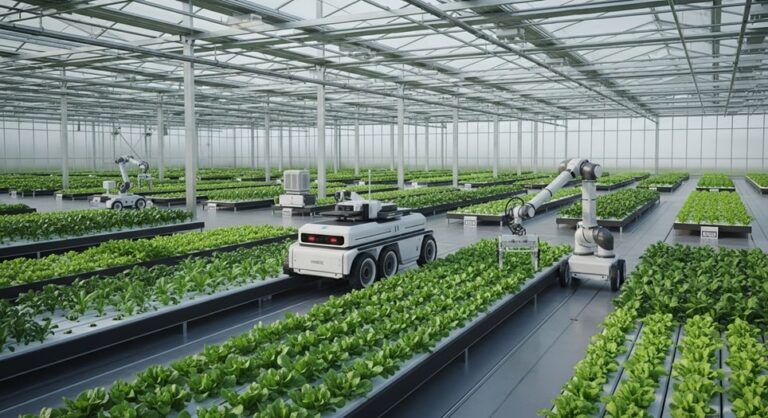
Iron Ox was founded in 2015 by Brandon Alexander and Jon Binney, with a mission to make agriculture more sustainable and efficient through robotics and AI. The company is headquartered in San Carlos, California, and has raised over $100 million in funding, including a $53 million Series C round led by Breakthrough Energy Ventures in 2021. Iron Ox’s innovative approach combines autonomous robots, such as the mobile robot Grover and the robotic arm Angus, with advanced hydroponic systems to grow fresh produce with significantly less water and land than traditional farming.
The company’s vision is to create a carbon-negative agricultural sector, addressing critical challenges like water scarcity, labor shortages, and the environmental impact of conventional farming. Iron Ox operates several facilities, including a large greenhouse in Lockhart, Texas, and has positioned itself as a leader in the emerging field of robotic farming.
The Layoffs: What Happened?
In January 2025, Iron Ox announced a sweeping reduction in its workforce, cutting approximately 50 jobs—nearly half of its staff. The layoffs were described as a strategic move to refocus the company on its core competencies in engineering and technology. According to statements from Iron Ox, the decision was made to streamline operations and ensure the company’s long-term sustainability.
The layoffs were not limited to a single department but affected roles across the organization, including engineering, product management, sales, and talent development. Former employees shared their experiences on professional networks like LinkedIn, highlighting the breadth and impact of the cuts. Iron Ox’s leadership emphasized that the decision was difficult and taken only after careful consideration, with efforts made to support affected employees in finding new opportunities.
Reasons Behind the Layoffs
The layoffs at Iron Ox reflect broader challenges faced by startups in the agtech and robotics sectors. Several key factors contributed to the decision:
- Refocusing on Core Competencies: Iron Ox’s leadership stated that the company needed to concentrate on its core strengths in engineering and technology. This meant eliminating roles that were not directly aligned with these areas, even if they were valuable in other ways.
- Financial Pressures: Despite raising significant funding, Iron Ox, like many startups, faced the need to extend its cash runway. The layoffs were part of a broader effort to reduce operational costs and ensure the company could continue to innovate and scale.
- Industry Challenges: The agtech sector has seen increased competition and financial pressures, with other companies like Fifth Season shutting down operations entirely. This competitive landscape may have influenced Iron Ox’s decision to streamline its workforce.
- Economic Uncertainty: The broader economic environment, including rising interest rates and a slowdown in venture capital funding, has made it more challenging for startups to sustain large teams without clear paths to profitability.
Impact on Employees and the Agtech Industry
The layoffs at Iron Ox had a significant impact on both the affected employees and the broader agtech community. Many of the laid-off workers were highly skilled professionals in robotics, AI, and plant science, fields where talent is in high demand. Iron Ox’s leadership expressed confidence that these individuals would find new opportunities, leveraging the company’s network and reputation in Silicon Valley.
For the agtech industry, the layoffs serve as a reminder of the challenges faced by startups in scaling innovative technologies. While Iron Ox remains committed to its mission, the workforce reduction highlights the need for companies to balance ambition with financial prudence. The event also underscores the importance of adaptability in a rapidly evolving sector, where technological advancements and market conditions can shift quickly.
Iron Ox’s Future: What’s Next?
Despite the layoffs, Iron Ox has reiterated its commitment to continuing operations and advancing its mission. The company’s focus on engineering and technology suggests a renewed emphasis on product development and innovation. Iron Ox’s leadership has also indicated openness to exploring additional funding opportunities or strategic partnerships, including the possibility of a sale, to support its long-term goals.
The company’s existing facilities, including its flagship greenhouse in Texas, remain operational, and Iron Ox continues to work toward making agriculture more sustainable and efficient. The layoffs, while painful, are positioned as a necessary step to ensure the company’s future success and impact.
Broader Context: Layoffs in the Tech and Agtech Sectors
The layoffs at Iron Ox are part of a wider trend of workforce reductions in the tech and agtech industries. In 2025, numerous companies, from established tech giants to innovative startups, have announced layoffs as they seek to optimize operations and navigate economic uncertainty. For example:
- Tech Industry: Companies like Microsoft, Intel, and Meta have implemented layoffs, often citing the need to refocus on core areas or improve efficiency.
- Agtech Sector: Iron Ox is not alone in facing financial pressures. Fifth Season, another agtech startup, shut down its operations entirely, highlighting the volatility of the sector.
- Economic Factors: Rising interest rates, inflation, and shifts in investor priorities have contributed to a more cautious approach to hiring and spending across industries.
These trends reflect a broader recalibration in the tech and agtech sectors, as companies seek to balance growth with financial sustainability.
Lessons Learned and Key Takeaways
The layoffs at Iron Ox offer several important lessons for startups, investors, and industry observers:
- Focus on Core Strengths: Startups must prioritize their core competencies and be willing to make difficult decisions to stay aligned with their mission and market demands.
- Financial Prudence: Even well-funded companies need to manage resources carefully, especially in uncertain economic conditions. Extending the cash runway can be critical for long-term survival.
- Adaptability: The ability to pivot and refocus in response to market changes is essential for startups in fast-moving industries like agtech and robotics.
- Support for Employees: Companies should prioritize supporting affected employees during transitions, leveraging their networks and resources to help them find new opportunities.
- Industry Collaboration: The agtech sector can benefit from increased collaboration and knowledge-sharing to address common challenges and drive innovation.
Conclusion
The layoffs at Iron Ox represent a significant moment for the company and the agtech industry as a whole. While the reduction in workforce was a difficult decision, it reflects the realities of scaling innovative technologies in a competitive and economically challenging environment. Iron Ox’s commitment to its mission of sustainable agriculture remains strong, and the company’s focus on engineering and technology positions it well for future growth. For the broader industry, the event underscores the importance of adaptability, financial prudence, and a clear focus on core strengths in navigating the complexities of modern agriculture and technology.
