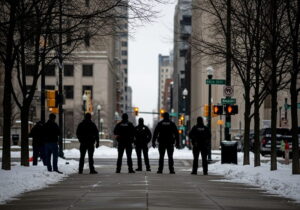
The fatal shooting of a U.S. citizen by federal immigration agents in Minneapolis has ignited intense public scrutiny, political confrontation, and renewed debate over the role of federal law enforcement in local communities. The incident, which unfolded during a federal immigration enforcement operation in late January 2026, has rapidly evolved from a single law enforcement encounter into a national flashpoint touching on civil rights, public safety, accountability, and federal–state relations.
As details emerged, the shooting prompted widespread protests, legal intervention, and sharp criticism from state officials, labor organizations, and civil liberties advocates. At the center of the controversy is the killing of Alex Pretti, a 37-year-old U.S. citizen, whose death has raised urgent questions about the conduct of federal agents, the transparency of official accounts, and the safeguards in place to prevent lethal outcomes during enforcement actions.
This report examines the incident itself, the competing narratives surrounding what occurred, the immediate legal and political fallout, and the broader implications for immigration enforcement and public trust in federal authorities.
What Happened During the Minneapolis Incident
The shooting occurred in south Minneapolis during a multi-agency federal immigration enforcement effort that involved Immigration and Customs Enforcement and other federal agents. According to federal authorities, agents were conducting targeted operations when they encountered Alex Pretti in a residential area. Officials initially stated that Pretti posed a threat and that agents responded in self-defense.
However, accounts from witnesses and video footage circulating publicly have challenged this version of events. Multiple witnesses reported that Pretti was not the subject of the enforcement action and appeared to be assisting another individual at the scene. Video recordings show a chaotic sequence of events in which agents deployed pepper spray, physical force, and ultimately gunfire.
The conflicting narratives have become a central focus of public debate, with critics arguing that the use of lethal force was unjustified and disproportionate, particularly given that the individual killed was a U.S. citizen and not the intended target of the operation.
Federal Authorities’ Account
Federal officials stated that agents perceived a credible threat during the encounter and acted to protect themselves and others nearby. The Department of Homeland Security indicated that Pretti was believed to be armed and that agents followed their training protocols in responding to what they described as a rapidly evolving and dangerous situation.
Officials emphasized that the operation was lawful and that agents involved were part of a broader initiative aimed at enforcing federal immigration laws. They also noted that internal reviews would be conducted alongside any external investigations.
Witness and Community Accounts
Witnesses at the scene offered sharply different descriptions. Several stated that Pretti did not display a weapon and was attempting to de-escalate a tense situation. Community members described a sudden and aggressive response by agents, culminating in gunfire that left Pretti fatally wounded.
The release and sharing of video footage intensified public concern, as many viewers questioned whether the circumstances justified the use of lethal force. These images quickly spread across social media and news platforms, amplifying calls for accountability.
Immediate Public Reaction and Protests
The shooting sparked immediate protests in Minneapolis, with demonstrators gathering near the site of the incident and outside federal buildings. Vigils were held to honor Pretti’s life, while marches demanded justice, transparency, and an end to what protesters described as unchecked federal enforcement.
Demonstrations soon spread beyond Minnesota, reflecting broader national anxiety about immigration enforcement practices and the use of force by federal agents. Protesters included a diverse coalition of civil rights activists, labor unions, faith leaders, and ordinary residents.
Law enforcement agencies responded by increasing security around federal facilities, while city officials urged calm and emphasized the importance of peaceful protest.
Role of Labor and Civil Rights Organizations
Major labor organizations publicly condemned the shooting, arguing that federal enforcement actions were putting workers and communities at risk. Civil rights groups echoed these concerns, framing the incident as part of a broader pattern of aggressive enforcement tactics.
These organizations called for an immediate suspension of similar operations pending independent investigations and urged lawmakers to reevaluate the scope and oversight of federal immigration enforcement.
Political Fallout and State–Federal Tensions
The incident quickly escalated into a political dispute between Minnesota officials and federal authorities. State leaders criticized the presence and conduct of federal agents, arguing that the operation undermined public safety and violated community trust.
The governor publicly called for federal agents involved in the operation to leave the state, stating that Minnesota had not requested the enforcement surge and that local authorities were not adequately informed or coordinated with.
Federal officials pushed back, asserting their authority to conduct immigration enforcement nationwide and cautioning against what they described as politicization of an ongoing investigation.
Legal Action and Judicial Oversight
In response to mounting pressure, a federal judge ordered the preservation of evidence related to the shooting, including body camera footage, communications records, and operational plans. This move was widely seen as a critical step toward ensuring an independent and transparent review.
Legal experts noted that such orders are designed to prevent the loss or alteration of key evidence and can play a significant role in subsequent civil or criminal proceedings.
Analysis: Accountability and Use of Force
The Minneapolis shooting has intensified long-standing debates about accountability mechanisms for federal law enforcement. Unlike local police departments, federal agencies often operate under different oversight structures, which critics argue can complicate efforts to investigate and discipline misconduct.
Questions raised by the incident include whether agents adhered to established use-of-force guidelines, how threat assessments were made, and whether de-escalation tactics were adequately employed.
Experts in law enforcement policy point out that the presence of multiple agencies, unclear command structures, and high-pressure operational environments can increase the risk of tragic outcomes.
Transparency and Public Trust
Public trust in law enforcement is closely tied to transparency, particularly in cases involving loss of life. The rapid release of clear, unedited information is often critical in shaping public perception and preventing misinformation.
In this case, delays and discrepancies in official statements contributed to skepticism and anger, underscoring the importance of timely and accurate communication during crises.
Broader Implications for Immigration Enforcement
Beyond the immediate tragedy, the Minneapolis shooting has broader implications for how immigration enforcement is conducted in the United States. Critics argue that aggressive operations in residential neighborhoods increase the likelihood of confrontations with bystanders and individuals not targeted by enforcement actions.
Supporters of robust enforcement counter that agents face real dangers and must be empowered to protect themselves while carrying out lawful duties. The challenge, policymakers say, lies in balancing enforcement objectives with respect for civil liberties and community safety.
Federal–Local Cooperation Under Strain
The incident has further strained relationships between federal agencies and local governments, particularly in jurisdictions that favor more limited cooperation with immigration enforcement.
Local officials have emphasized that trust between residents and law enforcement is essential for effective policing and that high-profile incidents like this risk eroding that trust for years to come.
National Conversation and Potential Policy Shifts
At the national level, lawmakers from both parties have weighed in, with some calling for congressional hearings and others urging restraint until investigations are complete. Proposals include clearer rules of engagement for federal agents, expanded use of body cameras, and stronger coordination requirements with local authorities.
Policy analysts note that while similar incidents in the past have sparked temporary outrage, sustained attention and concrete reforms depend on the findings of investigations and the willingness of political leaders to act.
Conclusion
The fatal shooting of Alex Pretti in Minneapolis stands as a sobering reminder of the human cost of law enforcement encounters and the profound consequences when trust breaks down between authorities and the communities they serve. As investigations proceed, the case will test the capacity of federal and state systems to deliver accountability, transparency, and justice.
Beyond the outcome of any single inquiry, the incident has already reshaped public discourse around immigration enforcement, use of force, and federal authority. Whether it leads to meaningful reform or becomes another unresolved chapter will depend on the clarity of the facts, the integrity of the investigative process, and the resolve of leaders to address the underlying issues exposed by this tragedy.