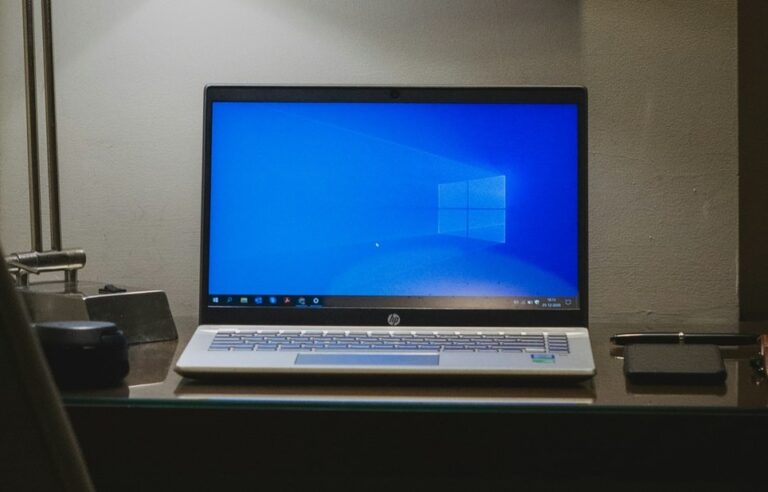
With the final version of Windows 10, version 22H2, reaching its end of servicing on October 14, 2025, the window for a supported upgrade from the long-unsupported Windows 7 is closing fast. For the millions of users and organizations still clinging to the legacy operating system, the transition is no longer a question of preference but a critical necessity for security and functionality. While Microsoft’s official free upgrade offer has technically ended, pathways still exist to migrate to Windows 10, often using existing Windows 7 licenses. This comprehensive guide provides the essential roadmap for executing this vital upgrade, ensuring data preservation, system stability, and a foundation for future security.
The Critical Imperative: Why You Must Leave Windows 7 Now
The most compelling reason to upgrade is security. Microsoft ended all support for Windows 7 in January 2020, meaning it has received no security patches for over five years. Hackers actively scan for and exploit vulnerabilities in unsupported operating systems, making any Windows 7 machine connected to the internet a high-risk target for ransomware, data theft, and other malware. The risk extends beyond individual users; businesses remaining on Windows 7 face severe compliance violations with standards like HIPAA and PCI-DSS, which mandate up-to-date, patched systems. Beyond security, software and hardware compatibility is eroding rapidly. Most modern application vendors, including those producing critical security and productivity tools, have ended support for Windows 7, leaving users with increasingly outdated and potentially insecure software.
Pre-Upgrade Assessment and Preparation
A successful upgrade hinges on thorough preparation. The first step is to verify your hardware meets the minimum requirements for Windows 10. According to Microsoft, your PC needs a 1 gigahertz (GHz) or faster processor, 1 gigabyte (GB) of RAM for the 32-bit version or 2 GB for the 64-bit version, and at least 16 GB (32-bit) or 20 GB (64-bit) of free hard disk space. A compatible graphics card (DirectX 9 or later) and an 800×600 display are also required.
The most crucial preparatory step is a complete backup of all important data. Assume something could go wrong. A comprehensive backup strategy includes:
- Full System Image Backup: Create a complete image of your entire Windows 7 system using built-in tools or third-party software. This allows you to completely restore your old system if necessary.
- Cloud Backup of Critical Files: Upload irreplaceable documents, photos, and personal data to a service like OneDrive, Google Drive, or Dropbox. This provides an off-site copy.
- Local External Drive Backup: Copy your user folders (Documents, Pictures, Desktop, etc.) to an external USB hard drive. This gives you a quick, physical copy of your files.
- Application and License Key Inventory: Make a list of installed software and ensure you have the installation files and product keys, especially for programs not downloaded from an app store.
Before proceeding, it is also wise to check for and install any available updates for your computer’s firmware or BIOS from the manufacturer’s website, as outdated firmware can cause installation failures. Furthermore, you should identify and uninstall any known incompatible software, such as outdated third-party antivirus suites, VPN clients, or niche hardware drivers, as these can interfere with the upgrade process.
Securing a Windows 10 License and Installation Media
A common question is the cost. Microsoft’s official free upgrade program for Windows 7 and 8.1 users has ended. However, a widely reported and still-functional method involves using your valid Windows 7 product key to activate Windows 10 during or after installation. For users who need guaranteed, legitimate licensing, purchasing a Windows 10 retail license is the official route.
To obtain the installation files, you must use the official Microsoft Media Creation Tool. This tool, available for free from Microsoft’s website, serves two primary purposes: it can upgrade the PC it is run on directly, or it can create a bootable USB flash drive or DVD for installation on other machines or for performing a clean install. Downloading this tool from Microsoft is the only way to ensure you have a clean, unmodified, and up-to-date version of the Windows 10 installer.
Step-by-Step Upgrade Installation
With your data backed up and the Media Creation Tool downloaded, you are ready to begin the installation. The process offers two main paths: an in-place upgrade and a clean install.
Performing an In-Place Upgrade
This method is designed to preserve your files, applications, and most settings. It is the least disruptive path and is ideal for systems that are generally stable and free of malware.
- Run the Media Creation Tool: Execute the tool and accept the license terms. When prompted, select “Upgrade this PC now“.
- Choose What to Keep: The installer will present a key choice. Select “Keep personal files and apps” to initiate the in-place upgrade path. The tool will then download the necessary files.
- Complete the Installation: Follow the on-screen instructions. Your computer will restart several times during the process, which can take anywhere from 30 minutes to two hours depending on your hardware and internet speed. The process is largely automated.
- Activation: Once the upgrade is complete, go to Settings > Update & Security > Activation. If the system hasn’t activated automatically, you can enter your valid Windows 7 product key here.
Performing a Clean Install
A clean install wipes the system drive and installs a fresh copy of Windows 10. This is the recommended approach for optimal performance and security, especially if your Windows 7 installation is old, infected with malware, or plagued by errors. It results in a faster, more stable system but requires you to manually reinstall all applications and restore your personal files from backup.
- Create Installation Media: Run the Media Creation Tool on a working computer. Choose “Create installation media for another PC” and create a bootable USB drive.
- Boot from USB: Insert the USB drive into the Windows 7 PC and restart, booting from the USB drive (which may require changing the boot order in the BIOS/UEFI settings).
- Custom Installation: Follow the setup prompts. When asked which type of installation you want, choose “Custom: Install Windows only (advanced)“.
- Partition Management: You will see a list of drives and partitions. To wipe the old system, select and delete the primary partition (usually “Drive 0”). Then, select the resulting unallocated space and click “Next” to let Windows create the necessary partitions automatically.
- Complete Setup and Activation: The installer will proceed. After the final reboot, you will go through the Windows 10 out-of-box experience (OOBE). When prompted for a product key, you can enter your Windows 7 key or skip this step and activate later via Settings.
Post-Upgrade Configuration and Optimization
Once Windows 10 is installed and activated, your work is not finished. Proper configuration is essential to ensure security, performance, and usability.
Immediately after the upgrade or clean install, your first action should be to install all available Windows Updates. Go to Settings > Update & Security > Windows Update and click “Check for updates.” Install all feature and quality updates, which will provide the latest security patches and drivers. This process may require multiple restarts.
Next, you should install drivers. While Windows 10 includes a vast driver library, for optimal performance, visit the support websites of your PC’s manufacturer (e.g., Dell, HP, Lenovo) and your key component manufacturers (e.g., NVIDIA, AMD for graphics) to download and install the latest Windows 10-specific drivers.
For security hardening, consider these steps:
- Enable Windows Security Features: Ensure Windows Defender Antivirus and Firewall are turned on and updated. For Pro editions, consider configuring BitLocker drive encryption for sensitive data protection.
- Review Privacy Settings: During the OOBE or later in Settings, carefully review the privacy options and disable data collection features you are not comfortable with.
- Create a New Backup: Once your system is fully configured and stable, create a fresh system image or backup of your new Windows 10 environment. This becomes your clean restoration point.
Pro Tips for a Seamless Transition
Migrating an entire operating system can be daunting. These professional insights can help you avoid common pitfalls and ensure success.
- Disconnect Non-Essential Hardware: Before starting the upgrade, unplug printers, scanners, external hard drives (except your backup drive), USB dongles, and other peripherals. This eliminates potential driver conflicts during installation.
- Use the “Reset This PC” Fallback: If you perform an in-place upgrade and experience instability, you don’t need to start over from Windows 7. Windows 10 has a built-in “Reset this PC” feature (under Update & Security > Recovery) that can perform a clean reinstall of Windows 10 while keeping your files, using the already-upgraded system as a base.
- Check for Bloatware: New installations, especially from PC manufacturers, often include pre-installed trial software. Use Settings > Apps to remove any unwanted “bloatware” to improve system responsiveness.
- Monitor Performance: Some users report perception of slower performance after upgrading. If this occurs, check Task Manager for resource-hungry startup programs and background processes. The fresh start of a clean install typically resolves most performance issues present in an aging Windows 7 install.
Frequently Asked Questions (FAQs)
Q1: Is the upgrade from Windows 7 to Windows 10 really still free in 2025?
A1: Microsoft’s official free upgrade offer has concluded. However, the activation servers often still accept valid Windows 7 product keys to activate a fresh Windows 10 installation. This is not guaranteed but is widely reported as a working method.
Q2: Will all my old programs and hardware work on Windows 10?
A2: Most modern software and hardware from the Windows 7 era will work, especially after installing the latest Windows 10 drivers. However, very old, niche, or discontinued software may require compatibility mode settings or may not work at all. It’s critical to check with the software vendor and have a backup plan for essential legacy applications.
Q3: Should I choose an in-place upgrade or a clean install?
A3: An in-place upgrade is faster and preserves your environment, but it may also carry over old problems. A clean install is more work but guarantees the best performance and stability by starting fresh. For older systems, a clean install is strongly recommended.
Q4: My upgrade failed or my PC is unstable afterward. What can I do?
A4: First, ensure your BIOS is updated and all non-essential hardware is disconnected. If problems persist, you can use the Windows 10 installation media to attempt a repair. As a last resort, you can restore your pre-upgrade system image backup to return to Windows 7 and reassess your hardware compatibility.
Q5: With Windows 10 support ending soon, should I just skip to Windows 11?
A5: This depends entirely on your hardware. Windows 11 has significantly stricter hardware requirements, including TPM 2.0 and specific CPU generations. Many PCs capable of running Windows 10 cannot officially upgrade to Windows 11. Upgrading to Windows 10 now secures your system and provides a supported platform. You can then use Microsoft’s PC Health Check app to see if a future upgrade to Windows 11 is an option for your device.
Looking Beyond the Upgrade: The Road Ahead
Successfully upgrading to Windows 10 is a major achievement, but it is an intermediate step in the modern computing lifecycle. It is crucial to understand that Windows 10 version 22H2 is the final version, and its end of servicing date is October 14, 2025. This means mainstream support will end, and only paid Extended Security Updates (ESUs) will be available for a limited time for those who need them, primarily enterprise customers.
Therefore, your upgrade plan should include an assessment for Windows 11. Explore its new features, such as improved multi-monitor support, Snap Layouts for window management, and deeper security integration with hardware like TPM 2.0. Determine if your new or upgraded hardware meets its requirements. The ultimate goal is to establish a migration rhythm that keeps you on a supported, secure, and functional operating system, breaking free from the dangerous cycle of using software long past its end-of-life.
Conclusion
Upgrading from Windows 7 to Windows 10 in 2025 is a critical and urgent task dictated by cybersecurity realities. While the official free upgrade offer has passed, practical methods using existing licenses remain viable. The process demands careful preparation, including comprehensive data backup and hardware checks, followed by a deliberate choice between an in-place upgrade and a superior clean install. Successful post-upgrade configuration, focusing on updates, drivers, and security settings, solidifies the transition. This upgrade is not merely a change in software; it is a necessary escape from an unsupported and vulnerable platform, providing a secure foundation in Windows 10 from which to plan your next move to Windows 11 or beyond. The time to act is now, before the final end of Windows 10 servicing further complicates the digital landscape.