

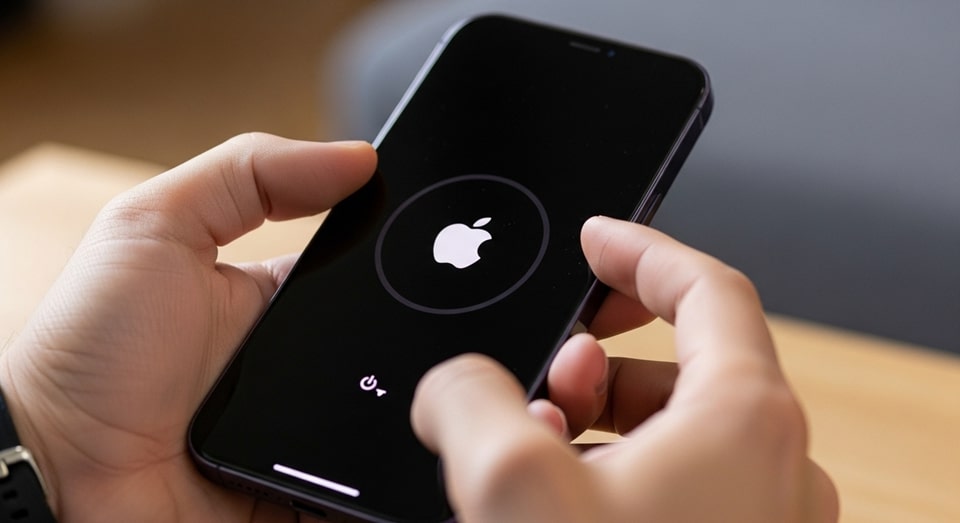
Keeping your iPhone or iPad updated is one of the most important things you can do for security, performance, and access to new features. Updating is straightforward once you know where to look — go to Settings > General > Software Update and tap Download and Install if an update is waiting. I walk through every method below, including wireless, computer-based, and automatic updates, so you can pick whatever fits your situation.
Why Updating Your iPhone or iPad Matters
Apple releases iOS and iPadOS updates for three main reasons: security patches, bug fixes, and new features. Security updates are the most urgent. The latest iOS 26.4 release, for example, closed 37 confirmed security vulnerabilities — some serious enough that Apple issued an active warning urging all users to install it immediately. Skipping updates leaves your device exposed to exploits that attackers are already using in the wild.
Beyond security, updates improve system stability, fix app crashes, and can noticeably improve battery life on older devices. Post-update battery drain usually settles within 24 to 48 hours as the device re-indexes — so don’t panic if your iPhone runs warm or drains faster right after installing.
If your device is running low on space before you start, check out these practical ways to free up storage space on your iPhone — iOS updates typically require between 1 GB and 4 GB of free space depending on the version.
Before You Update: Three Things to Do First
Taking two minutes to prepare before an update will save you from headaches later.
Back Up Your Device
Apple’s update process is designed to preserve your data, but backups are non-negotiable before any major iOS version jump. Go to Settings > [Your Name] > iCloud > iCloud Backup and tap Back Up Now. Wait for the backup to complete before proceeding. Alternatively, connect to your Mac or PC and back up locally through Finder or iTunes — local backups are faster and don’t count against your iCloud storage limit.
Charge Your Device or Plug It In
Apple requires your iPhone or iPad to have at least 50% battery before installing an update wirelessly. Plugging into a charger removes this restriction and also prevents the update from pausing mid-install if your battery drops unexpectedly. I always plug in regardless of battery level — it’s not worth the risk of an interrupted install.
Connect to Wi-Fi
iOS updates range from a few hundred megabytes to several gigabytes. Downloading over cellular not only burns through your data allowance but is also slower and less stable than Wi-Fi. Make sure you’re on a reliable Wi-Fi connection before you start. If you’re on a corporate or public network with restrictions, use your home network instead.
Method 1: Update iPhone or iPad Wirelessly (Over the Air)
This is the easiest and most common method. You don’t need a computer or any extra equipment.
Steps to Update Wirelessly
Open the Settings app on your iPhone or iPad. Tap General, then tap Software Update. Your device checks Apple’s servers for available updates. If an update is available, you’ll see the version number and release notes. Tap Download and Install. You may be asked to enter your passcode. After the download finishes, tap Install Now — or tap Install Tonight if you want the update to install automatically overnight while the device is plugged in and on Wi-Fi.
Your iPhone or iPad will restart during the installation process. The Apple logo with a progress bar will appear on screen. For small updates, this takes two to five minutes. For major version upgrades, it can take 15 to 30 minutes. Do not unplug or restart your device while the progress bar is on screen.
After the restart, you’ll be prompted to enter your passcode. Go back to Settings > General > Software Update to confirm the update installed correctly — it should show “Your software is up to date.”
What to Do If the Download Fails
If the update download fails or gets stuck, try these steps in order. First, restart your iPhone or iPad and attempt the download again. If the update file appears corrupted, go to Settings > General > iPhone Storage (or iPad Storage), find the downloaded update in the list, tap it, and delete it — then re-download fresh from Software Update. If your device still won’t update wirelessly, switch to the computer method below.
Method 2: Enable Automatic Updates
If you don’t want to manually check for updates, you can configure your iPhone or iPad to download and install them automatically overnight. This is my preferred setup for devices I manage for clients — it keeps everything current without any manual effort.
How to Turn On Automatic Updates
Go to Settings > General > Software Update > Automatic Updates. You’ll see two toggles: Download iOS Updates and Install iOS Updates. Turn both on. With both enabled, your device will download new updates in the background when connected to Wi-Fi and automatically install them overnight while charging. You’ll see a notification the next morning confirming the update installed.
If you want the system to download updates but ask for your permission before installing, turn on Download iOS Updates and leave Install iOS Updates off. This gives you a heads-up before anything changes on the device.
There’s also a third toggle — Install System Files — which covers carrier updates and other behind-the-scenes system components. It’s safe to leave this on at all times.
Method 3: Update Using a Mac (Finder)
If your iPhone or iPad won’t update wirelessly — due to insufficient storage, a failed download, or a software issue — a computer-based update is the most reliable fallback. On Macs running macOS Catalina (10.15) or later, Apple replaced iTunes with Finder for device management.
Steps to Update via Finder on Mac
Connect your iPhone or iPad to your Mac with a USB or USB-C cable. Open Finder. Your device will appear in the Finder sidebar under Locations. Click on it. If prompted, tap Trust This Computer on your iPhone or iPad and enter your passcode. In Finder, click the General tab at the top of the device panel. Click Check for Update. If an update is available, click Download and Update. Enter your device passcode if prompted. The update will download to your Mac and install on your iPhone or iPad. Keep the device connected and the cable plugged in throughout the process.
Method 4: Update Using a Windows PC (iTunes or Apple Devices App)
On Windows, Apple has replaced iTunes with the Apple Devices app on Windows 10 and 11. If you’re still running iTunes, the steps are almost identical.
Steps to Update via Apple Devices App or iTunes
Download the Apple Devices app from the Microsoft Store if you haven’t already, or open iTunes if that’s what you have installed. Connect your iPhone or iPad to the PC with a USB cable. Trust the computer if prompted on the device. Select your device in the app — it appears in the top-left toolbar in iTunes, or in the sidebar in Apple Devices. Click Check for Update. Click Download and Update if a newer version is available. Keep the device connected until the process completes and your iPhone or iPad restarts.
How to Update a Specific App on iPhone or iPad
Software Update only handles iOS and iPadOS — not your individual apps. To update apps, open the App Store, tap your profile photo in the top-right corner, then scroll down to see available app updates. Tap Update All or update apps individually. You can also enable automatic app updates in Settings > App Store > App Updates to keep everything current without any manual effort.
How to Update to iOS 26
iOS 26 is the current major version from Apple. The update process is identical to any other iOS update — go to Settings > General > Software Update. If your device is compatible, iOS 26 will appear as an available update. Compatible devices include iPhone 13 and later models at minimum (older devices may be cut off depending on the sub-version). If the update doesn’t appear, your device may not be supported on the latest major version, or Apple may be rolling it out in stages to your region.
To confirm what version of iOS is currently installed on your device, go to Settings > General > About and look at the iOS Version line. You can also check the latest iOS version history to see where your device stands.
Fixing Common Update Problems
iPhone Says “Not Enough Storage” for the Update
iOS will offer to temporarily remove some apps to free up space for the update, then restore them afterward. Tap Continue if you see this prompt — your data is preserved. Alternatively, delete large apps, photos, or unused downloads manually before trying again. If you need a more thorough cleanup, there are several storage management options worth knowing about before your next update.
Update Stuck at the Apple Logo
If your iPhone or iPad appears frozen during the update with the Apple logo on screen, wait at least 30 minutes before intervening — large updates genuinely take this long on some devices. If it’s been over an hour with no progress bar movement, force restart your device: on iPhone 8 and later, quickly press and release Volume Up, then Volume Down, then hold the Side button until the Apple logo appears. On older models, hold Home and Side simultaneously. If the device still won’t boot normally after a force restart, connect to a computer and use Finder or iTunes to restore.
Update Fails With an Error Message
Error messages during wireless updates are usually caused by a temporary Apple server issue or a corrupted download. Wait 30 minutes and try again. If the error persists, delete the downloaded update file from iPhone Storage and download fresh. Switching to a computer-based update via Finder or iTunes bypasses most wireless update errors entirely. If your screen isn’t responding properly after an update, consult this guide on common iPhone screen issues and how to fix them.
Battery Drains Fast After Updating
Post-update battery drain is normal and temporary. iOS re-indexes Spotlight, re-optimizes apps, and performs background tasks after a major update. This typically settles within 24 to 48 hours. If battery drain persists beyond three days, go to Settings > Battery to see which apps are consuming the most power. Disabling Background App Refresh for high-drain apps usually resolves lingering issues.
How to Check If Your iPhone or iPad Is Already Up to Date
Open Settings > General > Software Update. If your device is on the latest version, you’ll see “Your software is up to date” with the current version number displayed. You can also go to Settings > General > About and check the iOS Version field directly. If your device is still on iOS 18 or earlier, Apple is actively warning users to update given the active security vulnerabilities being exploited in ongoing hacking campaigns.
What Happens to Your Data When You Update
iOS and iPadOS updates do not delete your photos, apps, contacts, or settings. Everything is preserved through a standard update. The one exception is if something goes wrong mid-install and the device needs to be restored — which is extremely rare and almost always recoverable with a prior backup. This is exactly why backing up before any major update is the right habit to build, even if you’ve never had a problem in years of updating.
If you ever need to reset your iPad or start fresh after an update gone wrong, a recent iCloud or local backup makes the process painless.
Can You Go Back to an Older iOS Version?
Rolling back to an older iOS version is not supported through normal means. Apple only signs (authenticates) the current iOS version and sometimes the immediately preceding one for a short window after a new release. Once Apple stops signing a version, you cannot downgrade to it — even through Finder or iTunes. This is why it’s worth reading the release notes and waiting a day or two after a new major version drops to see if early bugs are reported, before updating if you’re risk-averse.
Frequently Asked Questions
How long does an iPhone update take?
Minor updates — security patches and point releases — typically take 5 to 10 minutes from download to restart completion. Major version updates like iOS 26 can take 20 to 40 minutes on older hardware. Download time depends entirely on your internet speed and how busy Apple’s servers are on release day. Updates download faster on subsequent days after a release when server load drops.
Can I use my iPhone while it’s updating?
You can use your iPhone while an update is downloading in the background. Once you tap Install Now or Install Tonight, the device becomes unavailable until the installation and restart complete. Don’t try to use the device during this phase — just let it finish.
Do I need Wi-Fi to update my iPhone?
Apple requires Wi-Fi for over-the-air updates due to file size. Cellular updates are blocked by default. If you have no Wi-Fi access, use the computer method — connect to a Mac or PC and update through Finder or the Apple Devices app, which downloads the update file over your computer’s internet connection instead.
Why isn’t the update showing up on my iPhone?
If an expected update isn’t appearing in Software Update, several things could be happening. Apple rolls out updates in stages by region — your device may receive it a day or two after the initial release. Your device may also be ineligible for the update if it’s too old. Finally, if you’re on a managed device through a school or employer, your administrator may be controlling update availability. Try restarting your iPhone and checking Software Update again.
Is it safe to update to iOS 26 right now?
Based on current security advisories and reports, iOS 26.4 is the version Apple is actively recommending. It patches 37 security holes, including vulnerabilities being actively exploited. Waiting to update in this case carries more risk than updating. That said, if you want to check community feedback first, sites like MacRumors and Reddit’s r/ios track real-world update issues within hours of release.
