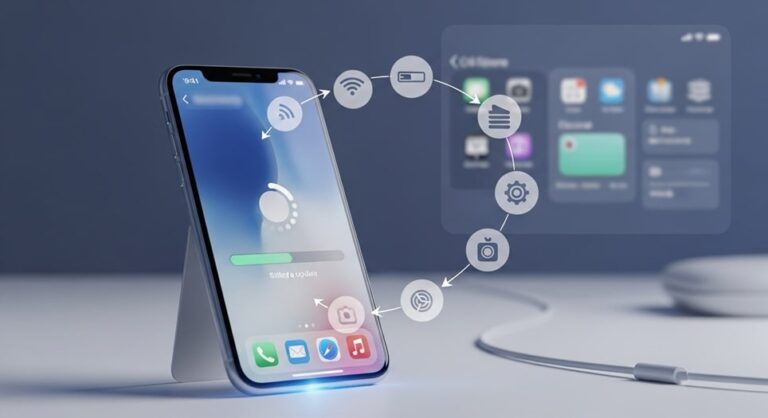
Understanding the Importance of App Updates
Regularly updating applications on an iPhone ensures optimal functionality, enhanced security, and access to the latest features. Developers release updates to address bugs, improve performance, and introduce new capabilities that align with evolving user needs and iOS advancements. Without these updates, apps may become incompatible with the operating system, leading to crashes or reduced efficiency.
From a security perspective, updates patch vulnerabilities that could expose personal data to threats. Apple emphasizes that keeping apps current is a fundamental aspect of maintaining device health, as outdated software can compromise the overall ecosystem. Users who neglect updates risk missing critical fixes that safeguard against malware or unauthorized access.
Performance enhancements in updates often include optimizations for battery life and storage usage, making devices run smoother over time. For instance, background processes in newer versions are more efficient, reducing unnecessary resource consumption. This proactive approach not only extends device longevity but also enhances the user experience across daily tasks.
Enabling Automatic App Updates for Seamless Management
Automatic app updates represent a convenient feature designed to keep applications current without manual intervention. When enabled, the iPhone downloads and installs updates in the background, typically over Wi-Fi to conserve cellular data. This setting is activated by default upon device setup, reflecting Apple’s commitment to effortless maintenance.
To access this option, navigate to the Settings application, which serves as the central hub for iOS configurations. Within Settings, select the Apps section, followed by App Store. Here, users encounter the App Updates toggle, which can be switched on or off based on preferences. Enabling it allows the system to handle updates autonomously, notifying users only upon completion or if issues arise.
Considerations for cellular data usage are integrated into this feature. An additional toggle permits updates over cellular networks, ideal for users in areas with limited Wi-Fi access. However, Apple advises caution with this option to avoid unexpected data charges, particularly for large updates.
Benefits of automatic updates extend beyond convenience; they ensure timely security patches, minimizing exposure windows to potential exploits. For families sharing devices, this feature maintains consistency across profiles, preventing discrepancies in app versions. Disabling it, conversely, grants control for those monitoring data or preferring to review release notes prior to installation.
Step-by-Step Guide to Configuring Automatic Updates
Begin by unlocking the iPhone and locating the Settings icon on the Home Screen, characterized by its gear-like appearance. Tapping it opens a menu of adjustable parameters, where personalization meets system oversight. Scroll to the Apps category, which groups software-related options for streamlined navigation.
Upon entering Apps, proceed to App Store, a subsection dedicated to digital marketplace preferences. The interface displays several toggles, including one labeled App Updates. Activating this switch initiates background monitoring for new versions, with the iPhone intelligently scheduling installations during low-activity periods to avoid disruptions.
For those concerned about data consumption, explore the Cellular Data sub-option within the same menu. Enabling updates over cellular allows flexibility but should be weighed against plan limitations. Testing the configuration involves observing the App Store for pending notifications, confirming the system’s proactive behavior.
Performing Manual App Updates
Manual updates offer users granular control, allowing selective installation of new versions. This method proves useful when automatic features are disabled or for immediate access to enhancements. The App Store app, pre-installed on every iPhone, centralizes this process, providing a unified view of available updates.
To initiate a manual update, launch the App Store by tapping its icon, featuring a stylized “A” on a blue background. At the screen’s upper right, tap the profile icon or photo associated with the Apple ID. This action reveals account details and a scrollable list of pending updates, complete with version notes for informed decision-making.
Each entry displays the app name, current version, and a brief description of changes. Tapping Update beside a specific app triggers the download, while selecting Update All processes all queued items efficiently. Progress indicators appear as circular arrows, filling as the installation advances.
During the update, the iPhone may prompt for authentication via Face ID, Touch ID, or passcode to verify the action. This security layer ensures only authorized changes occur, aligning with Apple’s privacy standards. Once complete, the app icon reflects the new version, often with a subtle badge indicating recent activity.
Detailed Steps for Manual Updates
First, ensure a stable internet connection, as updates require downloading files from Apple’s servers. Wi-Fi is preferable for larger packages to expedite the process and avoid data caps. Open the App Store and authenticate if prompted, confirming the linked Apple ID holds update permissions.
Scroll through the updates section to review release notes, which detail fixes, features, and compatibility requirements. This review aids in prioritizing essential updates, such as those addressing known bugs affecting daily use. Proceed by tapping the desired Update button, observing the download bar for real-time feedback.
For bulk operations, Update All streamlines the workflow, though it may temporarily occupy bandwidth. Monitor device temperature, as intensive downloads can generate heat; pausing non-essential tasks maintains comfort. Post-update, relaunch the app to verify seamless integration with iOS.
Troubleshooting When Updates Fail to Install
Occasional hurdles in the update process, such as stalled downloads or error prompts, are common and often resolvable through systematic checks. These issues stem from network instability, storage constraints, or account discrepancies, but Apple’s diagnostics provide clear pathways to resolution. Addressing them promptly restores functionality without extensive intervention.
A primary indicator of trouble is a persistent loading icon or message like “Update Not Available,” signaling underlying constraints. Users should first verify basic prerequisites, including sufficient battery life and an active internet connection. These foundational elements underpin all update activities, preventing interruptions mid-process.
Advanced diagnostics involve examining Apple ID status and device storage, as mismatches here frequently cause failures. Apple’s support framework encourages iterative testing, starting with simple resets before escalating to account management. This layered approach minimizes frustration while maximizing success rates.
In cases of repeated failures, documenting error specifics aids in targeted fixes. Screenshots of messages facilitate communication with support if needed, ensuring efficient guidance. Patience during troubleshooting yields reliable outcomes, reinforcing the iPhone’s robust ecosystem.
Common Issues and Sequential Solutions
The following list details prevalent update problems, each with explanatory steps and rationales for effectiveness. These draw from established procedures, emphasizing verification at each stage to isolate causes. Implementing them in order promotes efficiency, with progression to subsequent items only if prior attempts falter.
- Insufficient Storage Space: Updates require temporary room for download files, often equaling the app’s size doubled. To resolve, navigate to Settings > General > iPhone Storage, identifying space hogs for deletion or offloading. This action frees capacity, allowing the update to proceed; subsequently, monitor usage patterns to prevent recurrence, as proactive management sustains long-term performance.
- Unstable Internet Connection: Fluctuating Wi-Fi or cellular signals interrupt transfers, manifesting as paused progress bars. Switch to a stronger network via Control Center, toggling Airplane Mode briefly to reset connections. Reliability improves post-switch, underscoring the need for stable bandwidth; for remote users, public hotspots serve as viable alternatives during troubleshooting.
- Apple ID Sign-In Errors: Mismatched credentials block access, prompting authentication failures. Sign out from Settings > Apple ID > Media & Purchases, then sign back in with verified details. This refreshes tokens, restoring permissions; two-factor authentication may prompt during re-entry, enhancing security while resolving the impasse.
- Pending Payment Method Validation: Even free updates demand a valid payment on file for verification. Add or update via Settings > Apple ID > Payment & Shipping, selecting a method and confirming. Compliance unlocks downloads, as it verifies account legitimacy; users without cards can use gift cards, maintaining accessibility across financial situations.
- Device Restart Required: System caches accumulate glitches, halting processes. Perform a soft restart by holding the power button and volume down until the slider appears, then power off and on. This clears memory, rebooting services; iOS’s resilience shines here, with most issues evaporating upon fresh start, minimizing data loss risks.
- Queued Download Conflicts: Multiple pending items create backlogs, stalling individuals. Prioritize via Home Screen long-press on the app icon, selecting from the menu. Elevation accelerates completion, optimizing queue flow; this feature empowers user control, especially during peak update seasons like major iOS releases.
- Software Version Incompatibility: Outdated iOS prevents certain app versions. Check Settings > General > Software Update for availability, installing if prompted. Alignment ensures compatibility, as developers tailor updates to OS levels; delayed iOS upgrades compound app issues, highlighting the interplay between system and application maintenance.
- Cache and Temporary File Buildup: Accumulated data clogs the App Store pipeline. Offload the App Store app temporarily via Settings > General > iPhone Storage, then reinstall from the Home Screen. Purging refreshes operations, akin to a digital cleanse; recurrence is rare, but periodic offloads benefit overall storage hygiene.
Optimizing Your iPhone for Efficient Updates
Beyond basic procedures, optimizing the device enhances update reliability and speed. Factors like battery optimization and background refresh settings influence download efficiency, warranting periodic reviews. Apple’s ecosystem encourages holistic care, where app management integrates with broader device health strategies.
Low Power Mode, activated during extended sessions, throttles background activities including updates. Disabling it temporarily via Control Center allows full-speed processing, though monitoring charge levels prevents over-discharge. This balance suits power users balancing productivity with conservation.
Background App Refresh, found in Settings > General, permits apps to update content proactively, indirectly supporting App Store operations. Selective enabling for essential apps conserves resources while maintaining currency. Fine-tuning these parameters tailors the experience to individual workflows.
Regular iOS updates complement app maintenance, as system enhancements often streamline download mechanisms. Scheduling these during off-peak hours minimizes disruptions, aligning with Apple’s phased rollout to ensure stability. This synchronized approach fortifies the iPhone against obsolescence.
Monitoring and Managing Update History
The App Store’s Updated Recently section logs recent installations, aiding in version tracking. Accessing it post-update verifies completions and highlights patterns, such as frequent needs for specific apps. This visibility fosters informed decisions on retention or removal.
For enterprise users, Volume Purchase Program integrations automate fleet updates, but individual settings mirror personal devices. Reviewing purchase history via the profile menu uncovers subscription ties, ensuring aligned billing with active usage. Comprehensive oversight prevents overlooked costs or lapsed features.
Third-party apps from sources outside the App Store demand developer-specific updates, bypassing iOS tools. Contacting vendors directly maintains parity, though Apple’s sandboxing limits integration risks. This distinction underscores the App Store’s role in standardized management.
Security Considerations in App Updates
Updates serve as a frontline defense, incorporating cryptographic signatures to verify authenticity. Apple’s rigorous review process ensures only vetted changes reach devices, mitigating tampering risks. Users benefit from this vetting, as malicious code infiltration becomes improbable through official channels.
Phishing attempts mimicking update prompts necessitate vigilance; always initiate via the App Store, avoiding unsolicited links. Enabling two-factor authentication bolsters account security, adding layers against unauthorized modifications. These practices safeguard data integrity amid digital threats.
Post-update scans by iOS detect anomalies, prompting user alerts if discrepancies arise. This proactive monitoring, combined with regular backups via iCloud, provides recovery nets. Emphasizing these elements cultivates a secure usage paradigm.
For parental controls, Screen Time restrictions can limit update approvals, empowering oversight. Configuring these in Settings > Screen Time > Content & Privacy Restrictions filters app changes, aligning with family guidelines. This customization extends protection to vulnerable users.
Impact of Updates on Battery and Performance
Large updates temporarily elevate CPU usage, potentially shortening battery life during installation. Scheduling via Low Data Mode or overnight charging circumvents daytime drains, preserving daily endurance. Empirical observations show minimal long-term impact, with optimizations offsetting initial costs.
Performance uplifts manifest in smoother animations and faster load times, attributable to code refinements. Benchmarking pre- and post-update reveals quantifiable gains, particularly in multitasking scenarios. These improvements justify the brief inconvenience, enhancing overall responsiveness.
Storage implications vary; some updates slim profiles through compression, while others expand with media. Routine audits via storage analytics identify bloat, informing deletion strategies. This equilibrium supports sustained efficiency without constant intervention.
Integrating Updates with Broader iOS Maintenance
App updates harmonize with iOS system refreshes, where bundled deliveries amplify efficiency. During major releases like iOS 18, app compatibility checks precede installations, averting conflicts. This interdependence necessitates coordinated scheduling for maximal benefits.
iCloud syncing ensures update states propagate across devices, maintaining uniformity. Enabling this in Settings > Apple ID > iCloud > Apps synchronizes versions, simplifying multi-device households. Seamless transitions reduce reconfiguration efforts.
Accessibility features, such as VoiceOver compatibility in updates, broaden inclusivity. Testing post-installation confirms functionality, with feedback loops to developers refining iterations. This iterative enhancement elevates user satisfaction universally.
Enterprise deployments leverage MDM tools for enforced updates, ensuring compliance. Individual parallels include reminders via notifications, prompting adherence. Cultivating these habits embeds maintenance into routines, fortifying digital wellness.
Conclusion
Maintaining up-to-date applications on an iPhone through automatic or manual methods fortifies security, performance, and feature access, forming the cornerstone of effective device management. Configuring automatic updates in Settings streamlines this process, while manual interventions via the App Store provide precision when needed. Troubleshooting stalled updates involves methodical steps like verifying storage, connections, and Apple ID integrity, often resolving issues swiftly without external aid.
Optimizations such as prioritizing downloads and managing background refresh further enhance reliability, complemented by security practices that verify update legitimacy. Integrating these with iOS-wide maintenance and accessibility considerations ensures a holistic approach, minimizing disruptions while maximizing benefits. Ultimately, consistent app updates empower users to leverage their iPhone’s full potential, safeguarding investments in a dynamic technological landscape.