

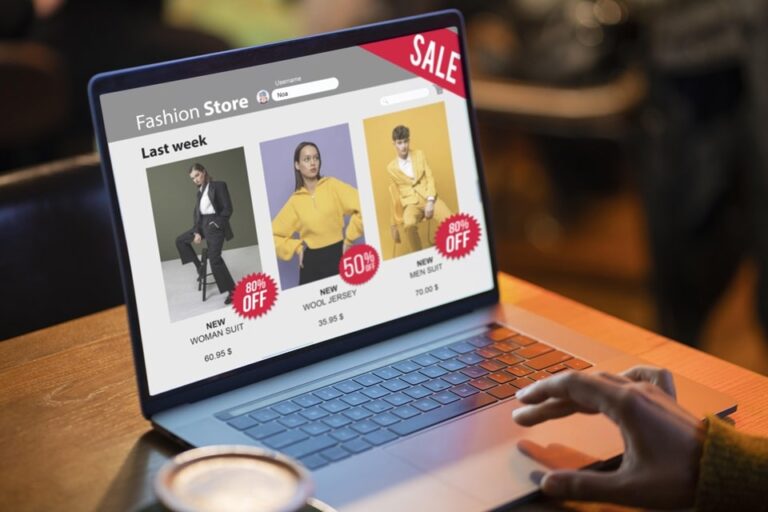
Starting an ecommerce business in 2025 can be a rewarding way to build a scalable online brand — but success depends on thoughtful planning, efficient execution, and ongoing optimization. This guide walks you through everything you need to go from concept to first profits, with actionable steps grounded in current industry best practices.
Introduction: Why 2025 Is a Good Year to Start Ecommerce
The expansion of digital commerce shows no sign of slowing. Thanks to more accessible platforms, better tools, and changing consumer behavior — including rising comfort with online shopping — launching an ecommerce store has become easier and more practical than ever. But easier doesn’t mean trivial: what separates successful stores from the rest is attention to product-market fit, user experience, and a smart go-to-market strategy. The remainder of this article lays out a structured, practical roadmap to help you build a strong foundation, launch quickly, and grow sustainably.
Step 1: Define Your Niche, Product, and Value Proposition
Before building a site or placing suppliers, the first critical step is to decide WHAT you will sell and WHY people should buy from you — not just what you think is “cool.” A well-defined niche and clear value proposition help you stand out, avoid oversaturated markets, and attract a focused customer base.
- Pick a narrow niche: A broad store with everything rarely wins. Choose a segment small enough to target precisely, but with enough demand to support sales. Narrow niches reduce competition and make marketing more effective.
- Define your ideal customer: Think about age, lifestyle, budget, and pain points. Who is your product for? What problem does it solve or what desire does it satisfy?
- Craft a compelling promise: Write a clear one-sentence value statement (e.g., “Eco-friendly, minimalist backpacks for city commuters”). This guides design, copy, sourcing, and branding decisions.
- Validate interest before heavy investment: Consider pre-selling, collecting emails, or running a small ad campaign to test demand before ordering large inventory. It reduces risk and helps gauge real interest.
- Research your competition: Look at what similar stores offer, how they present their products, their pricing, and customer reviews. Identify gaps — quality, price, branding, customer service — where you might differentiate.
Step 2: Choose Your Business Model and Selling Platform
How you deliver products and which platform you use shape your startup costs, control level, and long-term scalability. There are several common models, each with pros and cons.
- Stock & Ship Yourself: You buy inventory, store it (in home, warehouse, or rented space), and handle packaging and shipping. Pros: full control, higher margins. Cons: higher upfront cost, storage logistics, potential risk if stock doesn’t move quickly.
- Print-on-Demand (POD): No inventory needed — you send designs to a POD service that prints and ships items per order. Pros: minimal startup cost, low risk. Cons: lower margins, less control over quality and shipping speed.
- Dropshipping: Supplier ships products directly to customers. Pros: low overhead, minimal inventory risk. Cons: thinner margins, less control over fulfillment and shipping times, which can impact customer satisfaction.
- Marketplace + Own Store Hybrid: Use marketplaces (like big established platforms) for reach while building your own website for brand identity and better margins. This gives exposure while retaining long-term brand value.
- Platform selection: Begin with beginner-friendly platforms if you’re non-technical; as you scale, consider more customizable options. The goal is a secure checkout, clean templates, built-in payment/shipping support, and flexibility to grow.
Step 3: Build Your Brand — Name, Domain, Visual Identity
Branding is more than just a logo. It defines how customers perceive your store and influences trust, recognition, and loyalty. A strong brand fosters professional credibility and supports cohesive marketing efforts.
- Pick a memorable, easy-to-spell business name: Avoid overly long or obscure names. Check domain availability and ensure social media handles match or are close.
- Design basic brand visuals: Even a simple logo, two brand colors, and one font can make a big difference. Consistent branding builds recognition and can improve perceived quality.
- Ensure brand consistency across touchpoints: Your website, product packaging, email, and social media should reflect the same style, tone, and values. Consistency increases customer trust and loyalty.
- Register domain and set up basic legal/administrative details: Even as a small shop, you may want a legal structure (LLC or equivalent) to separate personal and business finances, manage taxes, and build legitimacy.
Step 4: Build Your Store — Structure, Pages, and UX
Your online store is your digital storefront. First impressions matter — so design and user experience (UX) count. A clean, easy-to-navigate, fast-loading, and mobile-optimized store will perform better for potential customers and search engines alike.
- Use a clean, mobile-responsive design: Most shoppers browse via mobile. The site must look good and load fast across devices. A cluttered or slow store can lead to high bounce rates.
- Create a clear site structure: Organize categories, subcategories, and product pages logically. Use breadcrumbs, navigation menus, and search/filter options to make browsing easy. This helps users and improves SEO crawlability.
- Optimize product pages: Use high-quality photos (multiple angles, context/in-use shots, close-ups), detailed descriptions (features, benefits, size/fit), and transparent information (shipping cost/time, returns, policies). Add trust signals like secure checkout, customer reviews, and return policy to build buyer confidence.
- Implement technical best practices: Use HTTPS, set up an XML sitemap, optimize images, compress resources, and make sure your site passes core web performance metrics (fast page load, smooth navigation). Also make checkout as simple as possible — offer guest checkout, multiple payment options, transparent costs before final confirmation.
- Set up analytics and tracking from day one: Use tools to monitor traffic sources, page performance, conversion rate, cart abandonment, and other metrics. Understanding user behavior early helps you make data-driven improvements over time.
Step 5: Plan Fulfillment, Shipping, Payments, Returns
Logistics and fulfillment are often where new shops stumble. A smooth, reliable system for order fulfillment, shipping, and returns is essential to deliver a good customer experience and avoid operational headaches.
- Decide how orders will be fulfilled: If you stock items, prepare storage, packing materials, and a process for labeling, packaging, and shipping. For dropshipping or POD, choose providers with reliable turnaround times and good communication.
- Be transparent about shipping costs and times: Hidden or high shipping costs are a common reason shoppers abandon carts. Offer flat-rate, free-over-threshold, or carrier-calculated options — whichever makes sense for your margins.
- Include a clear returns/exchange policy: Returns make buyers more comfortable — especially for first-time customers. A fair, easy-to-follow policy increases trust and can improve conversion rates.
- Support multiple payment methods: Card payments, digital wallets (PayPal, Apple Pay, etc.), “Buy Now, Pay Later” (if supported), and other popular local payment options. Flexibility can reduce friction and increase conversions.
- Plan for scaling fulfillment: Once order volume grows, consider a third-party logistics (3PL) partner or fulfillment center to handle storage, packing, and shipping so you can focus on marketing and growth.
Step 6: Launch Your Store with a Smart Marketing Plan
Launching isn’t just about flipping a “publish” switch. To get orders — especially early ones — you need to actively drive traffic, build trust, and get the first customers. A cost-effective, multichannel marketing plan is crucial.
- Start with organic & SEO efforts: Optimize product titles, page metadata, image alt text, and content around keywords your target customers are likely to use. Publishing helpful content (guides, blog posts, product use cases) can attract visitors and boost SEO over time.
- Leverage social media and social commerce: Focus on platforms where your audience hangs out. Consider posting product showcases, behind-the-scenes stories, unboxing videos, or user-generated content. As social platforms increasingly integrate shopping features, you can sell directly or funnel traffic to your store.
- Use email marketing from day one: Add a signup form (with a small incentive — discount, early access, free guide) to collect potential customer emails. Send welcome series, product announcements, and occasional promotions to engage and convert prospects.
- Test paid advertising if budget allows: Use targeted ads on social media or search engines to reach ideal customers. Start small, measure Customer Acquisition Cost (CAC) and Return on Ad Spend (ROAS), and refine creatives and targeting before scaling up.
- Leverage social proof and trust-building tactics: Solicit early customers for honest reviews, build testimonials, and highlight secure checkout, free/clear returns, shipping transparency, and support contact info. First impressions matter a lot online.
Step 7: Measure, Learn, and Iterate — Build for Long-Term Growth
Your store launch is just the beginning. Ecommerce success depends on continuous improvement, experimentation, and adaptation based on real data and customer feedback.
- Track key metrics: Monitor traffic sources, bounce rate, conversion rate (CR), cart abandonment, average order value (AOV), and customer lifetime value (CLTV). These data points tell you what’s working and what needs improvement.
- Prioritize small, incremental changes: Optimize high-impact things first — product pages, checkout flow, shipping transparency, site speed, and customer support. Small improvements can compound significantly over time.
- Test and refine marketing strategies: A/B test ad creatives, landing pages, email subject lines, call-to-action buttons, and content formats. Use learnings to scale what works and drop what doesn’t.
- Focus on customer retention: Repeat customers are often more profitable than new customers. Encourage reviews, loyalty, repeat purchases, upsells or bundles, referral incentives, and good post-purchase experience.
- Stay adaptive and open to trends: The ecommerce landscape changes constantly — from consumer behavior to technology trends (e.g., mobile buying, social commerce, AI-powered personalization). Be ready to evolve your store accordingly.
Emerging Trends & Key Considerations for 2025
Building a modern ecommerce business isn’t just about replicating old strategies. As technology and consumer preferences evolve, newer factors become critical to success. Understanding these can give your store a competitive edge.
- AI-Powered Personalization and Tools: Artificial intelligence — from personalized product recommendations to chatbots and content automation — is becoming central to modern ecommerce. Using AI tools can help deliver tailored experiences, boost conversions, and reduce manual workload.
- Social Commerce & Multi-Channel Selling: Many users now discover and buy products directly on social platforms. Having a presence on those channels — not just for promotion but for actual sales — helps expand reach and reduce friction from discovery to purchase.
- Mobile-First Experience: As more shoppers use smartphones and tablets, ensuring your store is mobile optimized (fast load times, simple navigation, checkout friendly) is no longer optional — it’s essential.
- Unified or Omni-Channel Commerce: Blending different sales channels (own website, marketplaces, social commerce, maybe physical retail) helps you reach wider audiences and reduces reliance on one channel. This flexibility supports scalability and resilience.
- Focus on User Experience and Trust: Clean design, transparent policies, simple checkout, responsive customer service, and a smooth user journey — all of this contributes to a trustworthy brand. First impressions shape long-term success.
Common Pitfalls to Avoid — and How to Get Around Them
Starting strong is just part of the battle. There are common mistakes new ecommerce founders often make — knowing about them ahead of time can save you time, money, and headaches.
- Trying to sell too many things at once: A broad catalog increases complexity (inventory, fulfillment, marketing) and dilutes brand identity. Launch with a small, focused offering — you can expand later when you better understand your audience and operations.
- Neglecting site speed and UX: Slow-loading pages, poor mobile design, confusing navigation or checkout will kill conversions. Prioritize performance and usability from day one.
- Overrelying on paid ads too early: Ads can bring traffic, but if product-market fit isn’t strong or the store UX is weak, you’ll waste money. Combine ads with organic strategies (SEO, content, social) and aim for sustainable growth rather than short-term spikes.
- Ignoring fulfillment and customer service logistics: Poor shipping speed, high shipping costs, unclear return policies, or bad communication turn early buyers into negative reviews — damaging long-term reputation.
- Lack of data tracking and iteration: Without analytics, you won’t know which parts of your store or marketing are working. Make data-driven decisions, test consistently, and learn from results.
Pro Tips: Boosting Your Chances of Success
To give yourself an even stronger start, here are expert-level tips cultivated from observation of successful ecommerce stores and current market trends:
- Start with a “minimum viable store”: Launch with essential pages and a small catalogue, then iterate — this reduces upfront cost and lets you test demand quickly before scaling.
- Focus on one primary marketing channel first: Instead of spreading across many channels, choose the one where your audience is most active (social, search, paid ads), and build consistency there before expanding.
- Leverage user-generated content and social proof: Encourage early buyers to leave honest reviews, post unboxing or real-use images, or share feedback — real customers’ voices build trust more than polished marketing.
- Bundle products or offer exclusivity: Use limited editions, small collections or bundles to create perceived value and urgency — often more effective than broad discounts.
- Plan for scaling early: Even if starting small, think about how you’ll handle larger order volumes, fulfillment outsourcing, inventory management, and customer support to avoid being overwhelmed later.
Frequently Asked Questions (FAQ)
Is a big budget required to start an ecommerce store?
Not necessarily. Because of flexible business models (dropshipping, print-on-demand) and affordable platforms, you can start with minimal upfront investment. Many stores begin with a few hundred dollars or even less. The key is to validate your idea before spending heavily on inventory or marketing.
How long does it take to launch a basic store?
With a clear niche and product, you can have a simple store operational within 1–4 weeks. That includes picking a platform, setting up your domain, listing products, and preparing basic branding and copy. The timeline may extend if you handle inventory, fulfillment, or need custom development.
Can I succeed even if I’m not good at technical stuff?
Yes. Many ecommerce platforms are user-friendly and designed for non-technical users. As long as you follow basic best practices — clean design, clear copy, good product photos, secure checkout — you can build a functional store. As your store grows, you can learn or outsource more technical aspects.
Should I rely only on social media or only on search engine traffic?
It’s best to combine both. Social media helps you reach engaged audiences quickly and build brand personality, while SEO and content build long-term, organic discovery. Diversifying marketing channels reduces dependence on any single source of traffic.
When should I consider scaling or outsourcing fulfillment?
Once you consistently receive more orders than what you can comfortably handle manually (for many, that’s around 100–200 orders/month), it’s time to consider outsourcing. Use third-party logistics (3PL) providers or fulfillment centers to ensure timely shipping and maintain customer satisfaction.
Conclusion
Launching a successful ecommerce store in 2025 is a realistic — even promising — endeavor. But it requires more than ambition: you need clarity about your niche, a strong value proposition, well-designed store structure, transparent operations, and a smart marketing plan. By starting with a focused offering, building a clean and trustworthy store, and iterating based on real data and customer feedback, you can build a sustainable online business. Use the roadmap above as a foundation, but stay adaptive: the ecommerce landscape evolves quickly, and the most successful stores combine consistency with agility. With commitment and strategic execution, your ecommerce venture can grow from first sale to a thriving, scalable business.

Full-stack developer at Scylla Technologies (USA), working remotely from Bangladesh. Adobe Certified Magento Developer.
