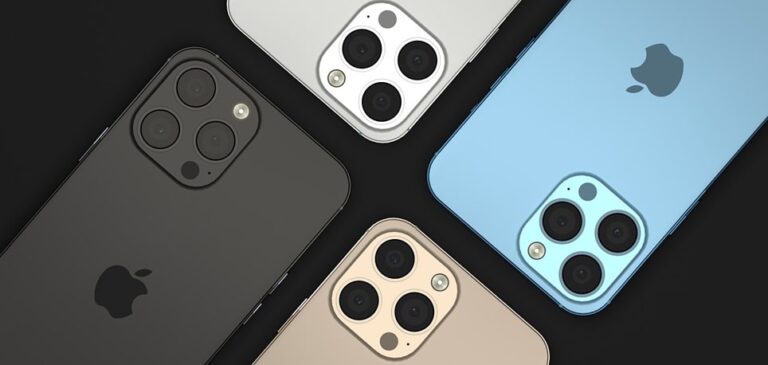
The Ultimate Guide to Building a Successful Phone Flipping Business
The secondhand smartphone industry has evolved into a massive global marketplace, with market analysts projecting the used and refurbished mobile phone sector to reach between 53 billion and 85 billion dollars by 2025. This explosive growth presents an unprecedented opportunity for entrepreneurs looking to enter the phone flipping business. With profit margins typically ranging from twenty to forty percent per device and the ability to start with minimal capital investment, phone flipping has become one of the most accessible and lucrative side businesses available today.
Phone flipping involves purchasing used, refurbished, or broken smartphones at below-market prices and reselling them for profit. Unlike traditional retail businesses that require substantial overhead costs, phone flippers can operate from home with just a few hundred dollars in starting capital. The beauty of this business model lies in its flexibility, as entrepreneurs can scale from flipping a few phones per month to building a full-time operation generating thousands of dollars weekly. Whether you’re looking for supplemental income or planning to replace your nine-to-five job, understanding the fundamentals of phone flipping can transform unused electronics into consistent revenue streams.
Understanding the Phone Flipping Business Model
The core principle of phone flipping centers on buying low and selling high, but success requires more than simple arbitrage. Professional phone flippers have developed systematic approaches to identify undervalued devices, authenticate their condition, and maximize resale value through strategic pricing and marketing. The business operates on rapid inventory turnover, with successful flippers typically holding devices for no more than two to three weeks before resale. This quick turnaround minimizes capital lock-up and allows entrepreneurs to reinvest profits into acquiring more inventory.
Market Dynamics and Growth Potential
The global refurbished and used mobile phone market demonstrates remarkable resilience and growth potential. Industry reports indicate the market was valued at approximately 46 to 69 billion dollars in 2024, depending on the research methodology. More importantly, projections suggest the market will expand to between 117 and 218 billion dollars by 2034, representing compound annual growth rates of six to fifteen percent. This sustained growth stems from multiple converging factors including rising new smartphone prices, increased environmental consciousness among consumers, and improved refurbishment technologies that extend device lifecycles.
North America represents a particularly lucrative market for phone flippers, with the United States expected to reach 88 million units in 2025 and grow to 112 million units by 2030. The region benefits from mature carrier programs, widespread e-commerce infrastructure, and high smartphone penetration rates exceeding ninety-eight percent. Meanwhile, the Asia-Pacific region shows the fastest growth rates, driven by affordability demands and expanding mobile connectivity across developing markets.
Profit Margins and Revenue Expectations
Professional phone flippers report average profit margins ranging from sixty to one hundred twenty dollars per device, with some high-end models yielding profits of one hundred to four hundred dollars. The actual margins depend on several variables including phone model, condition, purchase source, and selling platform. Industry data suggests typical markup percentages between twenty-five and one hundred percent, with corresponding profit margins of twenty-one to fifty percent after accounting for costs.
Real-world examples demonstrate the business’s viability. One entrepreneur documented earning over one thousand dollars profit in a single week by flipping twenty to thirty iPhones with a target profit of one hundred dollars per device. Another case study showed a seven-day challenge resulting in more than five hundred dollars profit from strategic purchases on Facebook Marketplace. Perhaps most impressively, one flipper reported starting with just sixty dollars and reaching nearly four thousand dollars in profit after one month of consistent activity.
Getting Started with Minimal Investment
One of phone flipping’s most attractive features is its low barrier to entry. Unlike many businesses requiring thousands in startup capital, aspiring phone flippers can begin with just a few hundred dollars. This initial investment covers purchasing one to three phones for resale, basic cleaning supplies, and potentially some repair tools if planning to fix broken devices. Many successful flippers started with even less, using profits from flipping their own old phones to fund their first inventory purchases.
Essential Startup Requirements
The fundamental requirements for starting a phone flipping business include minimal physical infrastructure and basic technical knowledge. First, entrepreneurs need reliable internet access and either a computer or smartphone for researching prices, communicating with buyers and sellers, and managing listings across various platforms. Second, a basic workspace at home suffices for inspecting, cleaning, and photographing devices. Third, access to secure meeting locations for local transactions, such as police station parking lots or busy commercial areas, ensures safety during in-person exchanges.
Financial requirements remain modest compared to traditional businesses. Most experts recommend starting with two hundred to five hundred dollars, which allows for purchasing multiple lower-priced devices or one higher-value phone. This diversification strategy helps mitigate risk while learning the business. Additionally, setting aside fifty to one hundred dollars for unexpected expenses like repairs, shipping materials, or advertising proves prudent. As the business grows and confidence increases, successful flippers reinvest profits to expand inventory capacity and pursue higher-value devices.
Choosing Your Niche and Focus Models
Successful phone flippers typically specialize in specific brands or models to develop expertise and streamline their operations. The two dominant choices are Apple iPhones and Samsung Galaxy devices, which together represent the vast majority of resale market activity. iPhones particularly stand out for their strong resale value retention, with iPhone 16 and 16 Pro models maintaining over seventy percent of original value even after one year of ownership. This value stability makes iPhones the preferred choice for many professional flippers.
Samsung Galaxy phones offer another excellent option, particularly models like the Galaxy S23 and S24 series. These devices provide solid profit margins while typically having lower purchase prices than equivalent iPhones, allowing flippers with limited capital to enter the market more easily. Some entrepreneurs choose to specialize exclusively in one brand to build deep expertise in pricing, common issues, and repair procedures. Others diversify across multiple manufacturers to capture broader market opportunities and reduce dependency on a single product line.
Sourcing Inventory at Profitable Prices
Finding phones to flip at prices that allow for profitable resale represents the single most critical skill in the business. Professional flippers develop systematic approaches to sourcing inventory through multiple channels, ensuring consistent deal flow even when individual sources dry up. The key lies in understanding where motivated sellers congregate and how to identify genuine bargains among countless listings. Successful sourcing requires patience, persistence, and the discipline to walk away from deals that don’t meet profit threshold requirements.
Online Marketplaces and Platforms
Facebook Marketplace has emerged as the premier sourcing platform for many phone flippers, offering a vast selection of used devices from individual sellers. The platform’s local focus enables face-to-face transactions, allowing buyers to inspect devices before purchase and avoid shipping scams. Effective Facebook sourcing involves setting up search alerts for specific models, checking listings multiple times daily, and responding quickly to newly posted phones priced below market value. Experienced flippers also leverage Facebook Ads to proactively seek inventory, creating campaigns that target people looking to sell their phones quickly.
Additional online platforms include Craigslist, OfferUp, and LetGo for local transactions, plus eBay, Swappa, and Mercari for shipped purchases. Each platform has distinct advantages and user demographics. eBay provides access to nationwide inventory with detailed listing histories for price research. Swappa specializes in verified working devices with strict quality requirements, offering higher average quality but potentially higher prices. OfferUp and LetGo attract sellers prioritizing convenience over maximum price, creating opportunities for savvy negotiators to secure excellent deals.
Alternative Sourcing Strategies
Beyond consumer marketplaces, several alternative sourcing channels provide inventory opportunities. Pawn shops frequently acquire phones from people needing quick cash, and shop owners often lack smartphone expertise to price devices optimally. Building relationships with local pawn shop managers can lead to preferential access to incoming inventory before items reach display cases. Similarly, phone repair shops sometimes accumulate broken devices from customers who chose to upgrade rather than repair, and these shops may sell these units at bulk discounts.
Wholesale liquidation auctions and bulk lots represent another sourcing avenue, particularly for flippers ready to scale beyond individual purchases. These opportunities require more capital upfront but offer significantly lower per-unit costs. However, bulk buying also carries higher risk since devices typically can’t be inspected before purchase. Successful wholesale sourcing demands expertise in estimating lot quality and factoring potential losses into pricing calculations.
Online classified sites like AliExpress and Alibaba provide access to international inventory, though these sources work better for new or refurbished devices than individual used phones. Finally, personal networks shouldn’t be overlooked. Letting friends, family, and social media connections know you buy used phones can generate steady deal flow from people who trust you and prioritize transaction convenience over absolute maximum price.
Authenticating and Evaluating Phones
Proper authentication and evaluation represent critical skills that separate profitable flippers from those who lose money on bad purchases. Every phone purchase carries inherent risks including undisclosed damage, stolen devices, or exaggerated condition claims. Developing systematic inspection procedures and using available verification tools helps minimize these risks and ensures you pay appropriate prices based on true device condition.
IMEI and ESN Verification
The International Mobile Equipment Identity number, known as the IMEI, serves as each phone’s unique identifier and provides the foundation for authentication. Before purchasing any device, flippers must verify the IMEI number using free online databases to check for several critical red flags. These databases reveal whether a phone has been reported stolen, blacklisted by carriers, or flagged for outstanding financial obligations. Purchasing a blacklisted phone essentially guarantees a total loss, as these devices cannot be activated on cellular networks and have minimal resale value.
Multiple free services offer IMEI checking, including carrier websites and specialized verification platforms. When meeting sellers, always ask for the IMEI number before inspection and verify it immediately using your smartphone. Legitimate sellers understand this request and have no reason to refuse. Anyone hesitating or making excuses about providing the IMEI should raise immediate suspicion. Additionally, verify that the IMEI on the device matches the number on the original packaging and in the phone’s settings, as mismatches indicate potential issues.
Physical and Functional Inspection
Comprehensive physical inspection separates cosmetic issues from functional problems that impact resale value and profitability. Start by examining the device’s exterior under good lighting, looking for cracks, deep scratches, dents, and screen damage. Minor cosmetic wear typically doesn’t prevent profitable flips, but significant damage reduces marketability and requires corresponding purchase price discounts. Pay particular attention to the screen, as replacement costs can consume most or all of your potential profit margin.
Functional testing should cover all major systems and features. Test the touchscreen across its entire surface, checking for dead zones or unresponsive areas. Verify both front and rear cameras produce clear photos. Test all physical buttons including volume, power, and home buttons if present. Check that the charging port accepts cables properly and initiates charging. Test speakers and microphones through calls or voice recordings. Verify face recognition or fingerprint sensors work correctly, and confirm battery health shows at least eighty percent capacity for optimal resale value.
Software and Activation Lock Checks
Software-related issues can render expensive hardware worthless if overlooked during inspection. The most critical check involves verifying the device has no activation lock or iCloud lock for iPhones, and no Google account lock for Android devices. These security features, while protecting legitimate owners, make devices completely unusable if not properly removed before sale. Always have sellers demonstrate they can fully power off and restart the phone, accessing the home screen without password prompts.
Additionally, verify the phone accepts a SIM card and can make test calls, confirming it’s not carrier-locked to a specific network unless that’s factored into your purchase price. Check that the phone has been factory reset with all previous owner data removed, and ensure it can download and install apps, indicating no software corruption. Finally, confirm the phone runs a reasonably current operating system version, as older software can limit functionality and reduce buyer appeal.
Repair and Refurbishment Strategies
Many profitable phone flipping opportunities involve purchasing broken or damaged devices at deep discounts, repairing them, and reselling at market prices. This approach can yield significantly higher profit margins than simply reselling functional phones, but it requires technical skills, appropriate tools, and realistic assessment of repair costs versus potential profits. Not every broken phone represents a good flip opportunity, and attempting repairs beyond your skill level can transform a marginal deal into a complete loss.
Common Repairs and Their Profitability
Screen replacements represent the most common and potentially profitable repair opportunity for phone flippers. Cracked screens dramatically reduce phone values, often by fifty to seventy percent, while replacement screens cost relatively little for older models. For example, an iPhone 7 screen replacement kit costs approximately twenty to thirty dollars and takes thirty to forty-five minutes to install following online tutorials. However, newer models present greater challenges, with iPhone 8 and later devices requiring more complex procedures and expensive parts that can eliminate profit margins.
Battery replacements offer another accessible repair opportunity, particularly for phones with degraded battery health below eighty percent capacity. Original equipment manufacturer batteries provide optimal quality but cost more, while aftermarket alternatives offer lower prices with potentially shorter lifespans. Professional flippers generally recommend only tackling battery replacements on older models where the procedure is well-documented and straightforward. Attempting battery replacements on devices with adhesive-sealed batteries risks damaging other components and should be approached cautiously.
Beyond screens and batteries, most repairs become increasingly complex and potentially unprofitable. Charging port replacements, speaker repairs, and camera module replacements often cost more in parts and labor than they add to resale value. Many experienced flippers draw the line at screen and battery work, choosing to pass on phones requiring more extensive repairs unless purchased at correspondingly low prices. As one professional noted, aftermarket parts don’t always last long, potentially generating complaints and reputation damage two to three months after sale.
When to Repair Versus When to Part Out
Not every broken phone should be repaired and resold as a functional unit. Severely damaged devices often generate better returns when sold for parts rather than investing in extensive repairs. Phones with multiple issues, such as broken screens combined with water damage or motherboard problems, rarely justify repair costs. Instead, these devices can be listed as parts phones on platforms like eBay, where buyers seek replacement components for their own repairs.
Certain phone parts command strong individual prices, particularly for popular models. iPhone displays, camera modules, and logic boards from flagship devices can sell for significant amounts to repair shops and individual technicians. Before attempting repairs on severely damaged units, research component prices on eBay’s sold listings to determine whether parting out yields better returns than repair and resale. This strategy requires more time and effort per device but can salvage value from phones that would otherwise represent total losses.
Pricing Strategies for Maximum Profit
Effective pricing balances maximizing profit margins with achieving quick sales to maintain inventory turnover. Phones sitting unsold for weeks or months tie up capital and prevent reinvestment in new inventory. Professional flippers develop pricing expertise through systematic market research and tracking their own sales data to identify patterns and optimize strategies. The goal isn’t always achieving the absolute highest price but rather finding the sweet spot that generates acceptable margins while moving inventory reliably.
Market Research and Competitive Analysis
Thorough market research forms the foundation of profitable pricing. Before purchasing any phone, successful flippers research current selling prices across multiple platforms to establish realistic expectations. Check completed eBay listings filtered by “sold items” to see what buyers actually paid rather than aspirational asking prices. Browse Facebook Marketplace, Swappa, and Craigslist for comparable devices in similar condition, noting price ranges and how long listings remain active. This research establishes your maximum purchase price, which should allow for desired profit margins after accounting for selling platform fees and other costs.
Competitive analysis extends beyond simple price checking to understanding how your listings will compete for buyer attention. Examine how top-selling listings present their phones through photos, descriptions, and pricing. Identify common buyer concerns and questions, then proactively address these in your own listings. Notice which features and benefits sellers emphasize, and determine what truly influences purchase decisions. This intelligence helps you price competitively while differentiating your offerings through superior presentation or additional value propositions.
Dynamic Pricing and Time-Based Adjustments
Optimal pricing often involves starting slightly above your target price and adjusting based on buyer response. List phones at the higher end of the range determined through market research, then monitor engagement metrics like views, questions, and offers. If a listing generates significant interest but no purchases within the first few days, small price reductions of five to ten percent often trigger sales. Conversely, if you receive multiple inquiries or offers quickly, you’ve likely priced too low and should maintain or even raise prices slightly for future similar listings.
Timing considerations also impact pricing decisions. Phones typically sell faster during the first week of listing, when they appear at the top of search results and marketplace feeds. If a device hasn’t sold within two weeks, consider either reducing the price or refreshing the listing with new photos and updated descriptions. Additionally, be aware of market timing factors like new phone releases, which temporarily depress used phone prices as people upgrade, followed by price recovery as the flood of trade-ins subsides.
Selling Platforms and Their Advantages
Choosing appropriate selling platforms dramatically impacts profitability, workload, and time investment. Each platform offers distinct advantages and disadvantages regarding fees, reach, seller protections, and typical buyer demographics. Successful flippers often use multiple platforms simultaneously, matching specific phones to the channels where they’ll sell fastest and most profitably. Understanding each platform’s strengths allows for strategic inventory allocation that optimizes overall business performance.
Local Selling Platforms
Facebook Marketplace dominates the local phone resale landscape, providing free listings, massive user reach, and the ability to complete transactions face-to-face. Local sales eliminate shipping costs, reduce fraud risk by enabling buyer inspection before payment, and accelerate cash flow by completing transactions immediately. Facebook’s built-in messaging system facilitates communication, and the platform’s integration with personal profiles provides some reputation verification for both parties. However, local selling requires time for meeting coordination, involves personal safety considerations, and limits your market to buyers within driving distance.
Craigslist, OfferUp, and LetGo serve as secondary local selling options with similar advantages and challenges. Craigslist attracts an older demographic and remains popular in certain markets, particularly for higher-value devices. OfferUp and LetGo incorporate more modern interfaces with rating systems and payment integration, though their user bases vary significantly by region. Testing multiple local platforms helps identify which generates the best results in your specific market, allowing you to focus efforts where they produce optimal returns.
National Online Marketplaces
eBay provides access to a nationwide buyer pool with comprehensive seller protections and established trust. The platform’s vast traffic ensures even niche devices find interested buyers, and the auction format can drive prices above expected levels for in-demand phones. However, eBay charges substantial fees typically totaling thirteen to fifteen percent of sale price when combining final value fees and payment processing charges. Additionally, shipping requirements add time and cost, while potential return policies and buyer-friendly dispute resolution expose sellers to fraud risks despite eBay’s seller protections.
Swappa occupies a middle ground between local and national sales, focusing specifically on tech products with strict quality requirements. The platform charges sellers only three percent fees, dramatically improving profit margins compared to eBay. Swappa’s quality standards and verification process build buyer confidence, supporting higher prices and faster sales. However, Swappa’s traffic levels don’t match eBay or Facebook Marketplace, potentially resulting in longer sale times for common models or devices in less-than-excellent condition.
Pro Tips for Phone Flipping Success
Mastering phone flipping extends beyond simply buying and selling devices. Professional flippers develop systems, cultivate relationships, and employ strategies that compound their advantages and separate them from casual sellers. These pro-level techniques accelerate growth, reduce risks, and establish sustainable competitive advantages that support long-term business success.
Building Consistent Sourcing Pipelines
Successful phone flippers don’t rely solely on hunting for individual deals across marketplaces. Instead, they develop consistent sourcing pipelines that generate regular inventory flow with minimal ongoing effort. Running targeted Facebook and Instagram ads that ask people to sell their phones creates a steady stream of motivated sellers contacting you directly. These sellers typically prioritize convenience and quick sales over maximum price, allowing room for profitable margins. One professional reported spending approximately twenty-five dollars in advertising to acquire each phone, though costs can double in competitive urban markets.
Developing relationships with complementary businesses creates another reliable sourcing channel. Partner with local repair shops that accumulate broken phones or older models traded in by customers upgrading. Establish connections with corporate IT departments handling employee phone upgrades, as businesses often have bulk phones available. Network with estate sale organizers and storage unit auction buyers who regularly encounter old electronics. These relationships provide preferential access to inventory before it reaches competitive open markets.
Optimizing Operations for Scale
As your phone flipping business grows beyond a few transactions monthly, operational efficiency becomes critical for maintaining profitability. Implementing a detailed spreadsheet tracking system allows you to monitor key metrics including purchase prices, sale prices, holding periods, and profit margins by model and source. This data reveals patterns showing which phone models and sourcing channels generate the best returns, informing future inventory decisions. Additionally, tracking helps identify your effective hourly rate, ensuring you’re spending time on activities that actually generate meaningful profits.
Streamlining your workflow reduces the time invested per device, increasing your effective hourly earnings. Develop standard photography setups with consistent lighting and backgrounds that let you quickly capture high-quality listing photos. Create templates for common listing descriptions that can be quickly customized rather than writing from scratch each time. Batch similar tasks together, such as photographing all newly acquired inventory in one session or listing multiple phones consecutively. These efficiency improvements allow you to handle higher transaction volumes without proportionally increasing time investment.
Managing Risk and Protecting Profits
Smart risk management prevents single bad transactions from eliminating multiple successful flips’ profits. Never purchase phones you haven’t physically inspected unless you’re buying from highly reputable sources with strong return policies. The risk of receiving stolen, broken, or misrepresented devices when buying sight-unseen typically outweighs potential deal advantages. If buying online is unavoidable, use payment methods offering buyer protection like PayPal or credit cards rather than irreversible payment services.
Diversification protects against over-concentration in specific models or price ranges. While specializing in certain phones builds expertise, putting all your capital into one model leaves you vulnerable to sudden market changes like new releases that crater values. Maintain a mix of quick-turn lower-value phones and higher-margin expensive devices to balance cash flow and profit optimization. This approach ensures steady income while pursuing larger opportunities that require longer holding periods.
Frequently Asked Questions
How much money do I need to start a phone flipping business?
You can start phone flipping with as little as one hundred to three hundred dollars for purchasing your first device. Most experts recommend beginning with two hundred to five hundred dollars, which allows buying multiple lower-priced phones or one higher-value device while maintaining some financial cushion. This initial investment covers phone purchases, basic cleaning supplies, and potentially some marketing costs. As you generate profits, reinvesting earnings into additional inventory enables organic growth without requiring external funding. Many successful flippers started with their own old phones, using those profits to fund their first inventory purchases.
Which phones are most profitable to flip?
iPhones consistently offer the strongest profit potential due to their excellent value retention and high market demand. iPhone models from the 11 series through current releases typically provide profit margins of sixty to one hundred twenty dollars per device, with flagship Pro models sometimes yielding even higher returns. Samsung Galaxy phones, particularly the S series flagship models, represent the second-best choice with solid profit potential and lower entry prices. Generally, flagship devices from major manufacturers one to three years old provide the optimal balance of purchase affordability and resale value, as older phones offer minimal profit margins while the newest releases require excessive capital investment.
How do I avoid buying stolen phones?
Always verify the IMEI or ESN number using free online checking services before purchasing any phone. These databases indicate whether devices have been reported stolen or blacklisted by carriers. Meet sellers in person when possible and ask to see the phone powered on with full access to settings, as stolen phones may have activation locks preventing normal use. Request original purchase receipts when available, and be extremely cautious of deals that seem too good to be true. Legitimate sellers understand these verification requests and won’t object to providing information that proves their phone’s clean status. Any hesitation or excuses should trigger immediate suspicion.
What are the legal requirements for selling used phones?
Most jurisdictions don’t require specific licenses or permits for individuals occasionally selling used phones. However, if you’re regularly buying and reselling phones as a business rather than personal property, you may need a general business license and should collect and remit sales tax depending on your state’s requirements. Consult with a local tax professional or your state’s department of revenue to understand specific obligations. Additionally, familiarize yourself with consumer protection laws in your area, as some states have specific requirements for disclosing known defects or offering limited return periods on used electronics sales.
How long does it typically take to sell a phone?
Well-priced phones in good condition typically sell within one to two weeks when listed on high-traffic platforms like Facebook Marketplace or eBay. Some in-demand models priced competitively may sell within hours or days of listing. Phones that haven’t sold within two weeks likely suffer from pricing issues, poor photos, inadequate descriptions, or condition problems that make them less attractive to buyers. Professional flippers aim for maximum two-week holding periods, as longer inventory holding times tie up capital and prevent reinvestment in new opportunities. If phones consistently take longer to sell, reassess your pricing strategy and listing quality.
Should I offer warranties or guarantees?
Individual sellers typically don’t offer formal warranties, as doing so creates significant liability risk without corresponding premium pricing. However, offering a short inspection period, such as twenty-four to forty-eight hours, where buyers can return phones with problems encourages purchases by reducing buyer risk. Make clear in listings that you’ve tested all functions and accurately described the device’s condition. Some flippers include statements like “all functions tested and working” without offering formal warranties. This approach provides transparency and builds trust while avoiding open-ended warranty obligations that could result in expensive returns weeks or months after sale.
How do I compete with big buyback companies?
Individual flippers compete successfully by offering faster transactions, more convenient meeting options, and better prices than corporate buyback services. Large companies need significant profit margins to cover operational overhead, allowing individual sellers to offer better prices while still maintaining healthy profits. Your local presence enables same-day cash payments, eliminating the waiting periods typical with buyback services. Focus on the personal touch and flexibility you can provide that large companies can’t match. Additionally, target the private buyer market where you can achieve higher prices than buyback companies pay, rather than trying to compete with them as a buyer.
Conclusion
Phone flipping represents one of the most accessible entrepreneurial opportunities available today, combining low startup costs with strong profit potential and flexible scaling options. The global market for used and refurbished smartphones continues its robust growth trajectory, projected to reach well over one hundred billion dollars by 2030. This expanding market creates sustained opportunities for knowledgeable flippers who understand sourcing strategies, authentication procedures, and effective selling techniques. Success in phone flipping doesn’t require technical expertise or substantial capital, but it does demand diligence in research, systematic approaches to evaluation, and disciplined pricing strategies.
The most successful phone flippers treat their activities as genuine businesses rather than casual hobbies. They develop consistent sourcing pipelines through advertising and relationships rather than relying solely on marketplace hunting. They track detailed metrics on their transactions to identify the most profitable models and sources. They maintain operational efficiency through standardized workflows and templates that reduce time investment per device. Most importantly, they stay disciplined in only purchasing phones where the numbers support profitable resale, walking away from tempting deals that don’t meet their profit threshold requirements.
Whether your goal is generating a few hundred dollars monthly in supplemental income or building a full-time business producing thousands in weekly profits, the fundamentals remain consistent. Start small with one or two phones to learn the process and refine your evaluation skills. Reinvest early profits into expanding inventory rather than treating proceeds as spending money. Focus on developing expertise in specific high-demand models rather than trying to flip every phone you encounter. Build systems and processes that allow you to scale volume without proportionally increasing time investment. With persistence and smart execution, phone flipping can evolve from a side hustle into a substantial income stream serving a growing market that shows no signs of slowing.
Getting Started Today
The best time to begin phone flipping is immediately, as waiting only delays building the experience and market knowledge that drive success. Start by researching current prices for popular models in your area using Facebook Marketplace, eBay sold listings, and Swappa. Identify phones consistently selling at prices twenty-five to forty percent above what you see in occasional listings, indicating opportunities for profitable flips. Check your own home for old phones sitting in drawers, and consider asking friends and family if they have unused devices you could purchase to practice with minimal risk.
Set realistic expectations for your first month, aiming to complete two to five successful flips while learning the process. Focus on mastering fundamentals like IMEI verification, physical inspection, and accurate condition assessment rather than trying to maximize profits immediately. Track every transaction in detail including purchase price, selling price, holding time, and lessons learned. This data becomes invaluable as you scale, revealing patterns and insights that inform better decisions. Remember that virtually every successful phone flipper started exactly where you are now, and their success came from taking action and learning through experience rather than waiting for perfect knowledge before beginning.