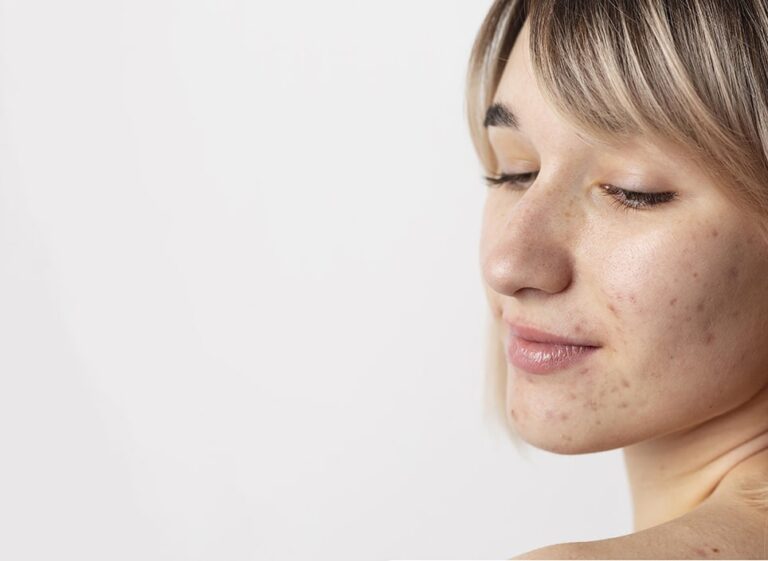
Acne is one of the most common skin conditions, affecting people of all ages and skin types. It occurs when hair follicles become clogged with oil, dead skin cells, and bacteria, leading to inflammation and breakouts. While acne often improves with age, it can persist into adulthood and impact self-confidence if left unmanaged.
Managing acne requires a consistent approach tailored to your skin’s needs. Many effective strategies combine gentle skincare, targeted treatments, and healthy habits. With the right steps, most people can achieve clearer skin and reduce future breakouts.
This comprehensive guide explores proven methods to address acne, from daily routines to home remedies and professional options. Understanding the root causes helps you choose the best path forward for long-term results.
Understanding the Causes of Acne
Acne develops through a combination of factors that affect the skin’s oil glands and follicles. Excess sebum production, often triggered by hormonal changes, mixes with dead skin cells to block pores. Bacteria then thrive in these clogged environments, causing redness and swelling.
Hormonal fluctuations play a major role, especially during puberty, menstrual cycles, pregnancy, or stress. Genetics also influence susceptibility—if close family members had acne, you may be more prone to it.
External factors contribute as well. Certain medications, oily cosmetics, humidity, and friction from helmets or backpacks can worsen breakouts. Diet may play a role in some cases, though individual responses vary.
Common Types of Acne
Acne appears in different forms, each requiring slightly different management. Non-inflammatory types include blackheads, which occur when pores remain open, and whiteheads, formed by closed pores.
Inflammatory acne includes papules, small red bumps, and pustules, which contain pus. More severe forms involve nodules, painful lumps beneath the skin, and cysts, large inflamed areas that can lead to scarring.
Identifying your acne type helps guide treatment choices. Mild cases often respond to over-the-counter options, while moderate to severe acne may need professional intervention.
Building an Effective Daily Skincare Routine
A gentle, consistent skincare routine forms the foundation for managing acne. Over-cleansing or harsh products can strip the skin and increase oil production, worsening breakouts.
Start by washing twice daily with a mild, fragrance-free cleanser. Use lukewarm water and your fingertips to avoid irritation. Pat dry gently with a clean towel.
Follow cleansing with a lightweight, non-comedogenic moisturizer. Even oily skin needs hydration to maintain balance and support the skin barrier.
Key Steps in Your Routine
Apply treatments after cleansing while skin is still damp for better absorption. Use spot treatments on active breakouts and broader products on affected areas.
Incorporate sunscreen daily, as some acne treatments increase sun sensitivity. Choose oil-free, broad-spectrum formulas labeled non-comedogenic.
Change pillowcases and towels frequently to reduce bacteria transfer. Avoid touching your face throughout the day to minimize oil and dirt spread.
Over-the-Counter Treatments That Work
Many effective ingredients target acne at its source. Benzoyl peroxide kills bacteria and reduces inflammation while unclogging pores. Start with lower concentrations to minimize dryness.
Salicylic acid exfoliates inside pores, preventing blockages and reducing blackheads. It works well for mild to moderate acne and oily skin types.
Adapalene, a retinoid available without prescription, promotes cell turnover and prevents new breakouts. It may cause initial purging but improves skin texture over time.
Combine ingredients carefully—benzoyl peroxide with adapalene often works synergistically. Always introduce new products gradually to monitor skin response.
Proven Home Remedies to Support Acne Management
Certain natural approaches can complement standard treatments when used consistently. These remedies often have milder effects but provide gentle support for clearer skin.
- Tea Tree Oil: This essential oil has natural antibacterial properties that help reduce acne-causing bacteria. Dilute it with a carrier oil before applying to spots, as undiluted forms can irritate skin. Studies show it can be as effective as lower-strength benzoyl peroxide with fewer side effects.
- Aloe Vera: Known for soothing inflammation, aloe vera gel calms red, irritated breakouts. Apply pure gel directly to affected areas after cleansing. Its cooling effect provides immediate relief while supporting healing.
- Green Tea Extract: Rich in antioxidants, green tea reduces sebum production and inflammation when applied topically. Brew cooled tea as a toner or use products containing the extract. Regular use can decrease acne lesions over several weeks.
- Honey and Cinnamon Mask: Raw honey has antibacterial qualities, while cinnamon offers anti-inflammatory benefits. Mix into a paste and apply for 10-15 minutes weekly. This combination helps calm active breakouts without over-drying skin.
- Zinc Supplements: Oral zinc supports immune function and reduces inflammation associated with acne. Taken with food, it can decrease breakout severity over time. Consult a healthcare provider before starting supplements.
- Apple Cider Vinegar Toner: Diluted properly, it balances skin pH and has mild antibacterial effects. Mix one part vinegar with three parts water and apply with a cotton pad. Use sparingly to avoid irritation.
- Ice Therapy: Wrapping ice in cloth and applying briefly reduces swelling in individual pimples. This provides quick visual improvement for inflamed spots. Limit to a few minutes to prevent skin damage.
- Azelaic Acid (Natural Sources): Found in grains, this acid brightens skin and unclogs pores naturally. Topical creams derived from it suit sensitive skin types. It also helps fade post-acne marks gradually.
These remedies work best alongside a basic skincare routine. Results vary by individual, and patience remains essential for noticeable improvements.
Diet and Lifestyle Changes for Clearer Skin
Supporting skin health from within enhances external treatments. Stay hydrated by drinking adequate water daily to help flush toxins and maintain skin moisture balance.
Focus on whole foods rich in vitamins A, E, and omega-3 fatty acids. Include colorful vegetables, fruits, nuts, and fatty fish for anti-inflammatory benefits.
Manage stress through regular exercise, meditation, or adequate sleep. High stress levels increase cortisol, which can trigger excess oil production.
Limit high-glycemic foods like sugary snacks and refined carbohydrates when possible. Some people notice fewer breakouts with lower dairy intake, though responses differ.
When Professional Treatment Becomes Necessary
Persistent or severe acne often requires medical guidance. Dermatologists offer prescription-strength retinoids, oral antibiotics, or hormonal therapies tailored to your needs.
Isotretinoin addresses severe cystic acne effectively but requires monitoring. Newer options like topical anti-androgens target hormonal causes directly.
Procedures such as chemical peels, laser therapy, or extractions provide faster results for stubborn cases. Early intervention prevents permanent scarring.
Pro Tips for Better Results
- Never pick or squeeze breakouts, as this spreads bacteria and increases scarring risk.
- Track your progress with photos to stay motivated during slow improvements.
- Use oil-free makeup and remove it thoroughly each night.
- Be patient—most treatments need 8-12 weeks for full effects.
- Combine treatments strategically under professional advice for optimal outcomes.
- Avoid over-exfoliating, which damages the skin barrier and worsens acne.
- Protect healing skin with gentle products during treatment phases.
Frequently Asked Questions
Can acne be cured permanently?
While acne can be effectively managed and often resolves completely, it may recur due to hormonal or environmental triggers. Consistent prevention helps maintain clear skin long-term.
How long does it take to see improvement?
Initial changes may appear in 4-6 weeks, with significant clearing often taking 3 months. Consistency remains key throughout the process.
Do certain foods cause acne?
Individual responses vary, but high-glycemic foods and dairy trigger breakouts in some people. Monitor your diet to identify personal patterns.
Is it safe to use multiple treatments?
Yes, when combined properly—many routines include cleansing, treatment, and moisturizing layers. Start slowly to avoid irritation.
When should I see a dermatologist?
Seek professional help if over-the-counter options fail after 8-12 weeks, or if acne causes scarring or emotional distress.
Can adults get acne?
Absolutely—adult acne affects many people, often due to hormones, stress, or skincare products. Treatment approaches remain similar across ages.
Conclusion
Clearing acne involves understanding its causes and applying consistent, evidence-based strategies. From gentle daily routines and targeted treatments to supportive home remedies and lifestyle adjustments, multiple tools exist to achieve healthier skin. Professional guidance enhances outcomes for persistent cases, while prevention habits maintain results over time. With patience and the right approach tailored to your skin, significant improvement becomes achievable for nearly everyone dealing with acne.