Knowing how to properly perform a factory reset on your iPhone is an essential piece of modern digital literacy. It’s more than just wiping a device; it’s a critical security protocol before selling or recycling your phone, a potential solution for persistent software issues, and a definitive step in transferring ownership. This comprehensive guide will walk you through every step, from securing your data with a verified backup to executing the reset itself, and finally setting up your device anew or preparing it for its next owner. Understanding this process empowers you to take full control of your device’s lifecycle and protect your personal information.
Why You Might Need a Factory Reset
Factory resetting an iPhone is a powerful action that serves multiple important purposes. Most commonly, it is the final step in preparing a device for sale, trade-in, or donation. By completely erasing your data, you protect your privacy and ensure the new user receives a clean device. Beyond ownership transfer, a reset can be a troubleshooting tool of last resort. If your iPhone is suffering from severe glitches, crashes, or performance slowdowns that persist through standard troubleshooting like force-restarting or updating iOS, a factory reset can often resolve these deep-seated software conflicts by returning the system to its original state.
It’s also a recommended step when receiving a used iPhone from someone else, as it gives you a fresh, uncluttered start. Finally, performing a reset can be part of a security response if a device is lost or stolen, ensuring that even if it’s recovered by someone else, your personal data cannot be accessed. Whatever the reason, the decision to reset should be made carefully, with full awareness that it is a permanent and irreversible deletion of all data stored locally on the device.
Phase 1: The Critical Pre-Reset Checklist
Before you even think about tapping the “Erase All Content and Settings” button, a meticulous preparation phase is non-negotiable. Rushing through this stage is the most common cause of post-reset regret. This phase is all about preservation and prevention—ensuring your valuable data is safely stored elsewhere and that you can regain access to your Apple ecosystem after the wipe.
Securing Your Data: Creating a Verified Backup
The cornerstone of a safe reset is a verified, recent backup. Apple provides two primary methods, each with its own strengths.
- iCloud Backup: This is the most convenient method for most users. It happens wirelessly and automatically when your iPhone is connected to Wi-Fi, locked, and charging. To manually trigger one, go to Settings > [Your Name] > iCloud > iCloud Backup and tap “Back Up Now.” Crucially, you must verify the backup completed successfully by checking the time and date of your last backup in the same menu.
- Computer Backup (via Finder or iTunes): This method creates a full, encrypted backup on your Mac or PC. Connect your iPhone, open Finder (on macOS Catalina and later) or iTunes (on Windows or older macOS), select your device, and choose “Back Up Now.” For maximum security, select “Encrypt local backup” to save your Health and Keychain passwords. This method is often faster and provides a physical copy of your data.
Managing Apple Services: Signing Out and Deactivating
Simply erasing the device does not automatically deactivate crucial security features linked to your Apple ID. Failing to properly disengage these can lead to Activation Lock, which renders the reset device unusable to the next person.
- Find My iPhone: This is the most important step to prevent Activation Lock. Navigate to Settings > [Your Name] > Find My > Find My iPhone and toggle it off. You will need to enter your Apple ID password to confirm.
- Apple ID Sign Out: After turning off Find My, return to Settings > [Your Name], scroll to the bottom, and tap “Sign Out.” You will need to enter your Apple ID password and choose which data to keep a copy of on your iPhone; since you’re erasing it, this choice is less critical.
- Unpairing Apple Watch: If you have a paired Apple Watch, you must unpair it from your iPhone *before* resetting the phone. Open the Watch app on your iPhone, go to the “My Watch” tab, tap “All Watches,” then the info button next to your watch, and select “Unpair Apple Watch.” This creates its own backup.
Final Preparations: Recording and Removing
A few final tasks will ensure a smooth transition. First, make a note of your iPhone’s model, storage capacity, and, if applicable, its IMEI or serial number (found in Settings > General > About). This is useful for reference. Second, if your iPhone has a physical SIM card, you may need to remove it, though most modern iPhones use eSIM. Finally, ensure your device is charged to at least 50% or is connected to a power source to prevent interruption during the reset process.
Phase 2: Executing the Factory Reset
With your data secured and services deactivated, you are now ready to perform the reset. Apple has streamlined this process within the iOS settings, making it accessible for all users. The following steps are based on the latest versions of iOS, but the core process remains consistent across recent iterations.
- Navigate to the Reset Menu: Open the Settings app on your iPhone. Tap on General, and then scroll all the way to the bottom and select Transfer or Reset iPhone.
- Initiate the Erase: On the next screen, you will see several options. Tap Erase All Content and Settings. If you haven’t already turned off Find My iPhone, you may be prompted to do so here.
- Review the Implications: Your iPhone will present a series of screens detailing exactly what will be deleted, including all media, data, settings, and the removal of your Apple ID. Review this carefully.
- Authenticate and Confirm: You will be asked to enter your device passcode and then your Apple ID password to confirm you own the account and wish to disable Activation Lock. This is a critical security step.
- Final Confirmation: A final red warning screen will appear. Tap Erase iPhone to confirm. The device will then begin the irreversible process.
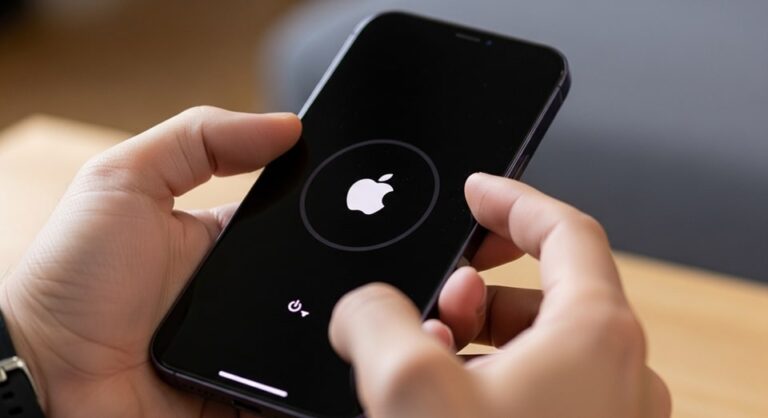
- Await Completion: Your iPhone screen will go black, and a spinning white gear will appear. The device will restart, showing the Apple logo, and eventually land on the “Hello” setup screen in your chosen language. The process can take from a few minutes to over an hour, depending on the storage capacity and model of your iPhone.
Phase 3: Post-Reset Paths
Once the factory reset is complete and you see the “Hello” screen, you have two primary paths: setting up the device as new for yourself or someone else, or restoring your personal data from the backup you created.
Path A: Restoring from Your Backup
If you are resetting your own iPhone to resolve an issue or after a repair, you will want to restore your data. During the setup process, you will reach a screen titled “Apps & Data.” Here, you have several choices. To restore your information, select Restore from iCloud Backup or Restore from Mac or PC. Sign in with the same Apple ID used to create the backup. You will then see a list of available backups; choose the most recent one you created in Phase 1. The device will download and install your data, apps, and settings. This restoration process requires a stable Wi-Fi connection and can take a considerable amount of time, especially for large backups. Your iPhone will remain usable but may continue downloading apps and photos in the background for hours.
Path B: Setting Up as a New Device
If you are giving the iPhone to someone else or wish to start completely fresh, you would select Set Up as New iPhone on the “Apps & Data” screen. The new user can then proceed to create their own Apple ID or sign in with theirs, configure settings, and download their preferred apps. No trace of your previous data will remain on the device.
Pro Tips for a Flawless Reset Experience
Beyond the basic steps, these professional insights can help you avoid pitfalls and optimize the process.
- Double-Verify Your Backup: Don’t just assume it worked. Before resetting, go to Settings > [Your Name] > iCloud > Manage Account Storage > Backups to confirm the backup’s size and timestamp. For a computer backup, check that the backup file exists and is recent.
- Use an Encrypted Computer Backup for Everything: When backing up to a Mac or PC, always check “Encrypt local backup.” This is the only way to save sensitive data like saved website passwords, Health app data, Wi-Fi settings, and call history. An unencrypted backup misses these crucial elements.
- Handle Activation Lock Proactively: If you’re preparing a device for a family member or friend and plan to keep it on your Apple Family Sharing, you can remove it from your account *after* the reset via iCloud.com. Go to “Find My,” select the device, and click “Remove from Account.” This ensures they can activate it without your password.
- Reset After a Major iOS Update: If you’re experiencing issues after installing a major new version of iOS (e.g., going from iOS 17 to iOS 18), performing a factory reset and then restoring from a backup created on the *new* iOS version can often resolve strange bugs and improve performance, as it cleans out conflicting legacy system files.
- Know Your Service Options: If your iPhone has a physical or eSIM, understand that a factory reset will erase cellular settings. For an eSIM, you may need to contact your carrier to re-provision it after setup. Have your carrier account information handy.
Frequently Asked Questions (FAQs)
Is a factory reset truly irreversible? Does it delete everything?
Yes, a factory reset initiated through Settings > General > Transfer or Reset iPhone is designed to be a complete and permanent erasure of all data stored locally on the device. It removes all user apps, photos, videos, messages, account settings, and personal configurations. However, it’s crucial to understand that this only affects data on the iPhone itself. Data synced with iCloud (like photos in iCloud Photos, notes in iCloud Notes, or contacts in iCloud Contacts) will repopulate on the device if you sign back into the same Apple ID after the reset, unless you also delete that data from iCloud.com.
What’s the difference between “Reset All Settings” and “Erase All Content and Settings”?
These are two very different options with distinct purposes. Reset All Settings returns all system settings (Wi-Fi passwords, wallpaper, privacy permissions, keyboard dictionary, etc.) to their factory defaults, but it does **not** delete any of your personal data, media, or apps. It’s a useful troubleshooting step for settings-related issues. Erase All Content and Settings is the full factory reset—it does everything “Reset All Settings” does and then permanently deletes all your files, media, and applications.
I’m getting an “Unable to Sign Out of iCloud” error. What should I do?
This error often occurs if a device restriction is enabled or if there are pending updates. First, go to Settings > Screen Time > Content & Privacy Restrictions and ensure all restrictions are turned off. Second, check for any pending app or iOS updates and install them. If the problem persists, you can often still perform the reset by going directly to Erase All Content and Settings. The reset process will force the sign-out as part of the erasure, provided you can correctly enter your Apple ID password when prompted during the reset flow.
How do I reset an iPhone that is disabled, locked, or won’t turn on?
If you cannot access the settings menu, you have two main options. The first is to use a computer: put the iPhone into Recovery Mode (the process varies by model but typically involves pressing and quickly releasing volume buttons, then holding the side button until the recovery screen appears), connect it to a Mac or PC, and use Finder or iTunes to “Restore” it. This installs a fresh copy of iOS and erases the device. The second option, if Find My was enabled, is to use iCloud.com. Sign in to iCloud.com/find, select “All Devices,” choose the problematic iPhone, and click “Erase iPhone.” This requires the device to have an internet connection.
Will resetting my iPhone improve its battery life or performance?
It can, but it’s not a guaranteed fix and should be considered a last resort. A factory reset eliminates all software clutter, cached data, and potentially problematic app configurations that may be causing battery drain or sluggishness. If the performance issue is caused by a software bug or corrupted file, a reset and restore will likely help. However, if the problem is due to physical battery degradation (common in older models) or a hardware fault, a reset will not provide a lasting solution. Monitoring your battery health in Settings > Battery > Battery Health can provide insight.
Conclusion
Mastering the factory reset process is a fundamental skill for any iPhone owner. It transforms from a daunting, data-threatening procedure into a manageable and secure operation when approached methodically. The journey hinges on the three distinct phases: the meticulous **pre-reset preparation**, where backing up data and signing out of services safeguards your digital life; the **execution of the reset itself**, a straightforward but irreversible step within the Settings app; and the **post-reset path**, where you choose to either restore your personal world or pass on a pristine device. By understanding the reasons for a reset, respecting the permanence of the action, and following the structured guide laid out here, you can confidently handle device troubleshooting, upgrades, and ownership transfers while ensuring your personal information remains protected. Your data’s security and the seamless functionality of your iPhone depend on this knowledge.