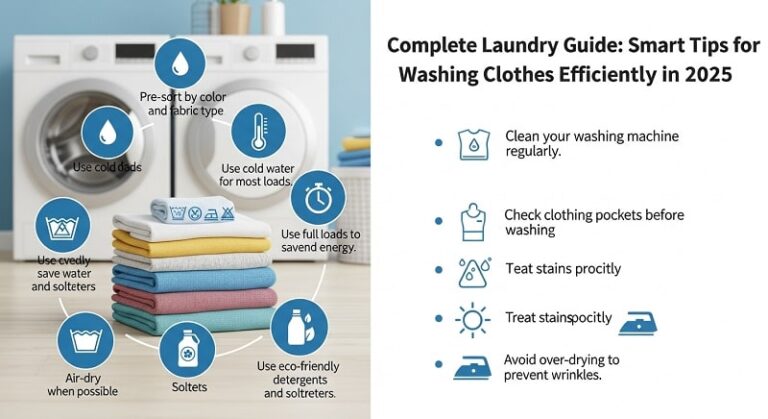
Laundry remains one of the most frequent household tasks, yet many people struggle with achieving optimal results while maximizing efficiency. Understanding the proper techniques for washing clothes can transform this mundane chore into a streamlined process that saves time, preserves fabric quality, and reduces energy consumption. This comprehensive guide provides expert-backed strategies for mastering every aspect of laundry care, from initial sorting through final folding.
Modern laundry practices have evolved significantly with advances in washing machine technology, detergent formulations, and fabric science. Today’s approach emphasizes intelligent sorting, appropriate cycle selection, and eco-conscious methods that benefit both your wardrobe and the environment. Whether you’re managing laundry for one person or an entire family, implementing these proven techniques will elevate your laundry routine from adequate to exceptional.
Understanding Fabric Care Labels and Symbols
Before beginning any laundry task, familiarizing yourself with garment care labels constitutes an essential first step. These small tags, typically located along side seams, back collars, or waistbands, contain critical information about proper washing, drying, and ironing methods for each specific item. Care labels use standardized symbols that communicate washing temperature, bleach compatibility, drying methods, and ironing requirements.
The washing symbols include variations of tubs to indicate machine wash versus hand wash requirements. Numbers inside these tubs specify maximum water temperature in either Celsius or Fahrenheit. Triangle symbols address bleaching permissions, with solid triangles permitting any bleach type, triangles with diagonal lines allowing only non-chlorine bleach, and crossed-out triangles prohibiting bleach entirely. Square symbols relate to drying instructions, with circles inside indicating tumble drying permissions and various dot configurations specifying heat levels.
When care labels are missing or have become illegible through repeated washing, general fabric knowledge becomes invaluable. Plant-based fibers including cotton, linen, bamboo, and jute typically withstand machine washing but benefit from cooler water temperatures to minimize shrinkage and color fading. Synthetic materials such as polyester, nylon, spandex, and microfiber resist water absorption, making them naturally resistant to water-based stains while requiring gentler washing cycles. Animal-based fabrics including wool, cashmere, silk, and alpaca demand the most delicate care, often necessitating hand washing or specialized wool cycles with cold water.
The Art and Science of Sorting Laundry
Proper laundry sorting represents the foundation of effective clothing care, preventing common disasters such as color bleeding, fabric damage, and inadequate cleaning. While traditional wisdom emphasized separating items solely by color, contemporary best practices incorporate multiple sorting criteria to optimize washing results and extend garment lifespans.
Color-Based Sorting Fundamentals
Separating laundry by color remains the primary sorting method, protecting fabrics from dye transfer that can permanently stain lighter garments. Create three distinct color categories: whites encompassing all-white items plus very light pastels, creams, and pale grays; colors including medium-toned items such as pinks, lavenders, light blues, yellows, and oranges; and darks containing black, navy, deep red, brown, dark gray, and dark green pieces. New garments, particularly those with rich or vibrant colors, pose the highest risk for dye bleeding during initial washes and should be laundered separately or exclusively with similar shades.
Testing new colored garments for colorfastness provides an additional safeguard against unwanted dye transfer. Place a single drop of water on an inconspicuous area of the fabric, then blot with a white paper towel or cloth. If color transfers onto the towel, the item requires separate washing until the excess dye has been removed through several wash cycles.
Fabric Weight and Texture Considerations
Beyond color separation, sorting by fabric weight and texture prevents damage while ensuring thorough cleaning. Heavy, durable items such as denim jeans, thick hoodies, bath towels, and canvas materials require longer agitation periods and can withstand more vigorous washing action. These items should be washed together in loads dedicated to heavy-weight fabrics. Medium-weight everyday clothing including t-shirts, casual pants, standard sheets, and cotton undergarments form the bulk of most laundry and can be combined in regular wash cycles.
Delicate and lightweight fabrics including lingerie, silk garments, lace items, sheer materials, and activewear with moisture-wicking properties demand gentle handling. These pieces benefit from washing in mesh laundry bags, which provide an extra protective layer against snags, tears, and tangling with heavier items. Mesh bags prove particularly valuable for small items such as socks, preventing their disappearance into washing machine drums and simplifying the pairing process after drying.
Soil Level Assessment
Categorizing laundry by dirtiness level maximizes cleaning effectiveness while preventing contamination of lightly soiled items. Lightly soiled garments include everyday wear such as office attire, pajamas worn once or twice, and casual clothing without visible stains or odors. These items clean effectively with shorter wash cycles, cooler water temperatures, and standard detergent amounts.
Moderately soiled laundry encompasses clothing worn during outdoor activities, light exercise gear, items with minor stains, and garments exposed to cooking odors or light perspiration. These pieces benefit from full-length wash cycles with warm water and potentially increased detergent quantities. Heavily soiled items include muddy outdoor clothing, grass-stained children’s play clothes, greasy work uniforms, exercise clothing saturated with sweat, and kitchen towels with food residue. Such items require pre-treatment, hot water washing when fabric permits, extended wash cycles, and occasionally additional rinses to achieve thorough cleaning.
Mastering Detergent Selection and Usage
Choosing appropriate laundry detergent and using correct amounts significantly impacts washing effectiveness, fabric preservation, and machine maintenance. Modern detergent formulations offer various options including liquid, powder, pods, and sheets, each with distinct advantages for different washing scenarios.
Liquid detergents excel at dissolving quickly in cold water, making them ideal for energy-efficient washing practices. Their fluid consistency allows for easy application directly onto stains as a pre-treatment method. Liquid formulas work particularly well for removing oily and greasy soils, as their formulation facilitates better penetration into petroleum-based stains. Powder detergents demonstrate superior performance on ground-in dirt and clay-based stains, making them preferred choices for heavily soiled outdoor clothing and children’s play garments.
Laundry pods and detergent sheets represent the newest innovations in laundry products, offering pre-measured doses that eliminate guessing and prevent detergent waste. These concentrated formulations typically provide four times the cleaning power of equivalent liquid amounts while occupying less storage space. However, proper usage requires placing pods or sheets directly into the washing drum before adding clothes, ensuring complete dissolution during the wash cycle.
High-efficiency washing machines, which include most front-loading models and newer top-loaders, require specially formulated HE detergents. These low-sudsing formulations prevent excessive foam buildup that can interfere with washing action and leave residue on clothing. Using regular detergent in HE machines reduces cleaning effectiveness and may damage the appliance over time.
Avoiding Detergent Overuse
Surprisingly, using excessive detergent ranks among the most common laundry mistakes, producing counterproductive results. When too much detergent enters the wash cycle, the excess cannot rinse away completely during the spin cycle. This residual detergent settles back onto fabric fibers, creating a dull, stiff appearance while attracting dirt and making garments appear dingy despite being freshly washed. Following package directions precisely, measuring with provided caps or scoops, and potentially reducing amounts for soft water conditions ensures optimal cleaning without residue issues.
Pre-Treating Stains for Maximum Removal Success
Addressing stains promptly before washing dramatically increases removal success rates. Allowing stains to set into fabric fibers, particularly when exposed to heat from drying, can render them permanent. Developing a systematic stain pre-treatment routine prevents disappointing outcomes and extends the wearable life of affected garments.
Begin stain treatment by removing excess material. For liquid spills, blot gently with clean paper towels or white cloths, working from the stain’s outer edges toward the center to prevent spreading. For solid substances like food or mud, scrape away as much as possible using a dull knife, spoon, or old credit card. Avoid rubbing, which pushes stains deeper into fabric weave.
Different stain types require specific treatment approaches. Protein-based stains from blood, eggs, dairy, and bodily fluids respond best to cold water treatment, as hot water can cook proteins and permanently set them into fabrics. Enzyme-containing detergents or specialized stain removers break down protein molecules effectively. Oil and grease stains benefit from dish soap application, which contains surfactants designed specifically to dissolve petroleum-based substances. Allow the soap to sit on the stain for five to ten minutes before washing.
Tannin stains from coffee, tea, wine, and fruit juices require prompt cold water rinsing followed by application of liquid laundry detergent or specialized stain removers. For particularly stubborn stains, creating a paste with baking soda and water provides gentle abrasive action while absorbing stain components. Apply this paste, allow it to dry completely, then brush away before washing normally.
Selecting Optimal Water Temperature and Wash Cycles
Water temperature selection profoundly affects cleaning effectiveness, energy consumption, and fabric preservation. Understanding when to use cold, warm, or hot water optimizes results across different laundry categories while minimizing utility costs and environmental impact.
Cold Water Washing Benefits
Cold water, typically ranging from 60 to 80 degrees Fahrenheit, has emerged as the preferred temperature for most modern laundry needs. Washing in cold water prevents shrinkage, minimizes color fading, reduces energy consumption by up to 90 percent compared to hot water cycles, and proves gentle on fabric fibers. Modern detergent formulations have been specifically engineered to perform effectively in cold water, making this temperature choice increasingly practical for everyday loads.
Dark and brightly colored garments particularly benefit from cold water washing, as cooler temperatures prevent dye molecules from loosening and bleeding onto other items. Delicate fabrics including lingerie, activewear, and synthetic materials maintain their shape and elasticity better when washed in cold water. For lightly to moderately soiled clothing, cold water combined with quality detergent provides thorough cleaning while protecting fabric integrity.
Warm and Hot Water Applications
Warm water, ranging from 90 to 110 degrees Fahrenheit, offers increased cleaning power for moderately soiled items while remaining gentler than hot water cycles. This temperature effectively removes body oils, food-based stains, and moderate dirt accumulation. Warm water suits white and light-colored cotton items, bed linens, and towels that require deeper cleaning without the harshness of hot water.
Hot water, exceeding 130 degrees Fahrenheit, reserves itself for specific situations requiring maximum sanitation or stain removal. White cotton towels, bed sheets, cloth diapers, and heavily soiled work clothing benefit from hot water’s superior cleaning and sanitizing capabilities. Hot water effectively kills dust mites, bacteria, and allergens, making it valuable for bedding belonging to individuals with allergies or sensitivities. However, hot water significantly increases energy costs, accelerates fabric wear, and can cause shrinkage or color loss in inappropriate fabrics.
Wash Cycle Selection Guide
Modern washing machines offer multiple cycle options designed for specific fabric types and soil levels. The normal or regular cycle provides vigorous agitation suitable for sturdy fabrics including cotton, linen, and durable synthetics. This cycle works well for everyday clothing without special care requirements. The delicate or gentle cycle features slower agitation speeds, shorter wash times, and reduced spin speeds, making it appropriate for lingerie, washable silk, lightweight blouses, and items marked as delicate on care labels.
The permanent press cycle uses warm water for washing and cold water for rinsing, designed to minimize wrinkles in synthetic fabrics and permanent press garments. Quick wash cycles, typically lasting 15 to 30 minutes, suffice for lightly soiled items requiring refreshing rather than deep cleaning. Heavy-duty cycles extend washing time and intensify agitation for heavily soiled work clothes, sports uniforms, and outdoor gear.
Maximizing Drying Efficiency and Fabric Care
Proper drying techniques prevent shrinkage, reduce wrinkles, preserve fabric quality, and optimize energy usage. The transition from washing to drying requires attention to prevent musty odors from delayed transfer and to select appropriate drying methods for different fabric types.
Remove clothing from the washing machine immediately upon cycle completion. Allowing wet garments to sit in the washer creates an ideal environment for mildew growth, resulting in unpleasant musty odors that may require rewashing. If immediate transfer proves impossible, running a quick spin cycle before removing items helps minimize moisture retention and odor development.
Machine Drying Best Practices
Before loading the dryer, separate items based on drying time requirements and fabric care needs. Lightweight synthetic items dry significantly faster than heavy cotton towels or denim, making mixed loads inefficient and potentially damaging. Garments that finish drying early while heavier items remain damp become overdried, leading to unnecessary fabric wear, increased wrinkling, and higher energy consumption.
Select appropriate heat settings based on fabric content. High heat suits sturdy cotton items including towels, sheets, and undergarments but proves too harsh for most other fabrics. Medium heat accommodates most everyday clothing including cotton shirts, jeans, and synthetic blends. Low or delicate heat settings protect synthetic fabrics, activewear, and items prone to shrinkage. Many modern dryers include moisture sensors that automatically terminate the cycle when clothing reaches the desired dryness level, preventing over-drying while conserving energy.
Adding wool dryer balls to each load provides multiple benefits including reduced drying time through improved air circulation, decreased static cling without chemical additives, and natural fabric softening through mechanical action. Unlike dryer sheets, wool balls remain reusable for thousands of cycles and don’t contain chemicals or fragrances that might irritate sensitive skin.
Air Drying Methods and Benefits
Air drying represents the most energy-efficient and fabric-gentle drying method available. Hanging clothes on outdoor clotheslines or indoor drying racks eliminates electricity consumption while utilizing natural air circulation and, when applicable, sunlight’s mild bleaching effect on white items. Air drying particularly suits delicate garments, knit sweaters that may stretch in machine dryers, and items prone to shrinkage.
For garments prone to wrinkling, hanging them on hangers immediately after removing from the washer allows gravity to naturally smooth wrinkles as moisture evaporates. Dress shirts, blouses, dresses, and pants benefit significantly from this technique. Laying flat proves essential for knit sweaters, wool items, and delicate garments that might stretch or distort when hung. Use clean, dry towels beneath items to absorb moisture and flip garments periodically to ensure even drying.
Advanced Laundry Hacks for Time and Resource Savings
Implementing strategic shortcuts and innovative techniques streamlines laundry processes while maintaining or improving results. These expert-approved hacks address common frustrations and maximize efficiency throughout the entire laundry workflow.
Organizational Systems
Installing multiple laundry hampers pre-sorted by category eliminates sorting time on laundry day. Designate separate hampers for whites, colors, darks, and delicates, sorting items as they become dirty rather than all at once before washing. This system particularly benefits larger households where full loads accumulate quickly. Labeling hampers clearly ensures all family members contribute to proper sorting, potentially transforming laundry into a more collaborative household task.
Maintaining a dedicated laundry station equipped with all necessary supplies prevents mid-task interruptions and maintains momentum. Stock this area with detergent, stain removers, mesh bags, measuring tools, and a small trash receptacle for pocket contents discovered during sorting. Keeping a small notebook or whiteboard for tracking which loads have been washed helps prevent confusion when managing multiple loads simultaneously.
Wrinkle Prevention Techniques
Removing clothes from the dryer immediately upon cycle completion prevents wrinkle formation. For situations where immediate removal proves impossible, utilizing the dryer’s wrinkle prevention feature runs brief tumble cycles periodically, keeping clothes moving to prevent settling and creasing. When wrinkles have already set, tossing dry wrinkled items back into the dryer with several ice cubes and running a quick cycle creates a steaming effect that releases wrinkles without requiring an iron.
Folding or hanging clothes while still slightly warm from the dryer significantly reduces wrinkle persistence. The residual heat keeps fabric fibers pliable, allowing them to hold smooth positions more readily. This practice particularly benefits cotton items and permanent press fabrics designed to resist wrinkling when handled properly.
Eco-Friendly and Sustainable Laundry Practices
Adopting environmentally conscious laundry habits reduces utility costs, minimizes environmental impact, and often improves cleaning results. These sustainable practices align with growing awareness of household activities’ ecological footprints while delivering practical benefits.
Washing full loads rather than multiple small loads maximizes water and energy efficiency. However, overfilling the washing machine reduces cleaning effectiveness by restricting proper water circulation and mechanical action. Aim to fill the drum approximately three-quarters full, leaving sufficient space for items to move freely during agitation. This balance optimizes resource usage while ensuring thorough cleaning.
Reducing washing frequency for items that don’t require cleaning after every use extends fabric life and conserves resources. Jeans can typically be worn five to six times before washing unless visibly soiled or odorous. Pajamas suit two to three wearings before laundering. Sweaters and jackets worn over other clothing rarely need washing after single uses. This approach reduces unnecessary wear from washing machine agitation and exposure to detergents.
Selecting energy-efficient washing machines bearing Energy Star certification can reduce water consumption by 35 percent and energy usage by 25 percent compared to standard models. Front-loading washers typically demonstrate superior efficiency compared to top-loading designs, using approximately 13 gallons per load versus 20 or more gallons for traditional top-loaders. When replacing laundry appliances, prioritizing efficient models delivers long-term savings that offset higher initial costs.
Smart Technology Integration in Modern Laundry
Recent technological advances have transformed laundry appliances into connected devices offering unprecedented convenience, efficiency, and customization. Smart washing machines and dryers integrate with home automation systems, providing features that address common laundry frustrations while optimizing resource usage.
Smart washers equipped with Wi-Fi connectivity allow remote operation through smartphone applications. Users can start, pause, or monitor wash cycles from anywhere, preventing clothes from sitting in the washer and developing musty odors when schedules change unexpectedly. These applications send notifications when cycles complete, eliminating guesswork about timing and ensuring prompt transfer to the dryer.
Advanced sensor technology automatically detects load size, fabric types, and soil levels, adjusting water quantities, wash times, and agitation intensity accordingly. This automation removes guesswork from cycle selection while optimizing cleaning effectiveness and resource consumption. Some models incorporate artificial intelligence that learns user preferences over time, suggesting optimal settings based on past wash patterns and outcomes.
Automatic detergent dispensing systems hold multiple loads’ worth of detergent and dispense precisely measured amounts for each wash. These systems eliminate measuring hassles, prevent overuse, and ensure consistent cleaning results. Models connected to online shopping platforms can automatically order detergent when supplies run low, maintaining seamless operation without manual inventory monitoring.
Voice assistant integration with Amazon Alexa, Google Home, or Apple Siri enables hands-free operation through simple voice commands. Users can start wash cycles, check remaining time, or adjust settings while occupied with other tasks, increasing convenience for busy households managing multiple responsibilities simultaneously.
Troubleshooting Common Laundry Problems
Even with proper techniques, occasional laundry challenges arise. Understanding solutions to frequent problems helps maintain clothing quality and prevents minor issues from becoming permanent damage.
Addressing Color Bleeding
When color transfer occurs despite proper sorting, immediate action provides the best chance for correction. Rewash affected items immediately in cold water with color-safe bleach or specialized color remover products. Avoid drying until the transferred dye has been removed, as heat permanently sets stains. For white items stained by colored dyes, oxygen-based bleach products can often restore original brightness without the harshness of chlorine bleach.
Eliminating Persistent Odors
Clothing retaining unpleasant odors after washing typically indicates inadequate rinsing, detergent buildup, or bacterial growth in synthetic fabrics. Adding white vinegar to the rinse cycle naturally deodorizes while removing detergent residue. For particularly stubborn odors in activewear or towels, soaking items in a solution of water and baking soda before washing helps neutralize odor-causing bacteria. Washing machine maintenance, including running monthly cleaning cycles with specialized washing machine cleaner or vinegar, prevents odor development in the appliance itself that can transfer to clothing.
Preventing and Reversing Shrinkage
Fabric shrinkage results primarily from heat exposure and excessive agitation. Prevention involves washing in cold or warm water rather than hot, selecting gentle cycles for shrinkage-prone items, and avoiding high-heat drying. When shrinkage occurs in natural fiber garments like wool or cotton, soaking the item in room-temperature water mixed with hair conditioner or baby shampoo can relax fibers. Gently stretch the garment back to its original dimensions while damp, then lay flat to dry, maintaining the stretched shape throughout the drying process.
Special Care for Specific Fabric Categories
Certain fabric types and garment categories require specialized handling beyond general laundry guidelines. Understanding these specific needs prevents damage while maximizing the lifespan of these items.
Activewear and Performance Fabrics
Athletic clothing constructed from moisture-wicking synthetics demands particular care to maintain performance properties. These fabrics should be washed in cold water using detergents specifically formulated for activewear or standard detergents without fabric softener, which coats synthetic fibers and impairs their moisture-wicking capabilities. Turning activewear inside out before washing protects outer surfaces while allowing detergent better access to interior surfaces that contact skin and absorb sweat. Air drying preserves elasticity better than machine drying, though low-heat tumble drying remains acceptable when time constraints necessitate faster drying.
Down-Filled Items
Jackets, comforters, and pillows filled with down or down-alternative materials require special washing considerations to maintain loft and insulation properties. These items should be washed in large-capacity machines to allow proper water circulation. Using down-specific detergents or mild regular detergents in small quantities prevents residue buildup. Multiple rinse cycles ensure complete detergent removal. Drying down items requires low heat settings with several clean tennis balls or dryer balls added to break up clumps and restore loft. Complete drying proves essential, as any residual moisture can lead to mildew development and unpleasant odors.
Denim Care
Quality denim maintains color and shape better when washed infrequently and with careful technique. Turning jeans inside out protects outer surfaces from abrasion and fading. Cold water washing prevents color loss and shrinkage. Avoiding the dryer entirely preserves fit and reduces fading, as air drying or laying flat proves gentler. Many denim enthusiasts recommend spot-cleaning minor stains and airing jeans between wears rather than washing after each use, reserving full washing for actual soiling or odor development.
Pro Tips for Laundry Excellence
- Establish a consistent laundry schedule rather than allowing clothing to accumulate into overwhelming piles. Processing one or two loads daily or designating specific laundry days creates manageable routines that prevent buildup and reduce stress. Consistency also ensures clothing availability remains predictable, eliminating last-minute washing emergencies before needed items become available.
- Keep a laundry emergency kit readily accessible containing stain remover pens, fabric tape for quick repairs, spare buttons, and basic sewing supplies. This kit enables immediate response to laundry emergencies like button loss or small tears before they worsen, potentially saving garments from disposal or expensive professional repairs.
- Invest in quality hangers and storage solutions that protect clean clothes and maintain their pressed appearance. Wooden or padded hangers prevent shoulder dimples in shirts and jackets. Drawer dividers keep folded items organized and prevent wrinkle-causing pile-shifting. Cedar blocks or lavender sachets naturally freshen stored clothing while deterring moths.
- Maintain washing machine and dryer regularly to ensure optimal performance and prevent odor development. Clean washing machine rubber seals, detergent dispensers, and drum surfaces monthly. Leave the washer door open between uses allowing interior moisture to evaporate. Clean dryer lint traps after every load and vacuum the dryer vent annually to maintain efficiency and prevent fire hazards.
- Create a folding station near your dryer with a dedicated surface for immediate folding. Installing a counter or using a sturdy table prevents the temptation to leave clean clothes in baskets where they wrinkle and potentially get mixed with dirty items. Having adequate space makes the folding process more efficient and pleasant.
Frequently Asked Questions
How often should I wash different types of clothing?
Washing frequency depends on garment type, usage intensity, and personal comfort. Underwear, socks, and workout clothes require washing after each wear due to direct skin contact and perspiration absorption. Shirts and blouses typically need washing after one to two wears depending on activity level and visible soiling. Jeans can last five to six wears between washes unless visibly dirty or odorous. Pajamas suit two to three wears before laundering. Bras should be washed after every two to three wears to maintain elasticity. Sweaters and jackets worn over other clothing may go several wears between cleanings. Sheets and pillowcases benefit from weekly washing, while comforters and blankets can be laundered monthly or seasonally.
Can I wash all colors together in cold water?
While modern washing machines and detergents make mixed-color cold water washing more feasible than in previous decades, separating whites from colors and darks remains advisable for optimal results. Cold water reduces but does not eliminate dye bleeding risk, particularly with new garments or items with rich colors. Whites washed exclusively together maintain brightness better over time. However, established colored garments proven colorfast through multiple previous washes can generally be combined safely in cold water loads when necessary, though separating by fabric weight still provides better cleaning and fabric protection.
Why do my clothes still smell after washing?
Persistent odors after washing typically stem from several possible causes. Using insufficient detergent fails to remove odor-causing bacteria and body oils. Conversely, excess detergent that doesn’t rinse completely can trap odors in fabric residue. Overloading the washing machine prevents proper water circulation and cleaning action. Washing machine maintenance issues, particularly mold or mildew growth in front-loading models’ rubber seals, can transfer odors to clean clothing. Leaving clothes in the washer too long before transferring to the dryer allows bacterial growth and musty smell development. Adding white vinegar to the rinse cycle, ensuring proper detergent amounts, maintaining the washing machine regularly, and promptly transferring washed items typically resolves odor issues.
Is it better to use liquid or powder detergent?
Both liquid and powder detergents effectively clean clothing, with each offering distinct advantages for different situations. Liquid detergents dissolve quickly in all water temperatures, making them ideal for cold water washing and pre-treating stains through direct application. They perform particularly well on oily and greasy stains. Powder detergents demonstrate superior effectiveness on ground-in dirt and outdoor stains, often cost less per load, and generate less plastic packaging waste. High-efficiency machines require HE-formulated detergents in either form. Personal preference, specific cleaning needs, water temperature usage, and storage considerations typically determine the best choice. Many households keep both types available for different laundry situations.
How can I prevent clothes from shrinking?
Shrinkage prevention requires attention to water temperature and drying methods. Always wash shrinkage-prone fabrics including cotton, wool, and linen in cold or warm water rather than hot. High heat causes natural fibers to contract and synthetic blends to lose shape. Select gentle wash cycles that minimize agitation. Most importantly, avoid high-heat machine drying, which causes the majority of shrinkage issues. Air drying or using low heat settings dramatically reduces shrinkage risk. When machine drying proves necessary, remove items while still slightly damp and allow them to finish air drying. Reading and following care label instructions provides the most reliable shrinkage prevention, as manufacturers test specific fabrics to determine safe washing and drying parameters.
What are the benefits of using wool dryer balls?
Wool dryer balls offer numerous advantages over traditional dryer sheets while proving more economical and environmentally friendly long-term. These balls reduce drying time by creating space between clothes for improved air circulation, potentially cutting energy costs by 20 to 30 percent. They naturally soften fabrics through mechanical action without chemicals or synthetic fragrances that may irritate sensitive skin. Wool balls significantly reduce static cling through moisture absorption and separation of synthetic fabrics. Unlike disposable dryer sheets, quality wool dryer balls last for thousands of loads, generating no waste. Users seeking scent can add several drops of essential oils to balls between uses. The primary disadvantage involves initial cost, though this investment pays for itself within months through reduced drying time and elimination of disposable product purchases.
Conclusion
Mastering laundry care transforms a repetitive household chore into an efficient system that preserves clothing quality, conserves resources, and maintains wardrobe appeal. Implementing proper sorting techniques based on color, fabric type, and soil level prevents common disasters while optimizing cleaning effectiveness. Understanding appropriate detergent selection, water temperature choices, and cycle settings for different fabric categories ensures thorough cleaning without unnecessary damage. Pre-treating stains promptly, selecting appropriate drying methods, and folding or hanging clothes immediately prevents wrinkles and extends garment lifespans.
Modern innovations including smart washing machines, advanced detergent formulations, and energy-efficient appliances continue enhancing laundry processes while reducing environmental impact. However, fundamental principles of fabric care remain constant regardless of technological advances. Reading care labels, sorting appropriately, using correct detergent amounts, and selecting suitable washing conditions constitute the foundation of successful laundry outcomes. By integrating these expert-recommended techniques with convenient organizational systems and time-saving hacks, anyone can develop a streamlined laundry routine that produces consistently excellent results while minimizing time investment and frustration.