

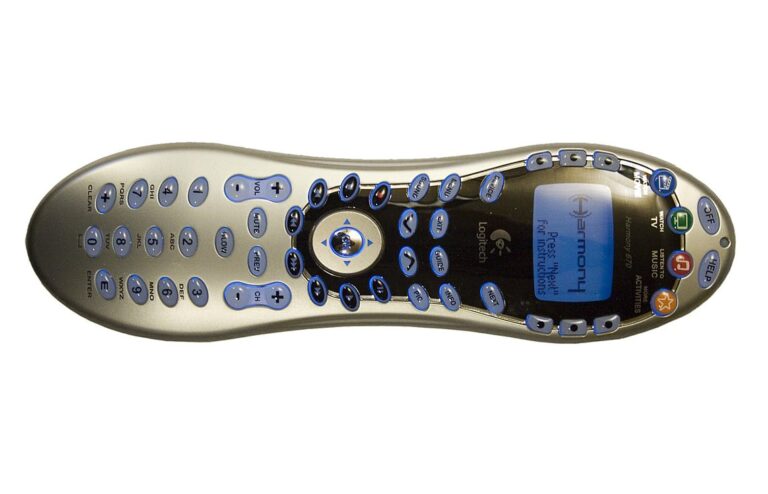
Universal remotes have become essential household tools as entertainment systems grow more complex. A GE universal remote is designed to simplify control by allowing one device to operate multiple components, including televisions, cable boxes, streaming devices, and DVD or Blu-ray players. Correct programming is the key to unlocking its full functionality. This guide provides a comprehensive, practical, and reliable walkthrough for programming a GE universal remote to a TV, regardless of brand or model. It covers every supported programming method, explains why certain steps matter, and addresses common challenges users face during setup.
Programming a universal remote is not difficult, but success depends on following the correct process for your specific remote model and television. GE remotes are produced under license by Jasco, and while the button layout may vary, the programming logic remains largely consistent across models. This guide is written to help both first-time users and those reprogramming a replacement remote, ensuring accurate setup without guesswork.
The instructions below apply to most modern GE universal remotes, including popular 2-device, 4-device, and 8-device models. Whether your TV is from Samsung, LG, Sony, TCL, Vizio, Hisense, or another manufacturer, the steps outlined here are designed to work reliably.
Understanding How GE Universal Remotes Work
A GE universal remote communicates with your television using infrared signals. Each TV brand responds to specific signal patterns known as remote control codes. Programming the remote means storing the correct code so the remote can send commands your TV recognizes.
GE remotes support multiple programming approaches because not all users have access to the same information. Some people know their TV brand and code, while others do not. For this reason, GE includes both direct code entry and automatic code search features.
Before starting, it is important to confirm that your TV works correctly with its original remote or onboard buttons. Programming cannot fix a TV that is unresponsive due to hardware issues, blocked infrared sensors, or power problems.
What You Need Before Programming
Preparation makes the process faster and prevents unnecessary troubleshooting. Make sure you have the following items ready before attempting to program your GE universal remote.
- Working batteries: Insert fresh alkaline batteries into the remote. Weak batteries can prevent the remote from entering programming mode or sending a consistent signal to the TV, leading to failed setup attempts.
- Clear line of sight: Ensure there is nothing blocking the infrared sensor on the TV. Objects, cabinets, or direct sunlight can interfere with signal transmission during programming.
- Television powered on: The TV must be turned on manually before programming begins. The remote cannot power on the TV until it is successfully programmed.
- Remote model identification: While not strictly required, knowing your GE remote model can help if you later need to locate brand codes or replacement instructions.
- Patience and time: Some methods, especially automatic code search, can take several minutes. Rushing the process often leads to mistakes.
Method One: Programming Using Direct Code Entry
Direct code entry is the fastest and most reliable way to program a GE universal remote when you know your TV brand. This method involves entering a numeric code that corresponds to your television manufacturer.
Step-by-Step Instructions for Direct Code Entry
Follow these steps carefully to ensure proper programming:
- Turn on the TV: Use the TV’s power button, not the remote, to ensure the television is already on before programming begins.
- Press and hold the Setup button: Hold the Setup button on the GE remote until the red indicator light turns on and stays lit. This indicates the remote is in programming mode.
- Press the TV button: Press the button labeled TV. The indicator light will blink once and remain on.
- Enter the TV code: Using the number keypad, enter the correct code for your TV brand. The indicator light will turn off if the code is accepted.
- Test the remote: Press the Power button. If the TV turns off, the code is correct. Turn the TV back on and test volume and channel controls.
If the TV does not respond, repeat the steps using another code listed for your TV brand. Many manufacturers use multiple codes due to differences between models and production years.
Method Two: Programming Using Automatic Code Search
If you do not know your TV’s brand code or if direct code entry fails, the automatic code search method allows the remote to scan through all compatible codes until it finds one that works.
Step-by-Step Instructions for Automatic Code Search
This method takes longer but is highly effective when brand codes are unavailable.
- Turn on the TV: Ensure the television is powered on and displaying an image.
- Enter programming mode: Press and hold the Setup button until the indicator light stays on.
- Select the TV device: Press the TV button. The indicator light will blink once and remain on.
- Begin code search: Press and release the Power button repeatedly, waiting about one second between presses. Each press sends a different code to the TV.
- Stop when the TV turns off: As soon as the TV powers off, press the Enter button to save the code.
Once saved, turn the TV back on and test multiple buttons such as volume, mute, and input to confirm full compatibility.
Method Three: Programming Without a Setup Button
Some newer GE remote models do not include a Setup button. These remotes use a slightly different programming process, often involving the Magic or Code Search button.
The general process remains similar: you activate programming mode, select the device type, and either enter a code or initiate a code search. The indicator light behavior may vary, but the remote will still confirm successful programming by turning the TV off during testing.
Even without a Setup button, these remotes are designed for ease of use and follow the same fundamental logic as traditional GE models.
Common Problems and Troubleshooting Solutions
Programming does not always work on the first attempt. The following issues are the most common and can usually be resolved quickly.
- The TV does not respond to any codes: This often indicates weak batteries or an obstructed infrared sensor. Replace batteries and ensure a clear line of sight.
- Some buttons work but others do not: The code may be partially compatible. Try additional codes for the same TV brand to find a better match.
- The remote exits programming mode too quickly: This can happen if buttons are pressed too slowly. Maintain a steady pace during code entry or search.
- The indicator light does not turn on: Check battery orientation and contacts. If the issue persists, the remote may be defective.
- The TV turns off during code search but does not respond afterward: The wrong code may have been saved. Repeat the code search and confirm by testing multiple functions.
Pro Tips for Reliable Programming
Experienced users and technicians recommend the following strategies to improve success and long-term usability.
- Write down the working code: Once programming is successful, record the code in case the remote needs to be reset or reprogrammed later.
- Test all essential buttons: Power, volume, mute, input, and channel buttons should all work correctly before considering setup complete.
- Avoid programming in bright sunlight: Strong ambient light can interfere with infrared signals during setup.
- Reset before retrying: If programming fails repeatedly, remove the batteries for one minute to reset the remote before trying again.
- Keep the remote firmware in mind: Older remotes may not fully support very new TV models, even if basic functions work.
Frequently Asked Questions
Can a GE universal remote work with smart TVs?
Yes, GE universal remotes work with most smart TVs for basic functions such as power, volume, and input selection. Advanced smart features typically require the original remote.
Will one code control multiple TV brands?
No, remote control codes are brand-specific and often model-specific. Each TV brand uses unique infrared command sets.
Do I need to reprogram the remote if I change batteries?
Most GE remotes retain programming when batteries are changed quickly. If batteries are removed for an extended period, reprogramming may be required.
Can I program the remote to control more than one TV?
Each device button can store only one code at a time. To control multiple TVs, separate device buttons or additional remotes are required.
Why does the remote work at close range but not from a distance?
This usually indicates weak batteries or interference blocking the infrared signal. Replacing batteries typically resolves the issue.
Conclusion
Programming a GE universal remote to a TV is a straightforward process when the correct steps are followed. Whether using direct code entry or automatic code search, the key is understanding how the remote communicates with the television and allowing enough time for proper setup. By preparing correctly, choosing the appropriate programming method, and testing all essential functions, users can reliably replace multiple remotes with a single, convenient solution. With the troubleshooting advice, pro tips, and frequently asked questions covered in this guide, even first-time users can confidently complete the process and enjoy simplified control of their television.
